How It Shows Up
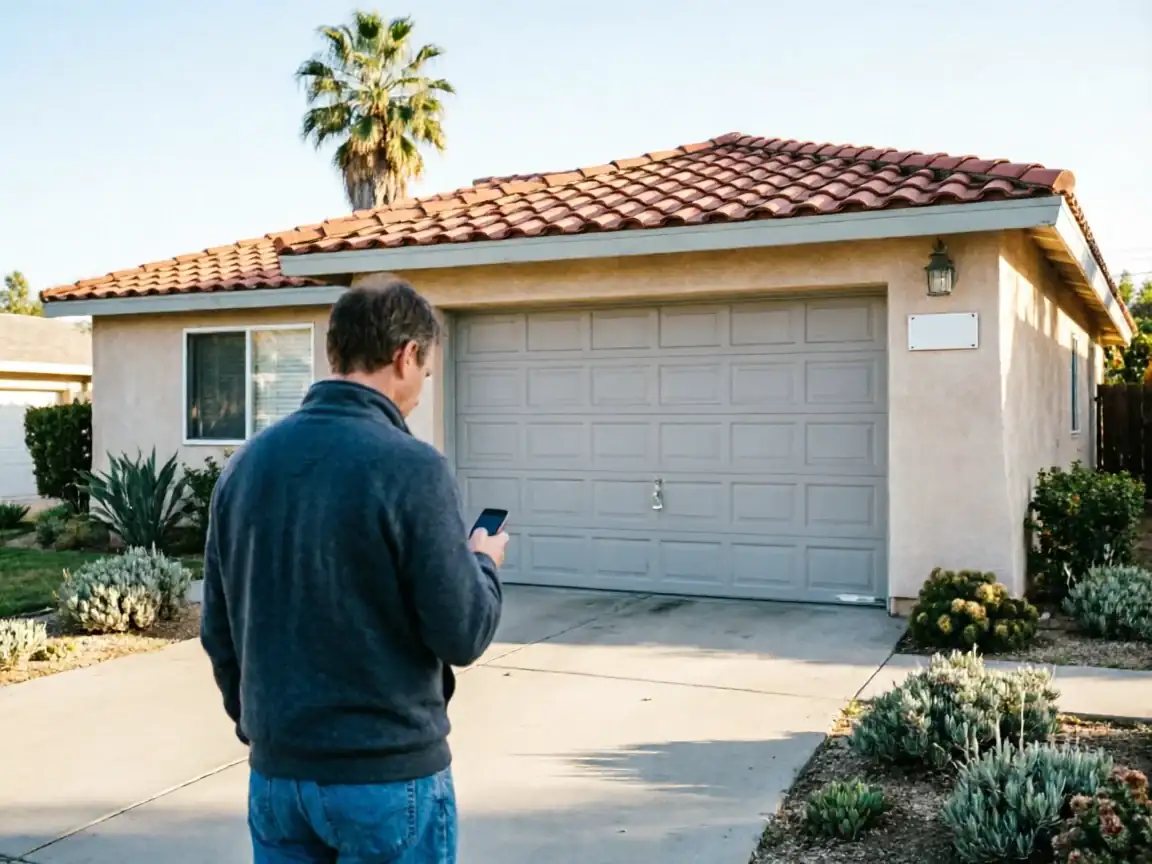
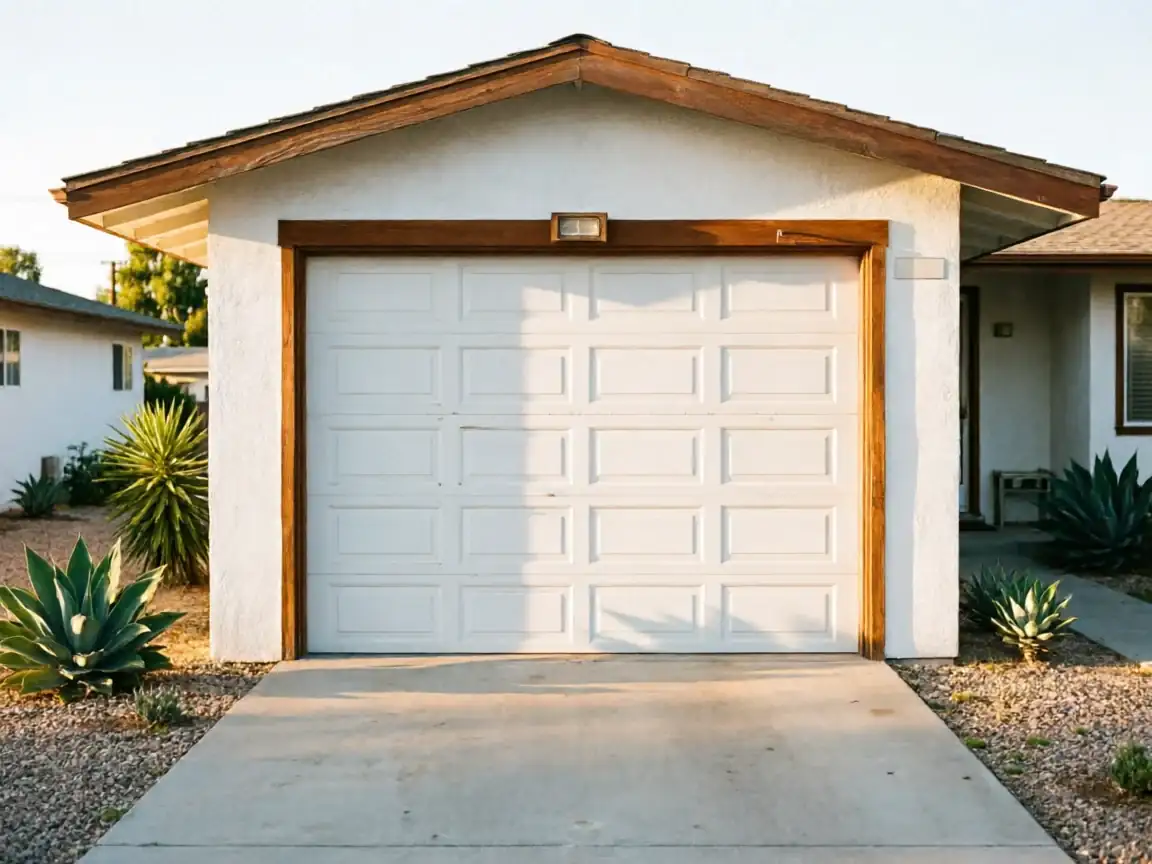
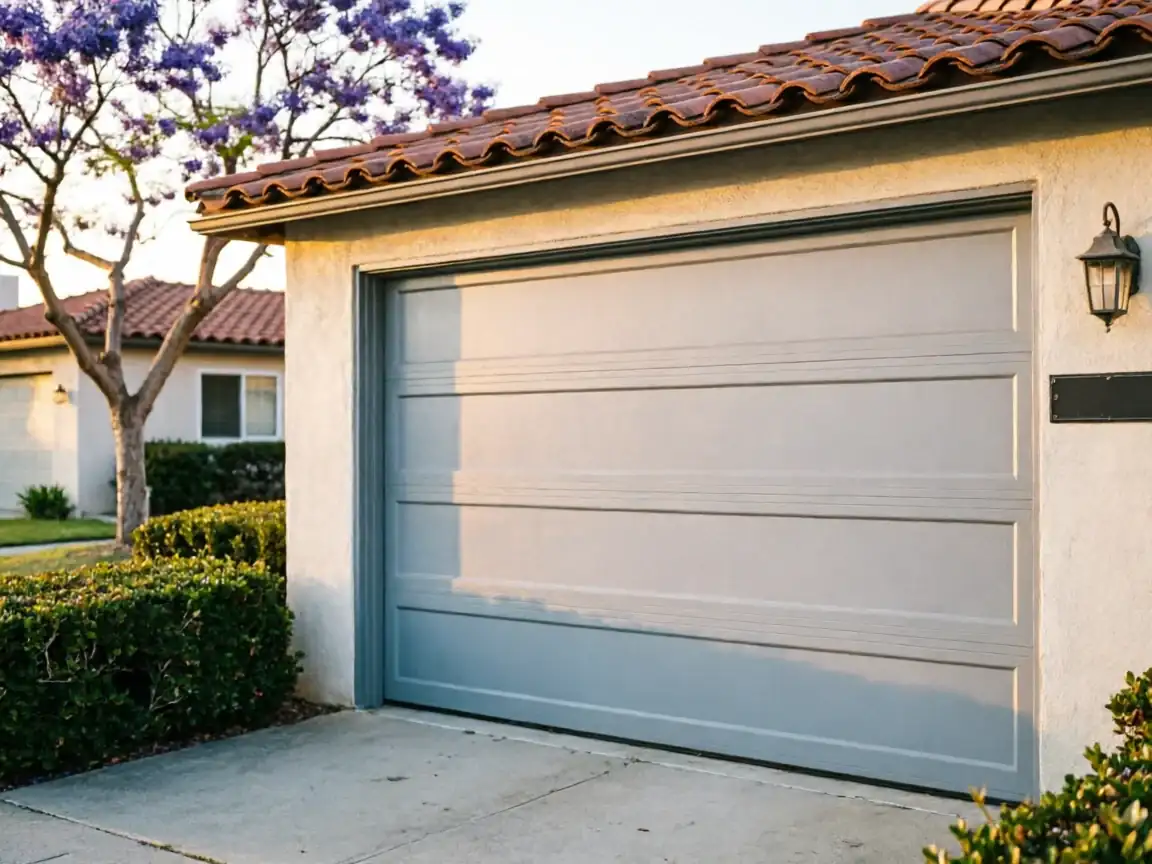
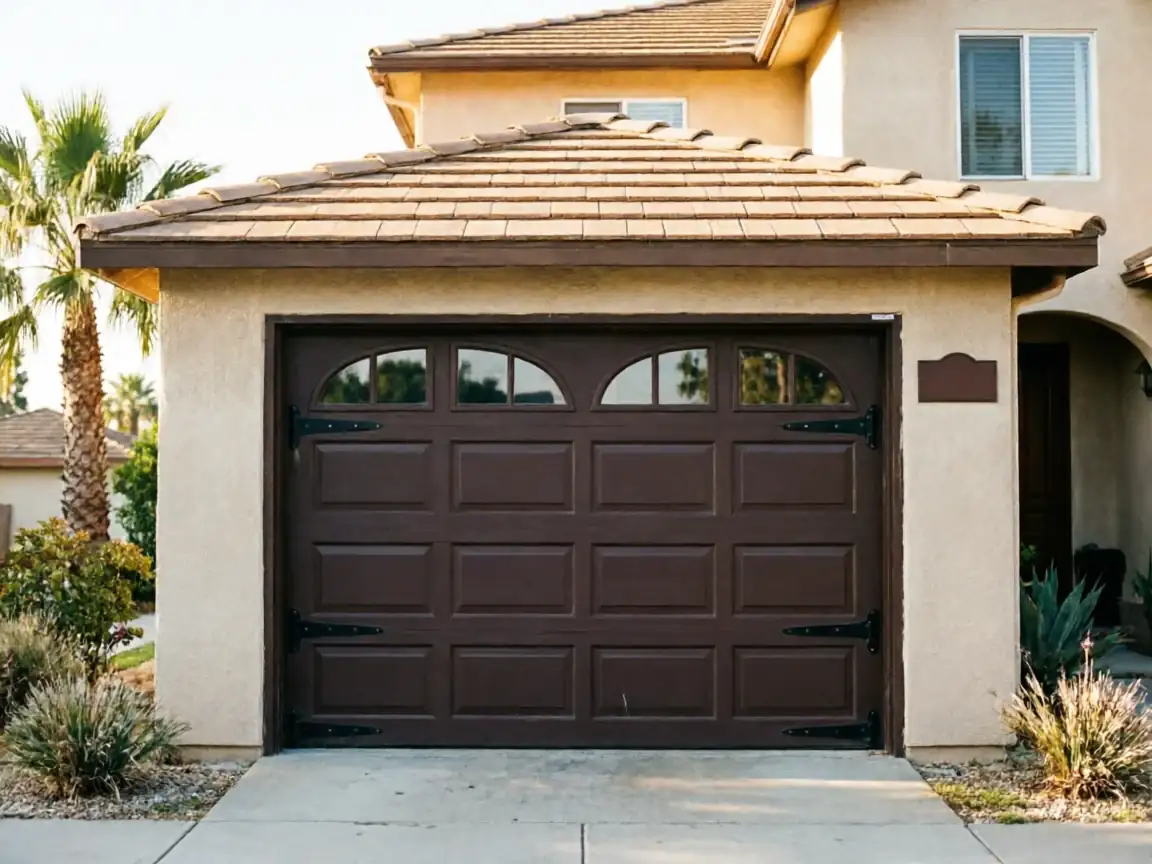
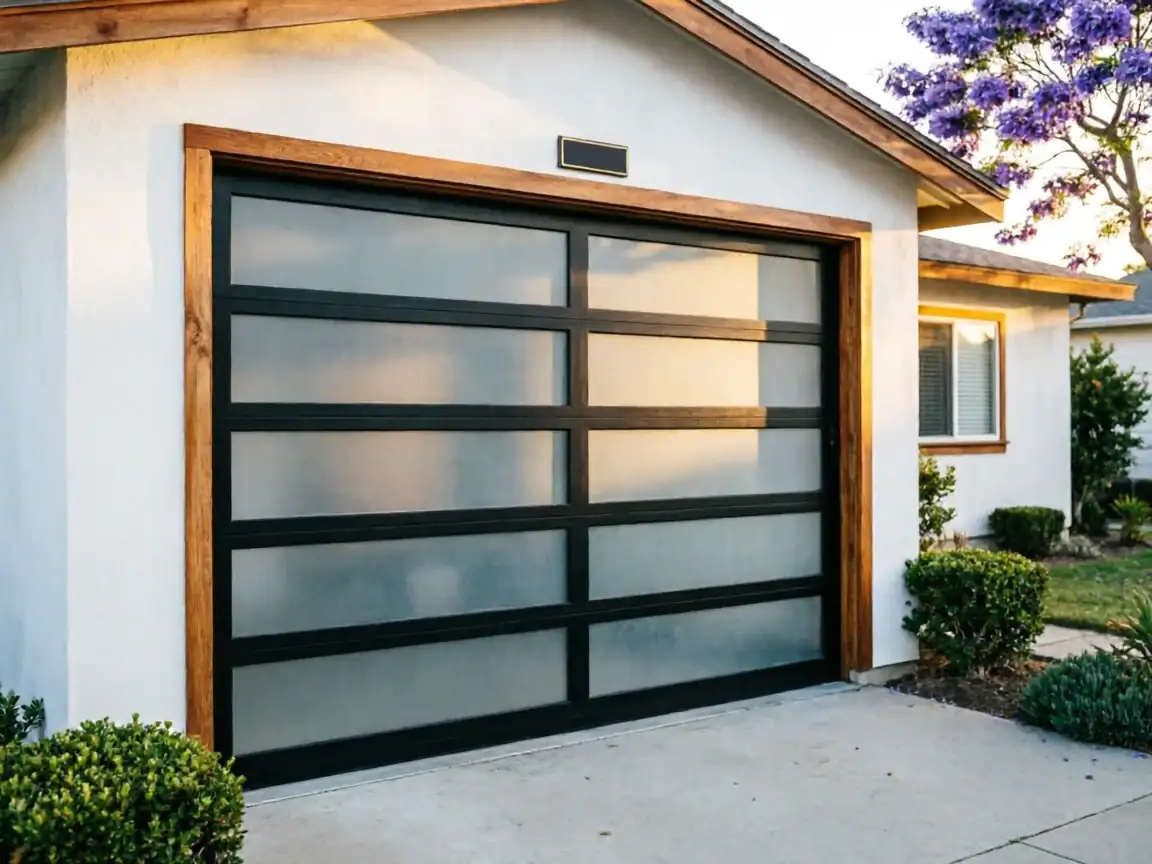
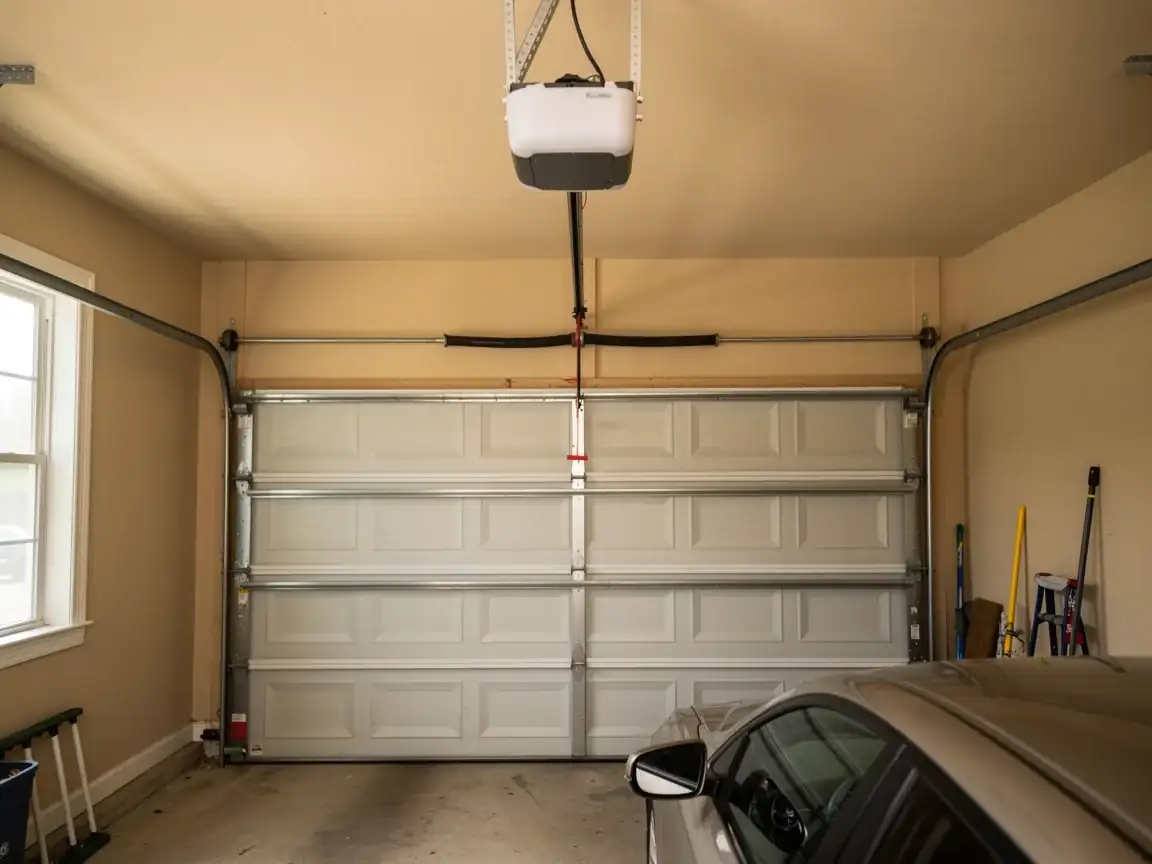
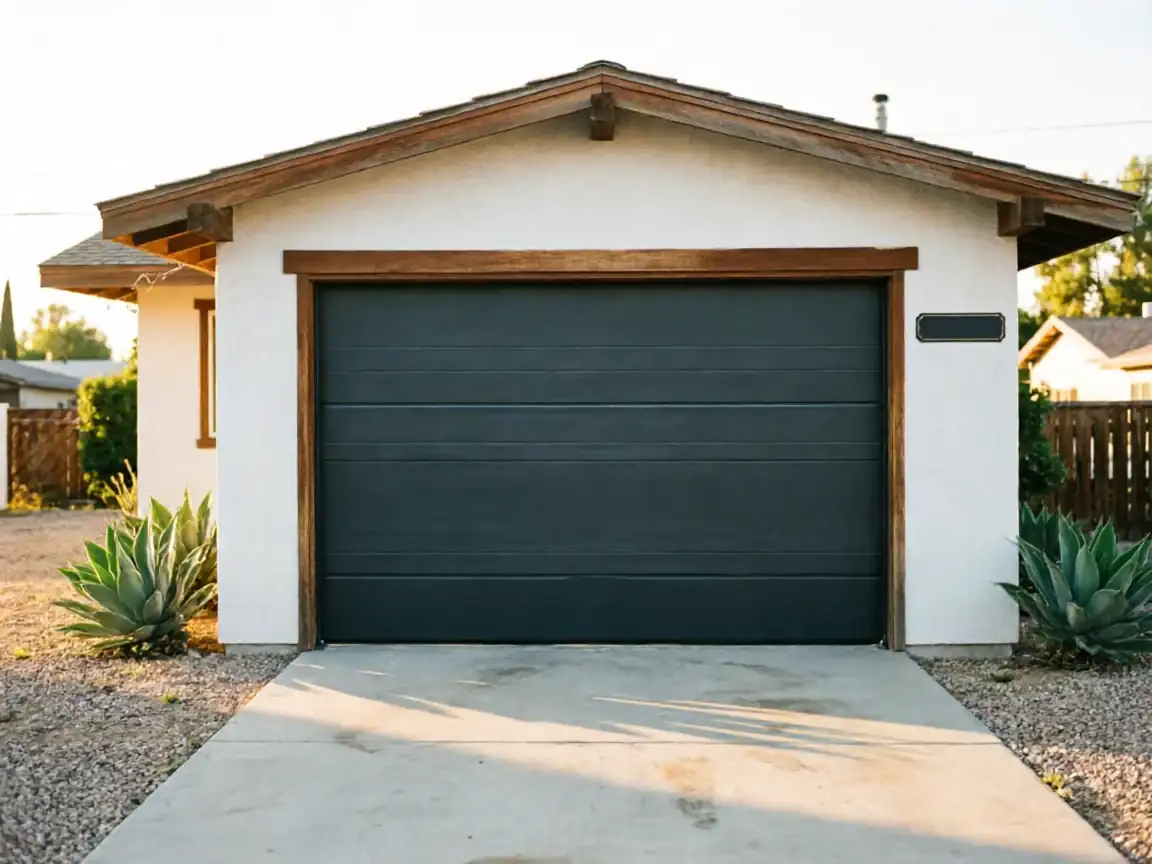
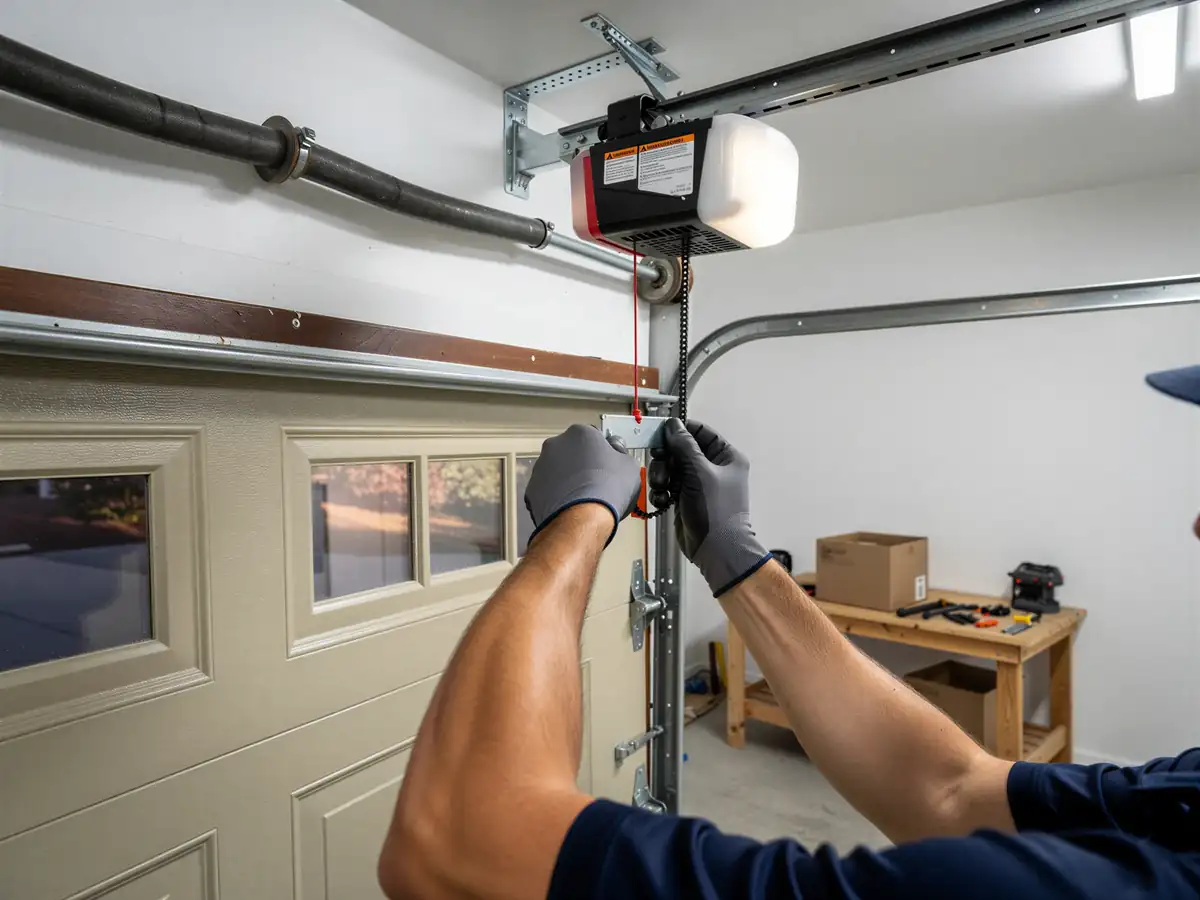
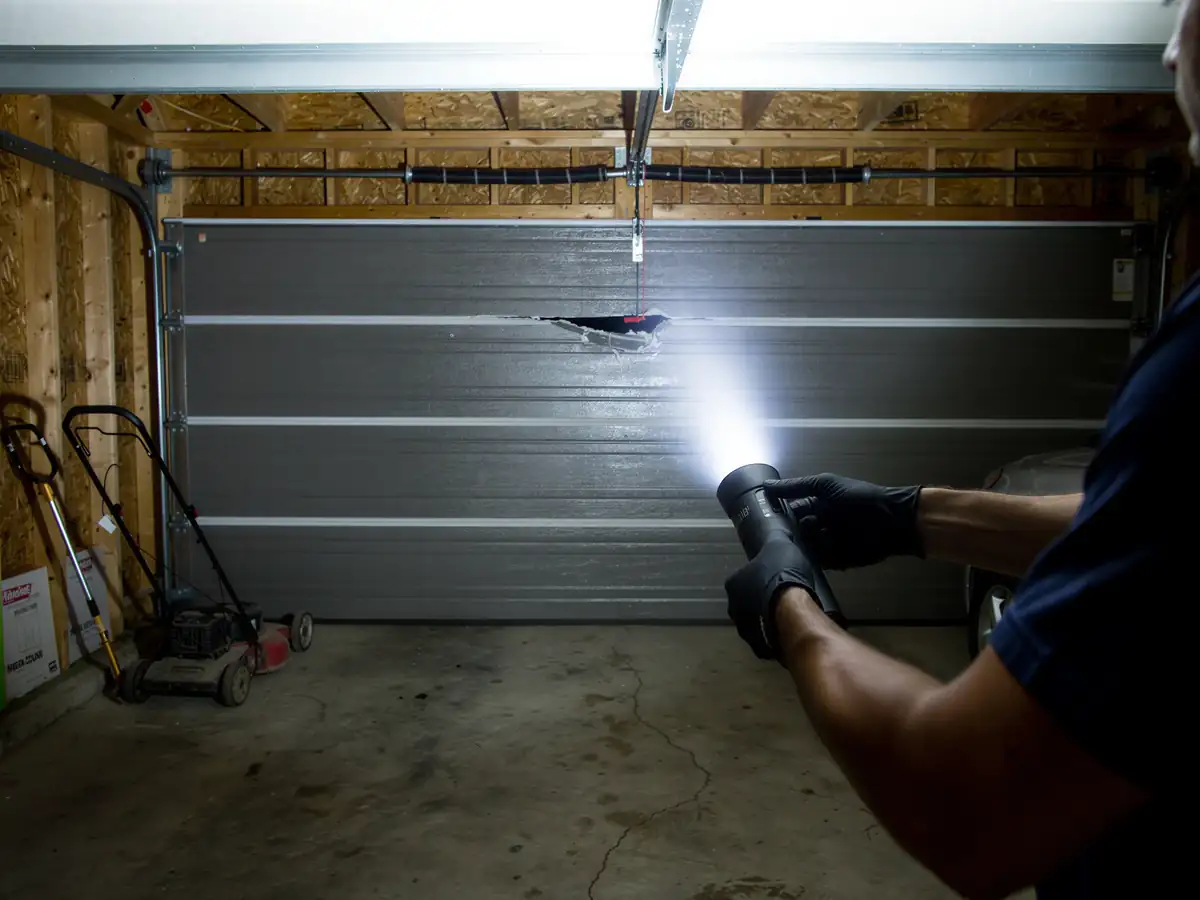
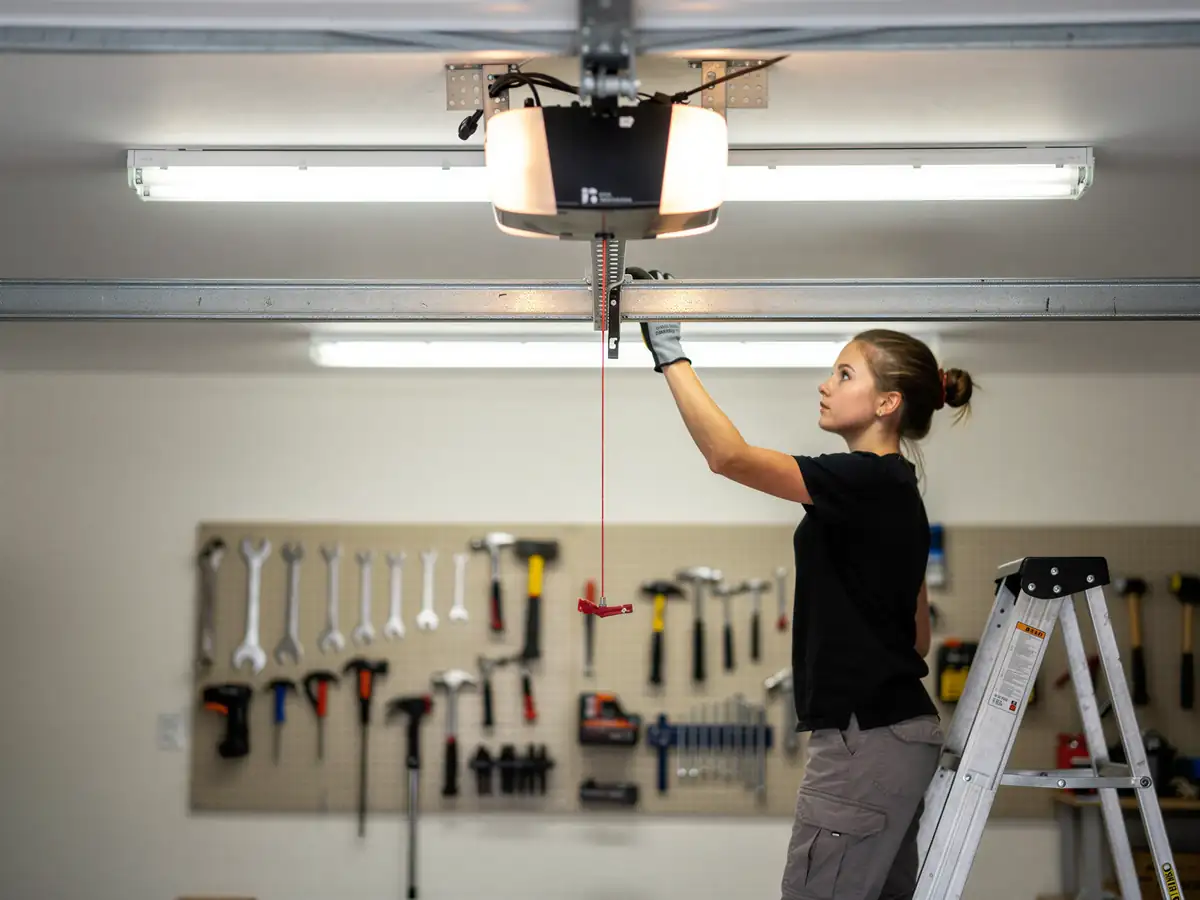
Nuevo sits about 8 miles out from our Menifee shop, which means a service call here is a planned trip, not a five-minute hop across town - we build the drive time into the window we give you, so the appointment you get is the one we actually keep. Most houses in Nuevo went up around 1990, which puts the opener hardware square in the chain-drive and early belt-drive era. After three decades of severe valley heat cycling the circuit boards and drying out the grease in the drive gear, the common failure here isn't a dead remote battery - it's a stripped plastic gear inside the unit, a logic board that's cooked from heat soak in an unvented attic space above the garage, or a chain that's gone slack enough to slip teeth on the sprocket. We also see a fair number of capacitor failures on older motor units, which show up as a hum with no movement, or a door that starts up and then stalls halfway. Because the housing stock here clusters tightly around that 1990 build year, we see the same handful of opener brands and drive types over and over, which makes diagnosis faster once we're on site - we're not guessing at what decade of hardware we're looking at.
What Is on the Truck
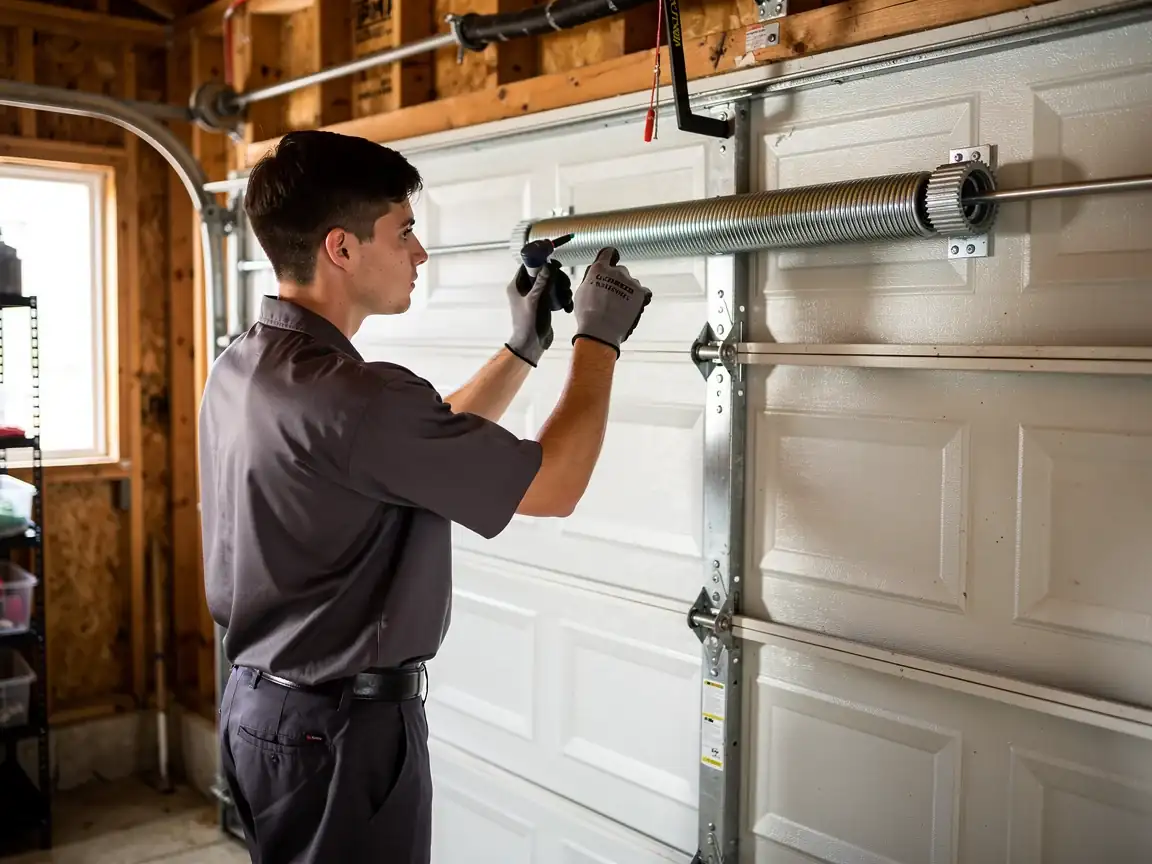
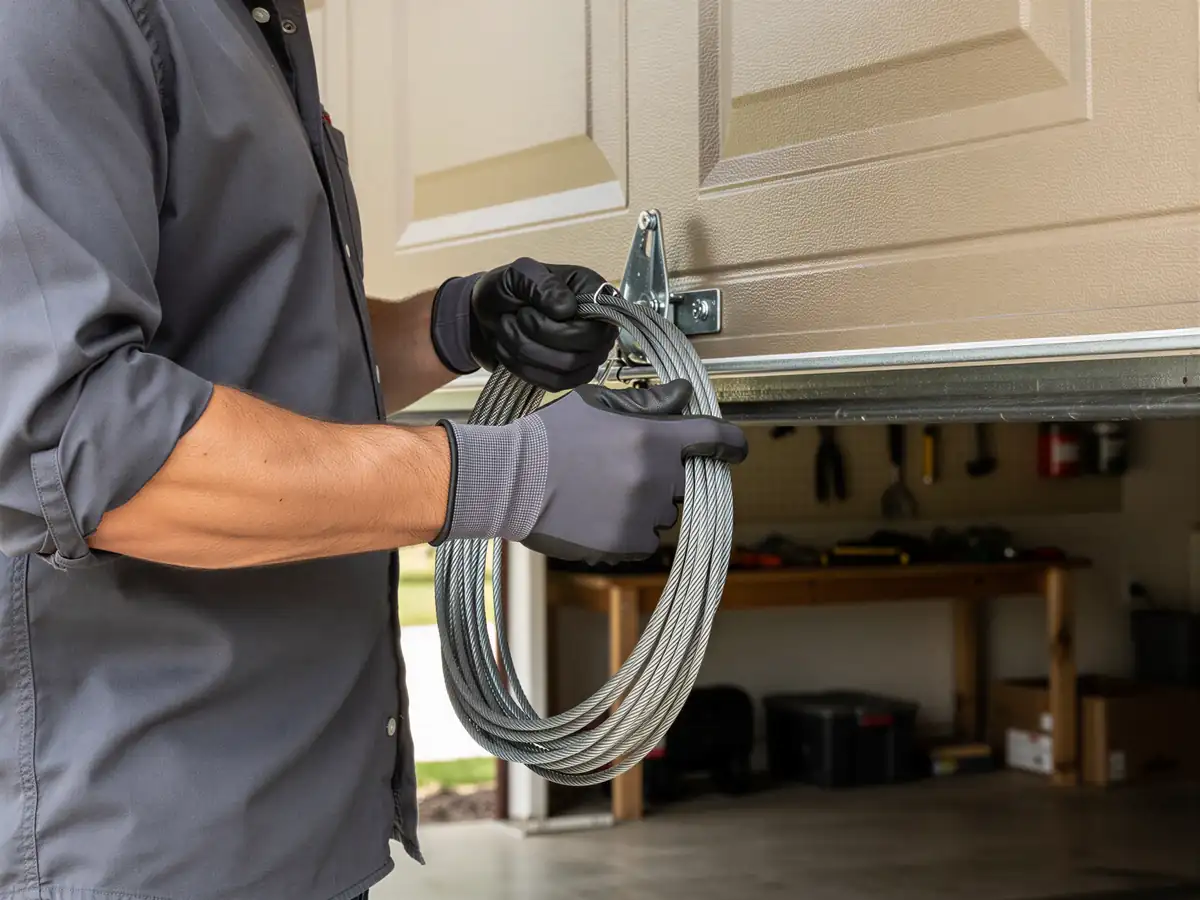
Because Nuevo's homes cluster around that 1990 build year, the truck carries drive gears, sprockets, and trolley assemblies sized for the chain and early belt-drive openers that era used, along with a stock of logic boards and capacitors for the motor units that show up most often in this age bracket. We carry wall control stations and standard remotes too, since those fail from heat exposure as often as the motor does. What we don't carry is every obsolete part for every opener ever made - if your unit is an old discontinued model with a proprietary board, we'll tell you that up front rather than have you wait on a part that may not exist anymore, and we'll walk you through whether replacement makes more sense.
Doing It Yourself
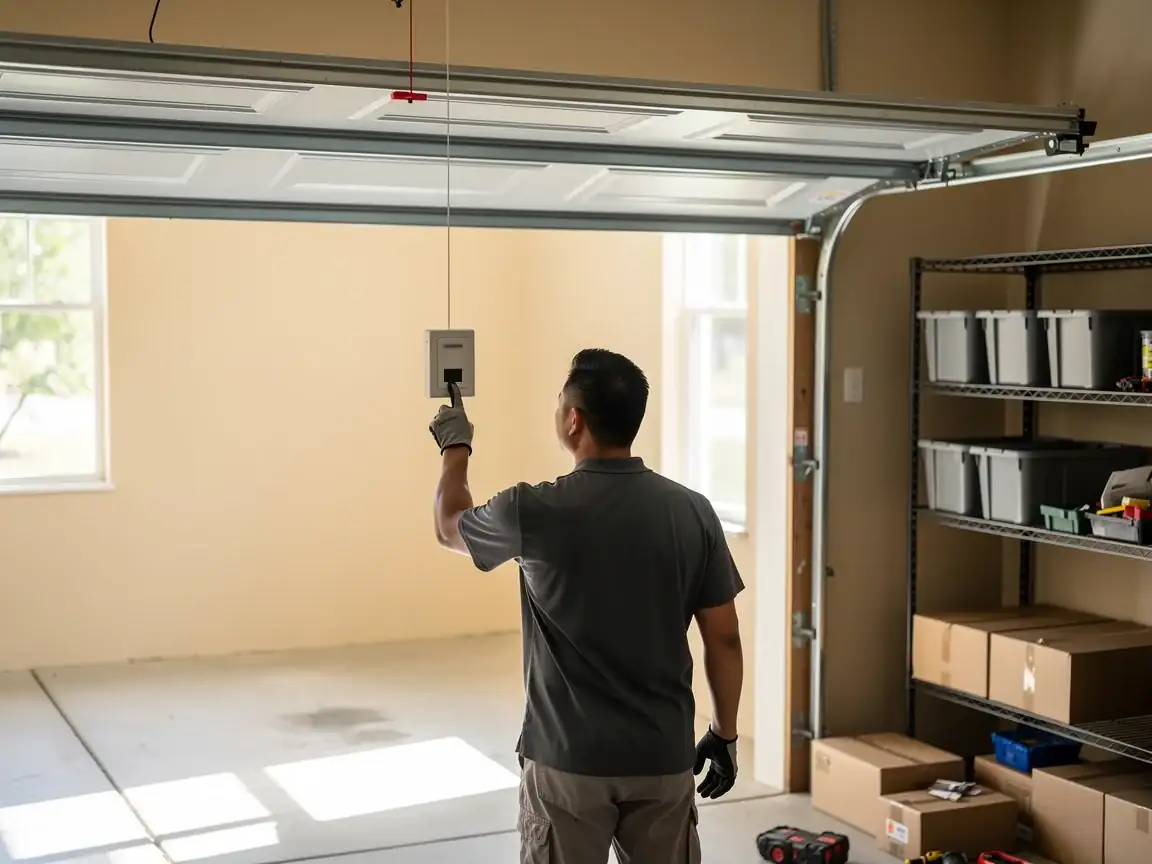
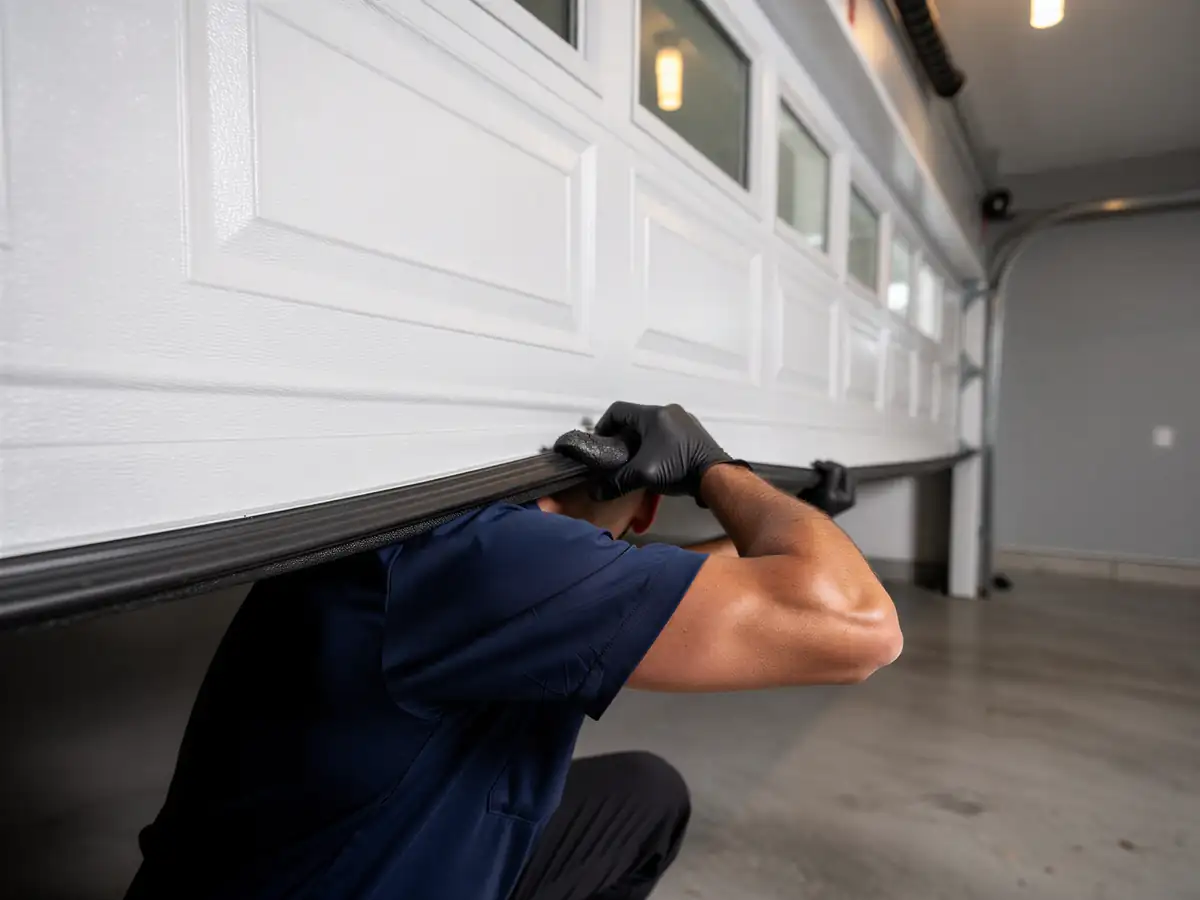
Before you call anyone, check the obvious: is the wall switch getting power, is the safety sensor at the bottom of the track clean and aligned (a smudge of dust or a bumped sensor is enough to stop the door cold), and has the opener simply gone into vacation mode. Those cost nothing to check and solve a surprising share of calls. What's not worth doing yourself is opening the motor housing or adjusting the force and travel limit screws without knowing what you're looking at - on a 1990s-era chain drive, over-tightening those limits can put strain on a gear that's already worn thin from decades of heat, and you'll turn a $40 part into a $200 motor replacement. If the door reverses immediately, makes a grinding noise, or the opener runs but the door doesn't move, that's a call, not a project.