When Waiting Is Fine
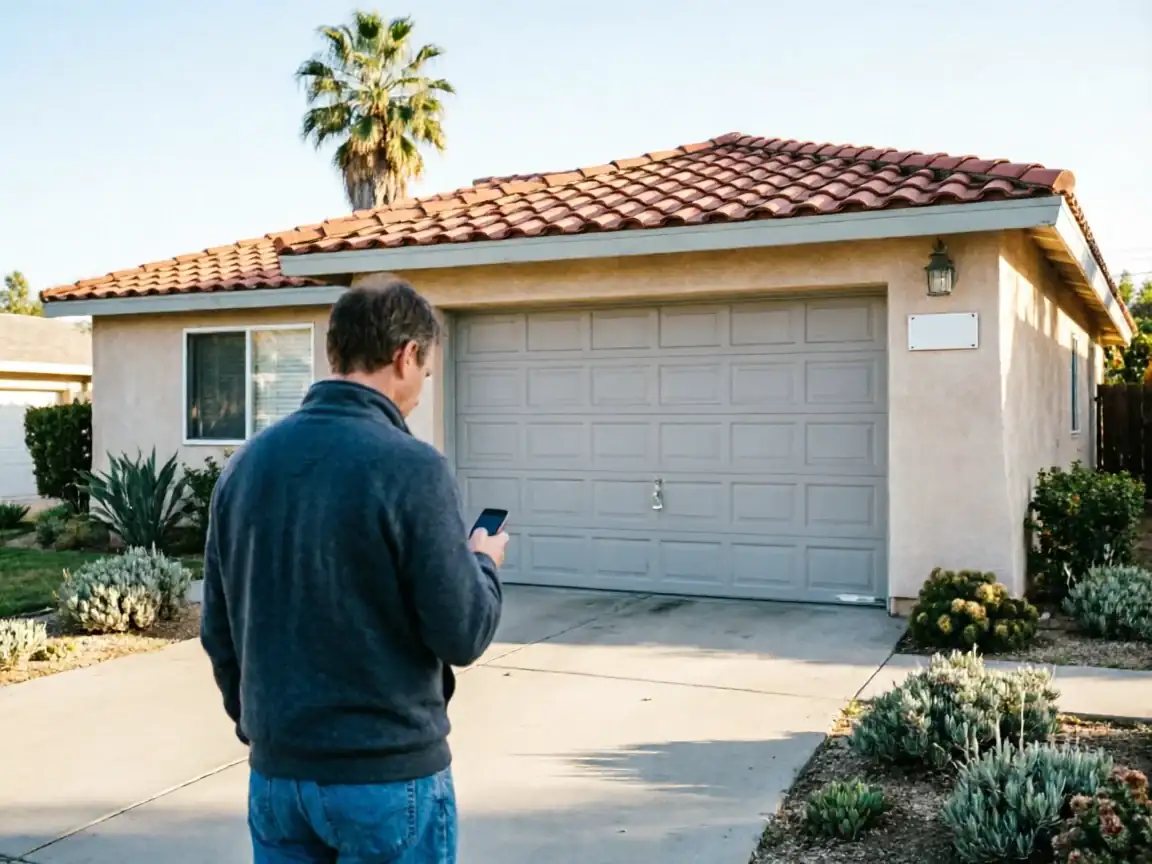
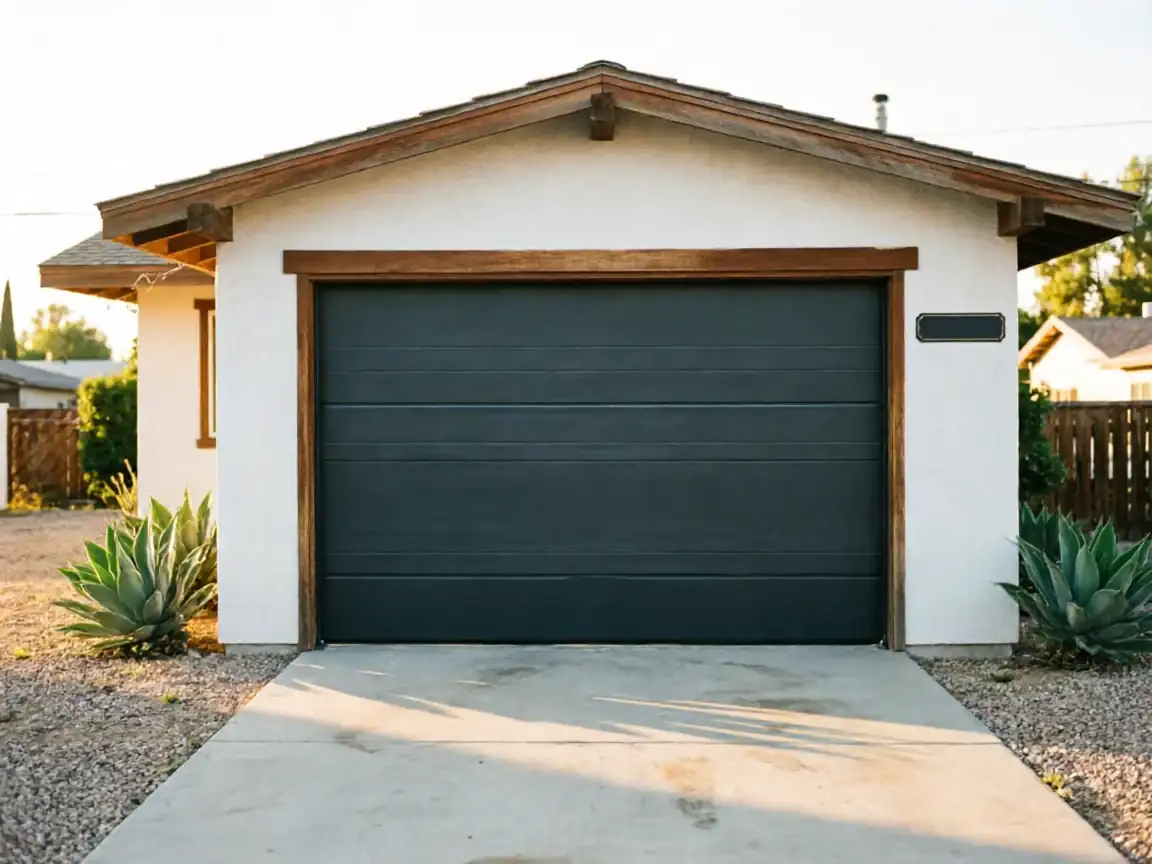
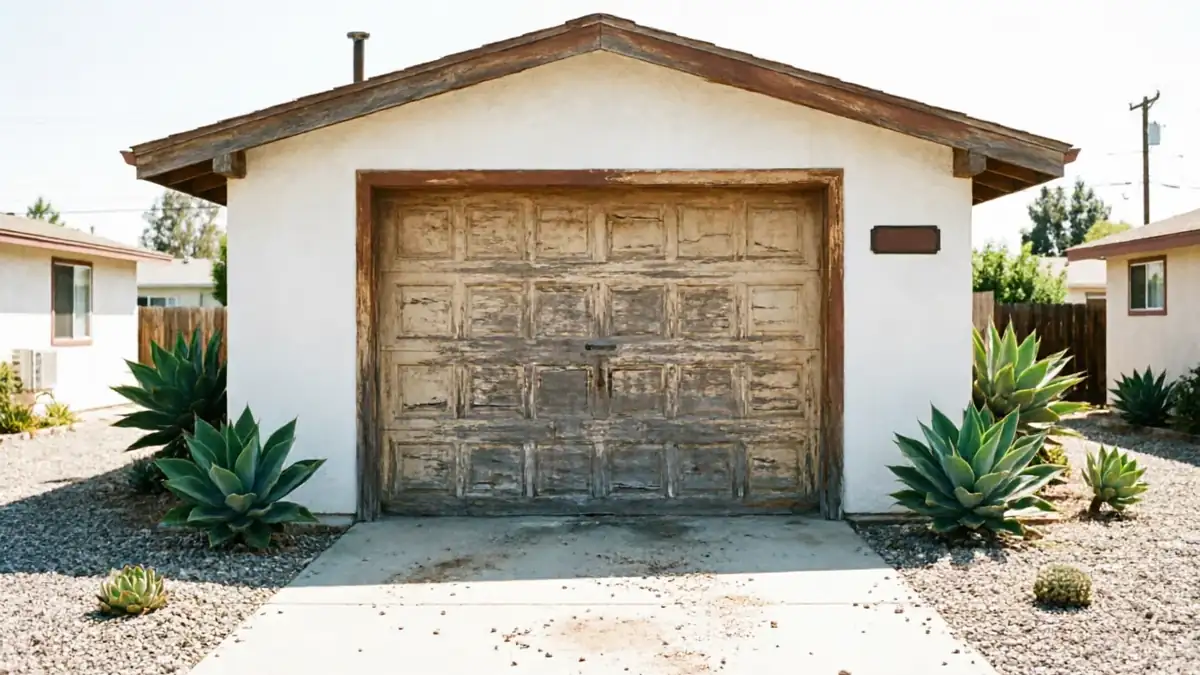
Most houses across Menifee's 24 named areas went up between 1974 and 2009, with the median build year sitting around 1984. That means a lot of doors here are original or close to it, and a lot of them are still fine. If the door opens and closes smooth, the springs aren't sagging the panel when it's down, and the opener doesn't grind or hesitate, you don't need to do anything yet. A door from the 1980s or 90s stock that's been kept painted and the rollers lubed can run for years more. Waiting is the right call when the problem is cosmetic - a dented bottom panel, faded paint, a squeak that goes away with grease. None of that is worth a service call on its own. Where it stops being fine is when the symptom points at the spring or the track, because those don't get better on their own, and in a market where houses built in the 80s and 90s are now 35-45 years old, original hardware is reaching the end of its design life whether it looks rough or not.
What the Weather Here Does to It
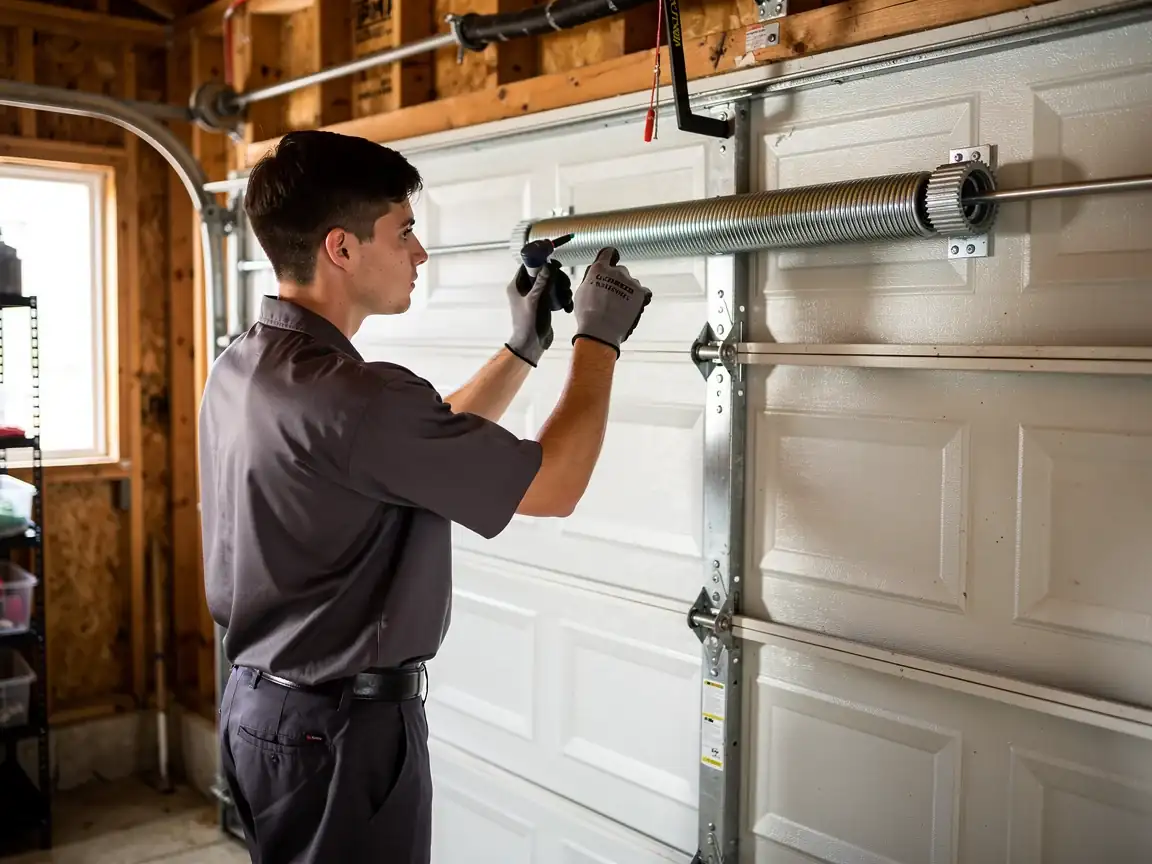
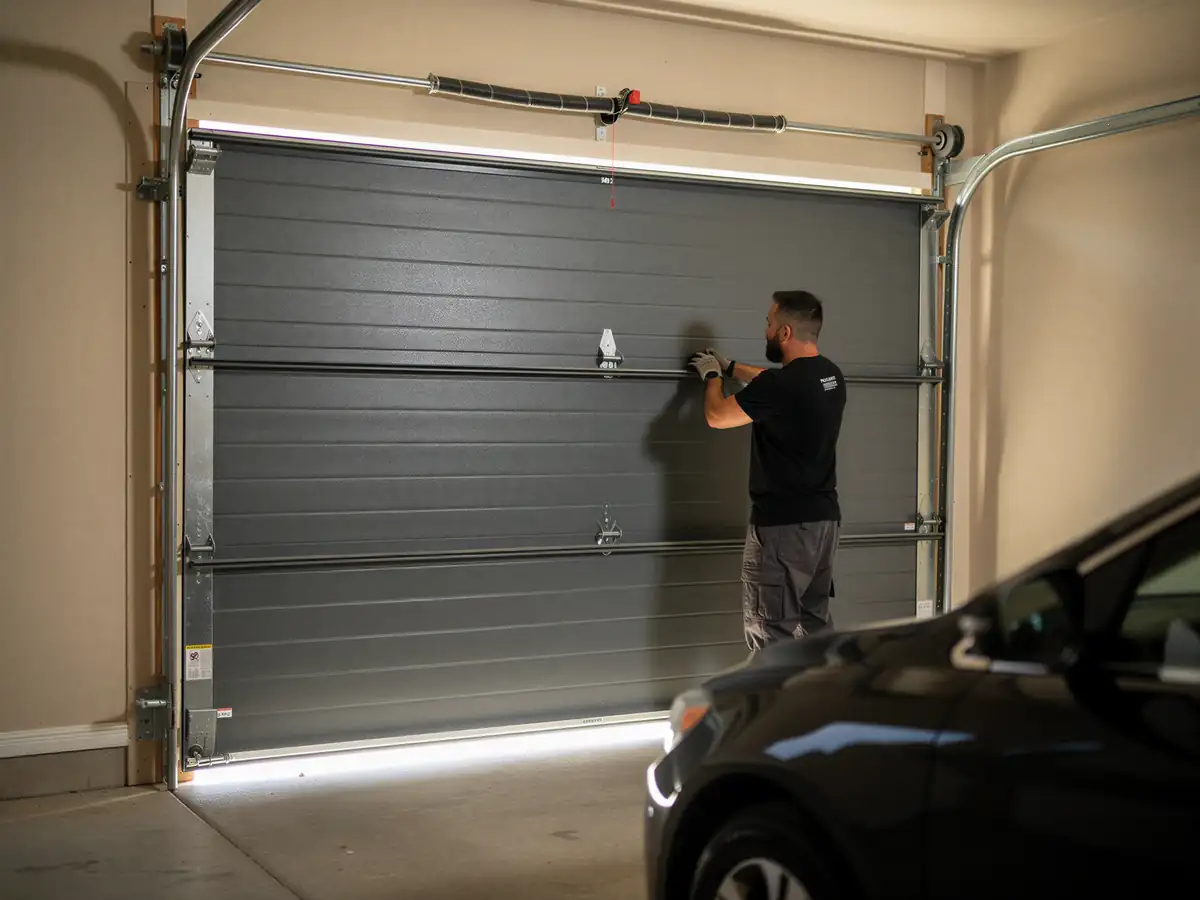
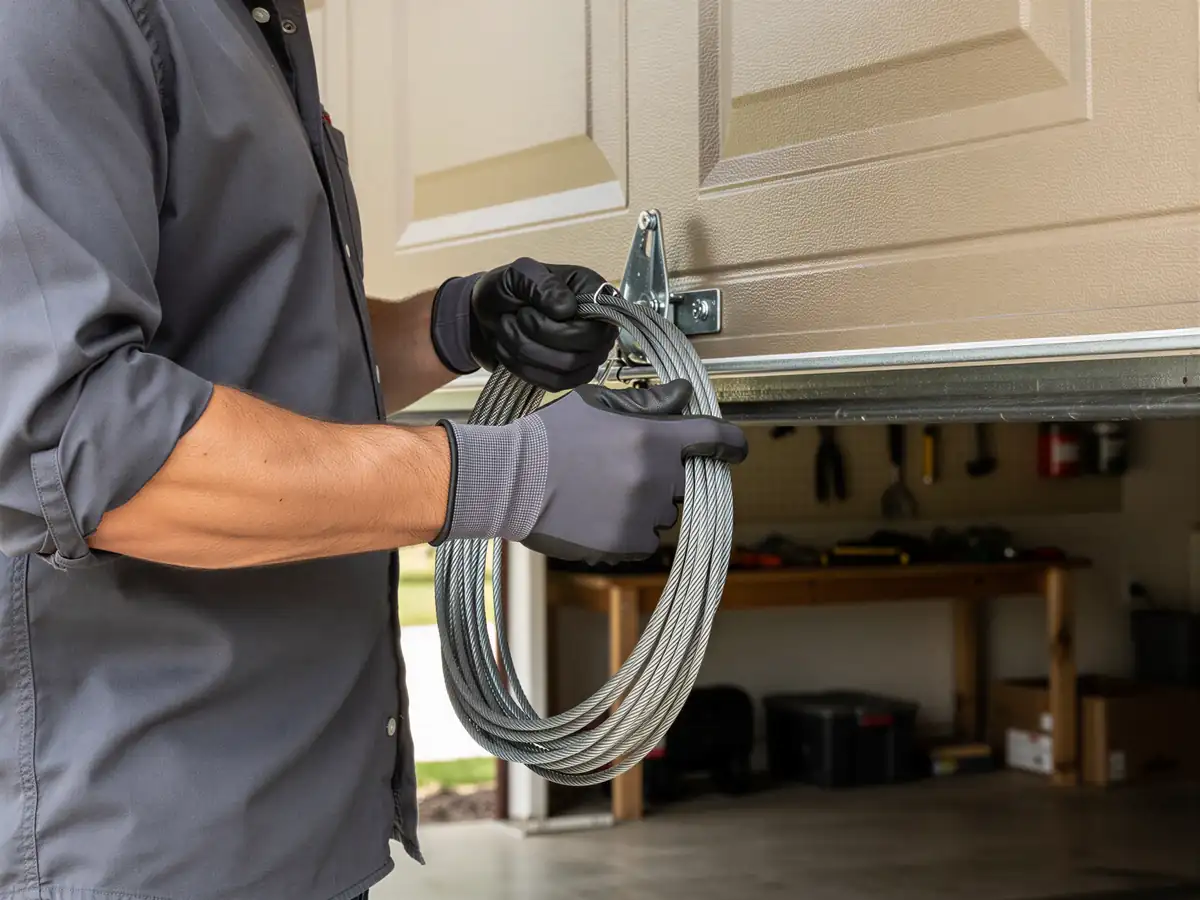
Menifee sits in a severe heat climate band, and that matters more for an older door than people expect. Steel panels expand and the seams that were tight in 1984 open up a little more every summer. Springs under constant heat cycling - hot days, cooler nights - lose tension faster than the same spring would in a mild climate. Nylon rollers and plastic end bearings on original hardware get brittle under repeated heat exposure and crack rather than wear smooth. If your door is making a new noise only in July and August, that's not a coincidence - it's metal and plastic doing exactly what decades of heat cycling does to parts that weren't built to handle it this long. This is also why a torsion spring repair on an older door here is often the single highest-value call you can make: it's the part heat kills first, and it's cheap compared to a full door.
What Most People Get Wrong
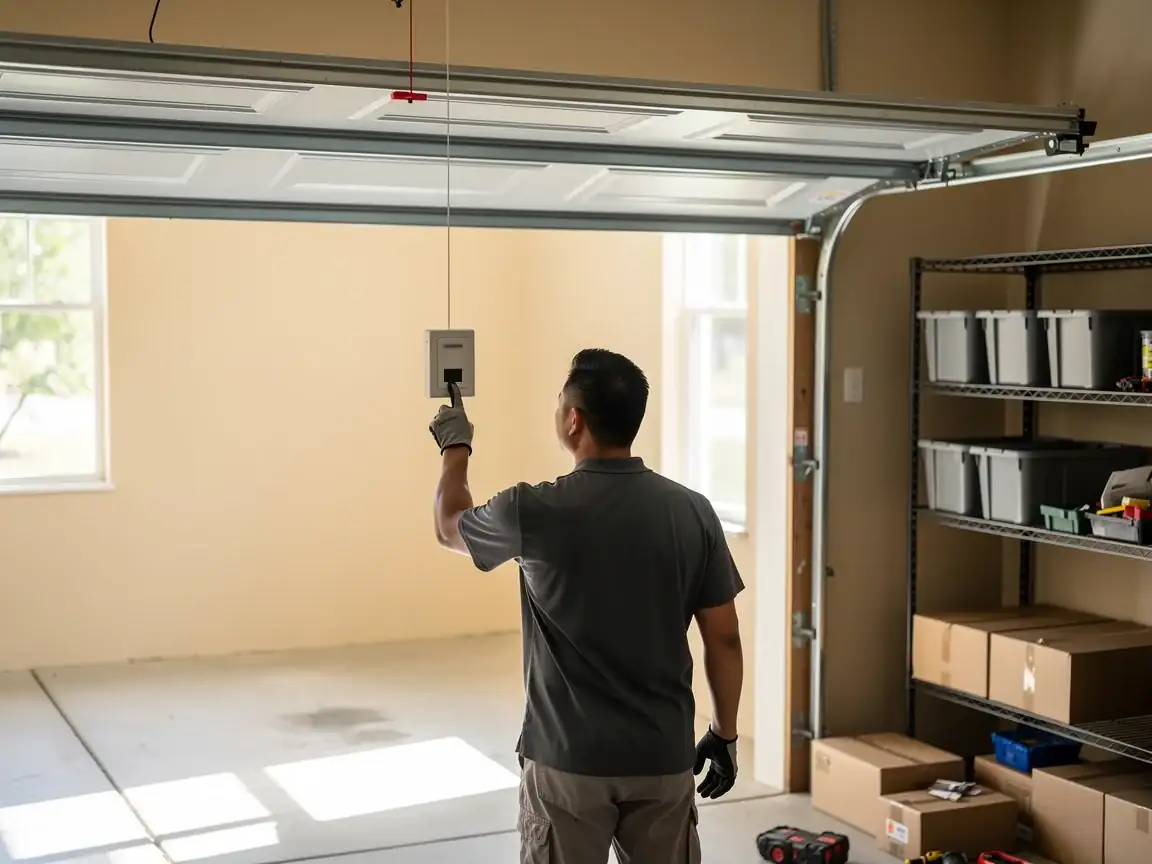
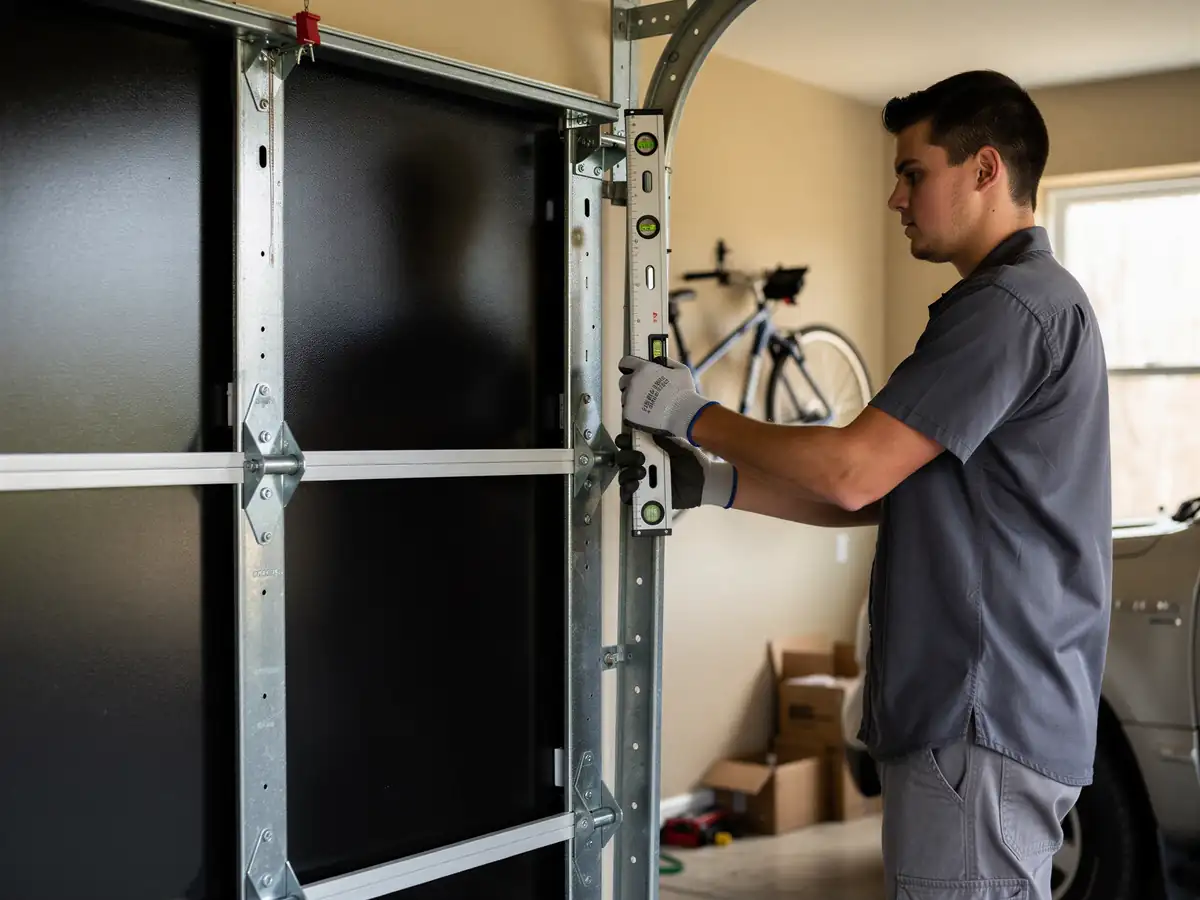
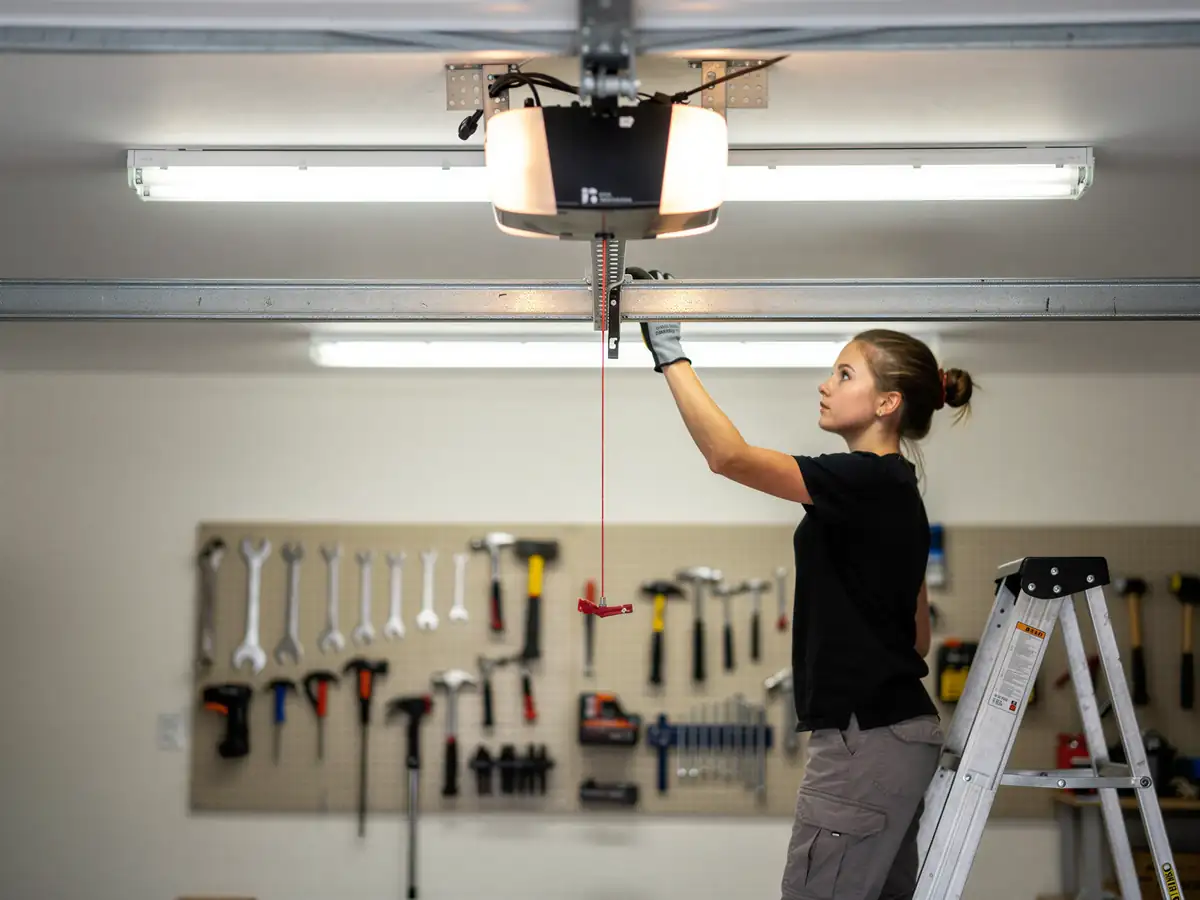
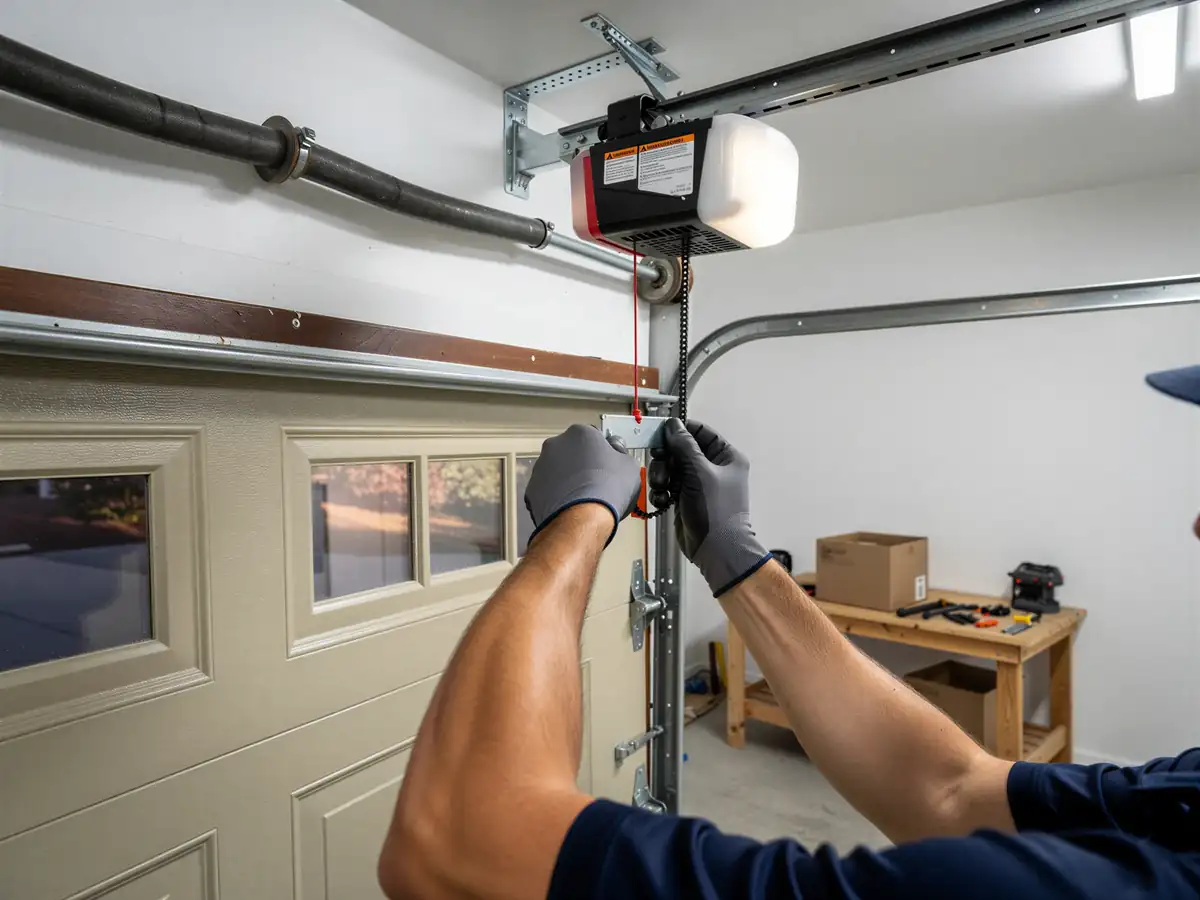
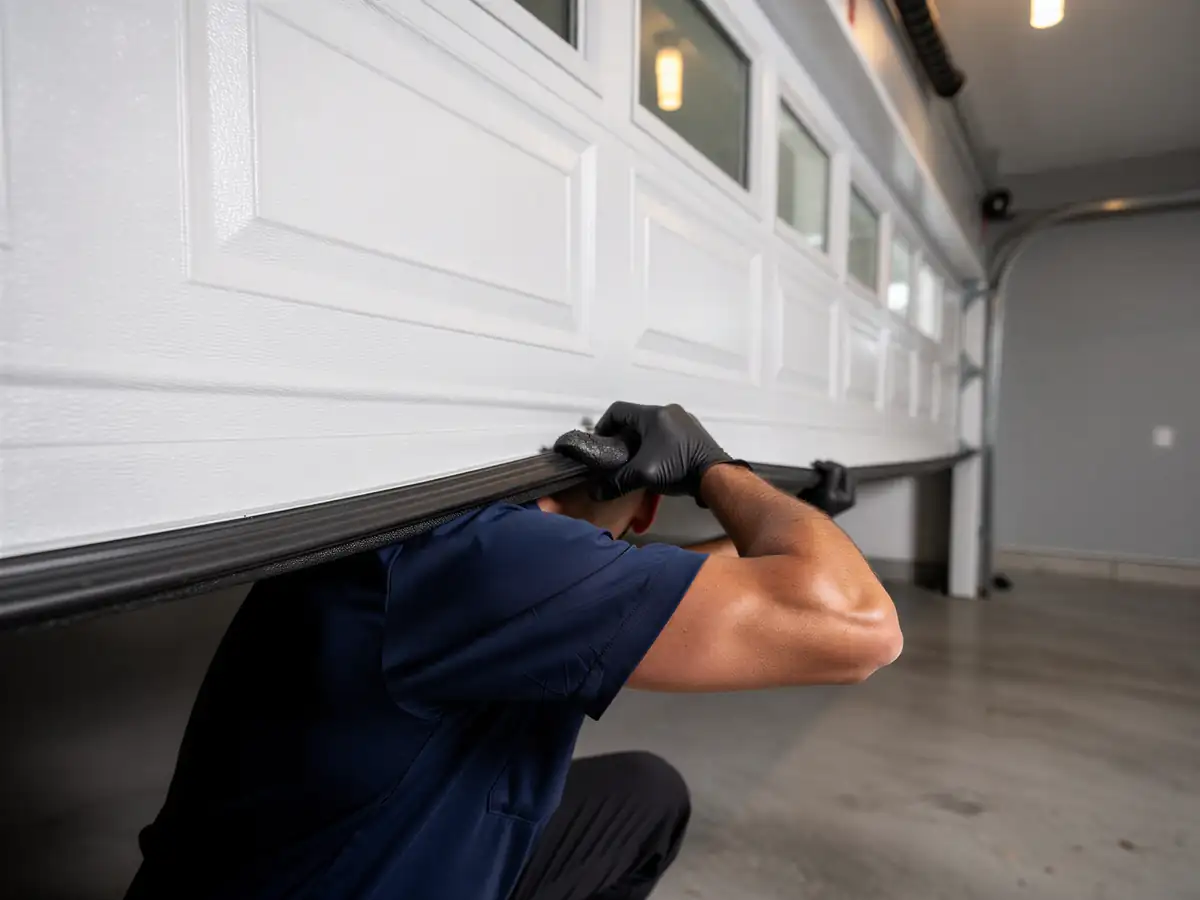
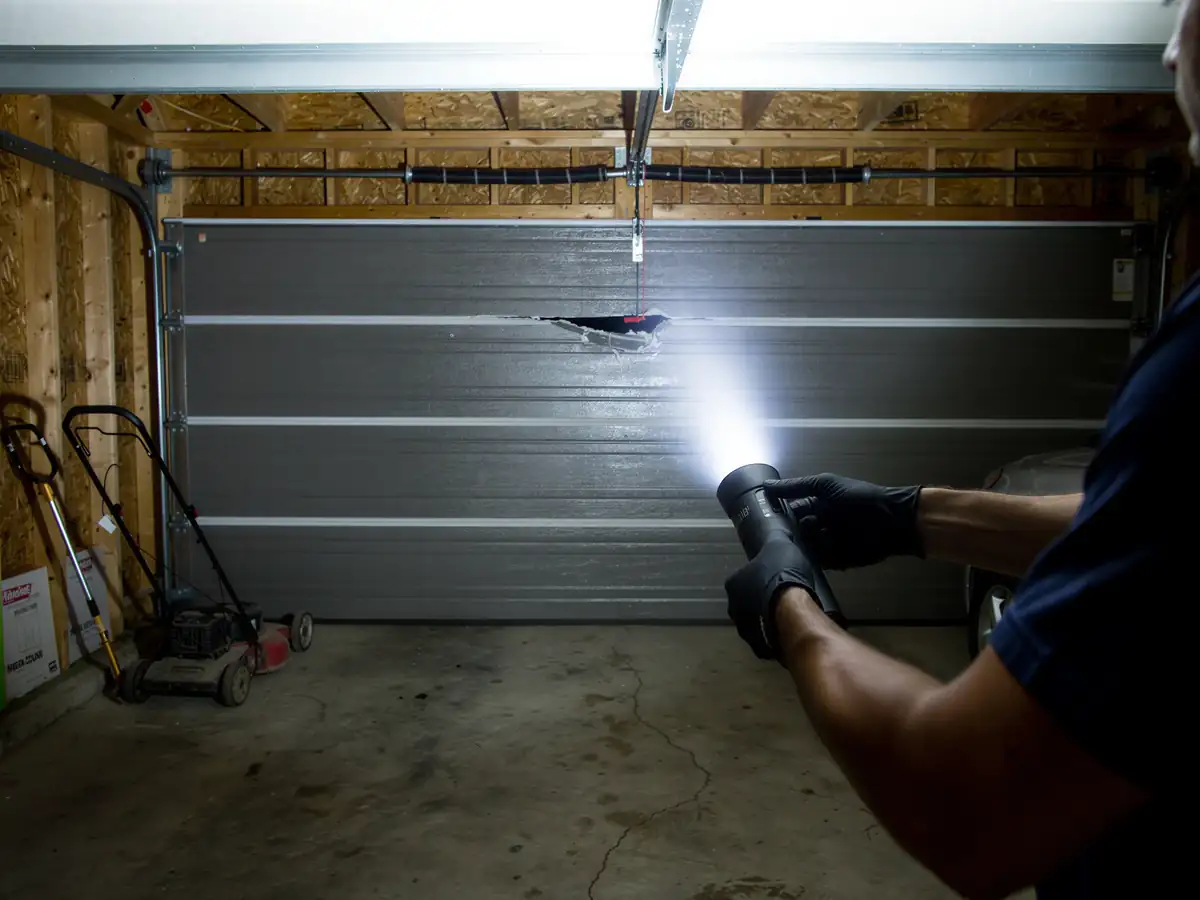
The mistake we see most is treating the opener and the door as one decision. They're not. A 1980s or 90s steel door panel, if it's not dented through and the track is straight, can often run another decade on a new spring and new rollers - the panel itself doesn't wear out the way the hardware does. The opener is a different story; a motor that's been cycling since the house was built is closer to the end than the door it lifts. The other mistake is assuming age alone means replace. A door's age tells you what parts are tired. It doesn't tell you whether the job is a $200 spring swap or a $2,000 full replacement - that depends on the panel condition, which you can only tell by looking at it. We won't sell a full door to a homeowner whose only problem is a spring, and we won't try to patch a panel that's rusted through at the bottom corners either.