How It Shows Up
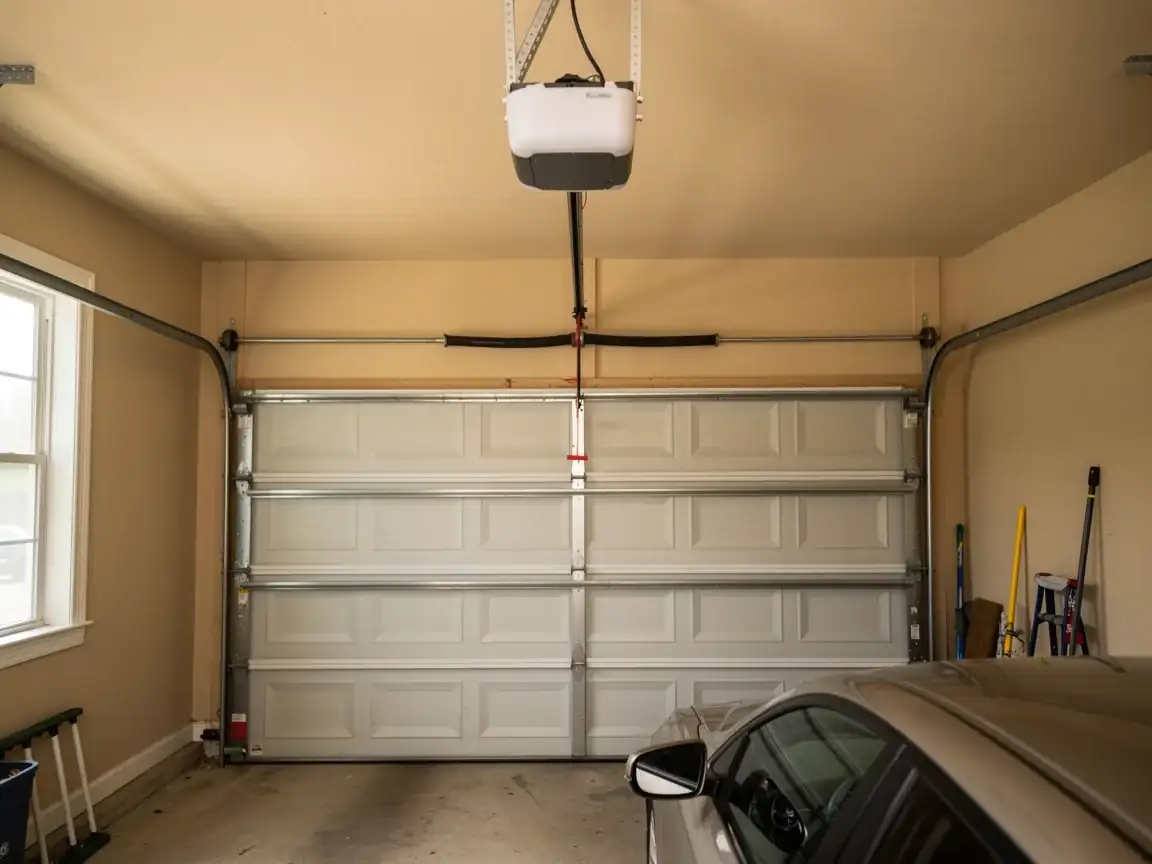
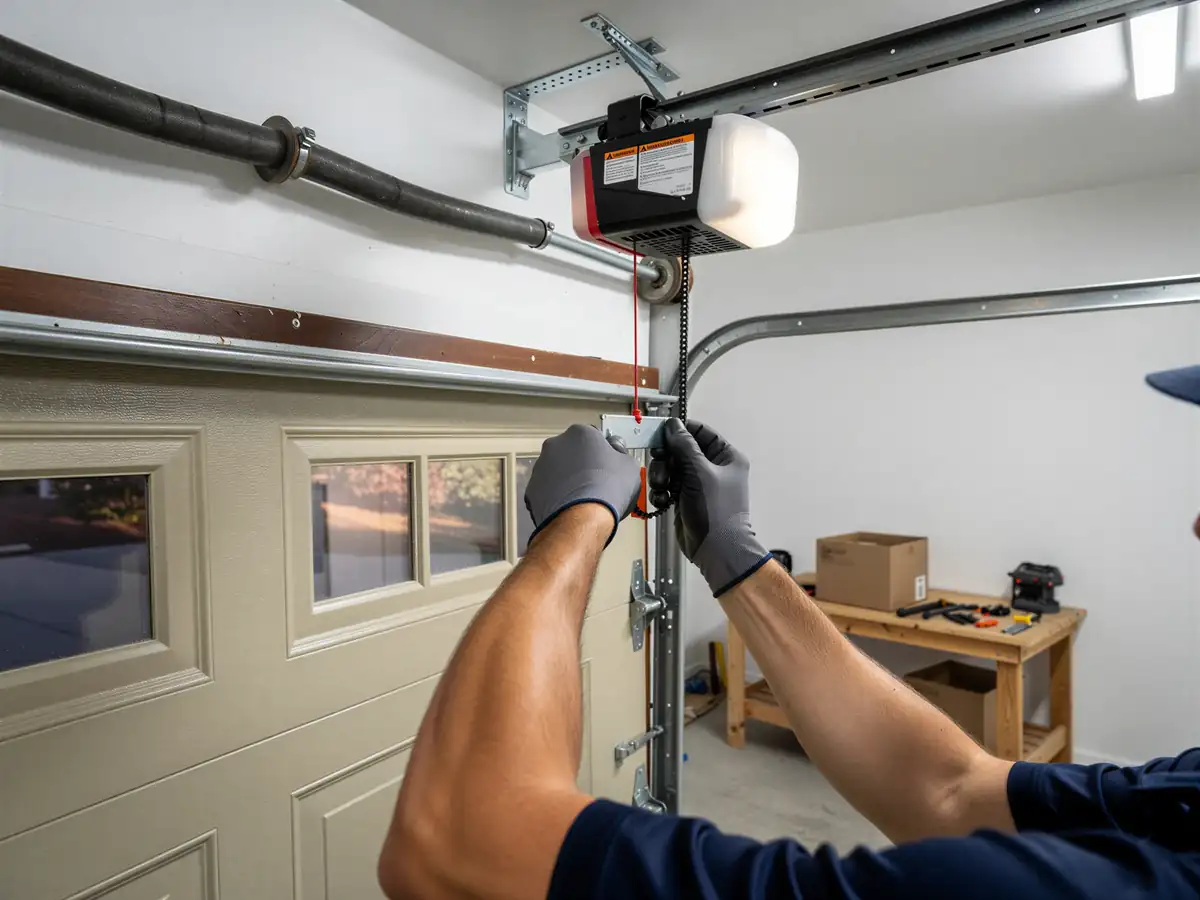
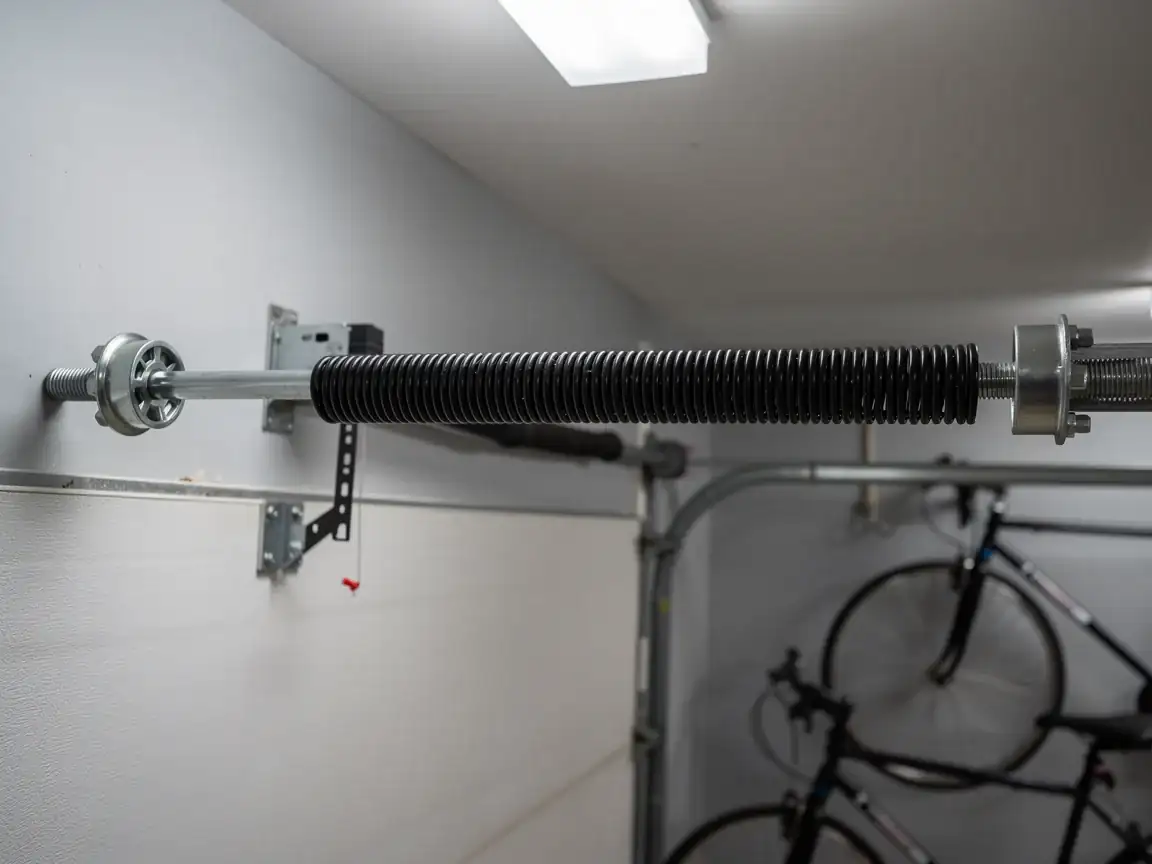
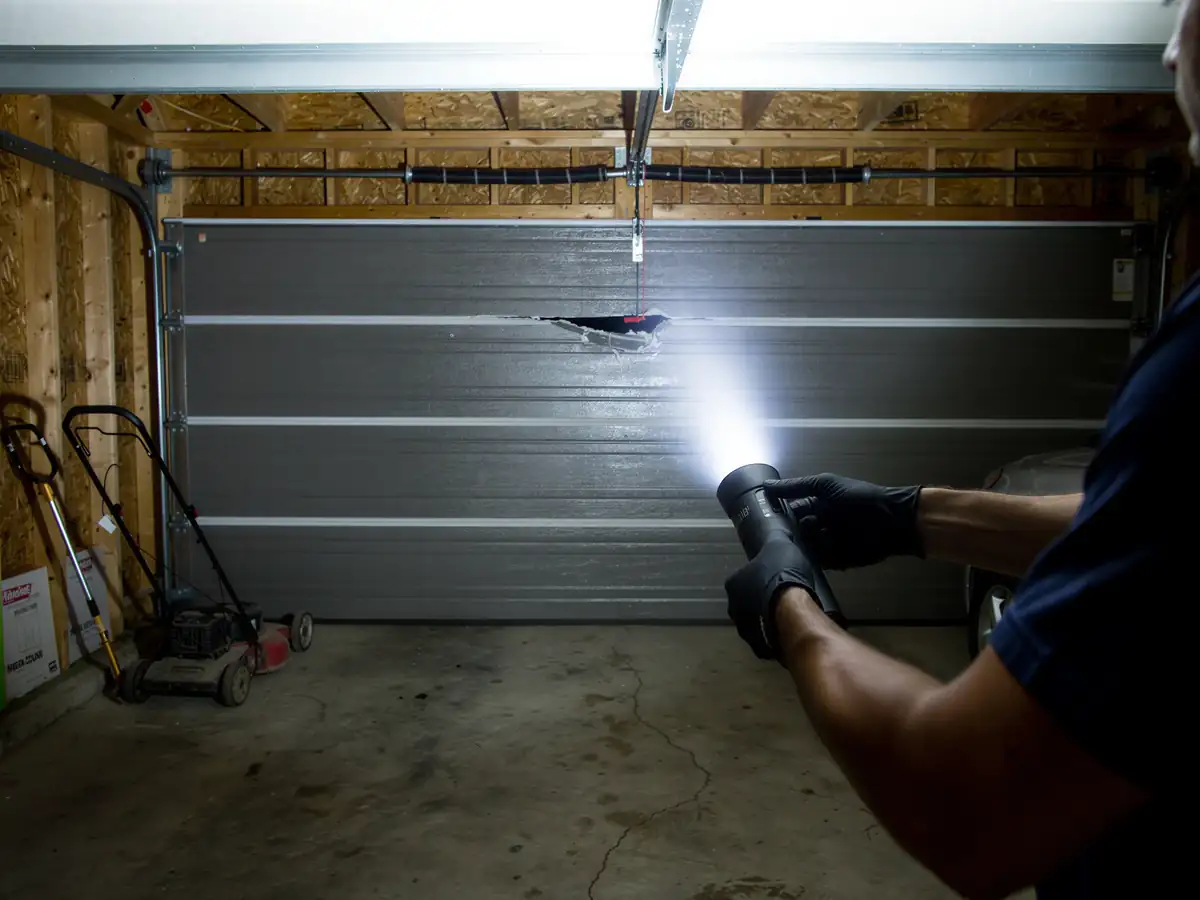
The first sign is usually sound before it's a failure. A door that used to run quiet starts grinding on the way up, or the opener motor strains for an extra second before it catches. Rollers that were smooth a year ago feel gritty under your hand. Lift the door by hand with the opener disconnected and it drops instead of holding steady - that's a spring losing tension, not an opener problem.
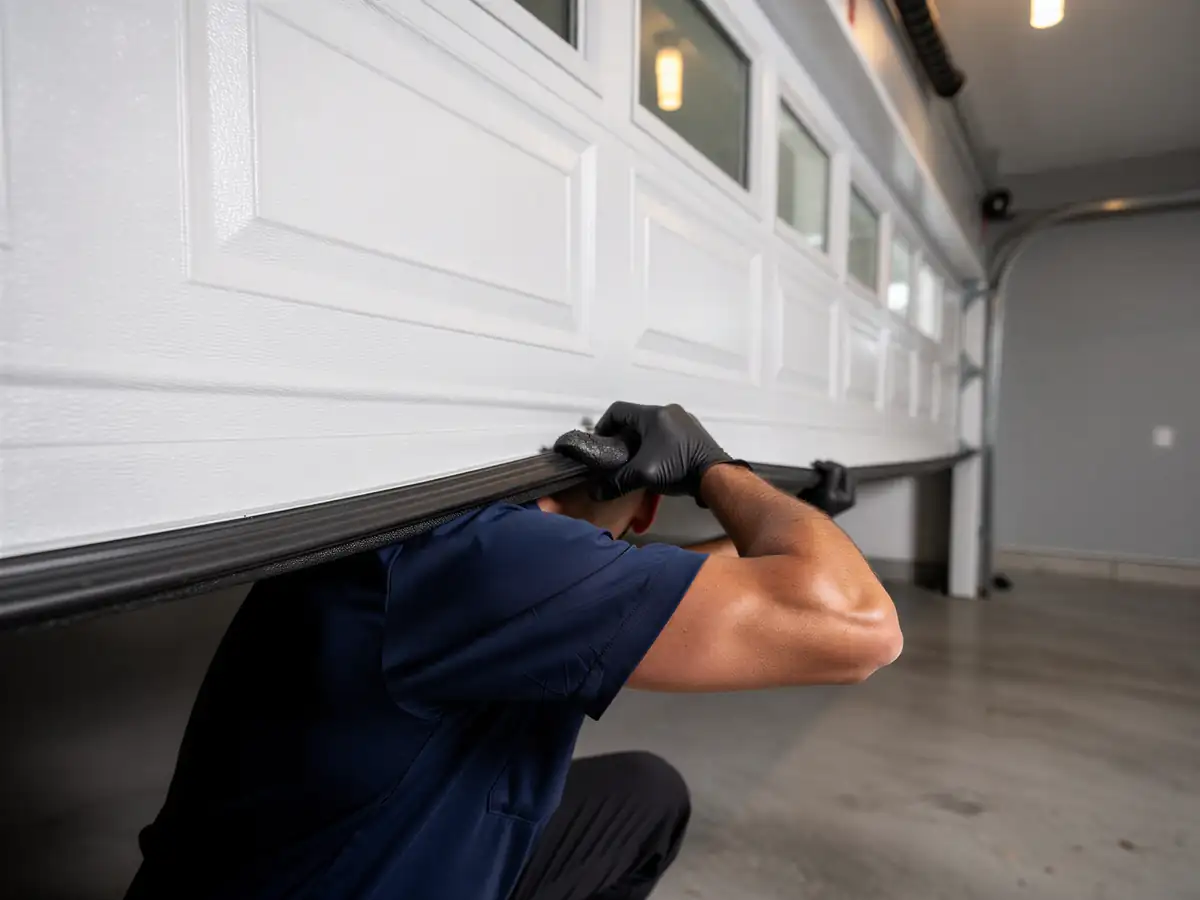
On older tracks you'll see rust bloom at the hinge pins even on doors that look fine from the driveway, because dried-out lubricant lets metal grind on metal every open-close cycle. Weatherstripping along the bottom panel cracks and curls instead of flexing. None of these show up overnight. They build for months, and by the time the door won't open at all, the spring, the cable, or the opener gear has usually already failed rather than just worn.
In Menifee's service area, the pattern we see most is a door that's been working fine for years, then has three bad weeks in a row during the hottest stretch of summer. That's not coincidence - it's the maintenance gap finally catching up with the hardware.
Why It Happens Here
Housing across this market was mostly built between 1974 and 2009
With the median landing around 1984, and the bulk of it falls into that 1980s-to-90s construction wave across the two dozen named communities we cover. That means a huge share of doors and openers out there are original equipment or a first replacement, now thirty to forty years into service life on hardware that wasn't built to last that long unattended.
Pair that housing age with a severe-heat climate band and you get a specific failure chain
Factory grease on tracks and hinges is formulated for a range of temperatures, and repeated days of severe heat break it down into a gritty paste faster than it would in a milder climate. That paste grinds rollers and hinge pins instead of protecting them. Steel springs expand and contract with heat cycles, and opener circuit boards - especially on units from the 1990s and early 2000s - run hotter inside a garage that's already baking, which shortens the life of capacitors and logic boards alike.
This isn't a defect in any one door
It's what happens when 1980s-era hardware meets decades of severe summer heat without a maintenance visit in between.
The Cost of This Job
We're not going to quote a flat number here, because what a maintenance visit runs depends on the door's age, the opener type, and what we find once we're under the hood - a straightforward lubrication and balance check costs less than a visit that turns up a cracked roller or a spring losing tension early. That's the honest limit of what we can tell you without seeing the door.
What we can say is that with a median household income of $84,369 across this market, most owners here are set up to treat maintenance as a budgeted, once-a-year visit rather than an emergency call. That's the cheaper path either way. A maintenance visit costs a fraction of an emergency spring replacement or a same-day opener swap, and it catches the kind of heat-driven wear - dried grease, a stressed cable, a roller about to crack - before it turns into a door that won't open on a 105-degree afternoon.
Across the 127,871 households in this service area, 77,336 are owner-occupied houses, and owner-occupied is the group that actually benefits from maintenance - you're the one who eats the cost of a bad spring failure, not a landlord passing it along.
Doing It Yourself
Some of this you can handle. Wipe down the tracks and hinge pins, then apply a light lithium grease - not WD-40, which thins out and attracts grit instead of repelling it. Check the weatherstripping along the bottom panel for cracks and replace it if it's stiff or torn. Test the photo-eye sensors by waving something in front of them while the door closes.
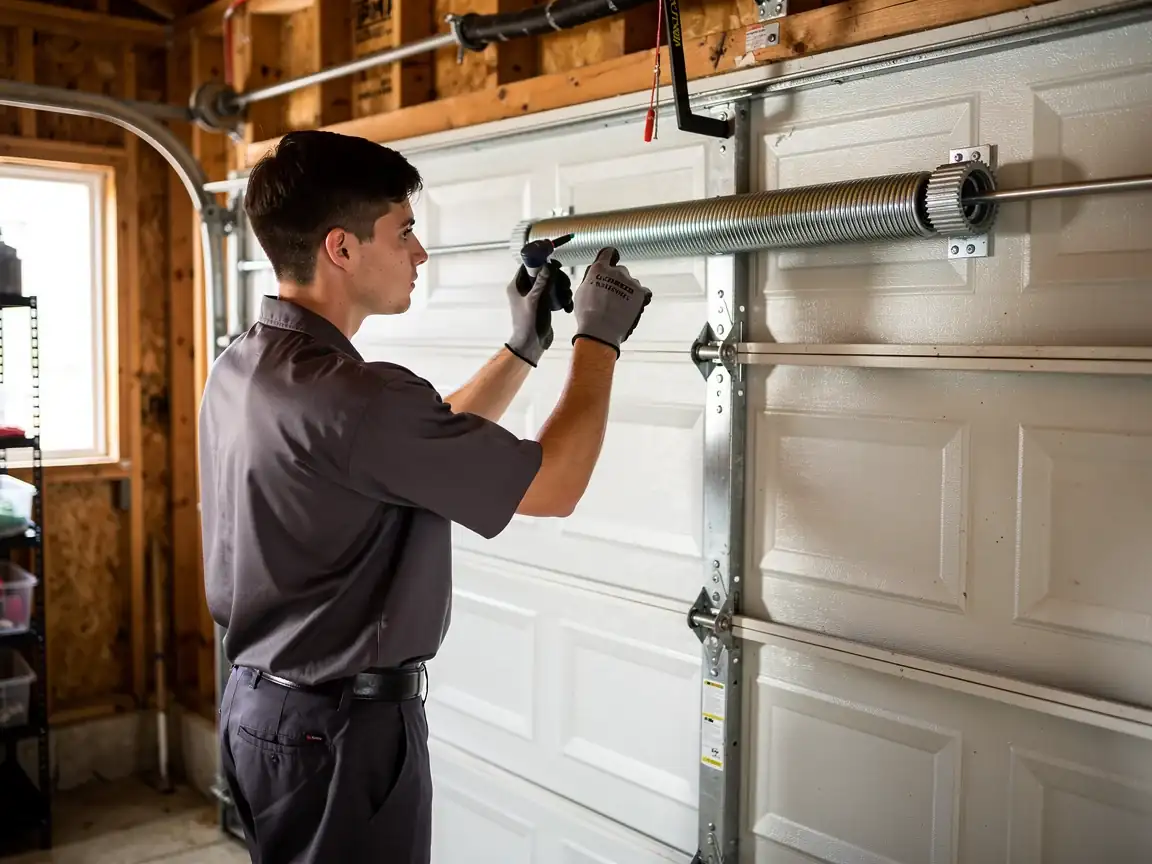
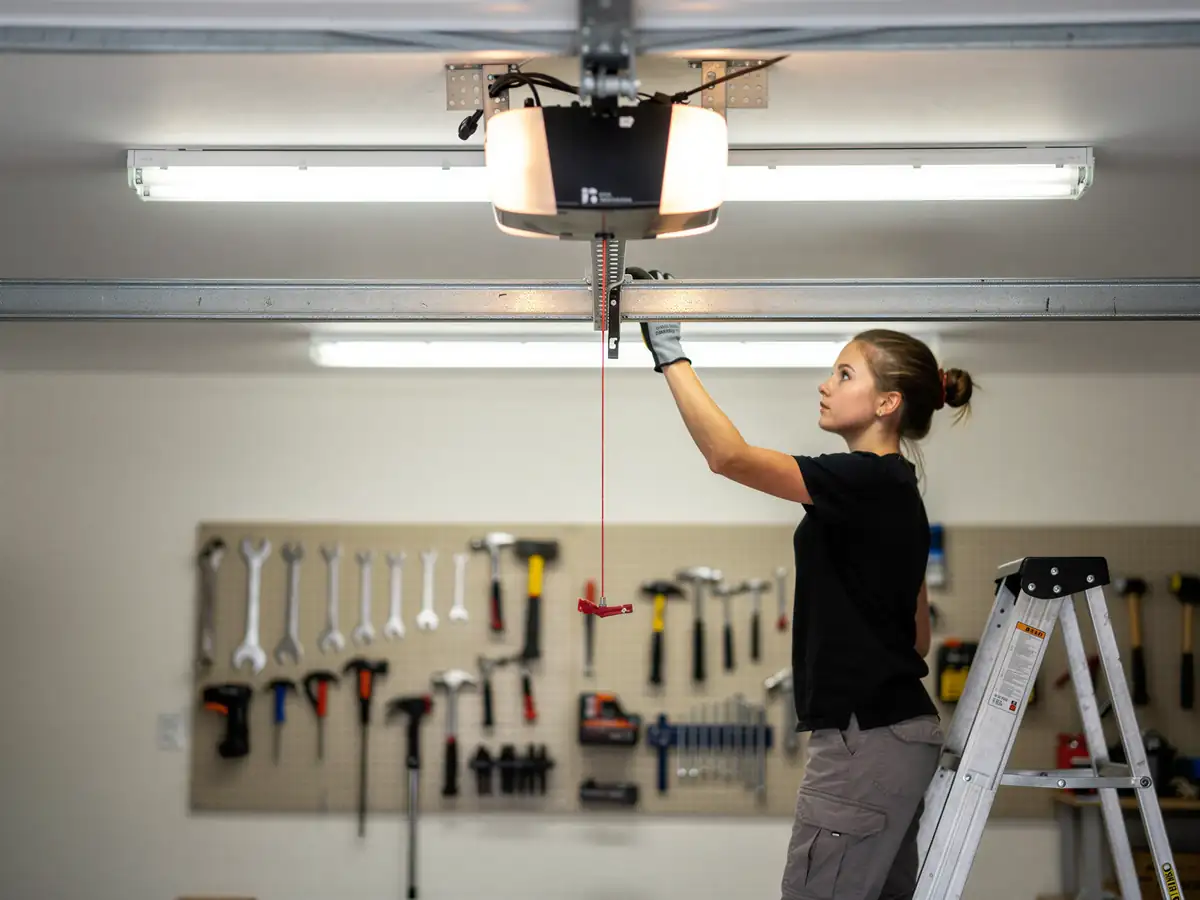
You can also do a basic balance test: disconnect the opener, lift the door halfway by hand, and let go. A properly balanced door should hold in place. If it drops or shoots up, the spring tension is off, and that's where the DIY line ends. Torsion springs are under enough stored force to cause a serious injury if the winding cone slips, and that's not a job for a ladder and a wrench on a Saturday.
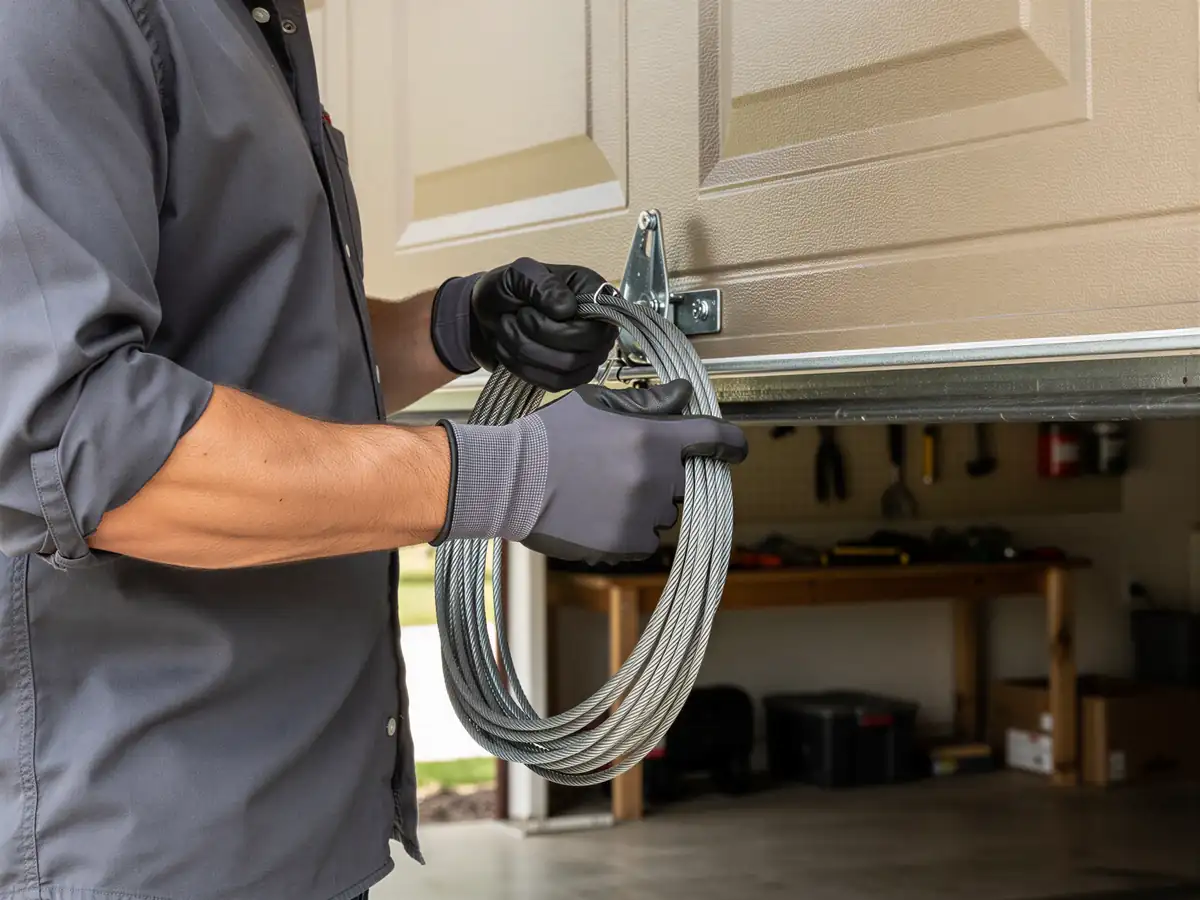
The honest limit here: lubrication, visual inspection, and sensor checks are fine to do yourself. Spring adjustment, cable replacement, and anything involving the torsion bar isn't. If your door fails the balance test, that's the point to call rather than push through it.