When Waiting Is Fine
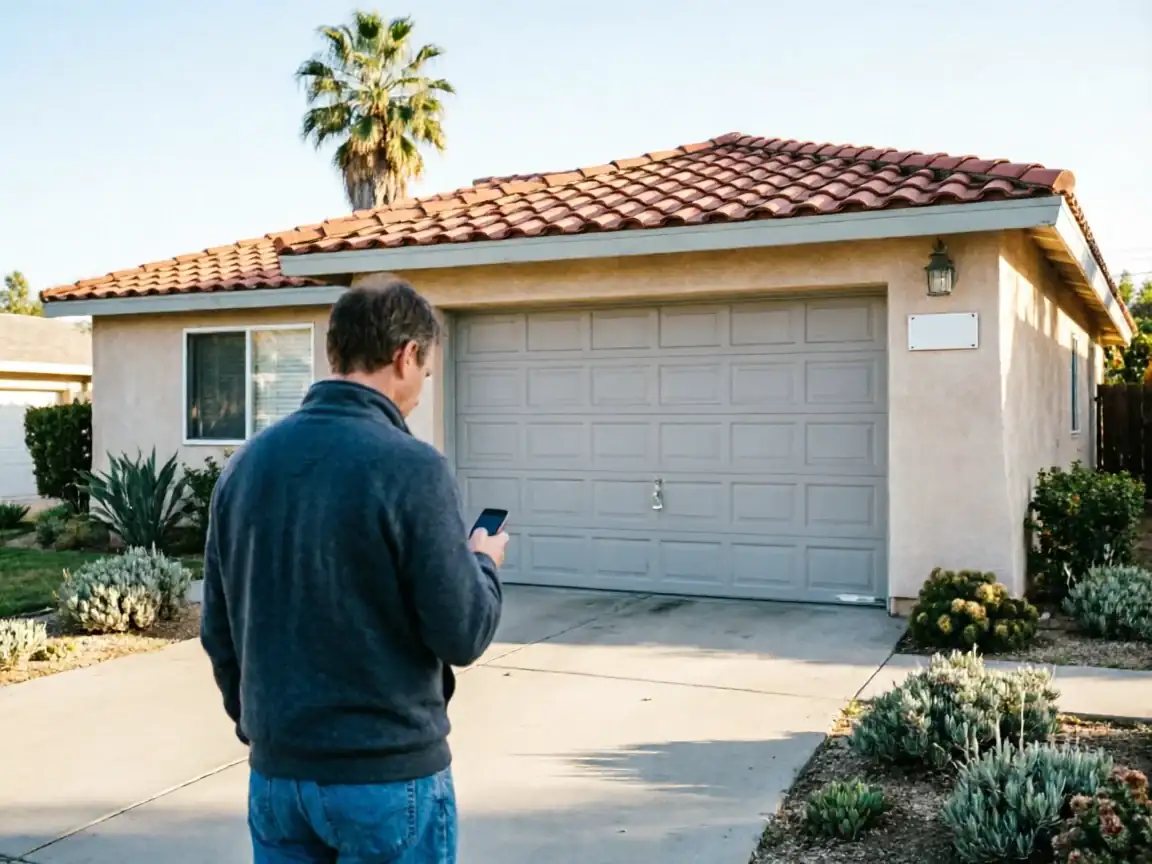
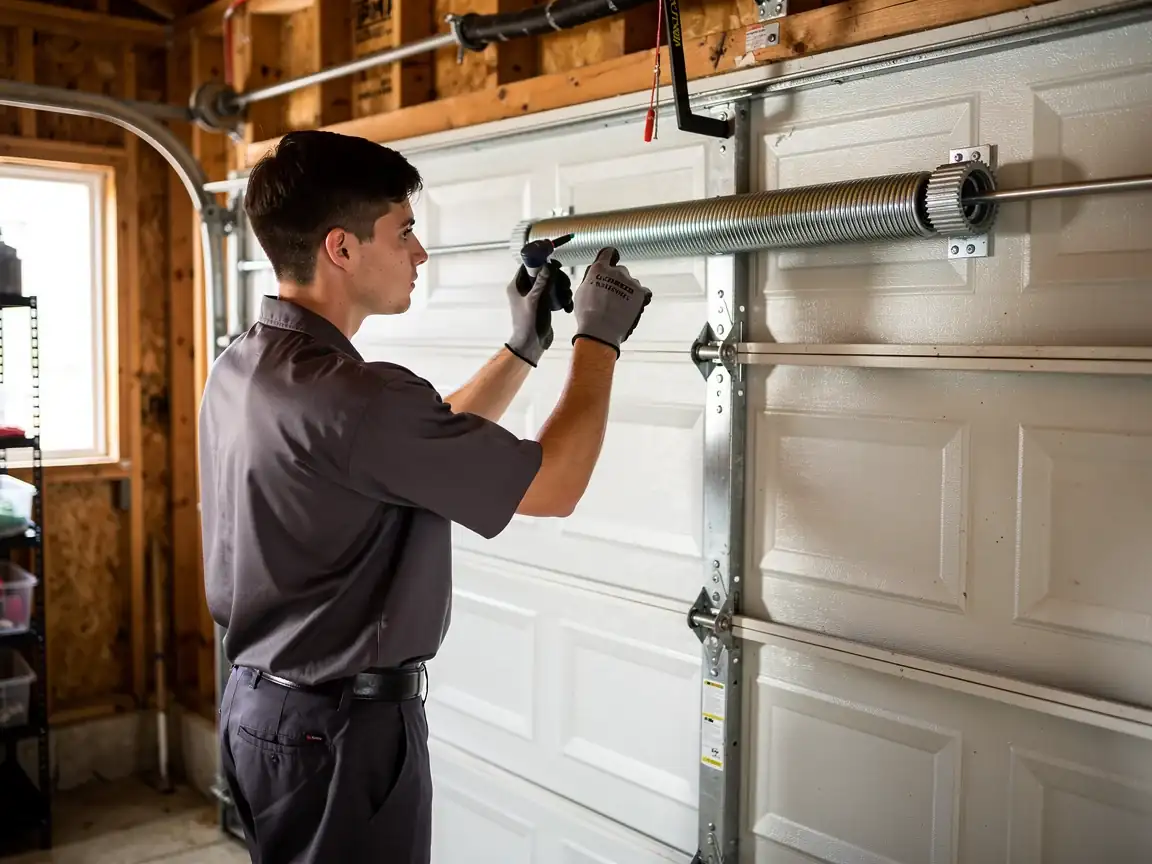
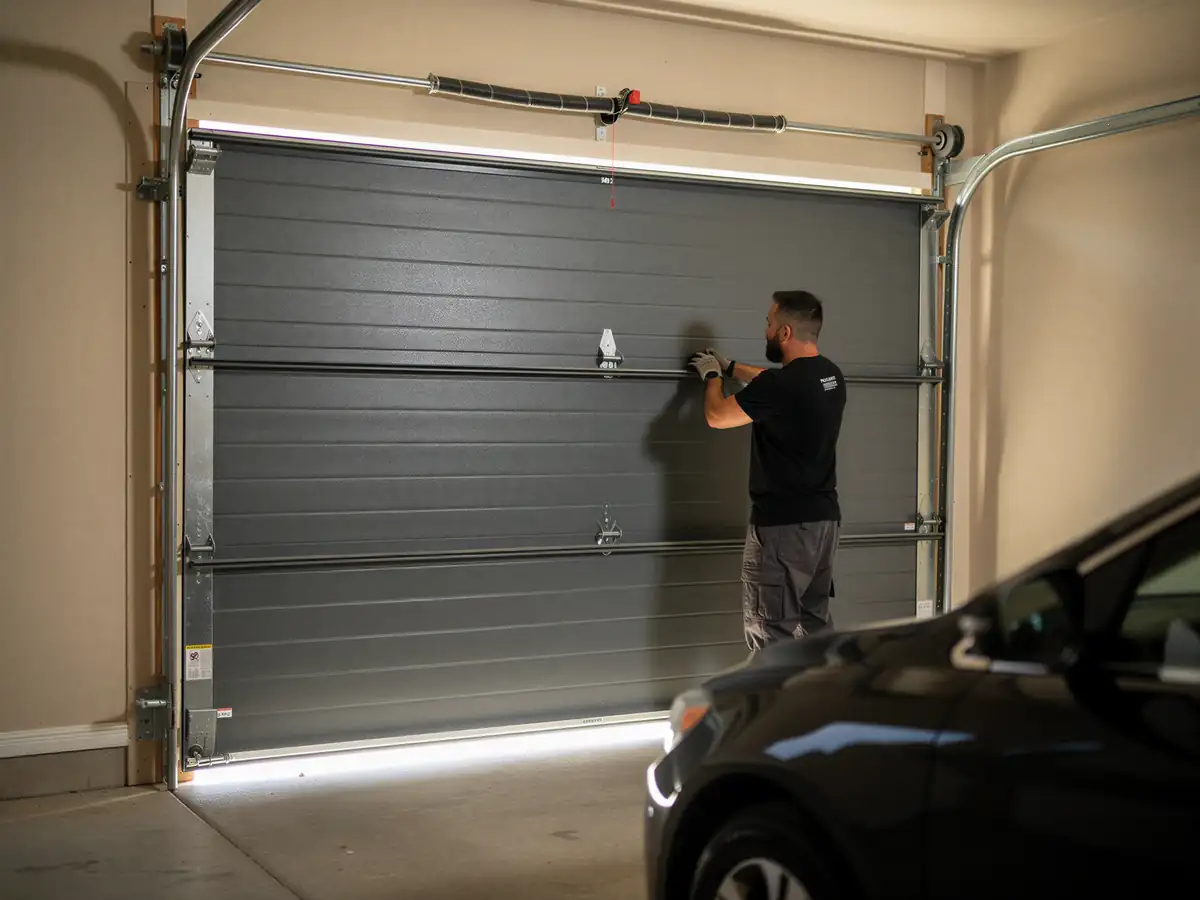
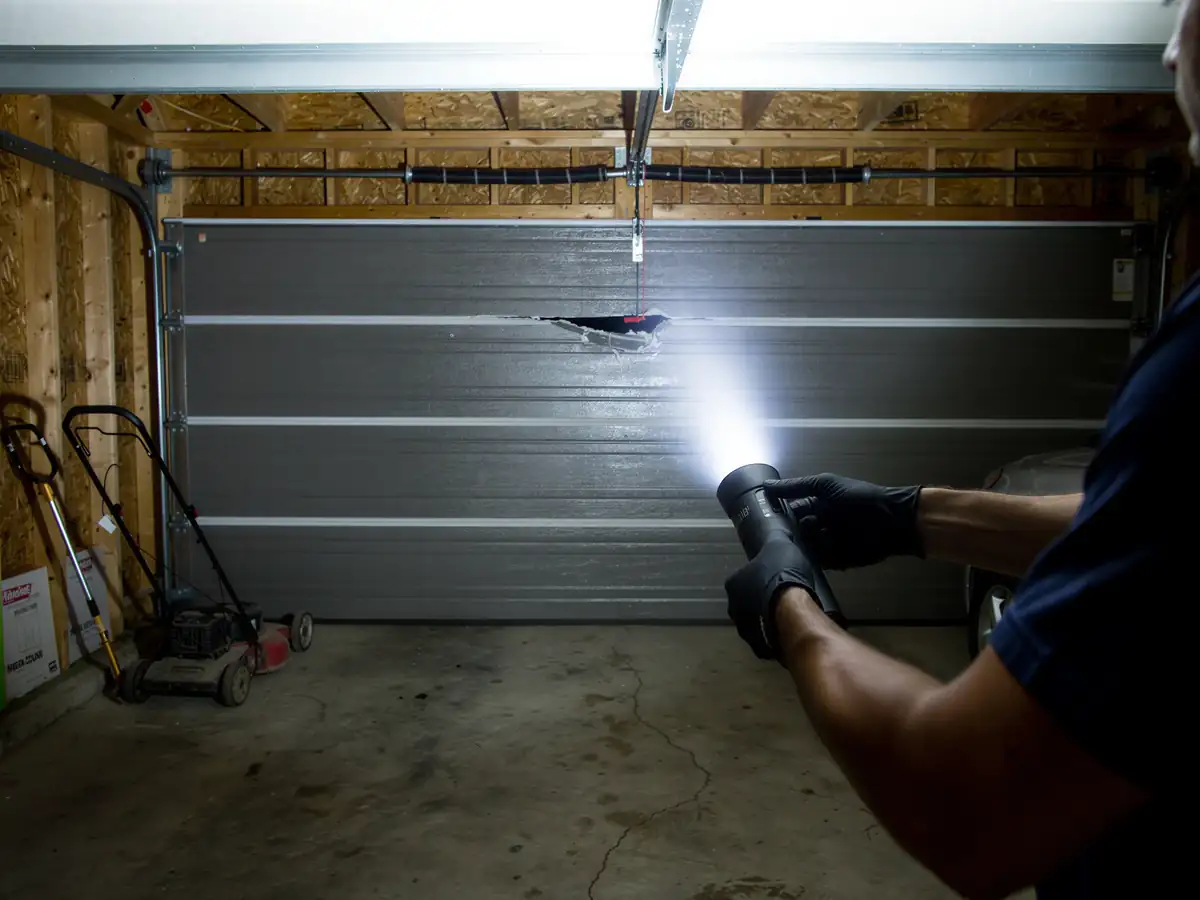
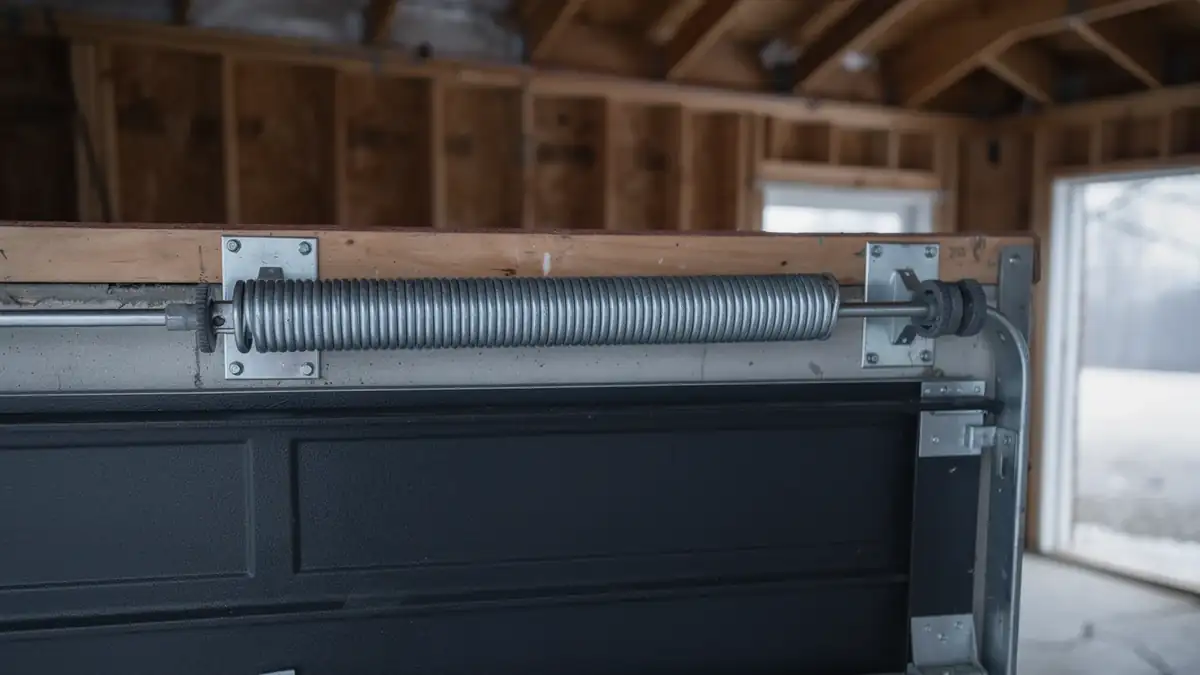
Not every spring noise means you're stuck. If the door still opens and closes smooth and you just heard a tick or saw a little gap open up in one coil, you can usually wait a day or two and call during business hours instead of paying an emergency rate. A spring that's cracked but not snapped will often hold a little longer - not forever, but long enough to get on the schedule normally. Where you can't wait: if the spring has already separated, the door is heavy to lift by hand, or the cable has jumped the drum. At that point the door is one lift away from dropping, and with houses in this area built mostly between 1974 and 2009, a lot of them still running the original torsion hardware from whenever the house went up, that drop can be a full-weight slam. If you've got a double garage door and two torsion springs, and only one has gone, the other one is now carrying the whole load alone and working harder than it was built to. That's not a wait-it-out situation. Know the difference between a spring that's complaining and one that's already failed, and you'll spend less money and take less risk either way.
What the Weather Here Does to It
This area sits in a severe heat climate band, and that matters more to a torsion spring than people assume. A garage that bakes all summer puts the spring through constant expansion and contraction - the steel heats up, loosens slightly, cools at night, tightens back. Do that for a few thousand cycles across a long hot season and you get metal fatigue, the same thing that eventually cracks a paperclip you bend back and forth. The spring that comes through August fine isn't fine - it's just not broken yet. Then a cooler morning hits, the steel contracts tighter than it has in months, and that's the stress that finishes the job. It's not the cold doing the damage. It's the cold being the last straw after a severe heat season already did the damage. That's why spring failures in this area cluster at the start of the cooler stretch rather than mid-summer, even though summer is what wore the spring out. If your door's been here through a full hot season already, treat the first cold snap as a test it might not pass.
What Most People Get Wrong
The most common mistake is assuming the spring failed because of the cold morning itself, so people wait for the next warm spell thinking the problem will go away. It won't - the spring is fatigued from the heat cycling, and the cold just exposed it. The second mistake is replacing one spring on a double door and leaving the matching one in place because it "looks fine." If both springs went through the same summer in the same garage, they're the same age and took the same fatigue - replacing them as a pair is standard practice, not an upsell. One honest limitation: if your opener and tracks are also original to a house built in the 1970s or early 80s, a spring swap alone may not fix a door that's also binding on worn rollers or a sagging track - sometimes the spring is the symptom, not the whole story, and it's worth saying so before you pay for a repeat visit.