What We Do Not Do
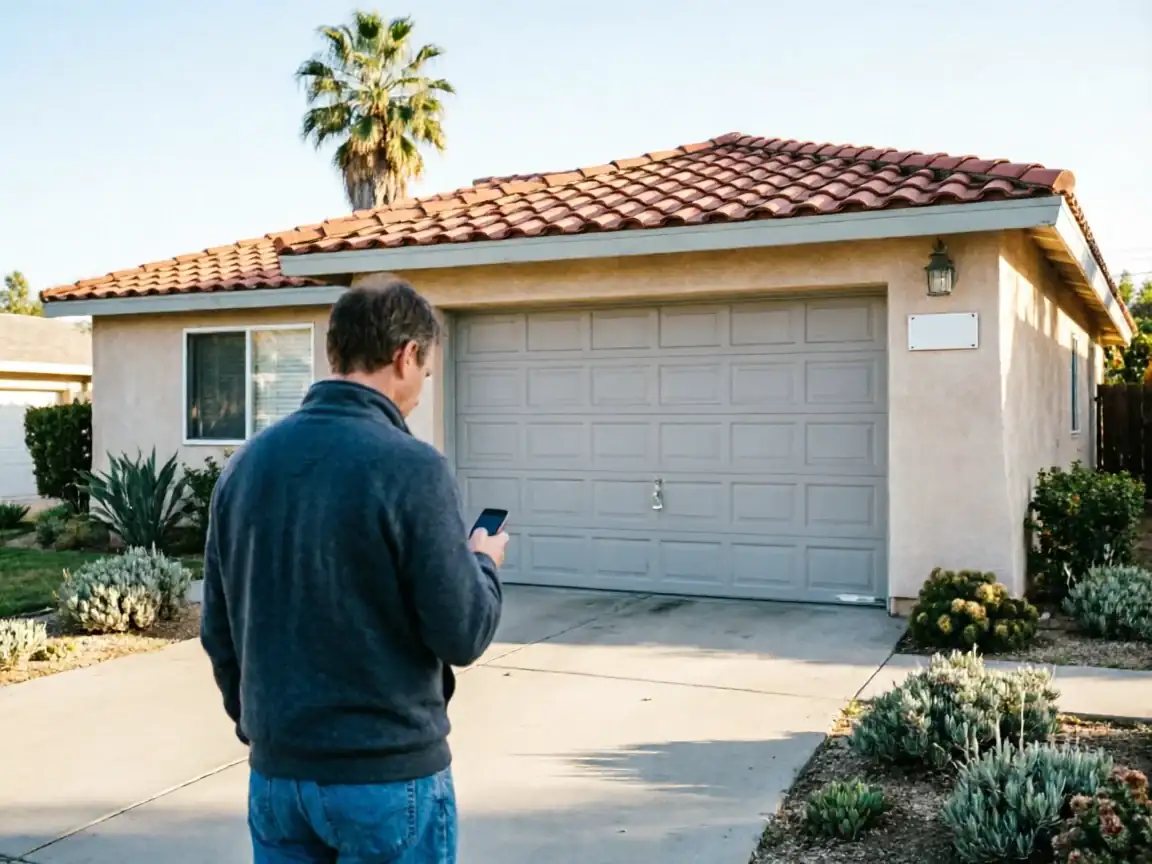
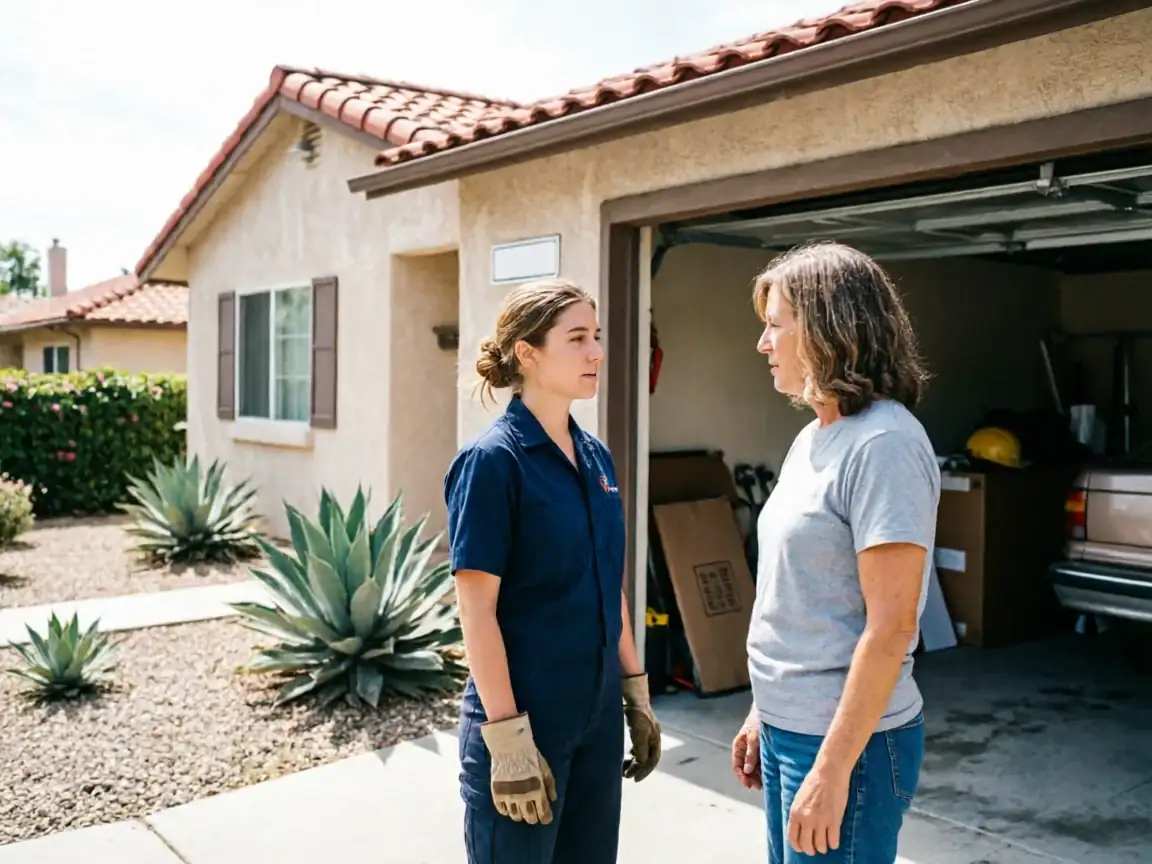
We don't keep a crew or a truck stationed in Winchester. We run out of Menifee, about 6 miles up the road, and we're upfront about that because it matters for scheduling - we're not a storefront on your street, we're a call that gets a truck moving toward you. We also don't do same-day miracle promises we can't back up, and we don't sell you a new opener when a $40 sensor realignment fixes the problem. If your door is original to a 1988 build and the track is bent beyond what a reset can fix, we'll say so rather than patch it and send you a bill for a callback in six months. And we don't stock every obscure spring size on the truck - some older or oddball hardware means a short wait on a part, and we'd rather tell you that up front than guess wrong on-site.
What That Means for Doors
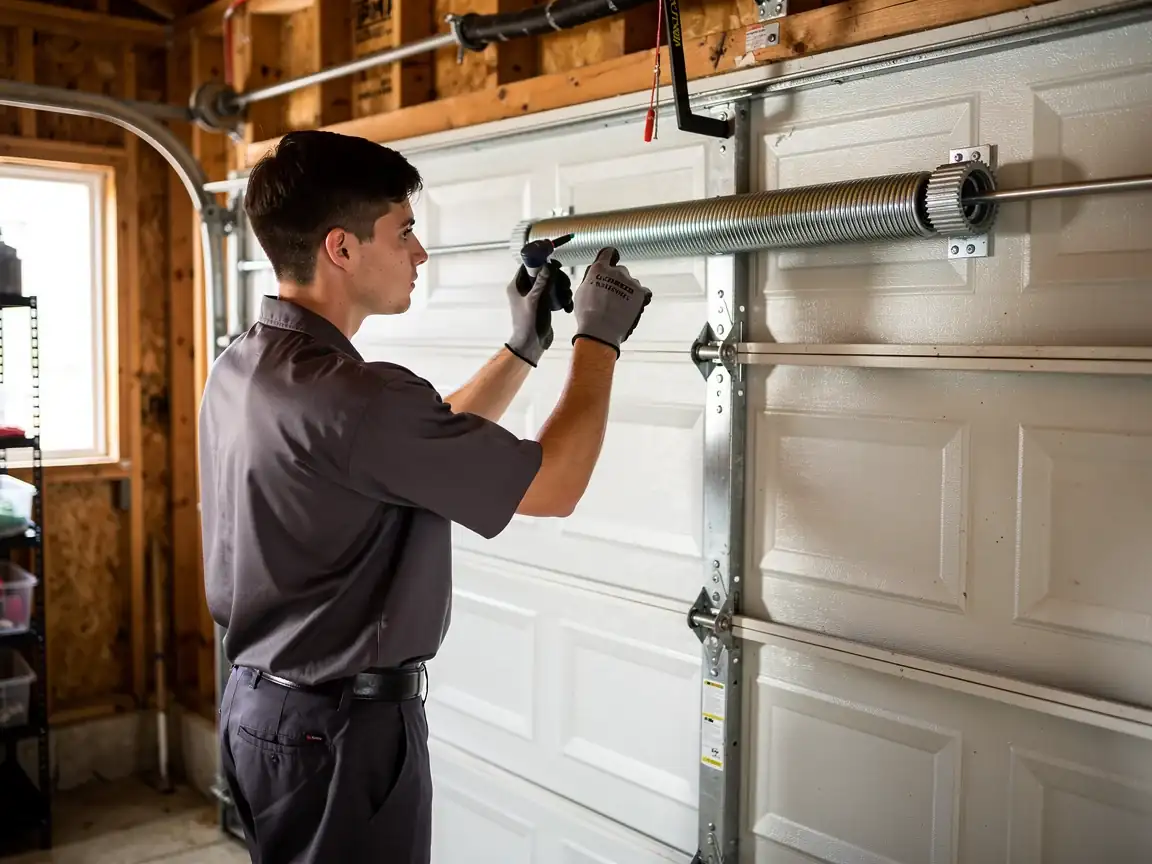
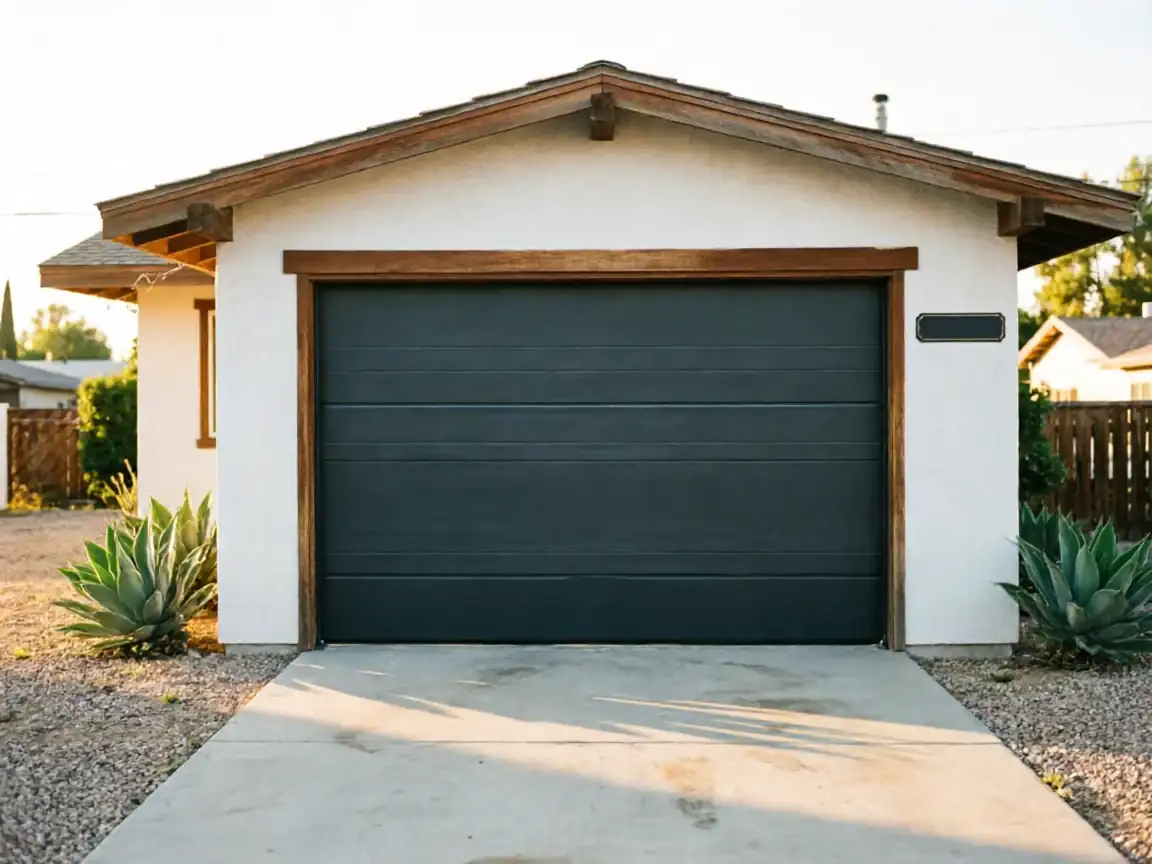
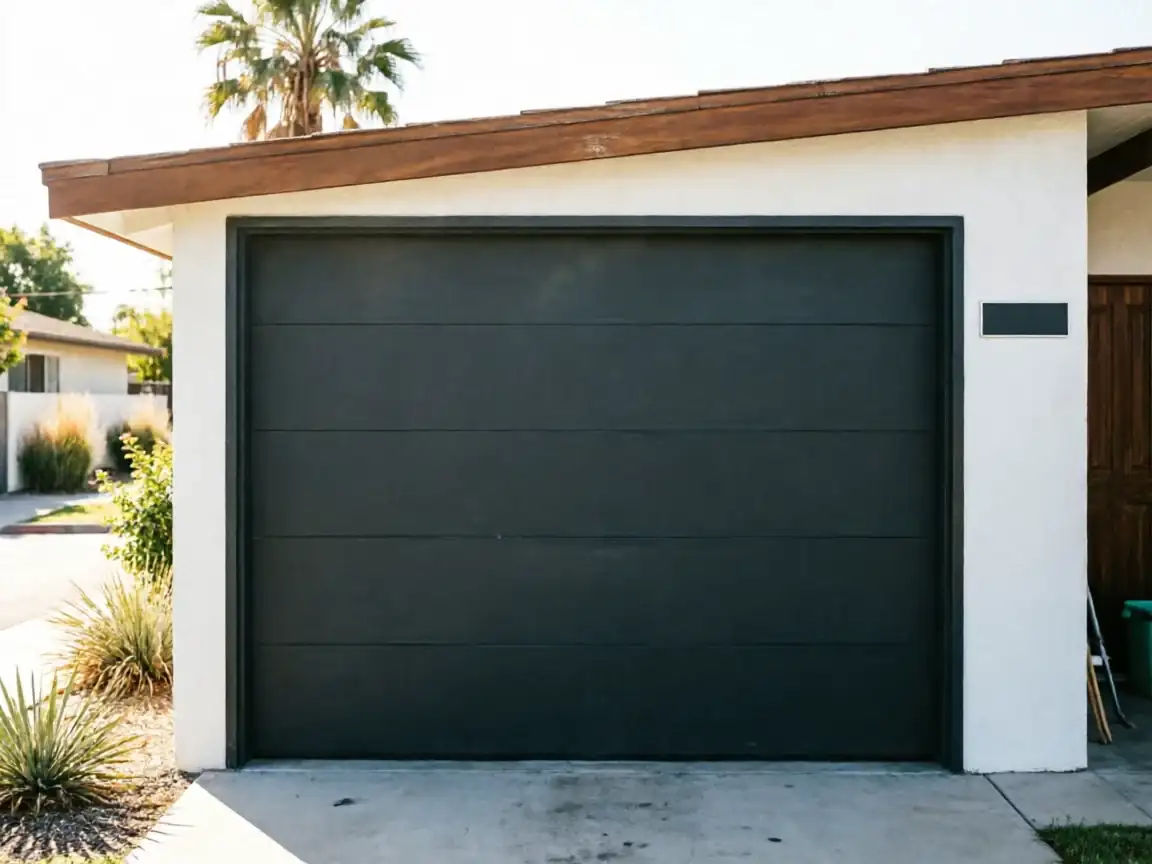
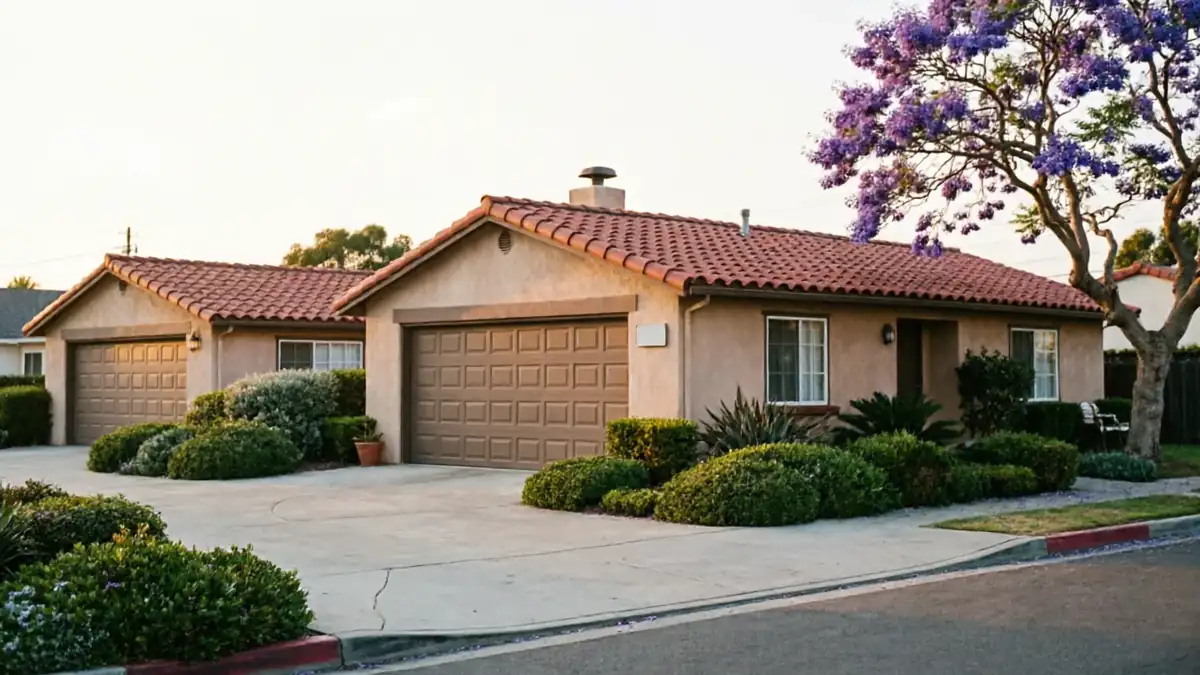
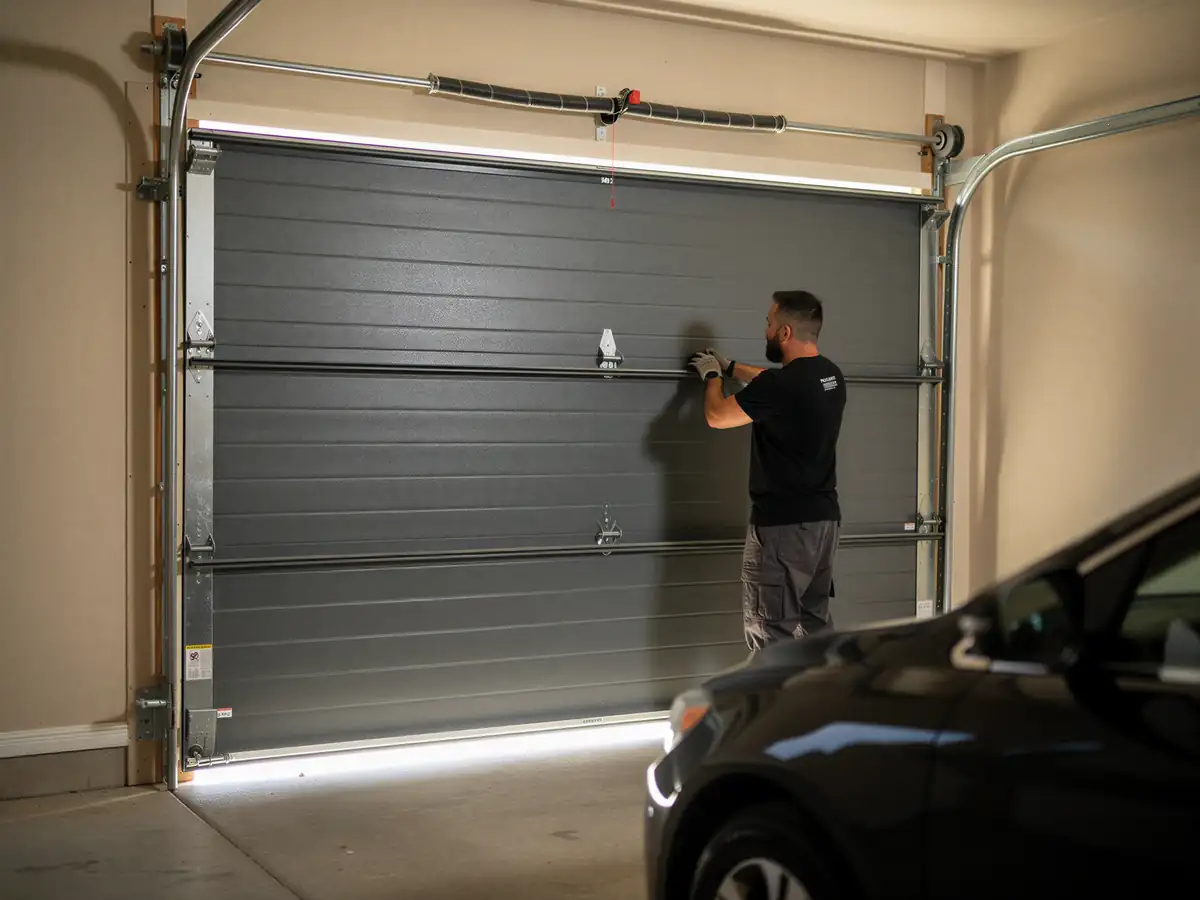
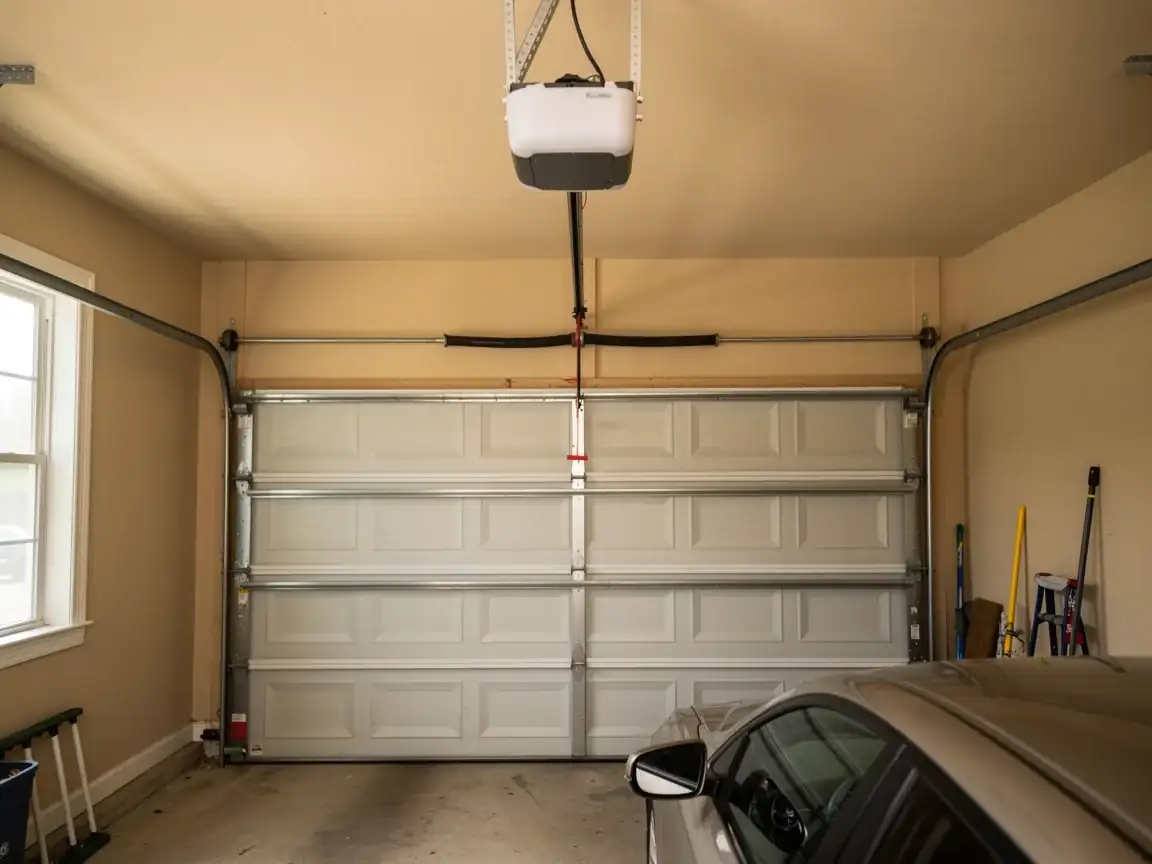
A door built around a 1988 install date is old enough that its spring is almost certainly not original - torsion springs in this climate band typically fatigue well before the 30-year mark - but young enough that parts are usually still out there, unlike pre-1974 one-piece doors. What we see most from this era: torsion springs that have gone slack or snapped from age-cycle fatigue, galvanized tracks that have loosened at the jamb brackets over three decades of thermal expansion, and rollers original to the house that have worn their bearings out from the HEAT severe conditions typical of this part of the service area. Summer heat doesn't just fade paint - it expands and contracts steel track and hardware brackets daily, and after enough years that stresses the fasteners and throws the door out of plumb. Homes with the original builder-grade opener from that period usually need the opener replaced outright rather than repaired; parts for those circuit boards stopped being made a long time ago.
The Usual Work Here
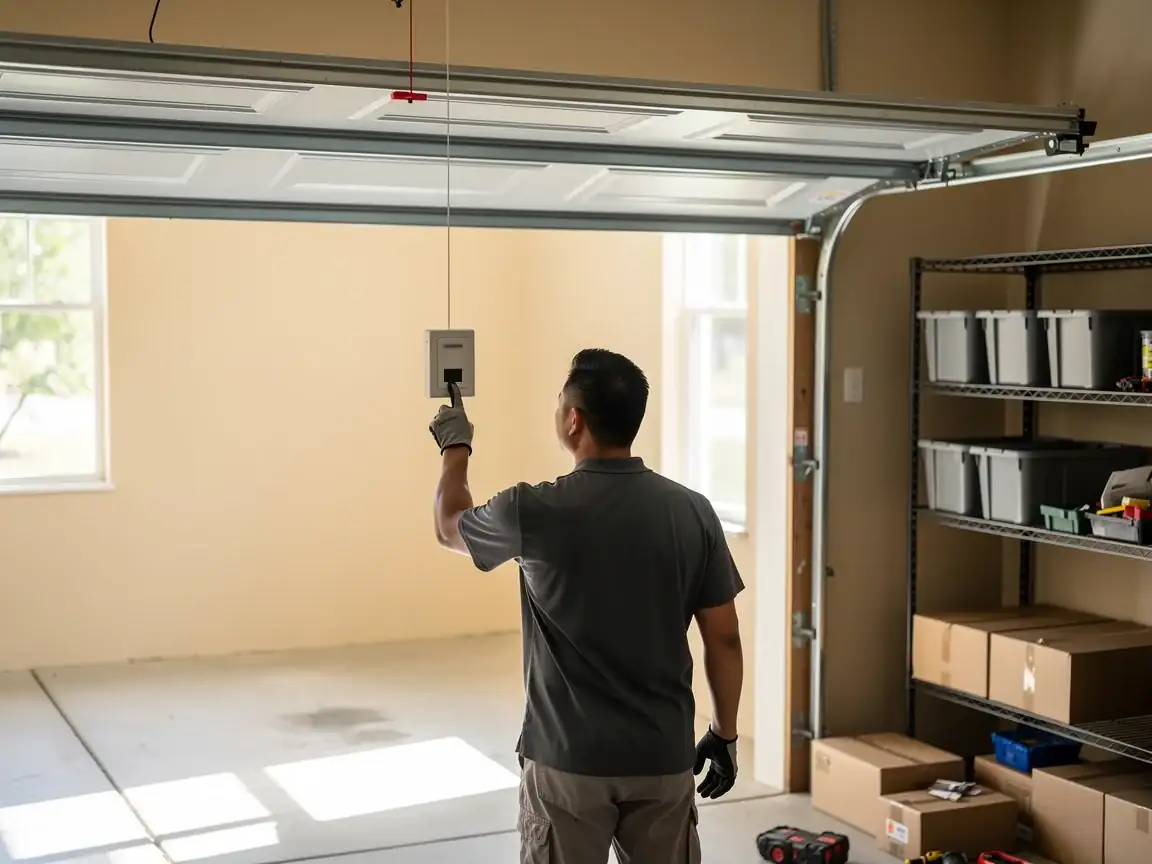
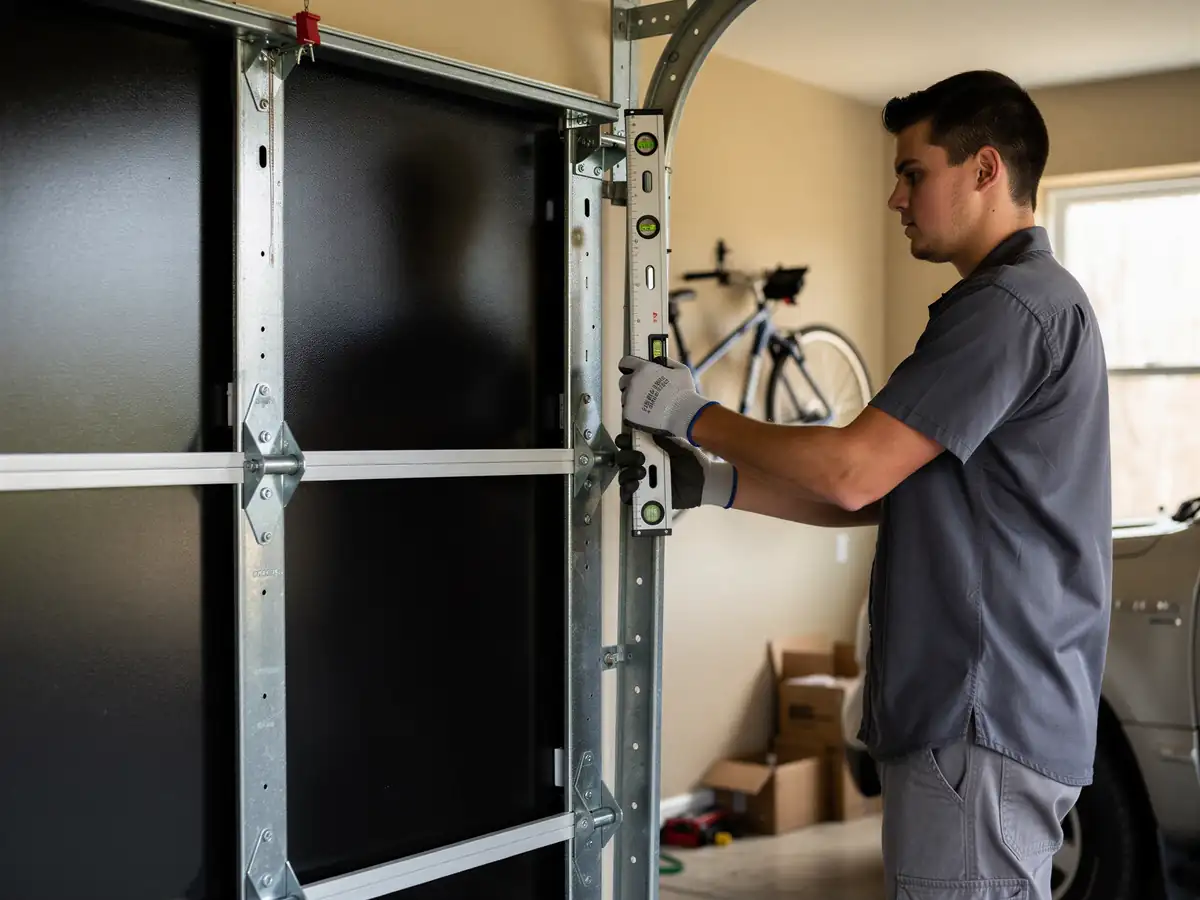
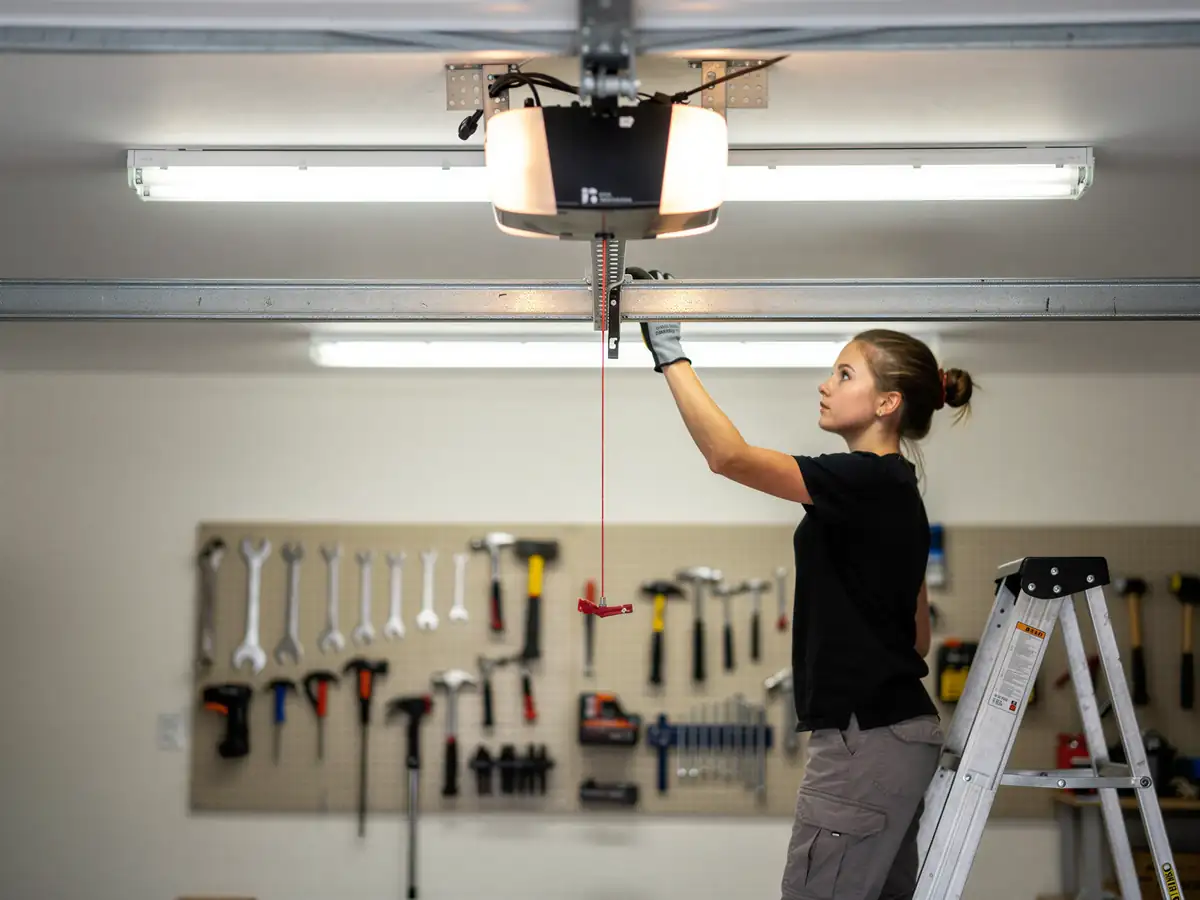
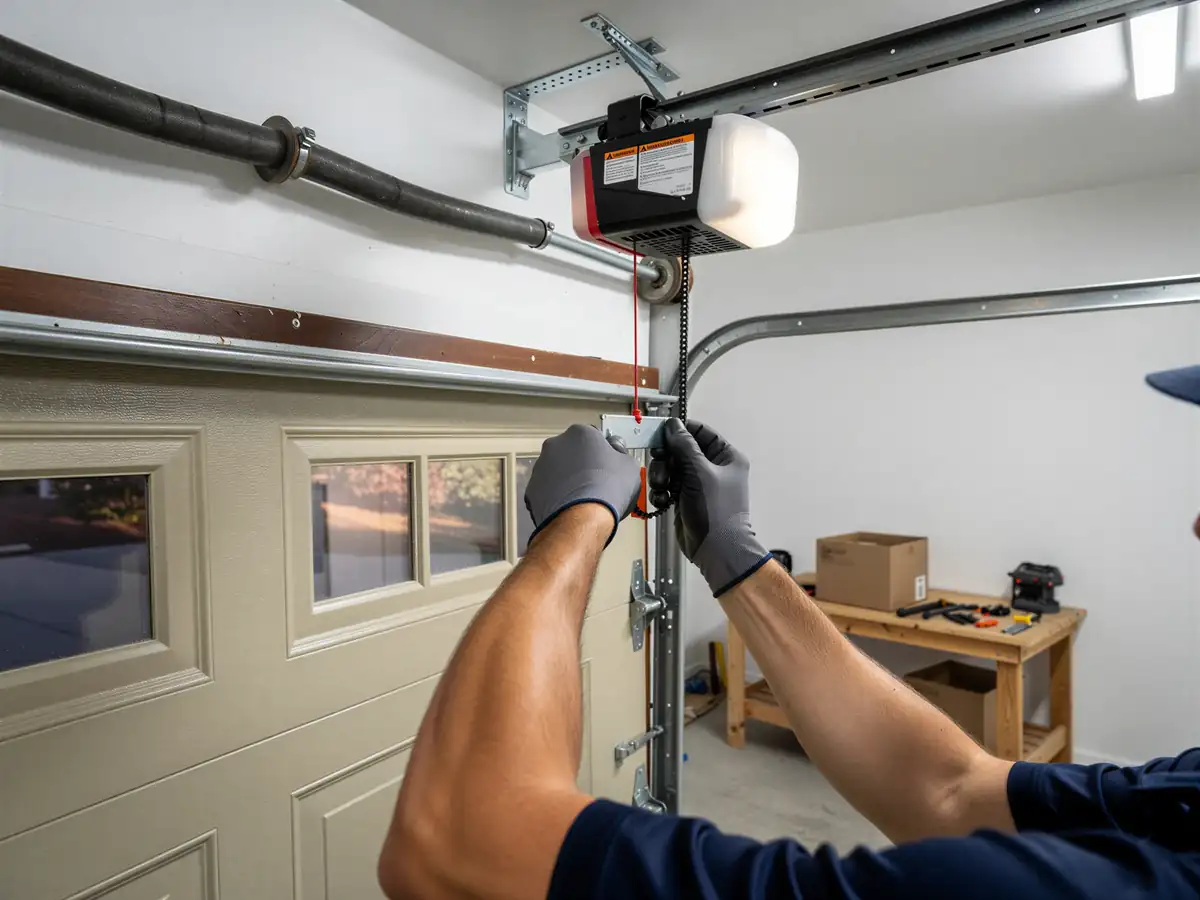
On Winchester calls, torsion spring replacement is the most common job by a wide margin - the math on a 1988 install means most of these doors are on their second or third spring cycle. Roller and bearing swaps come right behind that, especially on doors that get daily use. We also see a fair number of opener replacements rather than repairs, since units from that build era are past serviceable life and the cost of hunting down discontinued parts usually exceeds a new opener. Track realignment after a bent panel or an off-track incident is common too. With median household income here at $75,353, most owners we talk to want the repair that actually lasts rather than the cheapest patch - which usually means replacing the spring in pairs on a double door rather than just the one that broke, since the other is on the same clock.