When Waiting Is Fine
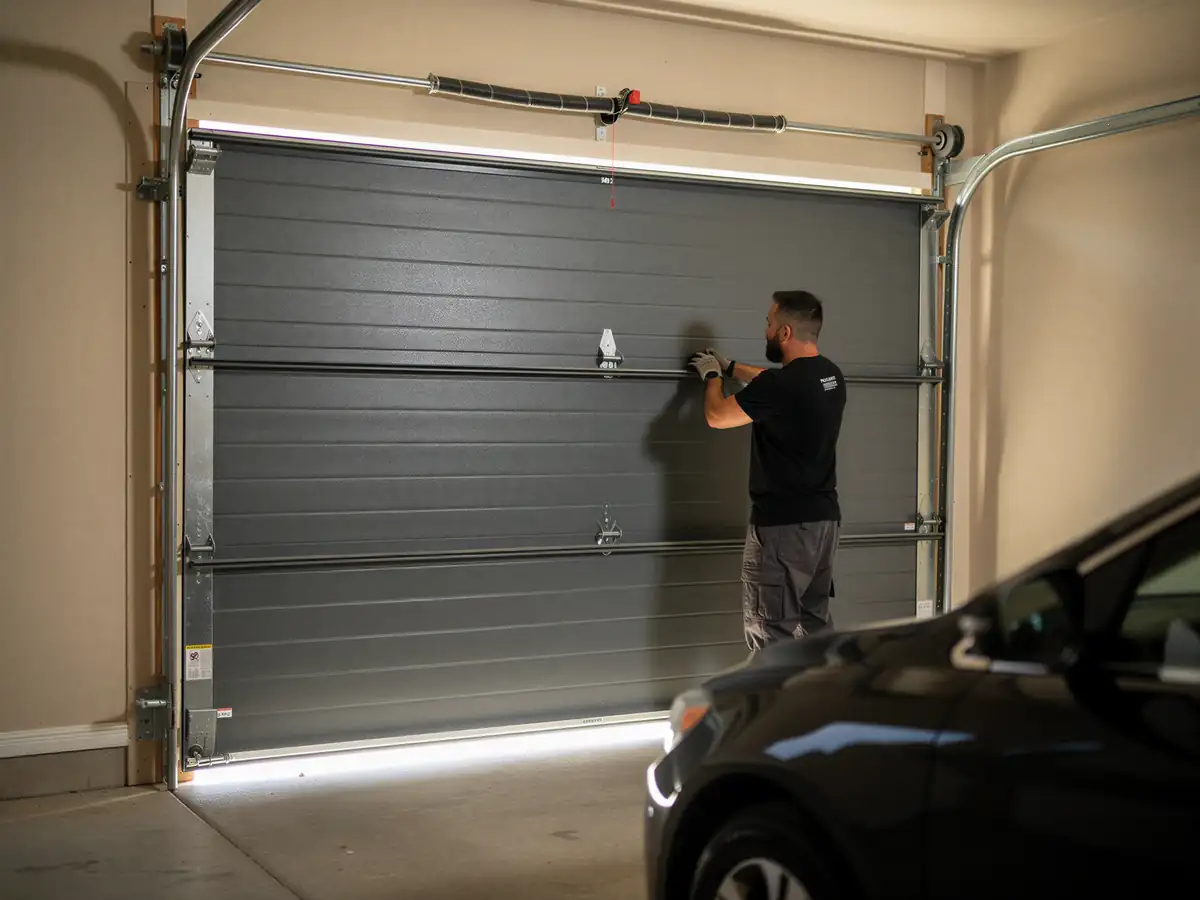
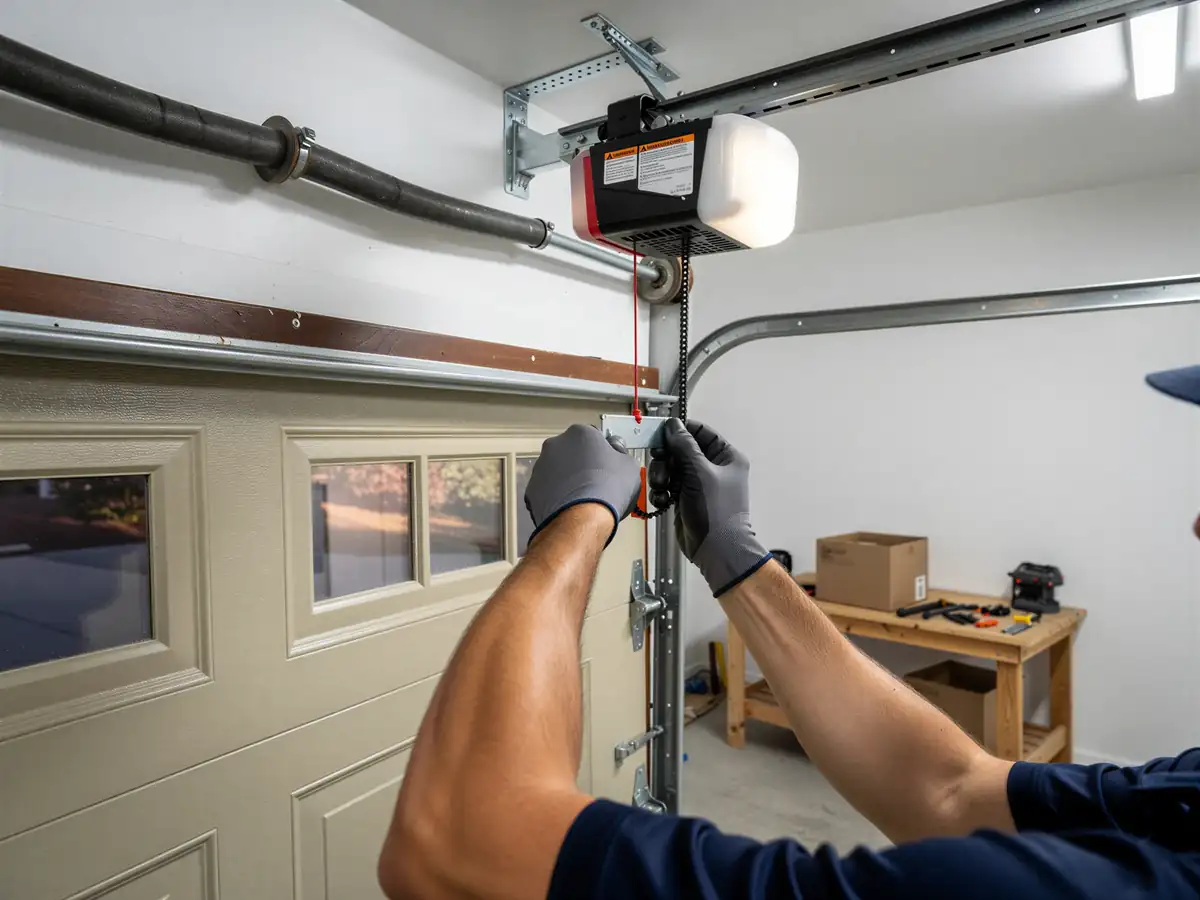
Not every squeak is an emergency. A lot of the housing stock around Menifee went up between 1974 and 2009, with the median build year landing around 1984. Doors from that era, especially the ones still running original hardware, develop a dry-roller chirp that shows up on the first cold morning of the season or the first really hot stretch. If the door opens and closes smooth and level, and the sound is a steady squeak rather than a bang or a grind, you can usually get a can of the right lubricant on the rollers and hinges and call it done for a few months. Waiting is also fine if the noise only happens once, like a single pop when the door first moves. That's often just the torsion spring settling, not failing. What's not fine is a noise that's new, loud, and tied to a specific point in the door's travel every single time - that's a part telling you exactly where to look, and ignoring it just means a bigger bill later. The honest answer is most noise complaints we get are maintenance, not repair, especially on houses from the 1980s and 90s stock that make up most of this area.
What the Weather Here Does to It
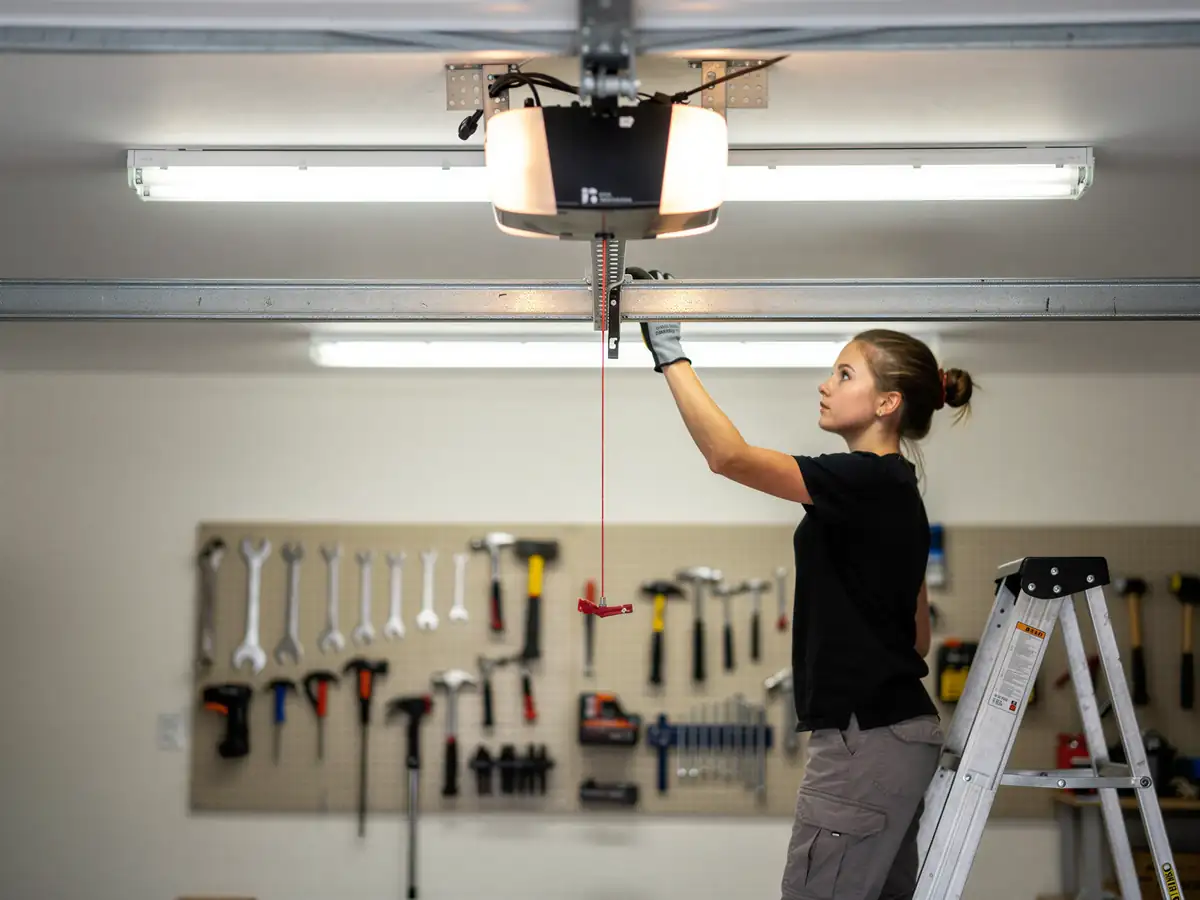
This area sits in a severe heat climate band, and that heat does specific things to a garage door system that cold-climate advice won't cover. Steel sections expand under direct sun exposure on south and west-facing garages, which can turn a slightly misaligned track into an audible scrape that wasn't there in the cooler months. Nylon rollers and plastic idler bearings, common on doors installed from the 1990s on, soften slightly in sustained high heat and can start making a flatter, duller thump as they roll over worn spots in the track. Lubricant also behaves differently - a grease that was fine in spring can thin out and fling off under summer heat load, leaving metal-on-metal contact and a grinding sound that wasn't there two months earlier. Garage door openers with older logic boards can also behave erratically after a day of sustained attic-level heat, sometimes making a click-and-stall noise before the motor cools down enough to run again. If your noise got worse specifically as the temperature climbed, that's not coincidence - it's the heat exposing a weak point that was already there.
What Most People Get Wrong
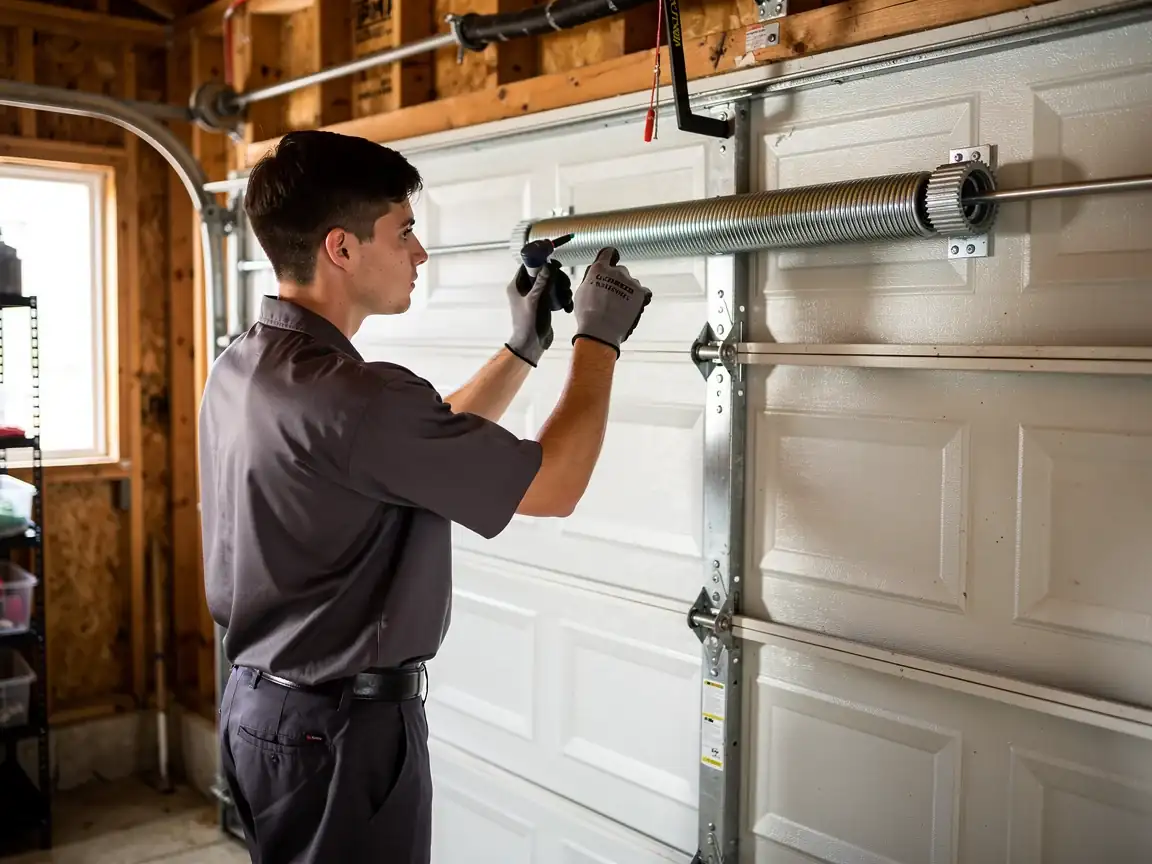
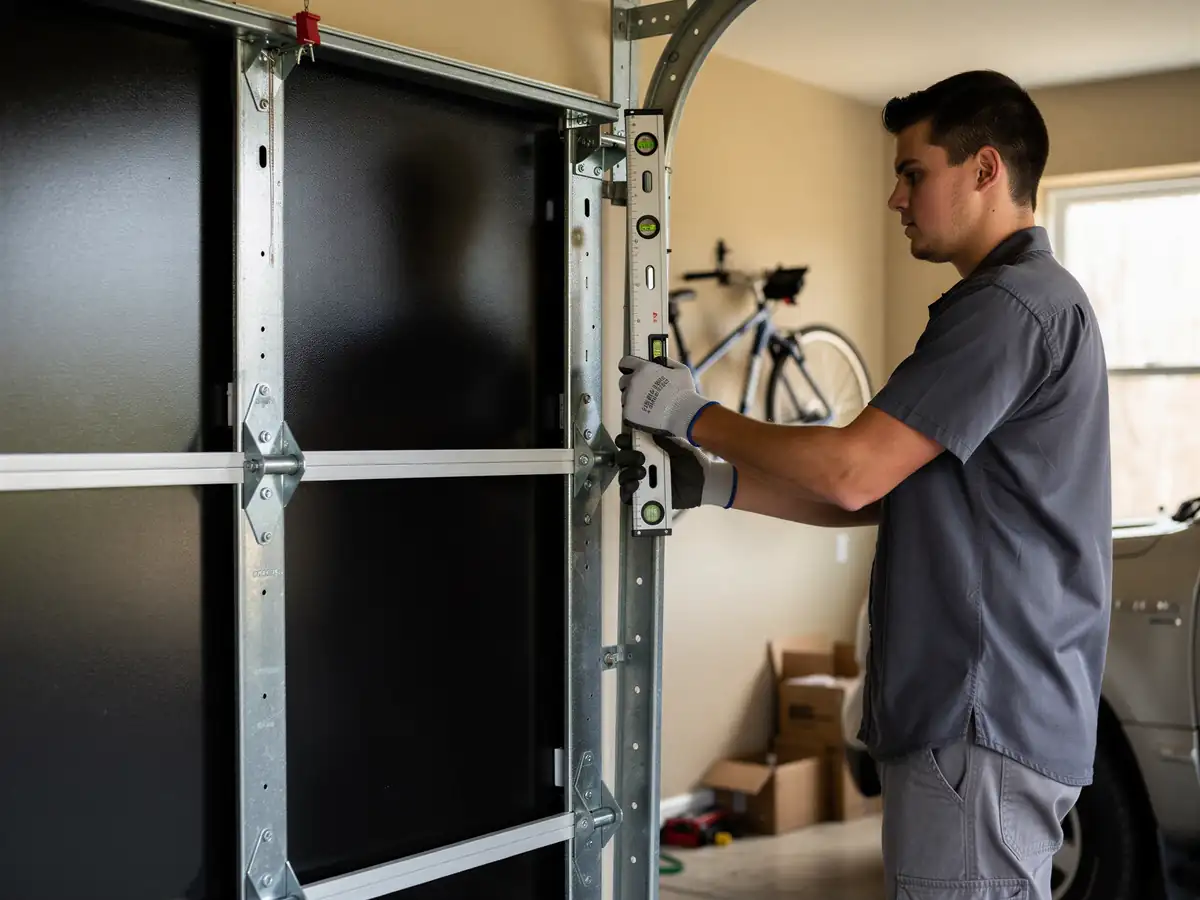
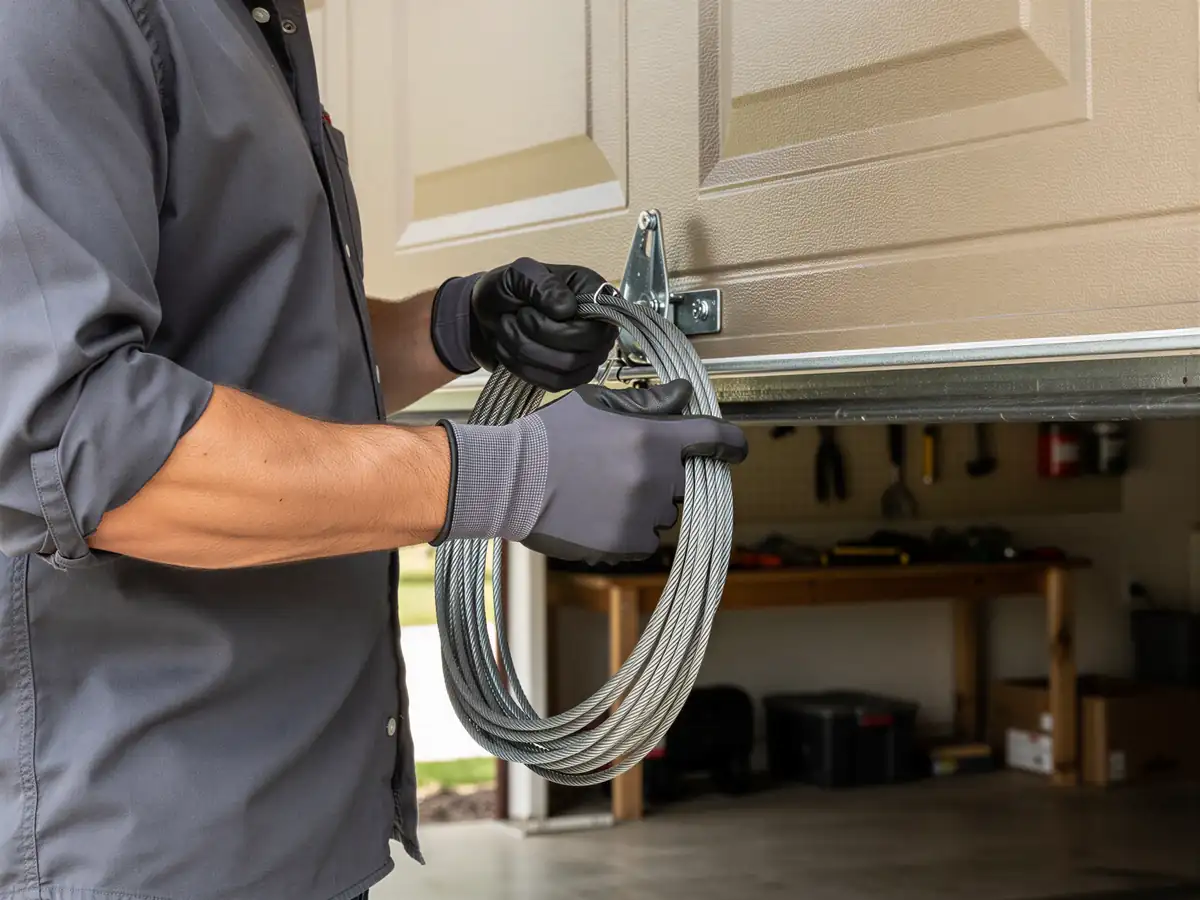
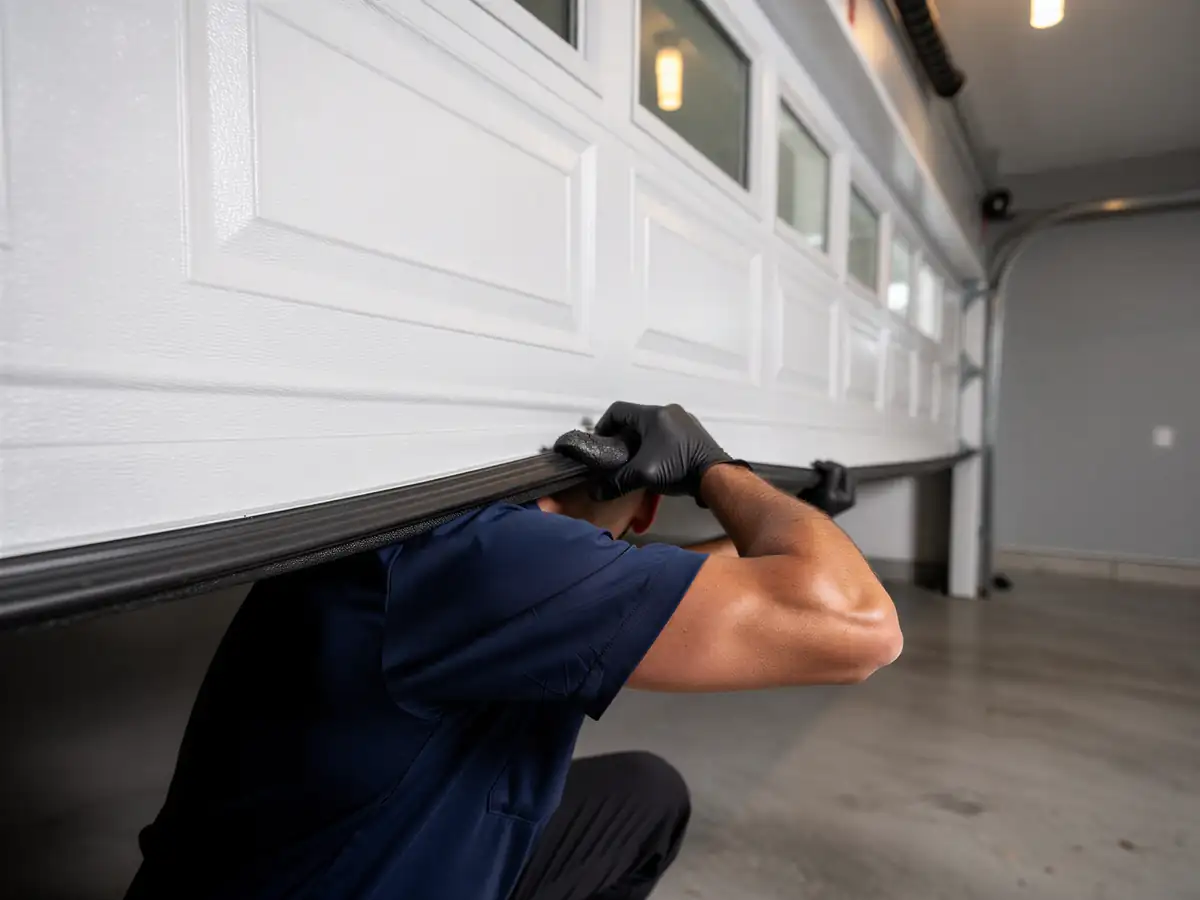
The most common mistake is assuming all grinding means the spring, when on a lot of the mid-80s-to-2000s stock around here it's actually a worn bottom roller that's been riding in a bent section of track for months. The two sounds are close enough that people spray lubricant on the spring, get no improvement, and conclude the whole system needs replacing. The second mistake is ignoring a noise because the door still opens - a door can run for weeks after a cable starts fraying or a hinge starts cracking, right up until it doesn't. We'll say plainly: not every noisy door needs a service call. If it's a dry squeak and the door tracks straight, a homeowner can often fix that themselves. Where we draw the line is anything involving the torsion spring itself - that part is under enough tension to cause real injury, and it's not a DIY job regardless of how simple the fix looks. If you're not sure which kind of noise you've got, that's the actual question worth a phone call, not a guess based on a video.