When Waiting Is Fine
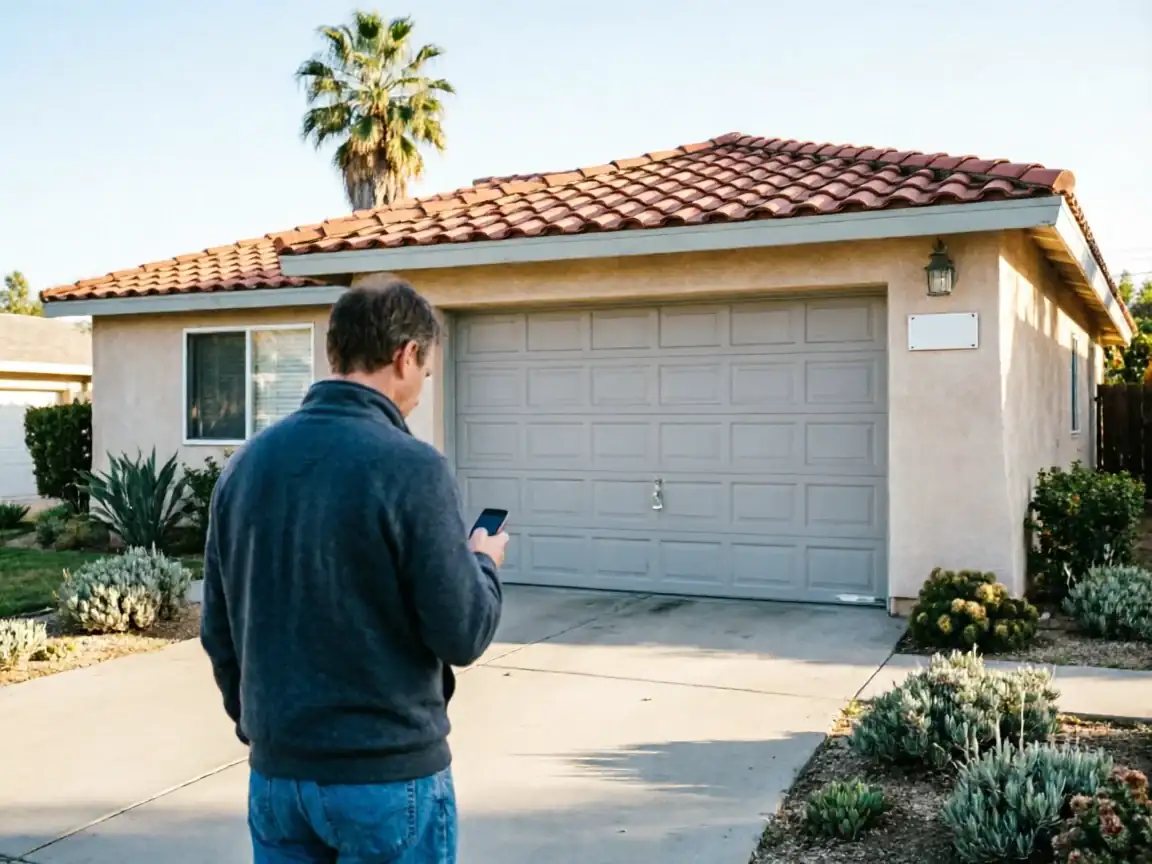
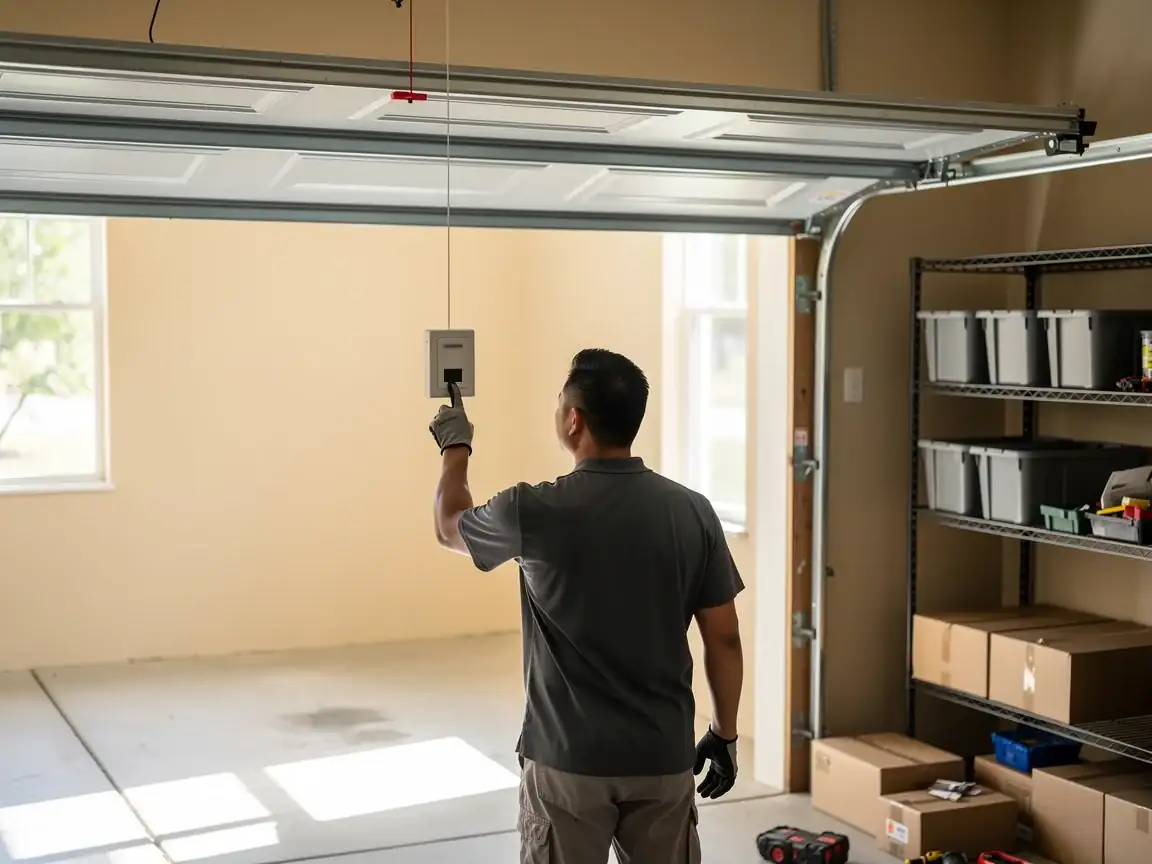
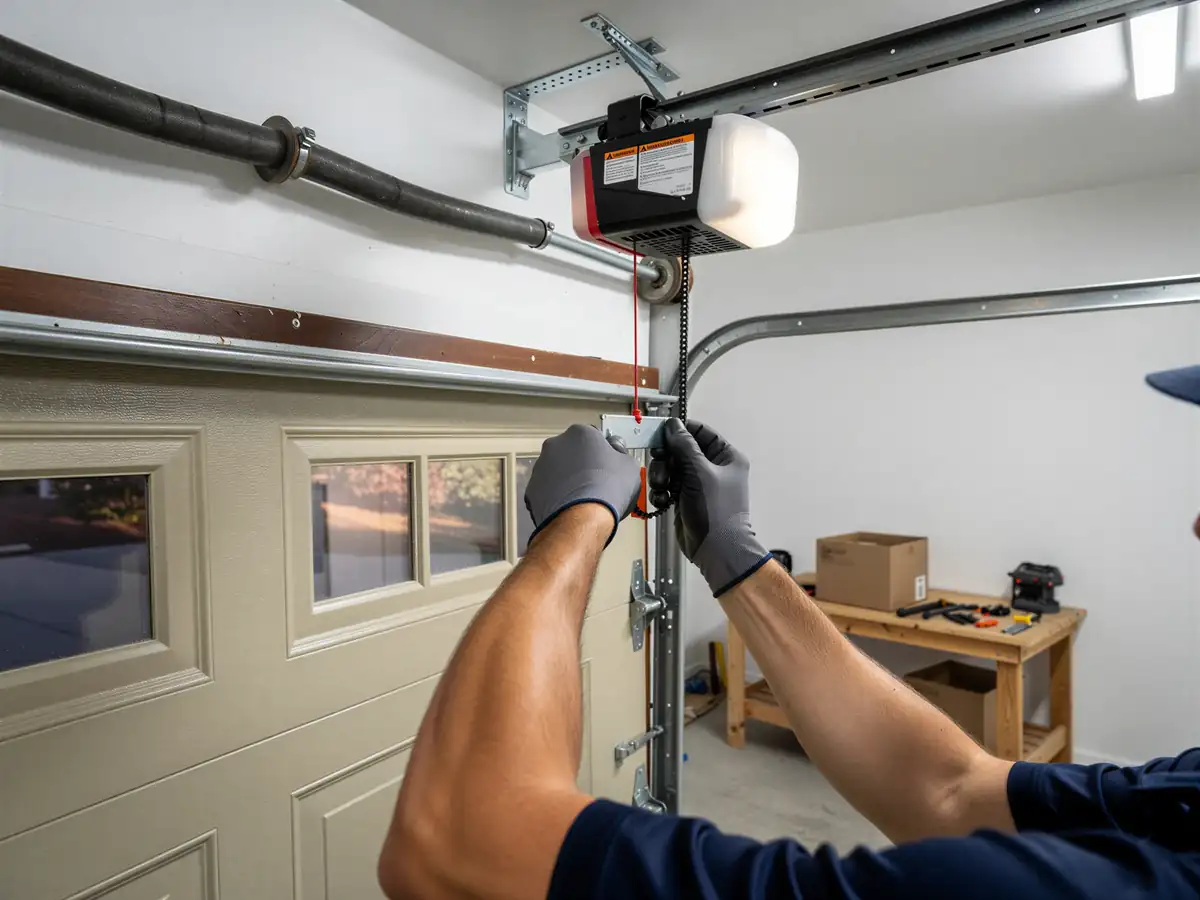
Not every noise is an emergency. If your door still opens and closes on command and the sound is a dull thump rather than a grinding or snapping one, you can usually wait a week or two to get on the schedule. Most houses in Menifee and the 24 named areas around it went up between 1974 and 2009, with the bulk clustering in the 1980s and 90s. That means a lot of torsion springs and openers in this area are original or one replacement cycle in, and they tend to give you warning sounds before they give you real trouble. A chain drive opener that's started to rattle on a house built in the mid-80s is telling you the chain's stretched, not that the unit's dying. If the door reverses on its own, drags on one side, or the remote range has dropped to almost nothing, that's different - get it looked at. Otherwise, a scheduled call beats an after-hours rush fee, and we'd rather look at a door that's acting up than one that's already failed on a Saturday night.
What the Weather Here Does to It
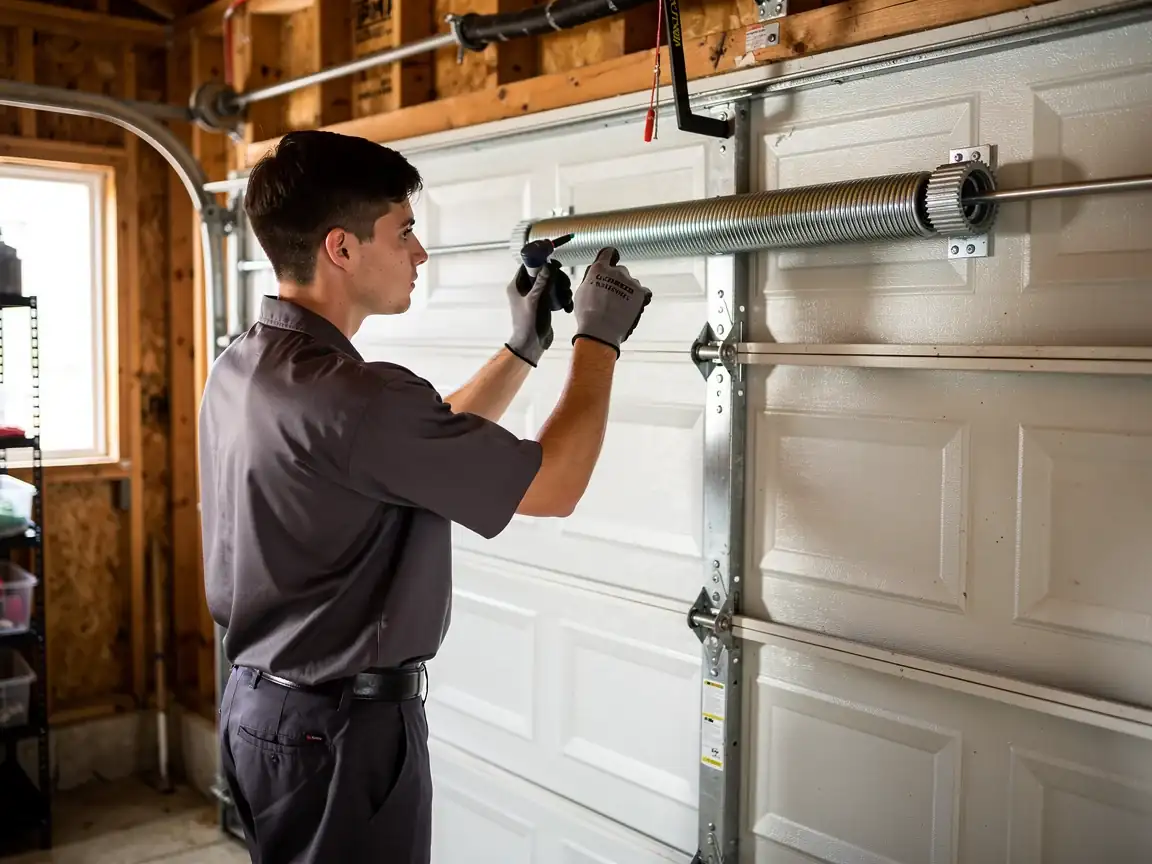
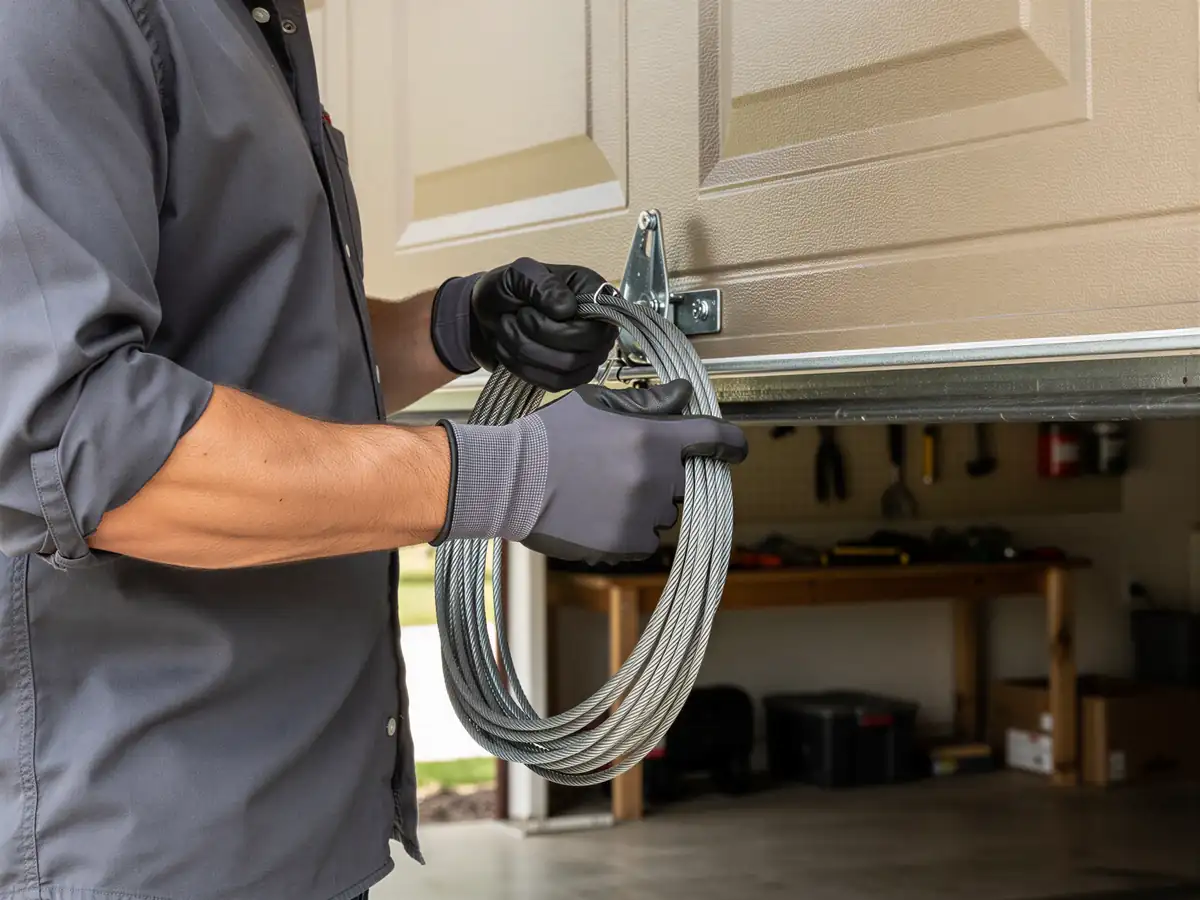
This area sits in a severe heat climate band, and that heat is hard on garage door hardware in specific ways. Torsion springs lose a little tension every summer as the metal heats and cools through the day, so a spring that's borderline in April can snap in August. Grease and lubricant on tracks and hinges thins out and runs in high heat, leaving metal-on-metal contact that wears rollers and bearings faster than the manufacturer's rated life. Opener logic boards and sensors mounted near the ceiling of an attached garage take the worst of it, since heat rises and that space can run well above outdoor temperature by afternoon. We see more sensor and circuit board failures from heat soak than from any single storm event. None of this means your door needs yearly replacement parts - it means lubrication intervals matter more here than they would somewhere with a mild climate, and that a spring showing fatigue in summer should not be left for a fall appointment.
What Most People Get Wrong
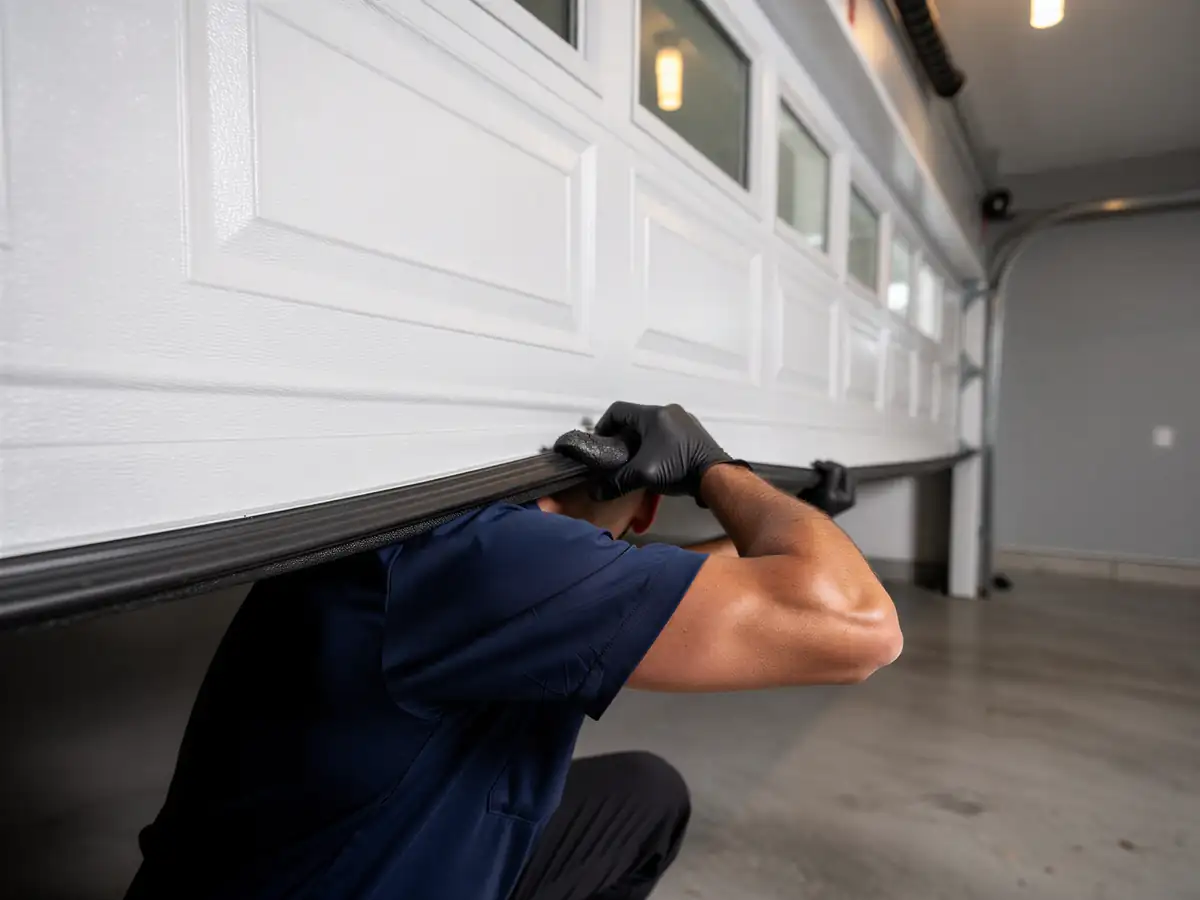
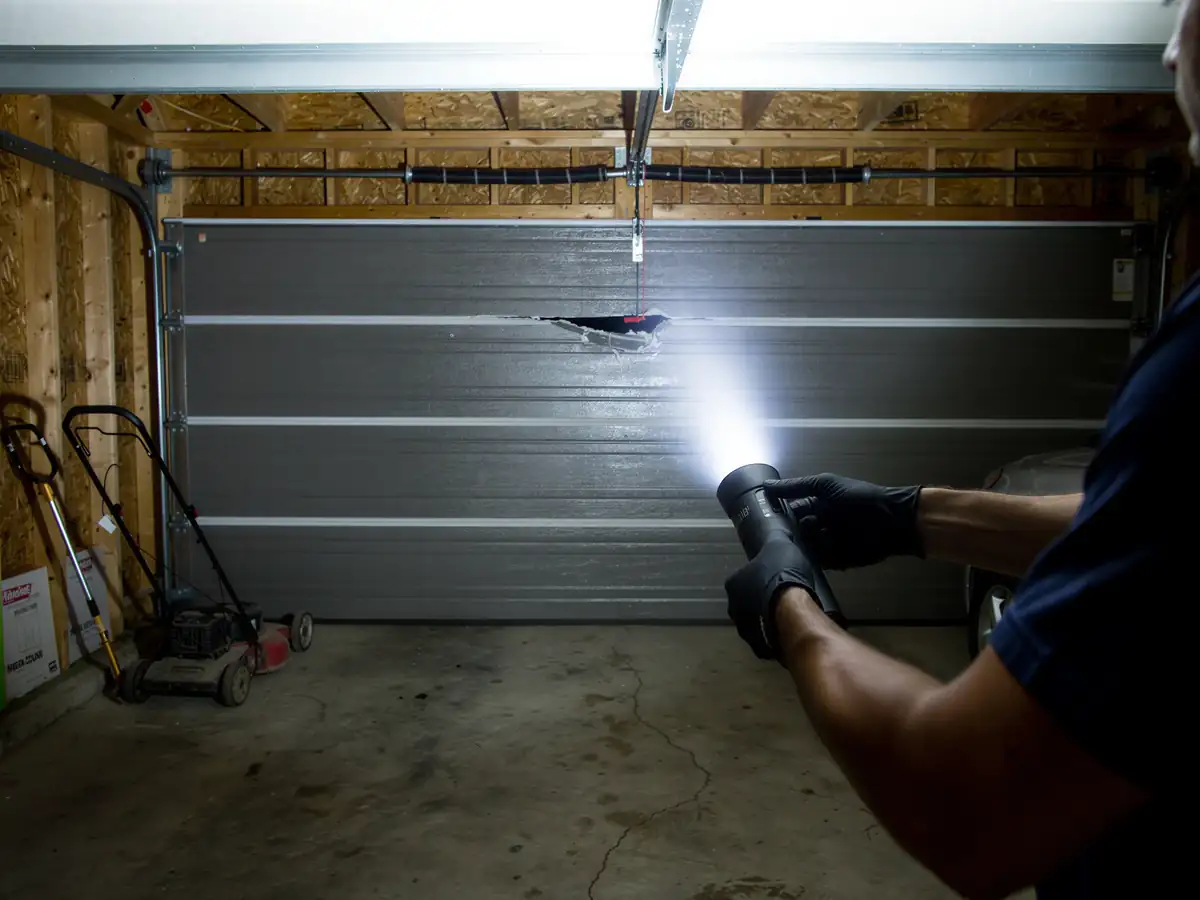
The biggest mistake we see is assuming a loud door and a broken door are the same problem - they're usually not. A second assumption: that because a house was built recently, the opener and hardware are recent too. Across the 1974-2009 housing stock here, plenty of doors have had one or two part swaps that don't match the build year, so guessing based on when the house went up doesn't tell you much. People also tend to wait for total failure before calling, which costs more: a spring that snaps while the door is open can drop the door hard enough to bend track or crack a panel, turning a $200 fix into a full-door job. With median household income in the area around $84,369 and tens of thousands of owner-occupied houses across this service area, most people are weighing a repair against a replacement budget, and that's a reasonable thing to ask us directly - we'll tell you honestly when a repair isn't worth doing.