When Waiting Is Fine
If the power goes out and your door is already down, you don't need to do anything right away. The door isn't going anywhere on its own, and an opener sitting dead on a dead circuit isn't getting worse by the hour. Most of the openers we find on Menifee service calls were installed anywhere from the mid-1980s through the 2000s, matching the age of the houses themselves, and plenty of those units have no battery backup at all. That's normal for a house built in that window, not a defect. If you're not trying to get a car out, the smart move is to leave the opener alone until power's back and then test it once, rather than running the motor repeatedly on a flickering circuit. Running a motor through brownout cycles, where voltage sags and recovers instead of cutting clean, is what actually burns boards. One real limitation: we can't diagnose a board failure over the phone from a description of 'it clicked once.' If it clicked and did nothing else, that's a job, but it's not an emergency job - it'll hold until regular hours.
What the Weather Here Does to It
Menifee sits in a severe-heat climate band, and heat is harder on opener electronics than almost anything else that happens to a garage. Circuit boards and capacitors degrade faster at sustained high temperatures, and a garage that bakes all afternoon runs hotter than the house around it. That matters specifically around power cuts because the kind of outages that hit a heat-stressed grid - rolling cuts during peak demand - tend to arrive on the exact days your garage is already at its hottest and your opener's board is already under the most thermal stress. A board that's been slowly cooking for a few summers is the one that fails the moment the power blinks, not the one that was fine the day before. This isn't a once-a-decade event; it's a pattern tied to how hot this area runs and how long it stays hot. If your opener is original to a house built in the 1980s or 90s, the board inside it has been through three or four decades of exactly this cycle.
What Most People Get Wrong
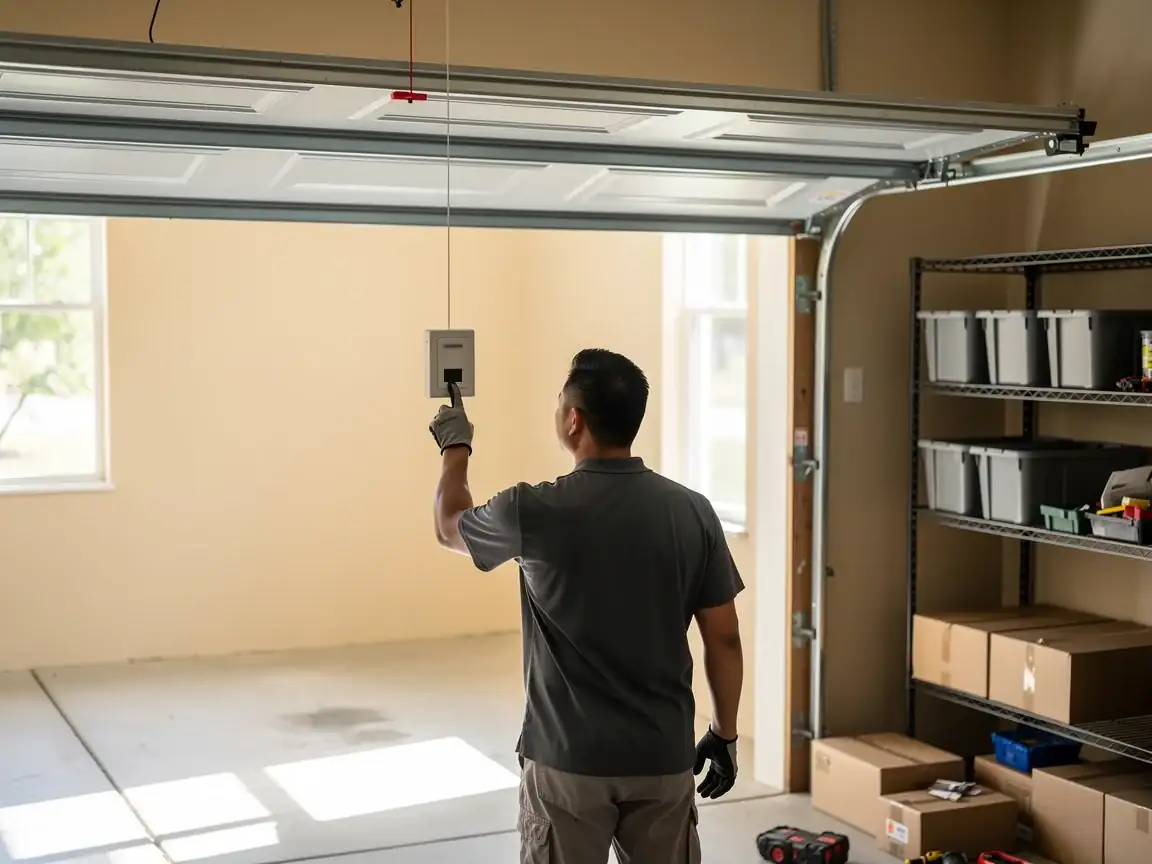
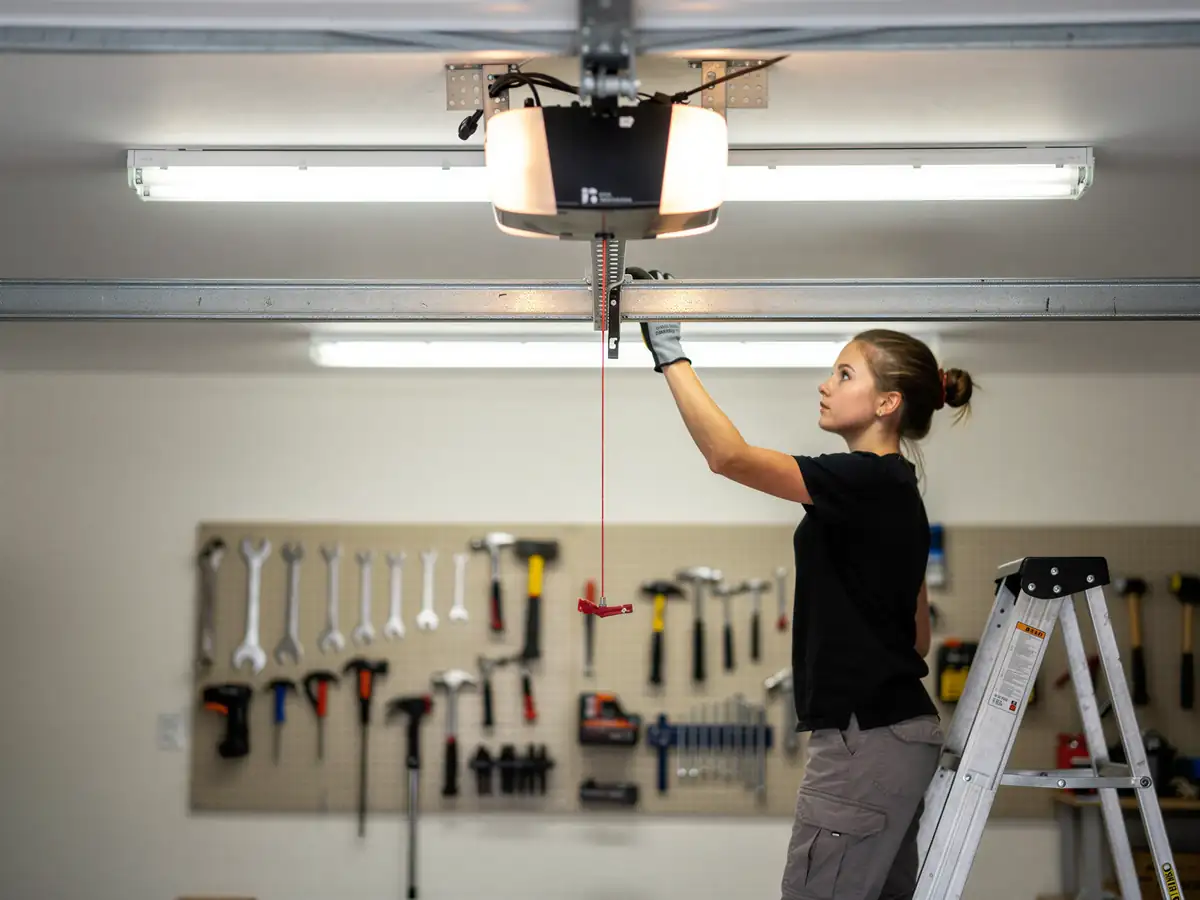
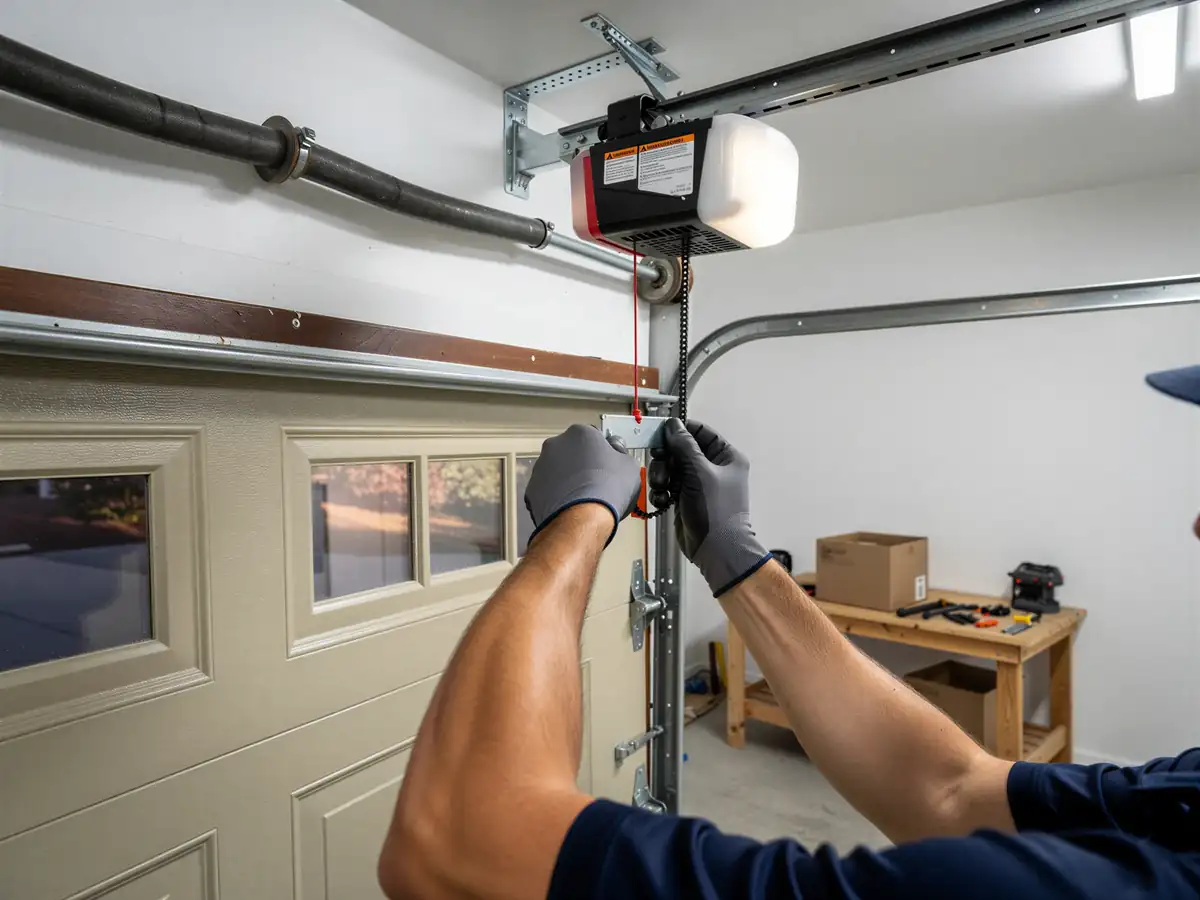
The most common mistake is assuming every opener has a manual release that disconnects cleanly - some older chain-drive units in this area have releases that are stiff or seized from disuse, and pulling hard on a cord that hasn't moved in years can bend the carriage instead of releasing it. The second mistake is assuming a battery backup means the opener is fine after an outage; a backup that's never been tested often fails exactly when it's needed, after years of sitting untouched on an opener installed when the house was newer. The third is panic-replacing a perfectly good opener after one bad outage, when the actual fix is a $20-30 part - a relay or capacitor - instead of a whole new unit. We don't do same-day replacement on every call; if the part needs ordering, that's a day or two, and we'll tell you that up front rather than promising a truck that isn't coming. Test your manual release once a year, before an outage finds its limits for you.