How It Shows Up
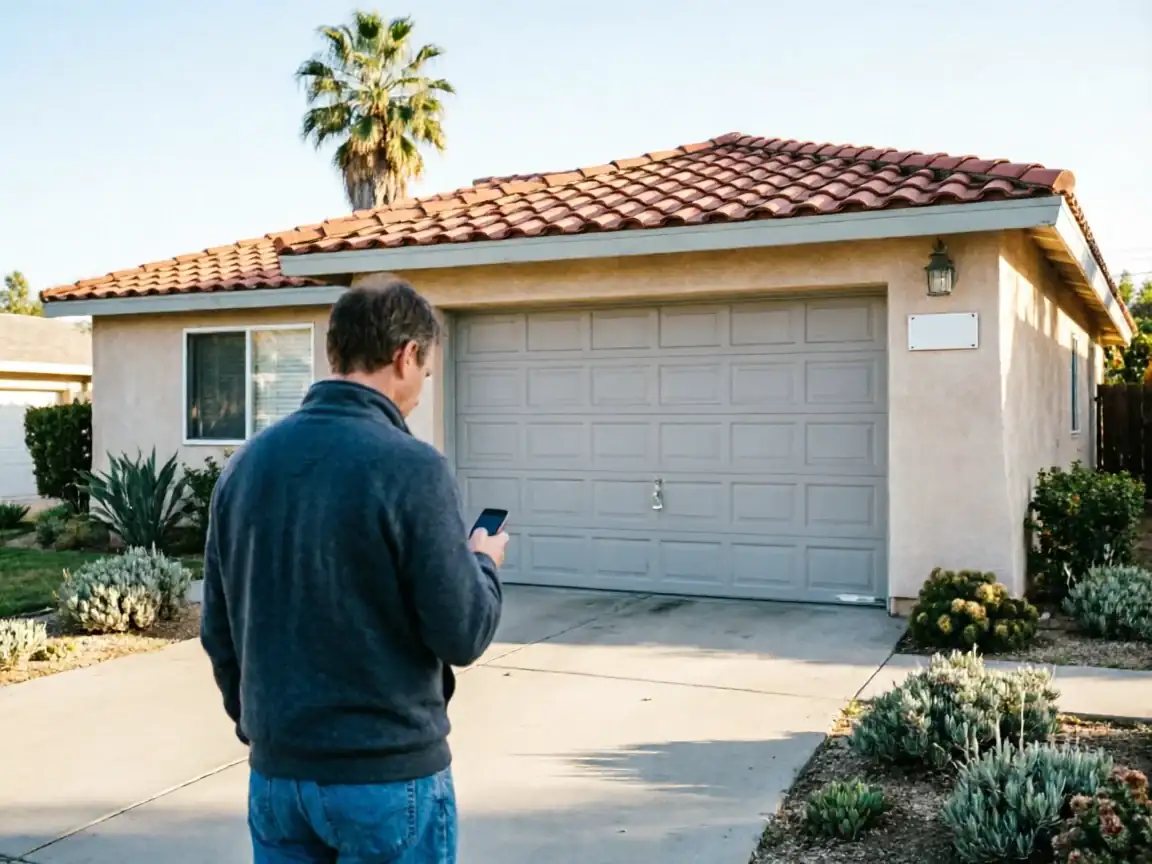
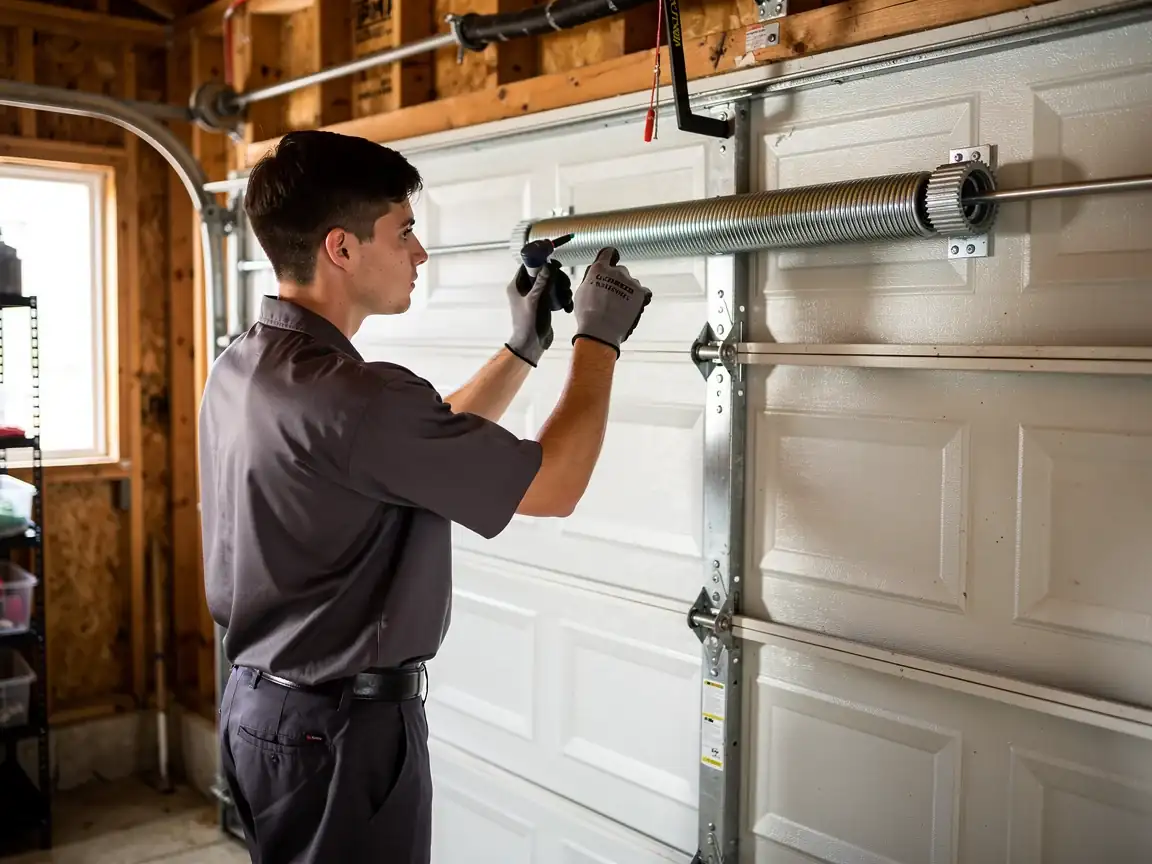
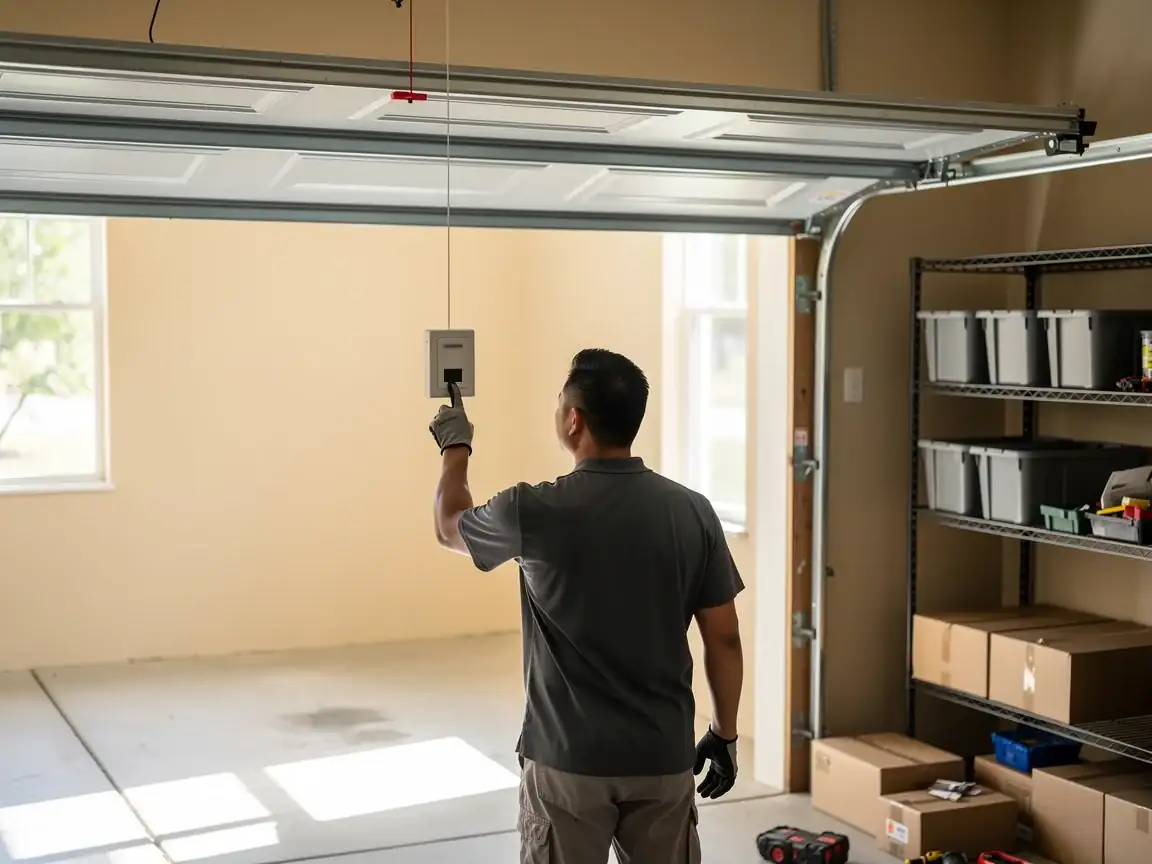
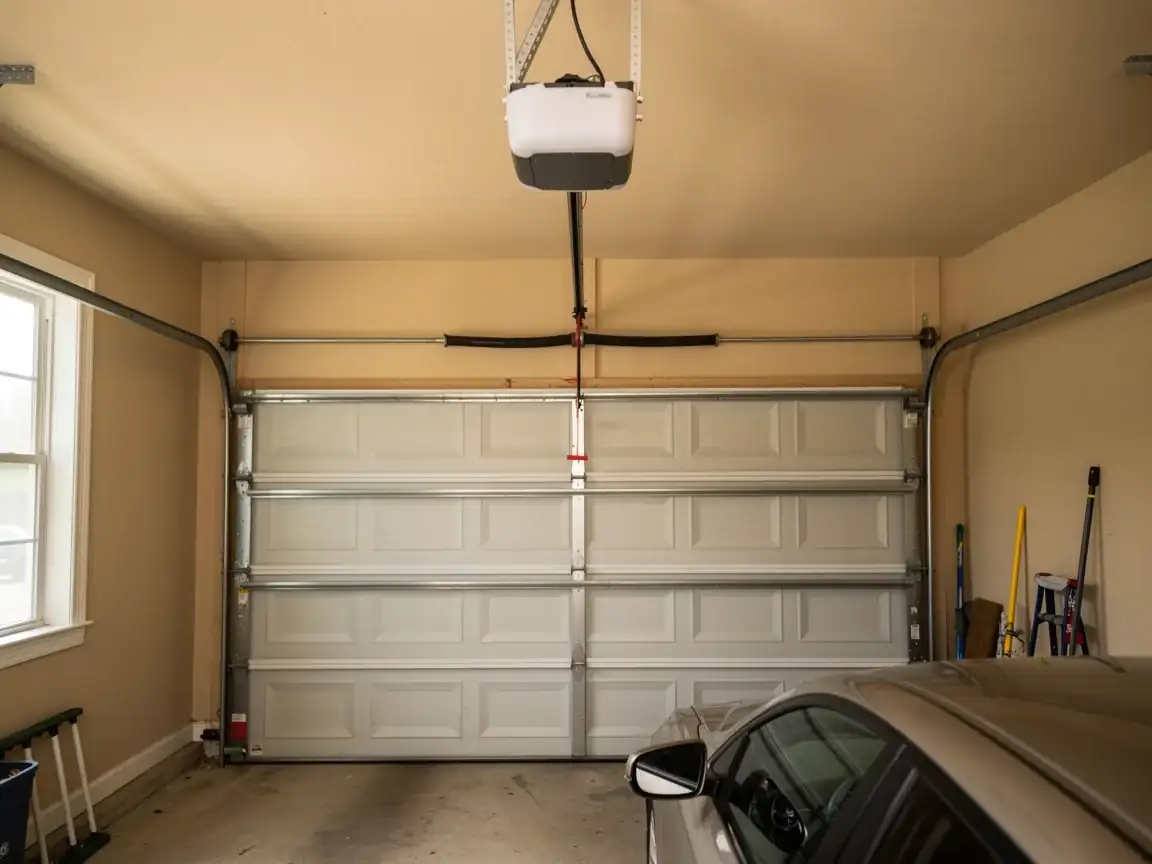
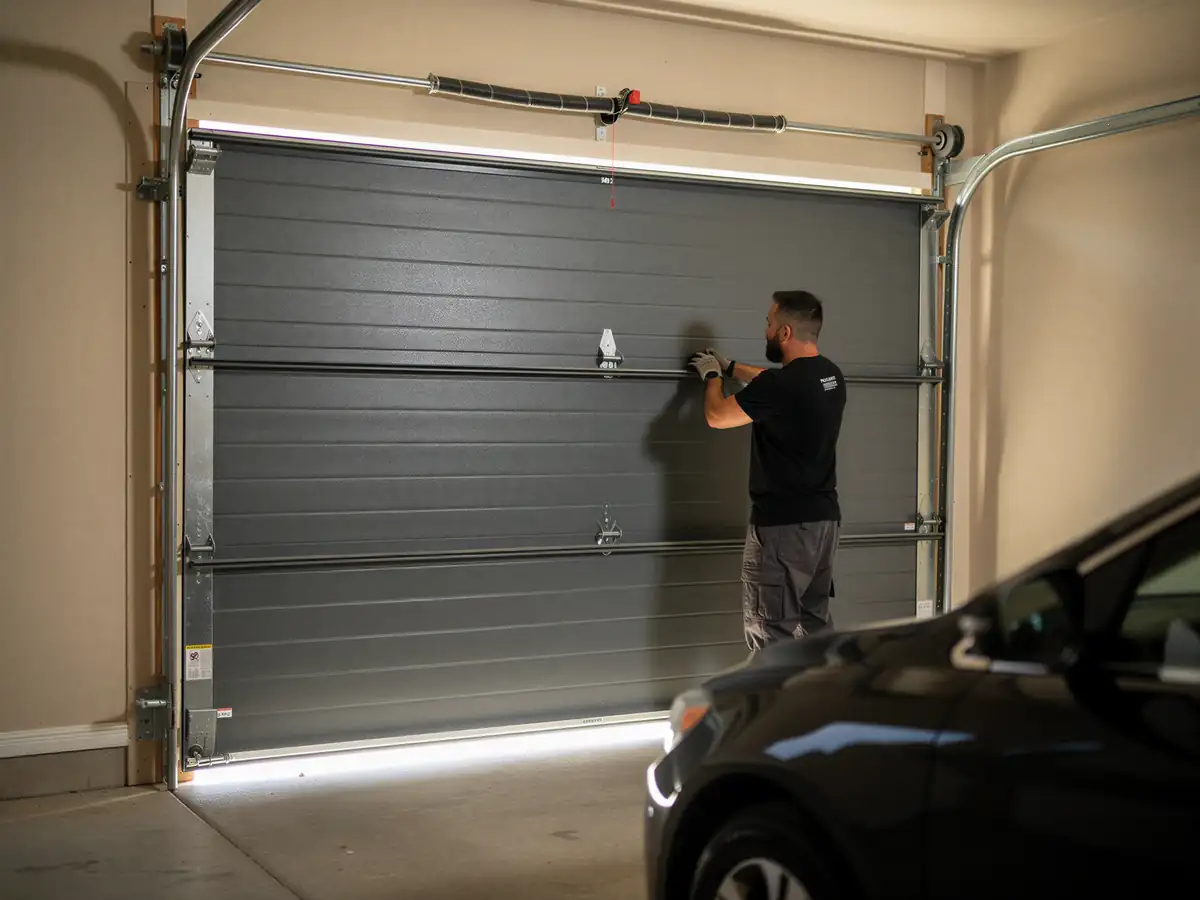
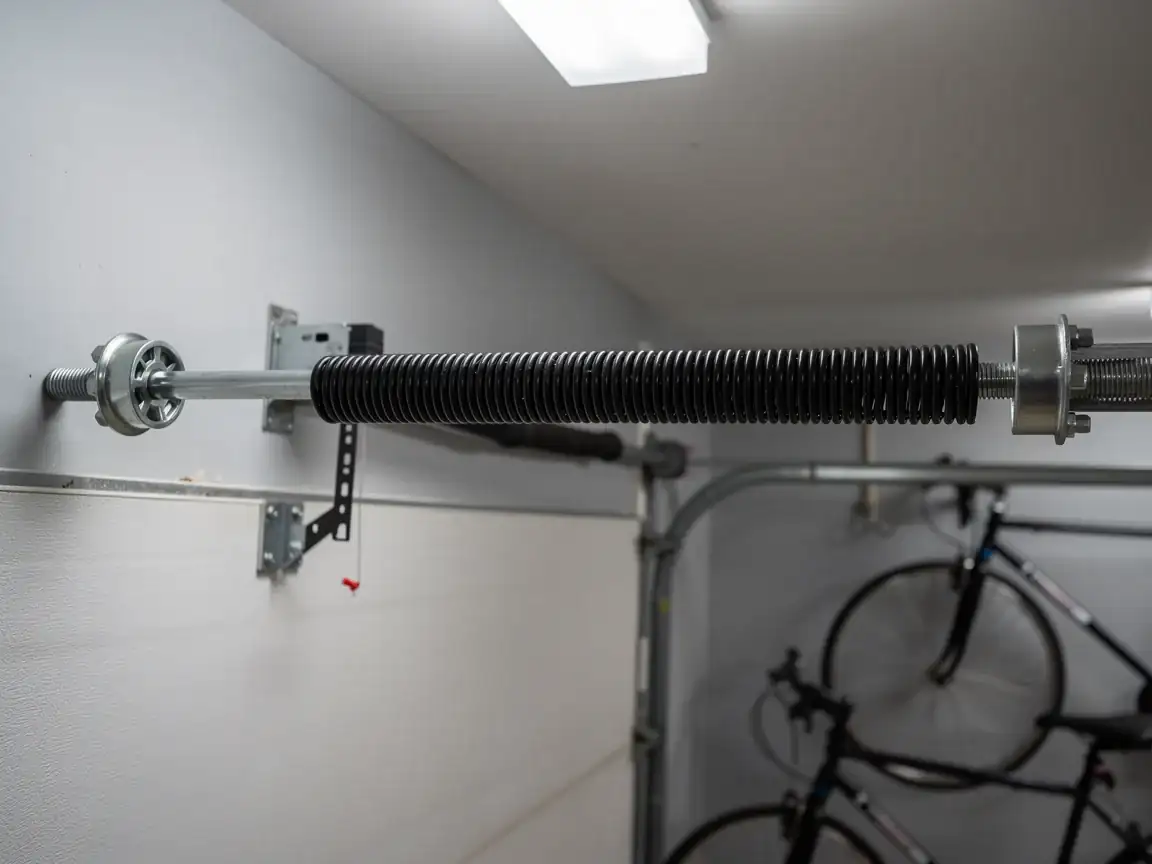
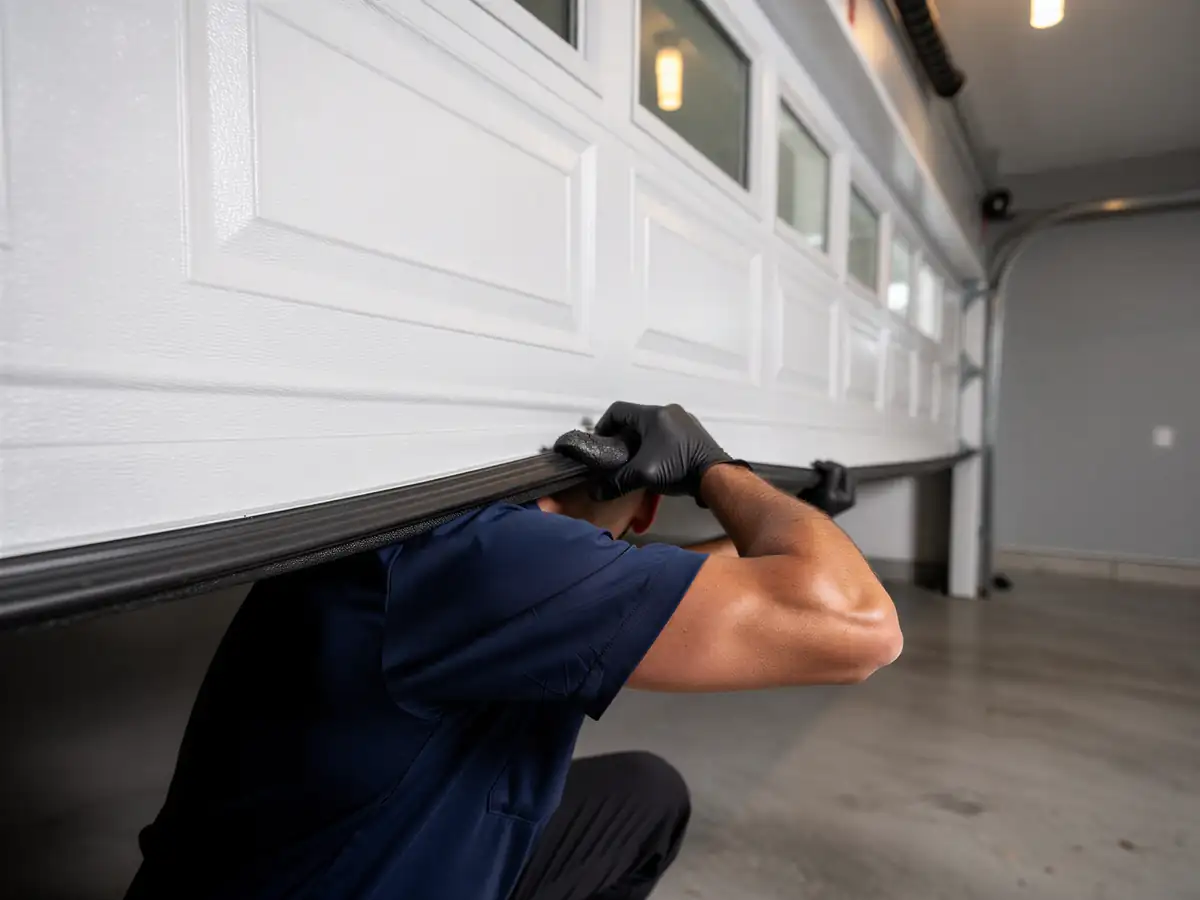
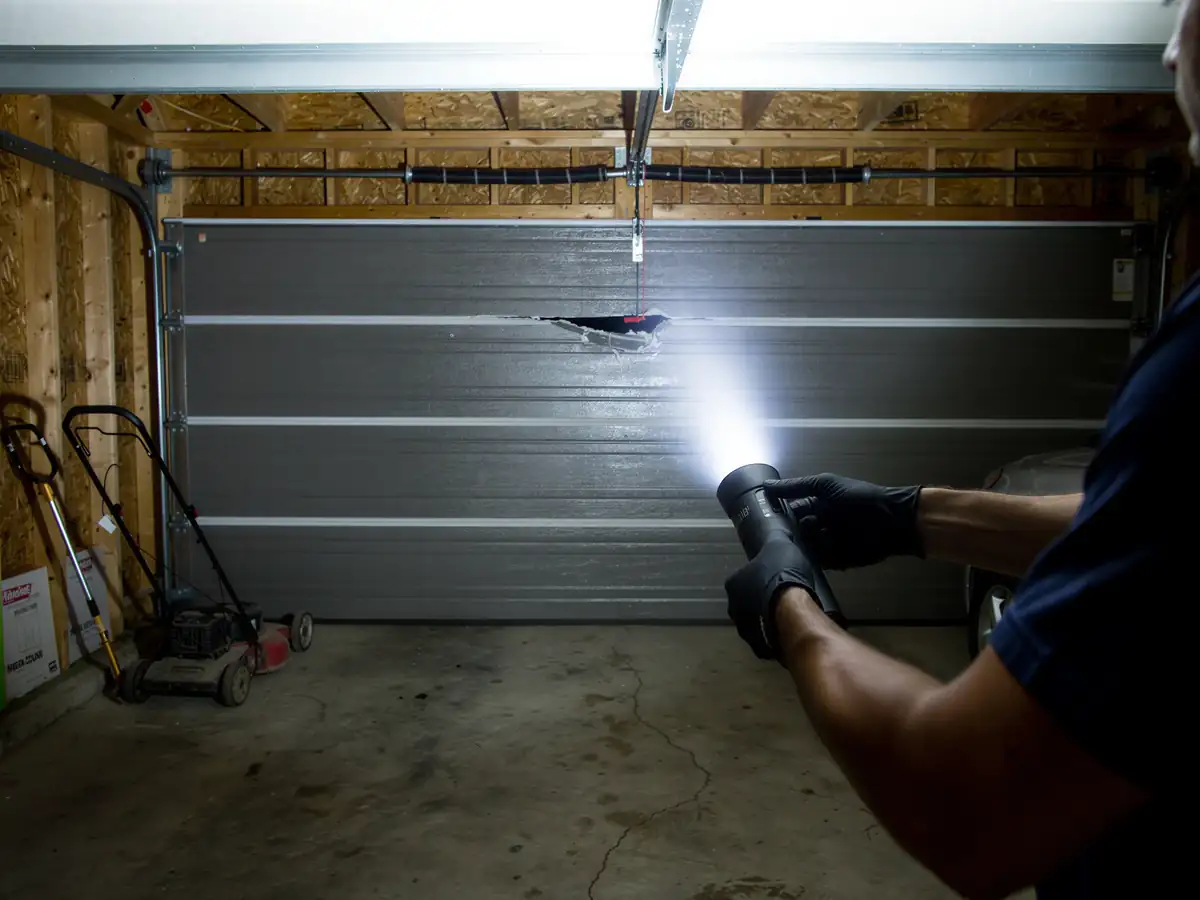
The call usually starts the same way: the door won't budge, or it lurches up on one side and hangs crooked. If you hear a loud bang from the garage and then the door won't move at all, that's almost always a torsion spring letting go - the cable goes slack and the opener can't lift the weight alone anymore. Other times it's quieter. The opener motor hums but the door barely creeps, or it opens fine in the morning and binds by mid-afternoon once the garage has baked all day. That afternoon pattern points to heat affecting plastic gears inside the opener housing or a steel panel that's expanded enough to bind against the track rollers. On older single-layer steel doors you'll sometimes see the panel itself bow slightly in the heat, which throws off how the rollers sit in the track and creates a grinding sound right as the door starts to move. None of these are cosmetic. A spring under tension that's failing, or a track that's slowly bending from repeated binding, gets worse every cycle, not better, and a door that drops unexpectedly is a safety issue, not just an inconvenience.
The Cost of This Job
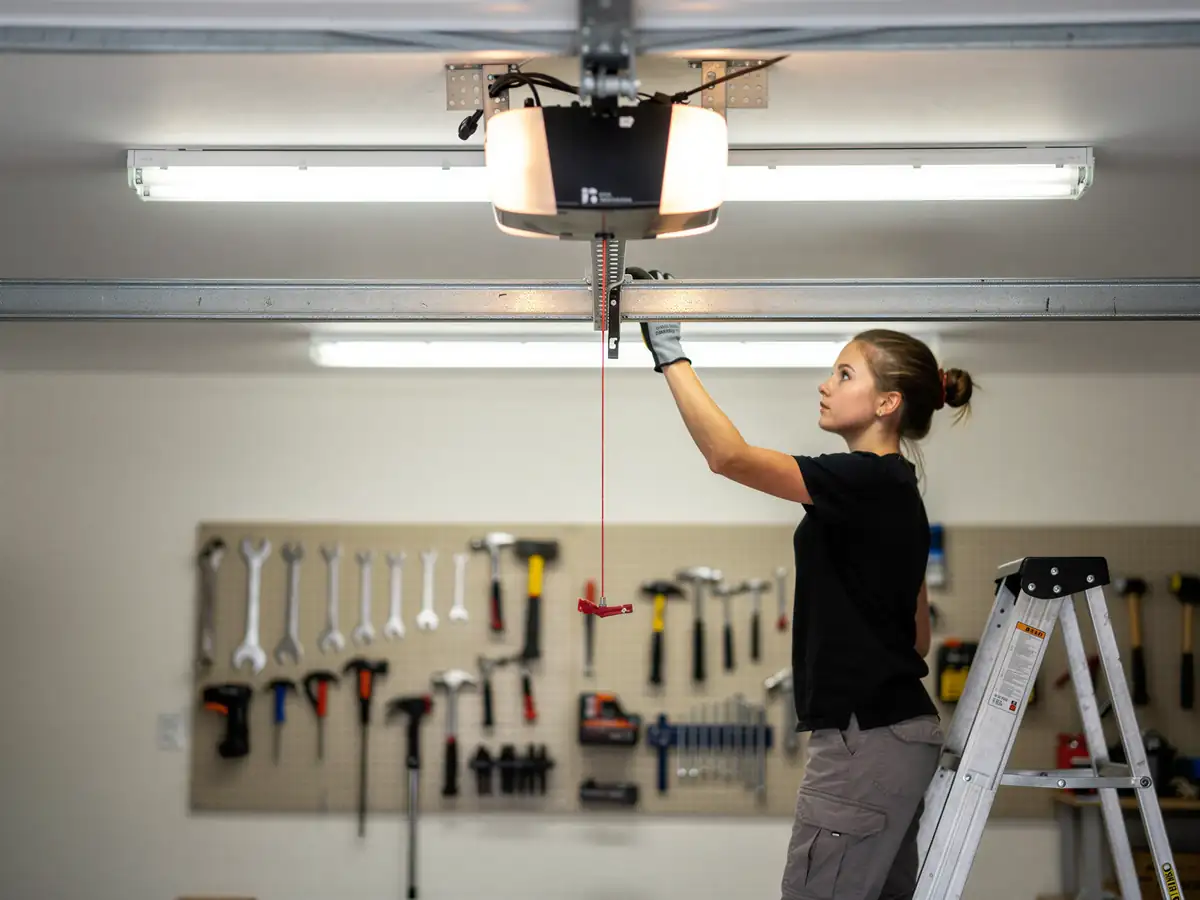
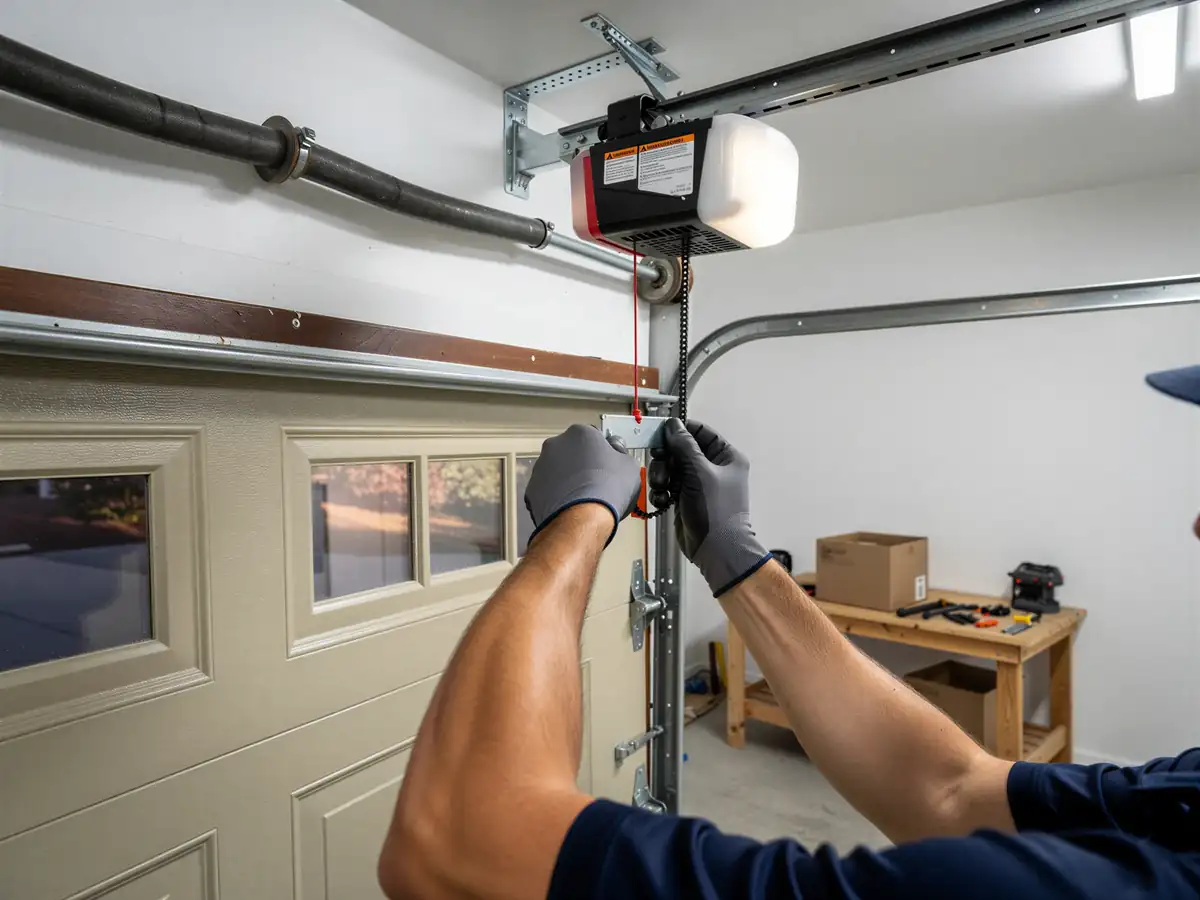
What drives the price on a repair isn't the brand name on the door, it's what actually failed and how the door is built. A single torsion spring on a standard door is a different job than a pair of springs on a heavier double door, and extension springs mounted overhead cost less in parts than torsion springs but tend to need replacing more often. An opener repair can mean swapping a worn gear kit or replacing logic boards, or it can mean the motor itself is the problem and a repair doesn't make sense next to a replacement. Panel damage is its own category - one warped or dented section on an otherwise sound door can sometimes be replaced without redoing the whole door, but only if that panel is still available for the model. I won't quote a number over the phone for any of this because I haven't seen the door, the spring size, or how the track is sitting, and guessing a price before looking at the hardware is how a homeowner ends up quoted wrong twice. What I can tell you honestly: if a door from the 1980s or 90s needs a second major repair within a couple years of the first, replacement usually ends up cheaper than chasing individual part failures one at a time.
Doing It Yourself
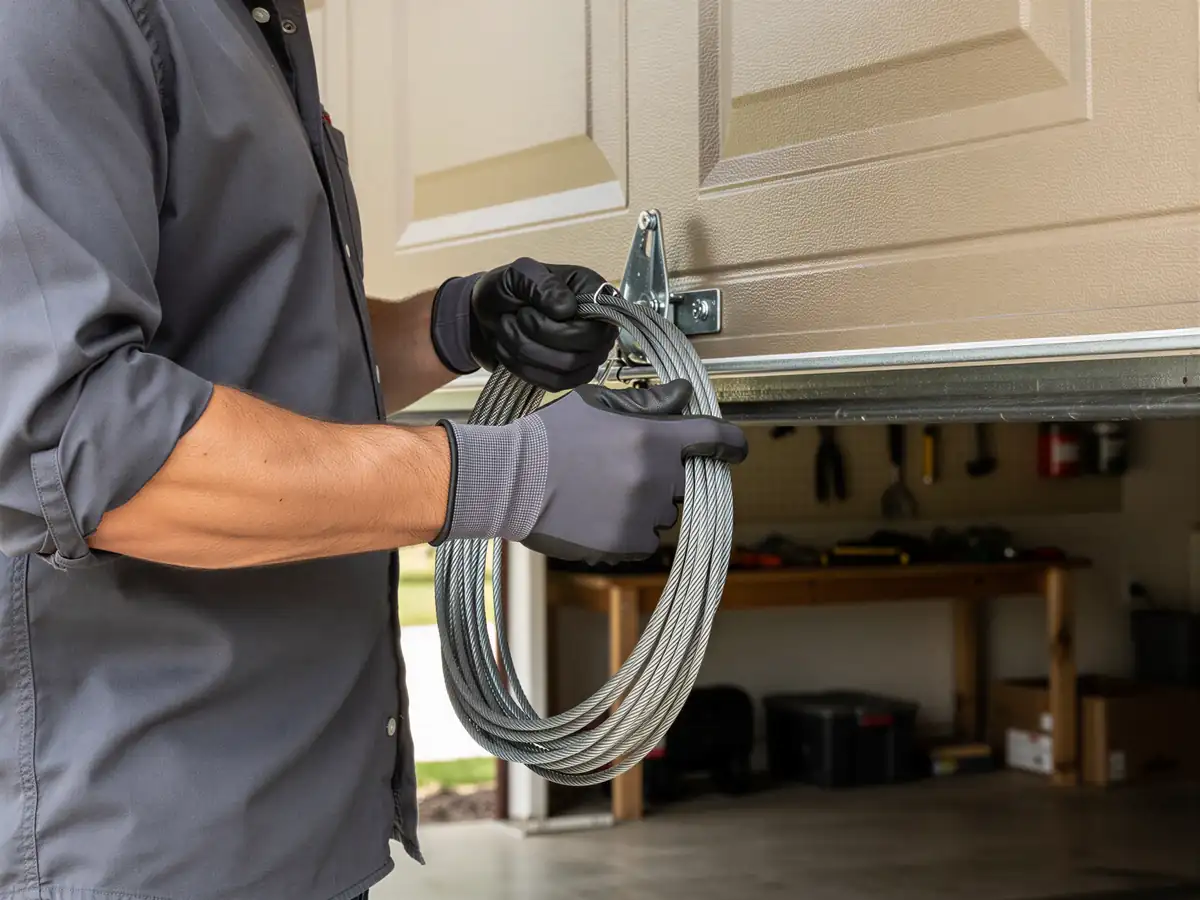
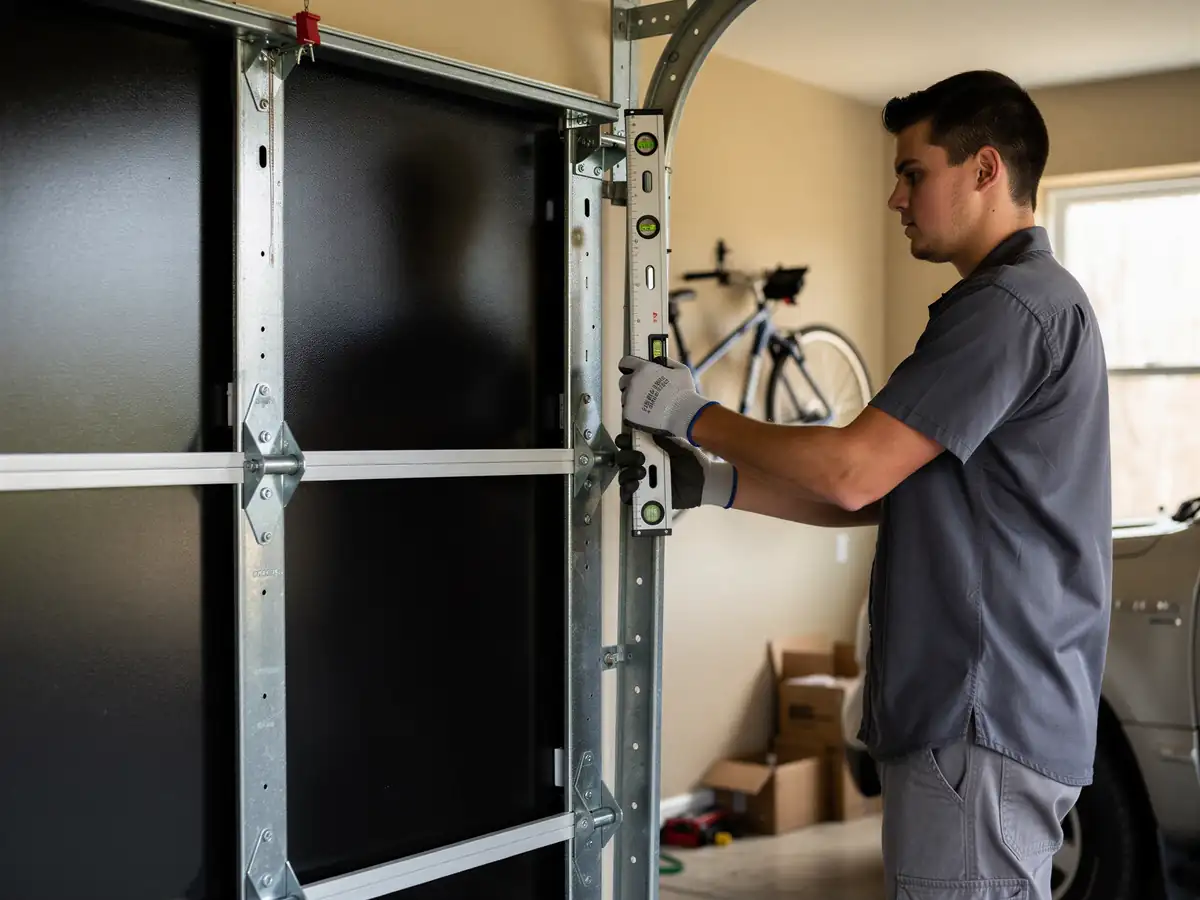
Some of this is fine to handle yourself. Lubricating rollers and hinges with the right garage door lubricant, tightening loose bolts on the track brackets, and clearing debris from the track are all reasonable weekend jobs that can buy an older door some time. Checking that the photo-eye sensors near the floor are clean and aligned is also safe and takes two minutes. What isn't worth attempting is anything involving the torsion spring itself. These springs hold enough stored tension to cause serious injury if the winding cone slips, and that's true whether the spring is new or decades old - age just makes the metal more likely to fail suddenly under load. Cable replacement and track realignment on a door that's already binding also aren't good DIY candidates, because a door that drops or jumps the track while someone's underneath it is exactly the failure mode you're trying to avoid. If the door won't move, makes a bang, or the opener is straining and getting hot, that's a call, not a project.