How It Shows Up
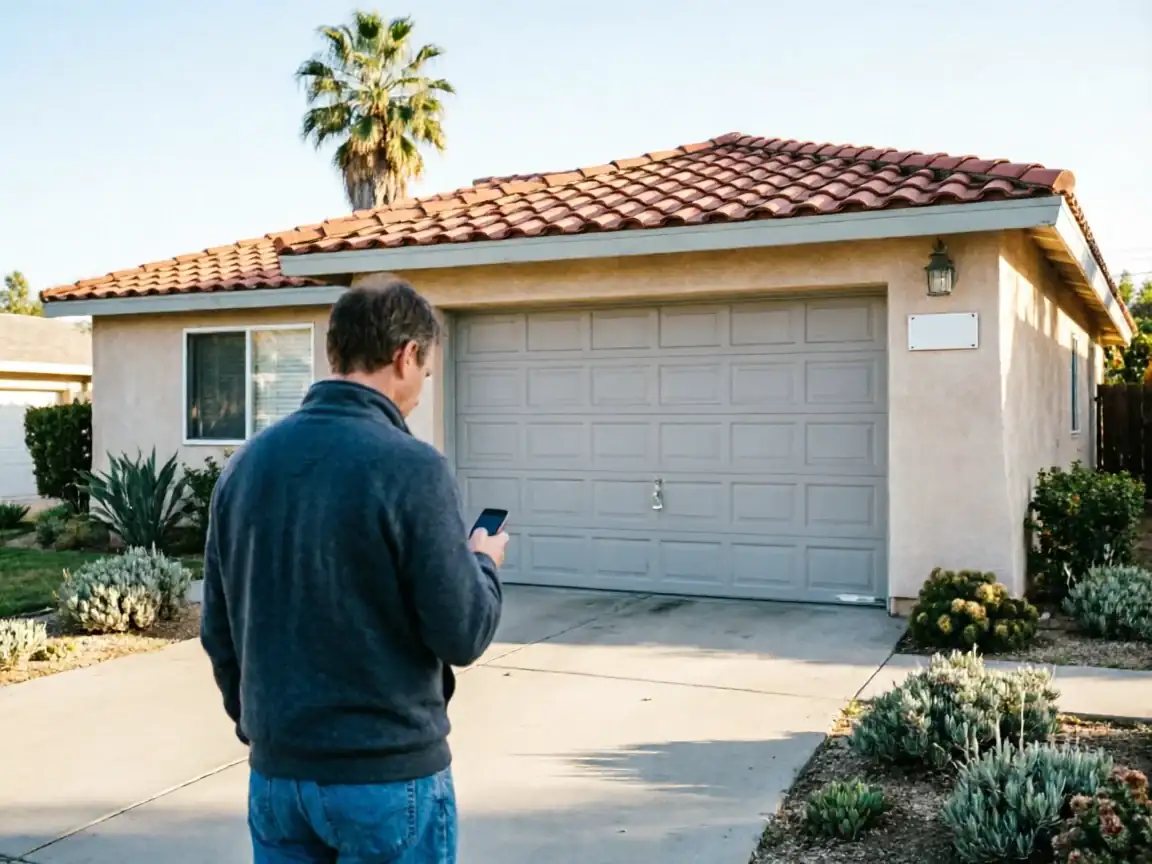
The opener usually tells you something is wrong before it quits outright. The light blinks but the door doesn't move. The motor hums and the door creeps instead of running smooth. You hit the remote and nothing happens, but the wall button works fine, which points at a dead remote battery or a receiver going bad rather than the whole unit. Sometimes the door reverses halfway up for no reason you can see, or it opens fine but won't close unless you hold the button down the whole way.
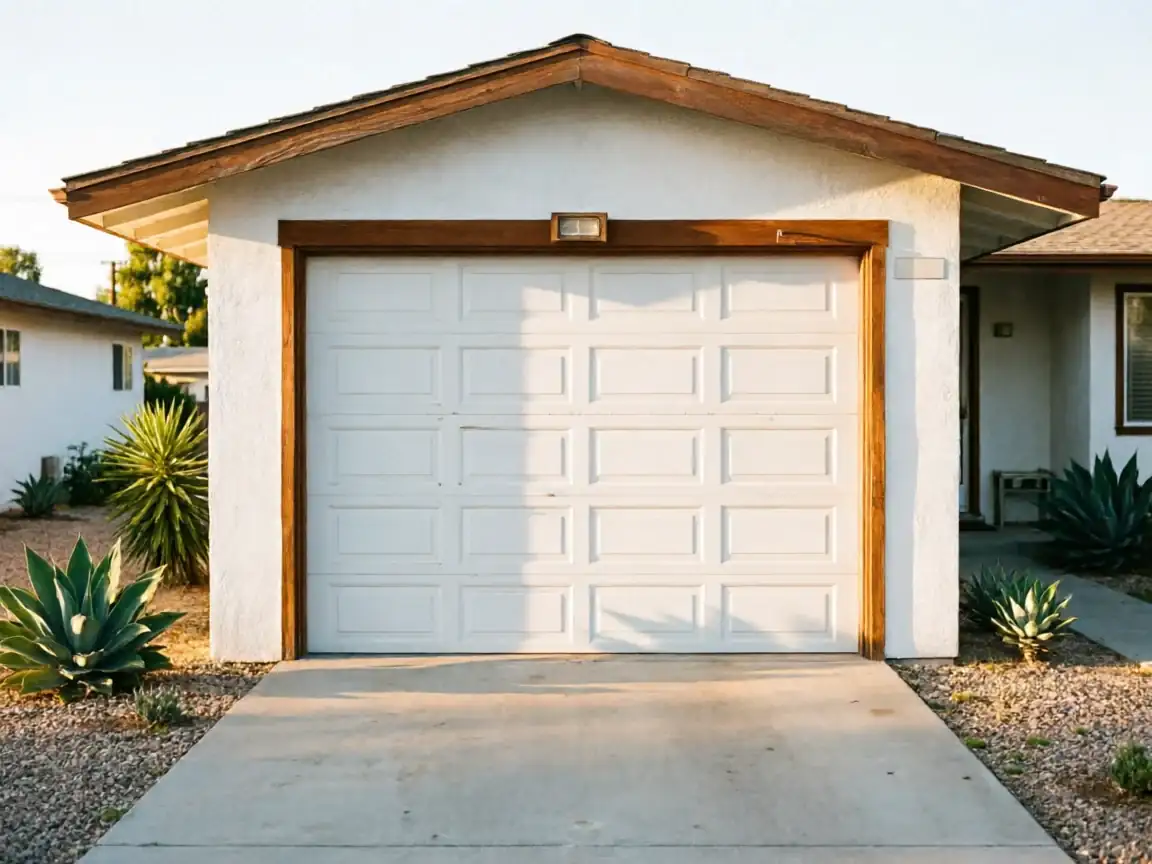
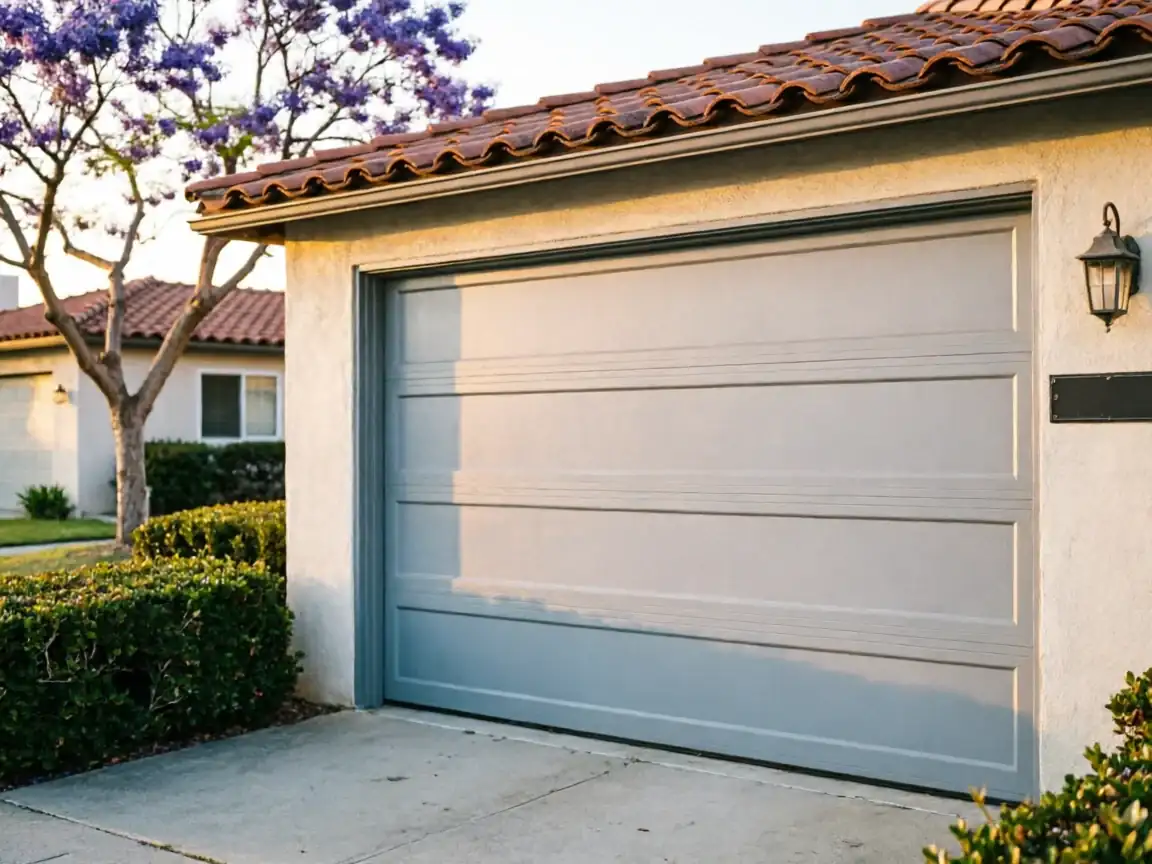
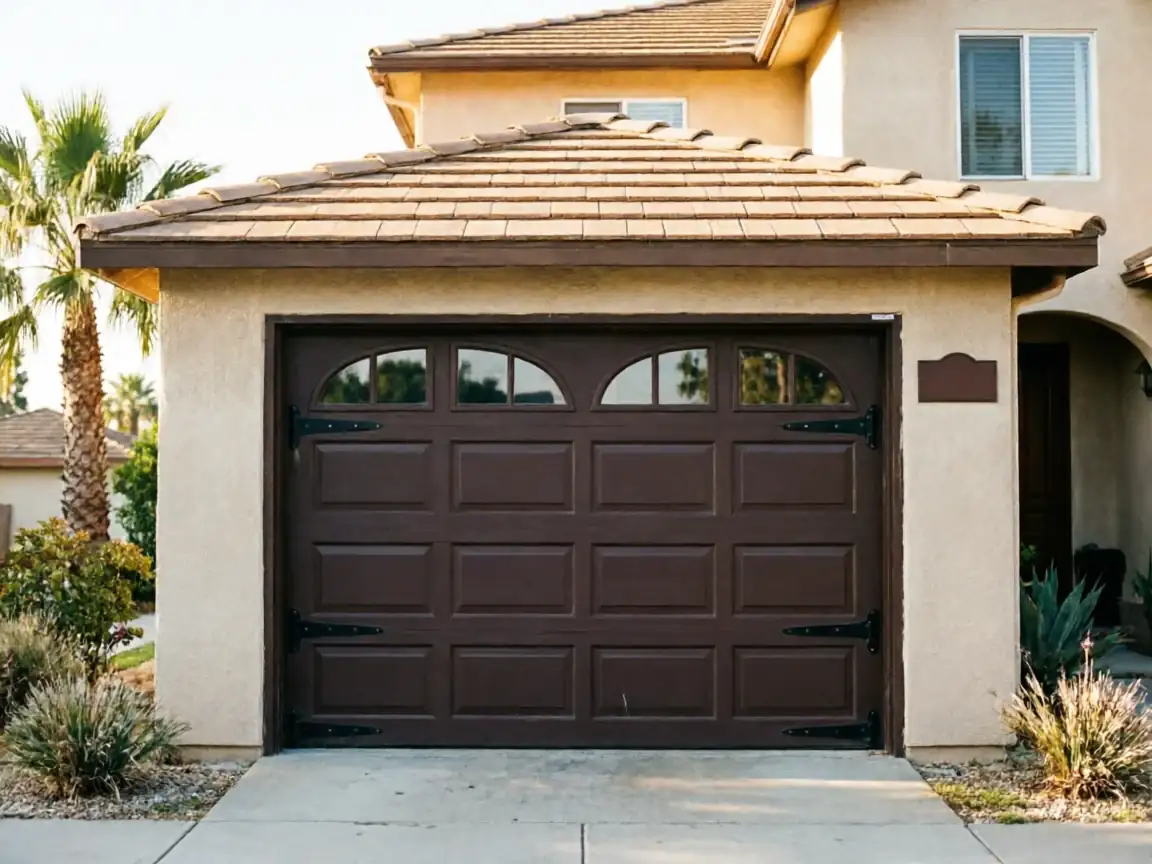
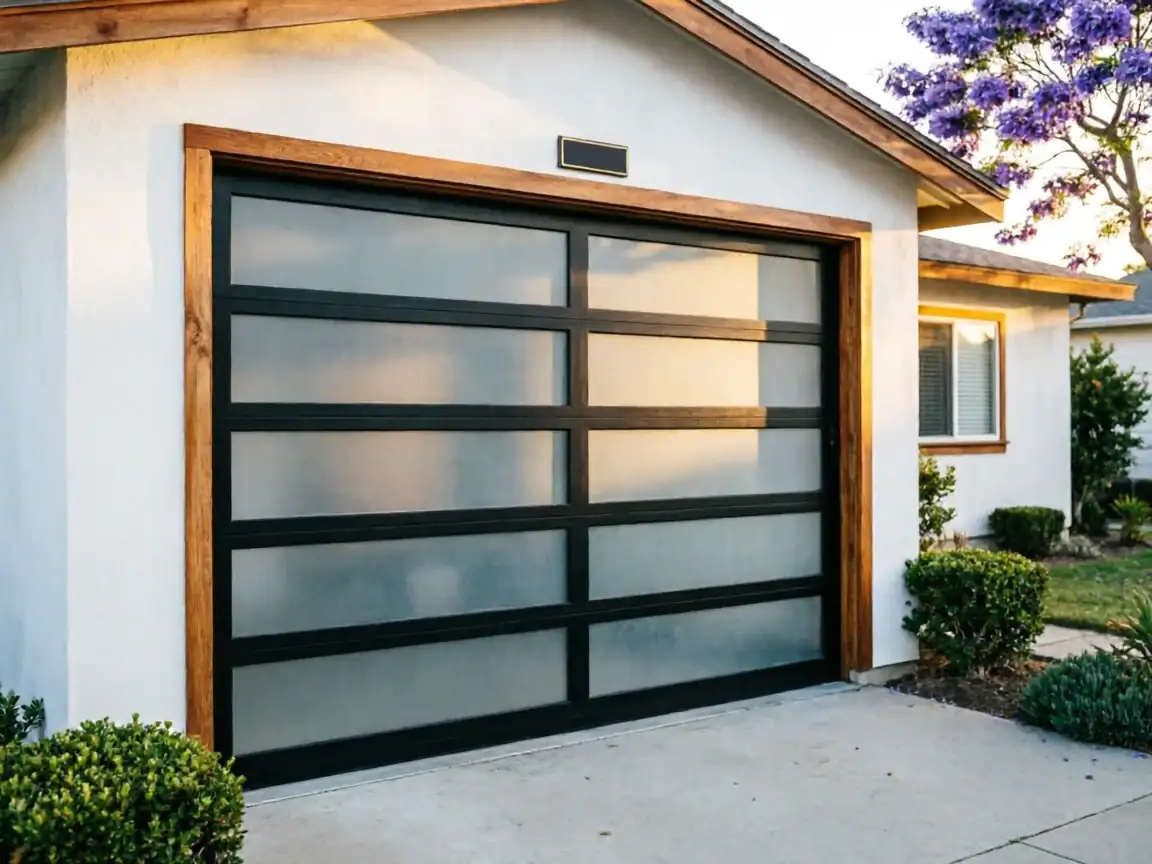
In Menifee, a big share of this call is heat-related. Most homes here were built between 1974 and 2009, with the median landing around 1984, and that means a lot of openers are original equipment from a build boom that predates the circuit boards and capacitors holding up well in a garage that regularly sits well above 100 degrees for weeks at a stretch. Heat doesn't just wear the motor - it cooks the logic board and the capacitor that drives the start-up surge, and that part tends to go quietly, not with a bang. One day the opener just doesn't catch.
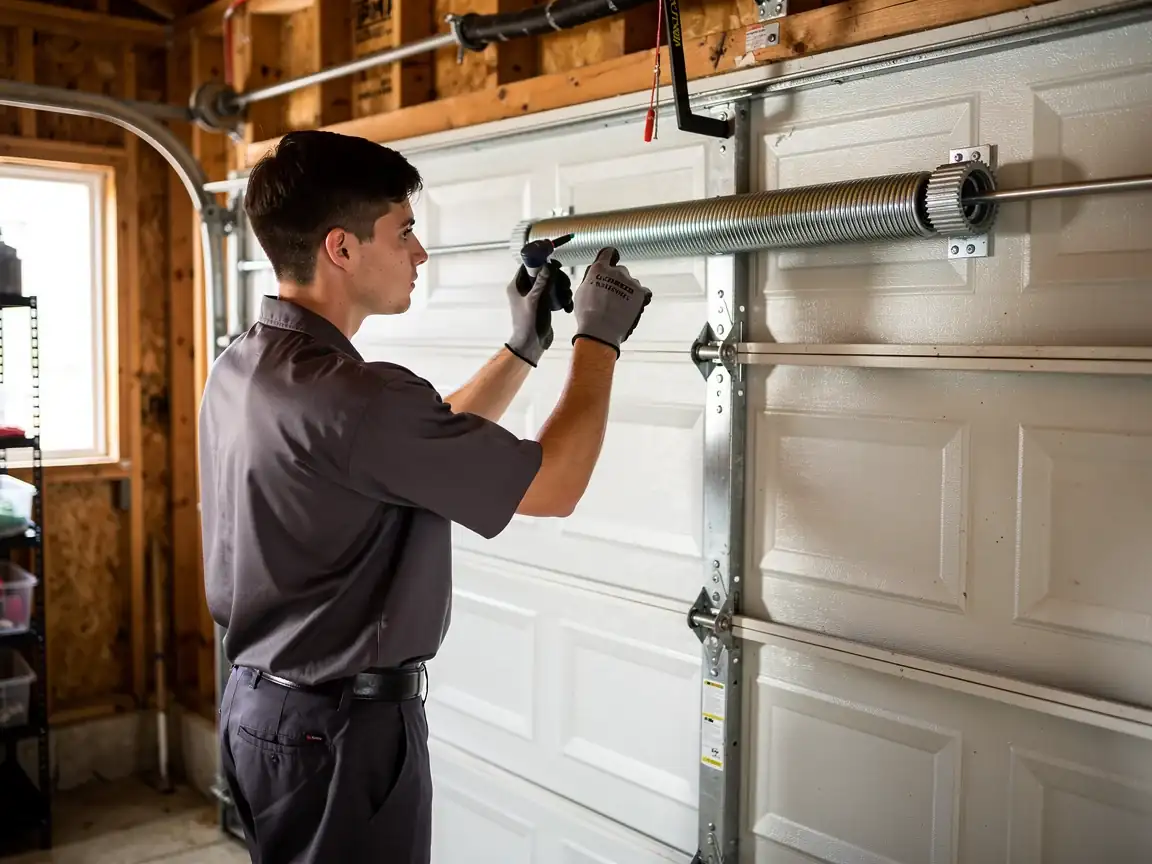
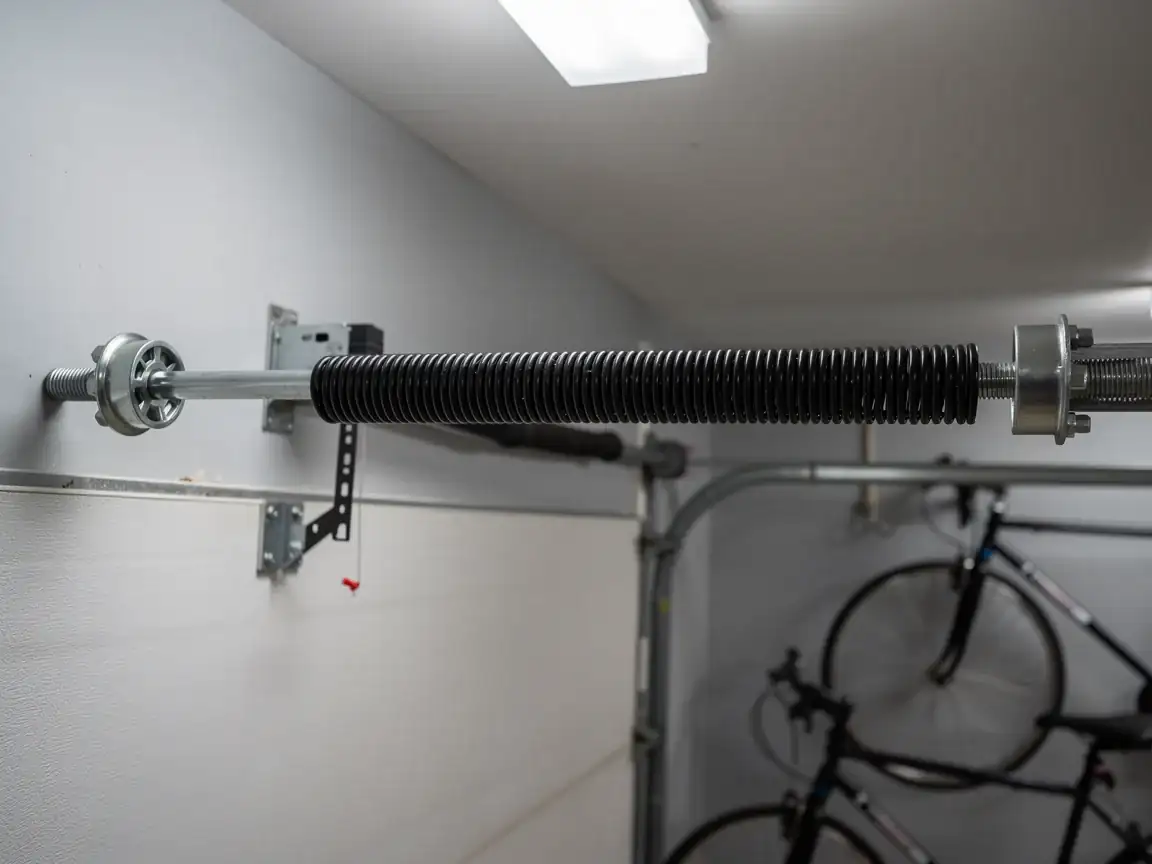
If your door moves fine by hand but the opener won't engage, that's usually the board or the drive gear, not the springs. Worth knowing before you call, since it changes what we bring on the truck.
Why It Happens Here
Two things stack up against openers in this part of Riverside County
And neither is dramatic on its own. First, the housing stock. With most of the service area's homes dating to the 1980s and 90s and some stretching to 2009, a large number of garages still run the opener that came with the house, or a one-time replacement from a decade or two back. Belt and chain drives from that era weren't built with today's sealed, heat-rated boards, and they weren't expected to run 30-plus years in a garage that gets no shade for most of the day.
Second, the climate band here runs severe on heat
A garage facing west or south in Menifee can sit 20-plus degrees over outside air by mid-afternoon in summer. Electronics don't fail gracefully in that kind of heat - capacitors dry out, solder joints fatigue, and the limit switches that tell the opener where the door should stop start drifting out of calibration. That drift is why so many of these calls start as "the door reverses for no reason" before they become "the opener won't run at all."
Add in 77,336 owner-occupied houses across the area and you've got a lot of garages running original or first-replacement openers right into that heat load every single summer, which is why this is one of the steadier calls we get, not a one-off
- 77,336 owner-occupied
The Cost of This Job
What this job runs depends on what's actually broken, and that's not something I'll guess at over the phone or in writing without seeing the unit. A dead capacitor or a bad logic board is a different repair than a stripped drive gear or a opener that's simply reached the end of its service life and needs replacing outright.
What I can tell you: with median household income across the service area at $84,369, a lot of homeowners here are weighing a repair against a full opener swap, and that's a fair question to ask on any call - not every failing opener is worth fixing. If the motor and board are original to a 1980s or 90s build and one part just failed, sometimes the smarter move is replacement rather than patching a unit that's going to keep failing piece by piece.
The one thing I won't do is quote a number sight unseen. Opener brands, drive types, and the age of the unit all change the job, and giving a flat price before I know which of those I'm dealing with would be a guess dressed up as a quote.
Doing It Yourself
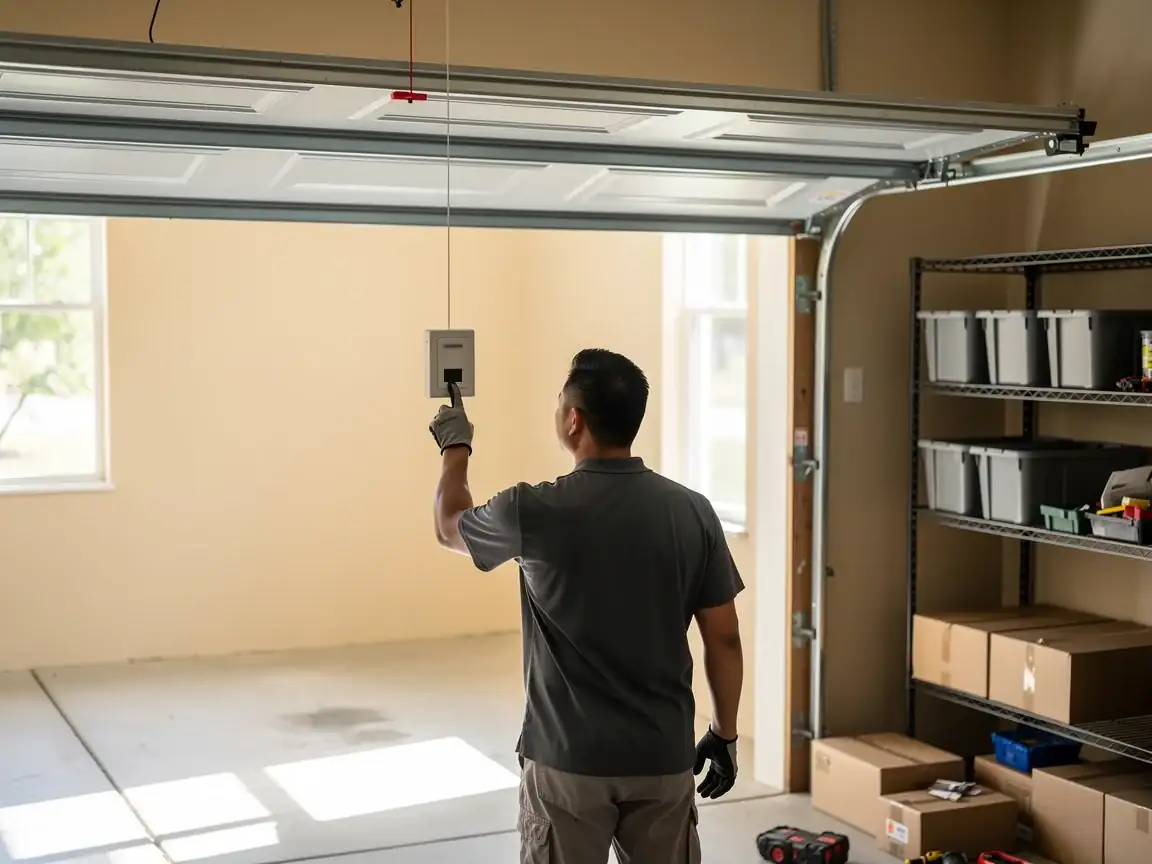
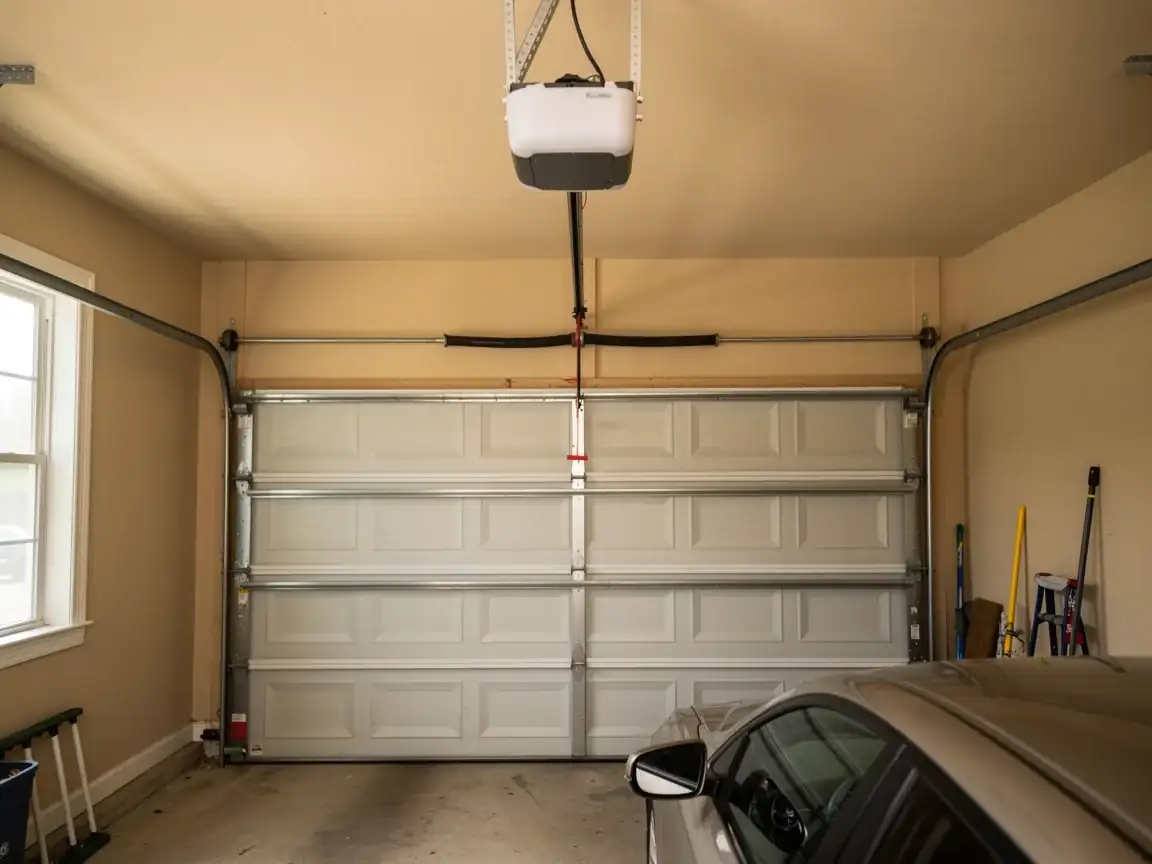
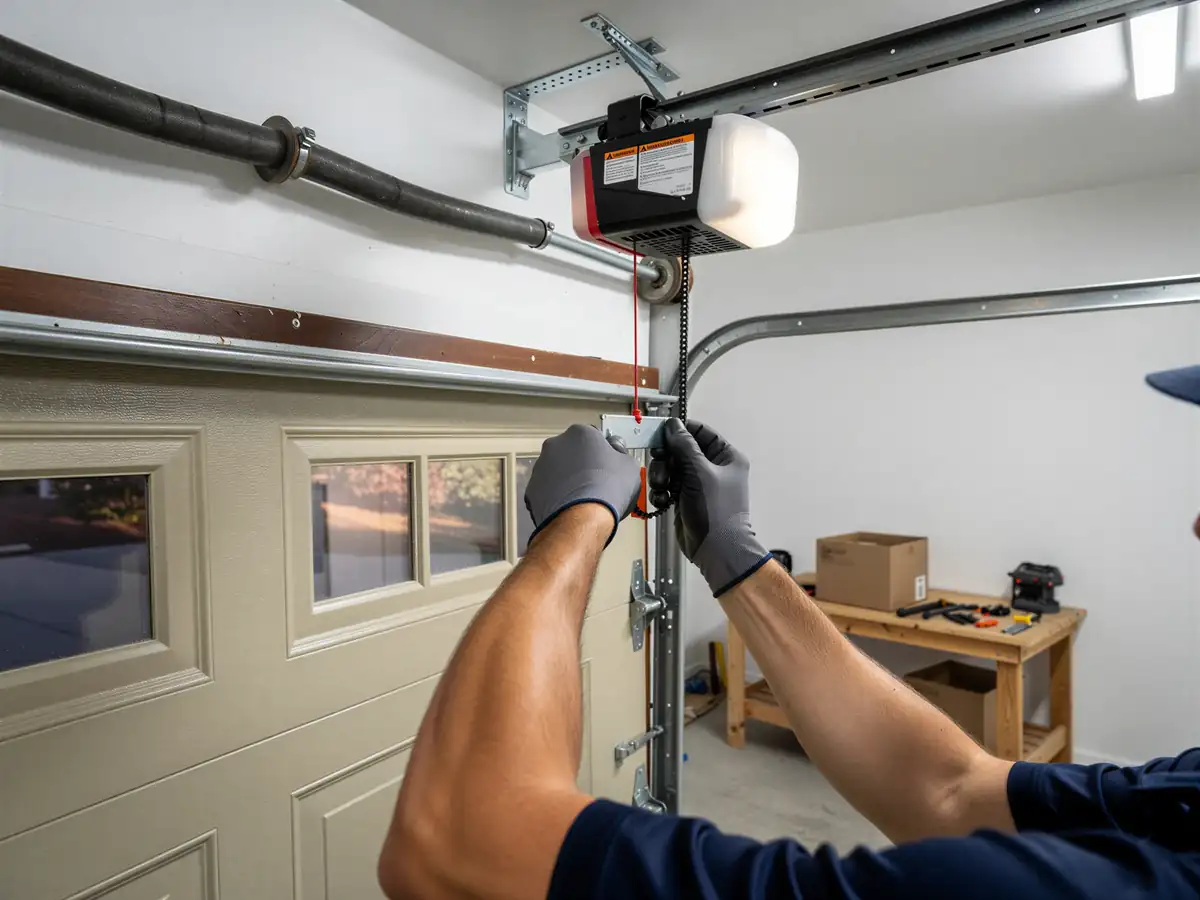
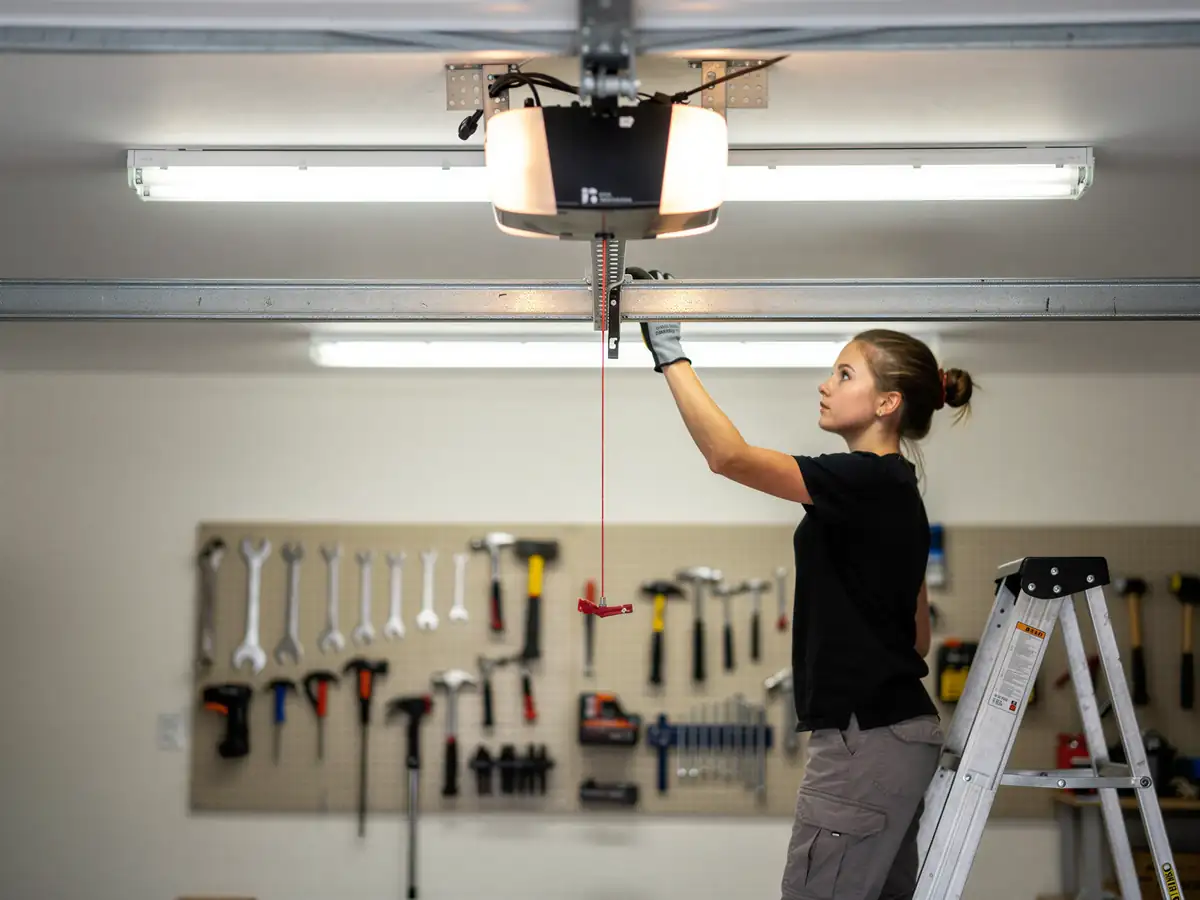
Some of this you can check before you call anyone. If the door won't respond to the remote but the wall button works, swap the remote battery first - it's the cheapest possible fix and it solves this more often than you'd think. If the opener runs but the door doesn't move, check that the drive mechanism - belt, chain, or screw - hasn't disengaged from the carriage; there's usually a manual release cord for exactly this reason.
What I'd leave alone: anything involving the logic board, the capacitor, or the limit switch settings. These aren't parts you adjust by feel, and a miswired board can put 120 volts somewhere it shouldn't be. Also leave the travel limits alone if you're not sure what you're adjusting - set them wrong and the door can slam down harder than it should, which turns a $150 part into a cracked panel.
If you've checked the battery and the manual release and the opener still won't run, that's the point to stop troubleshooting and call. Chasing a bad board with a multimeter you don't normally use isn't worth the afternoon, and garage door openers aren't forgiving of guesswork.