How It Shows Up
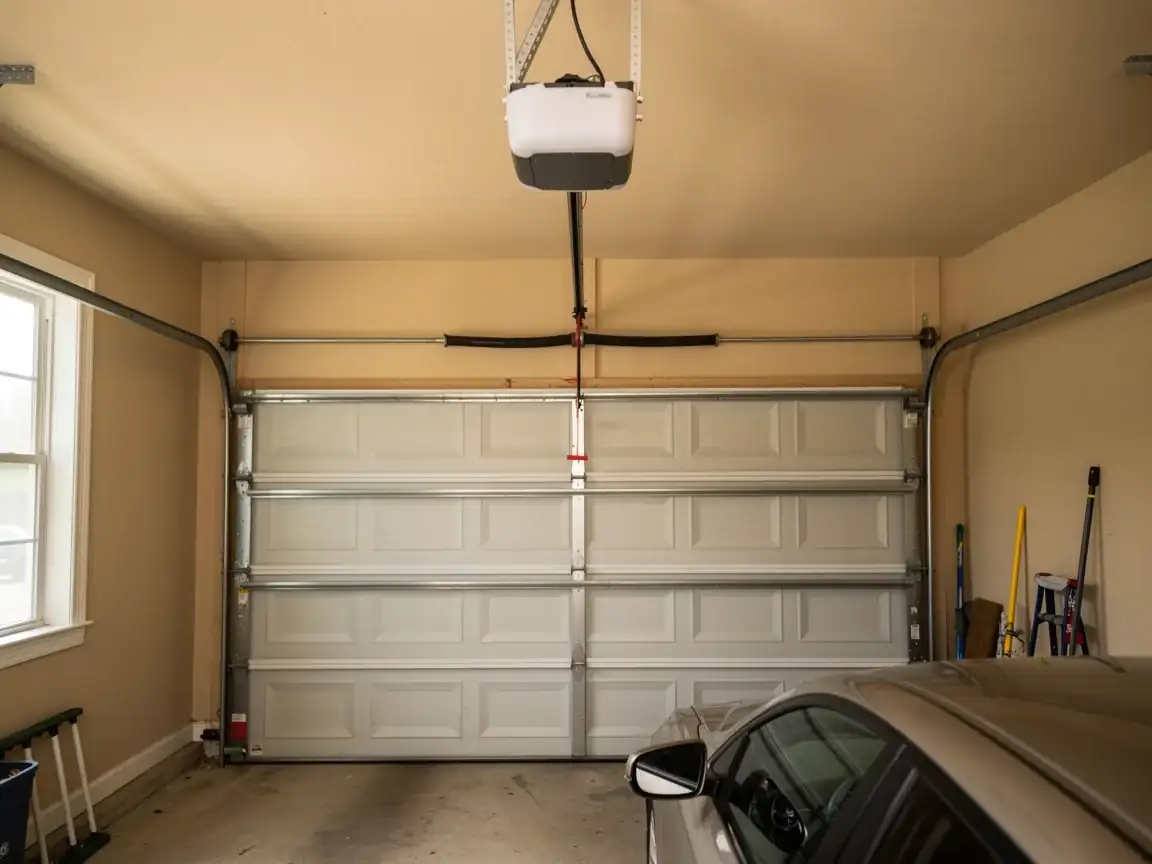
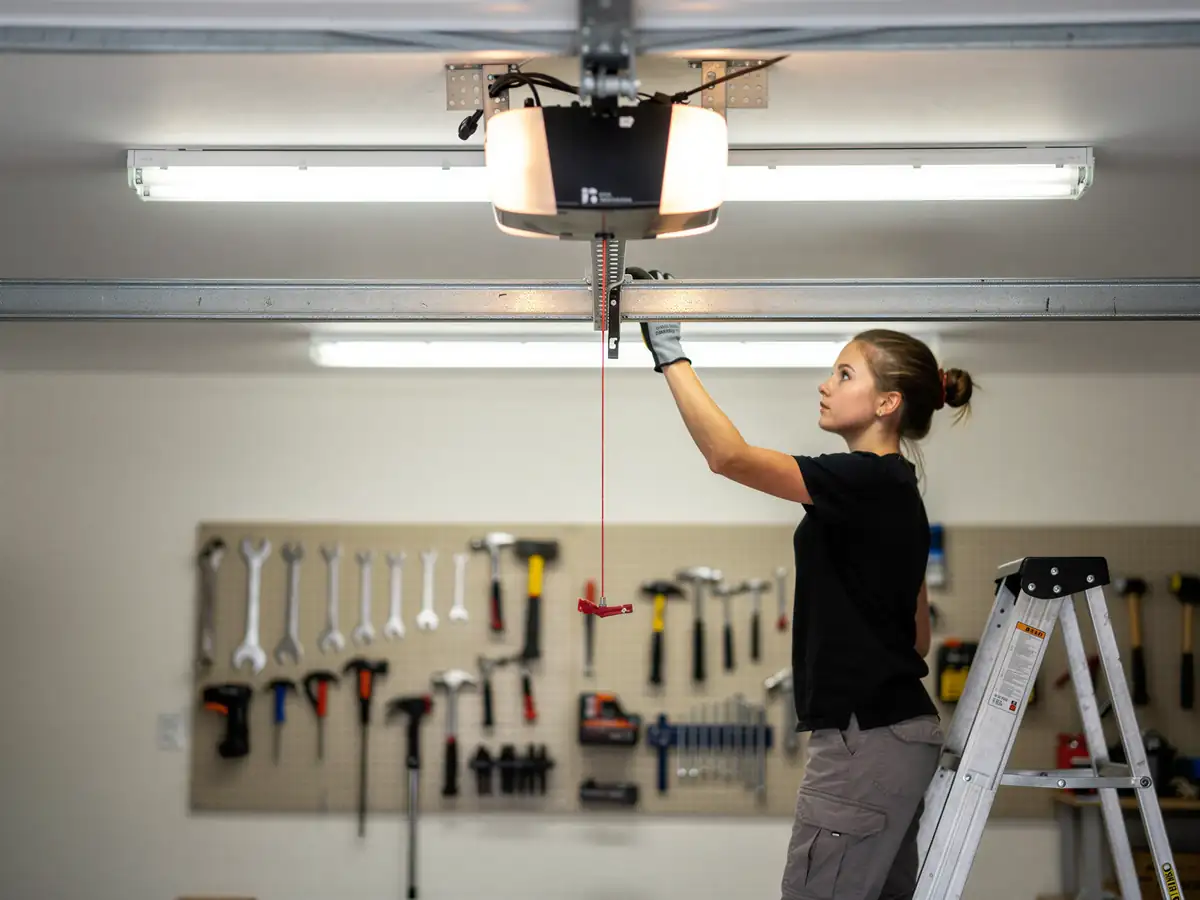
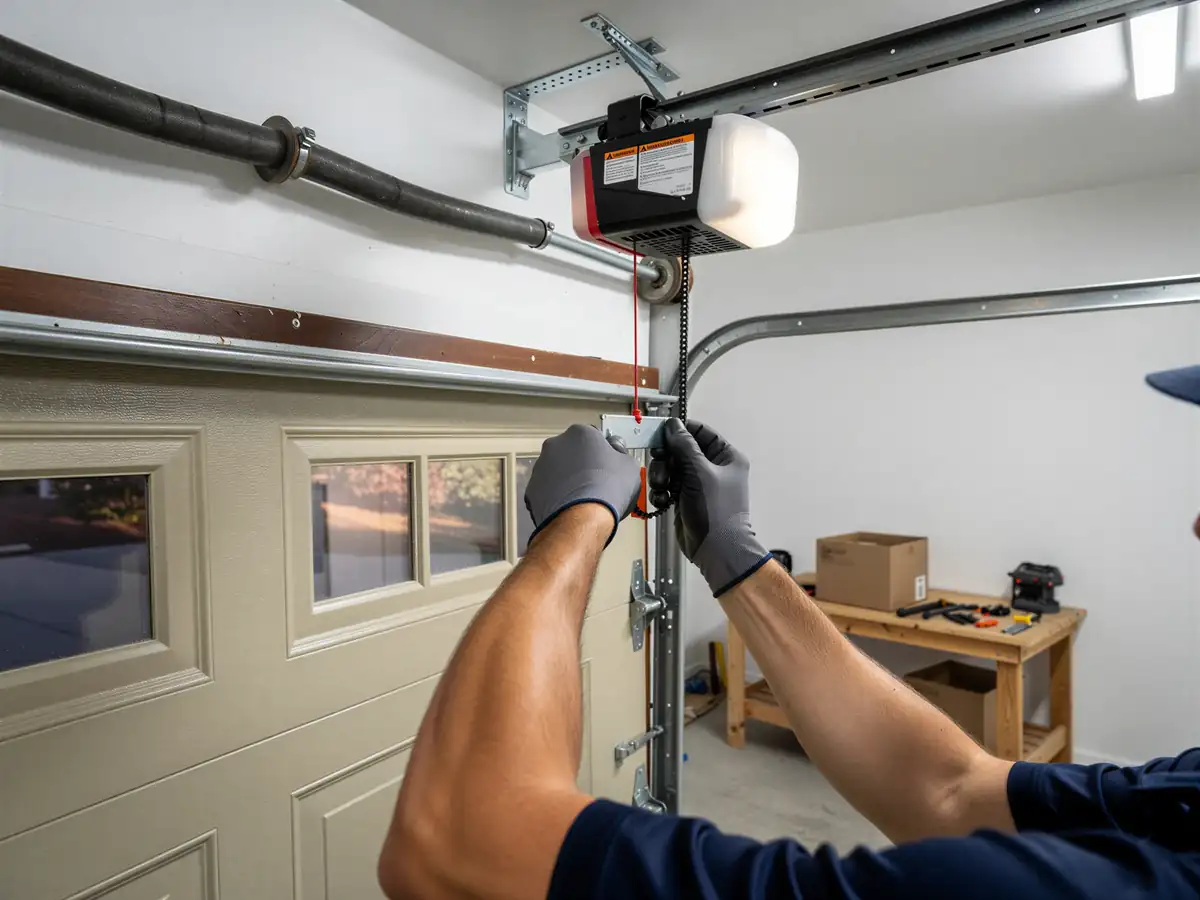
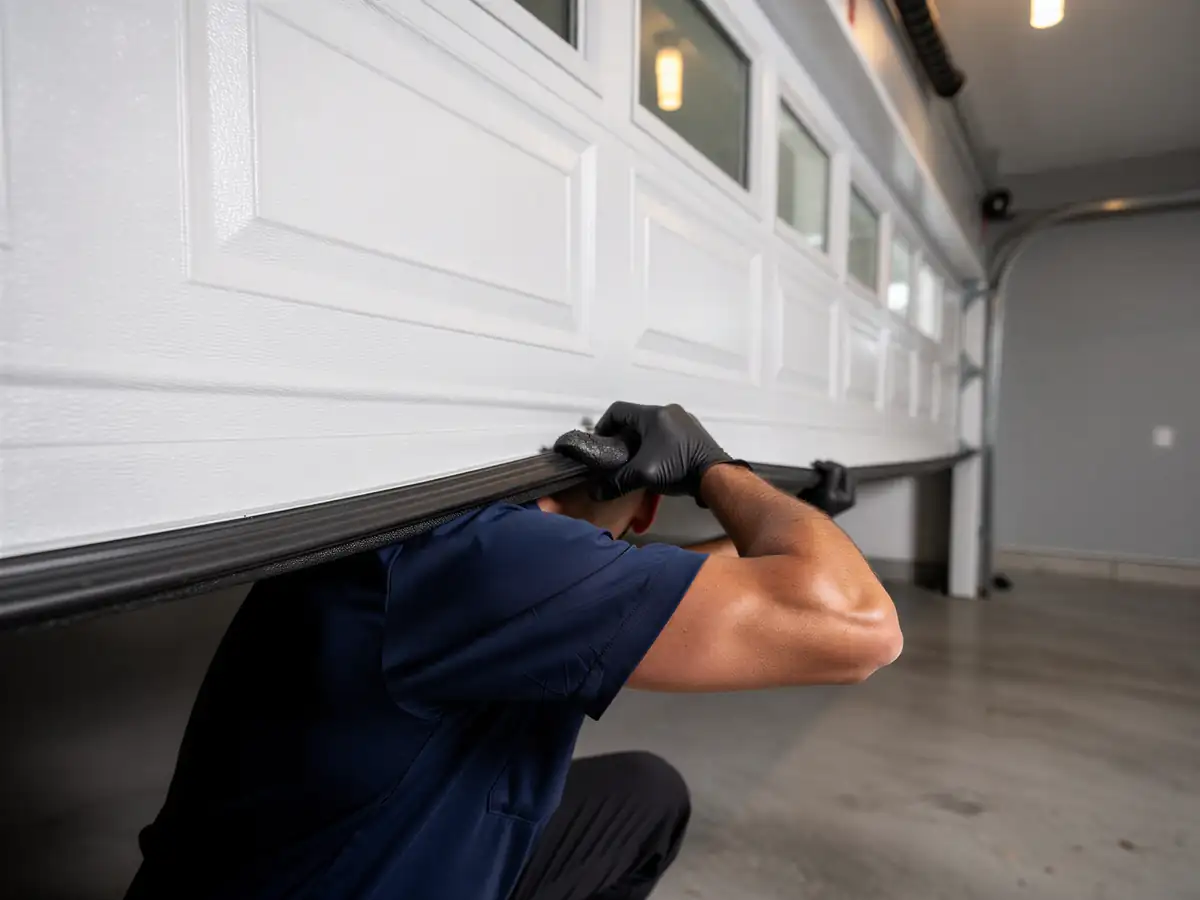
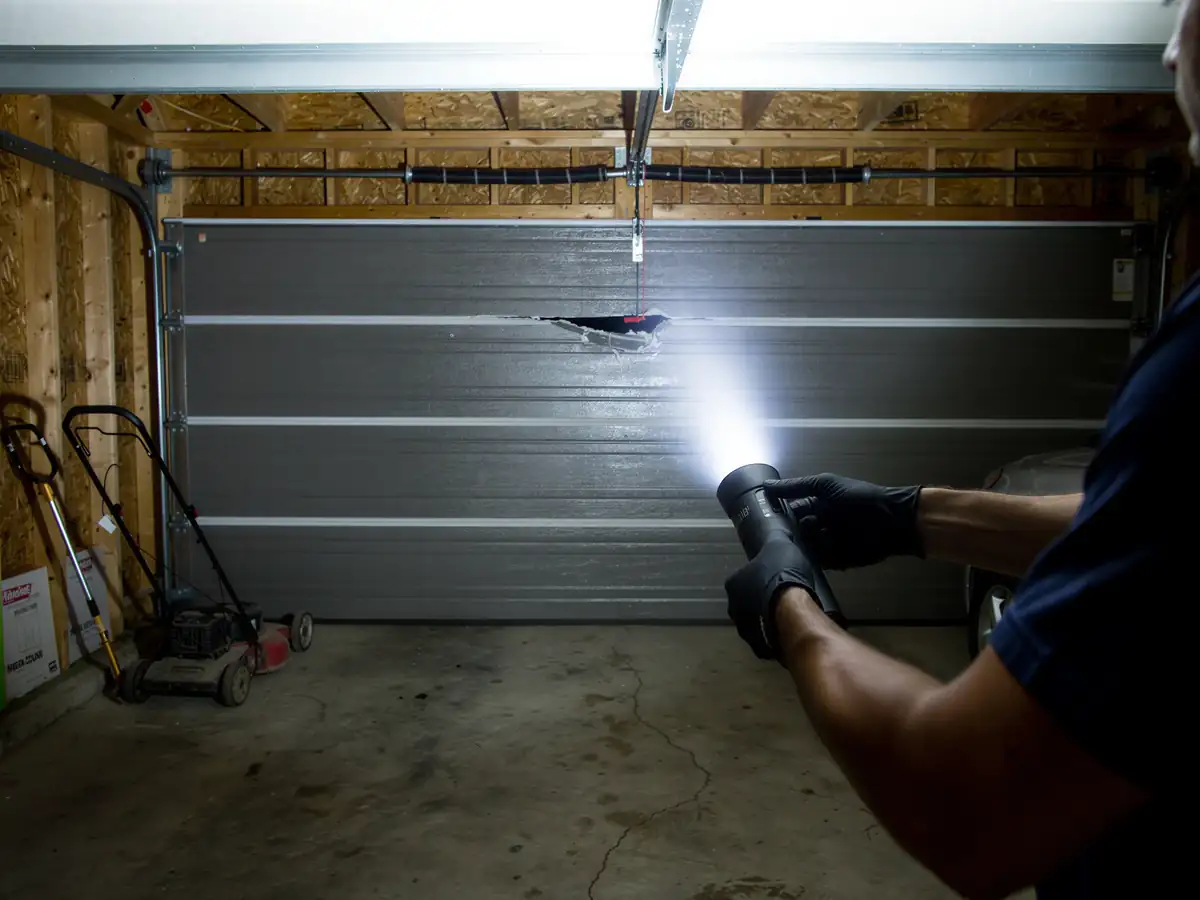
The door hesitates before it opens, or it opens fine and then slams the last foot of track on the way down. Sometimes the opener motor runs but the door doesn't move - that's usually a stripped gear or a spring that's quit carrying its share of the weight. You'll hear it before you see it: a grinding on the way up, a pop and then a dead stop, or a hum from the motor with no travel at all.
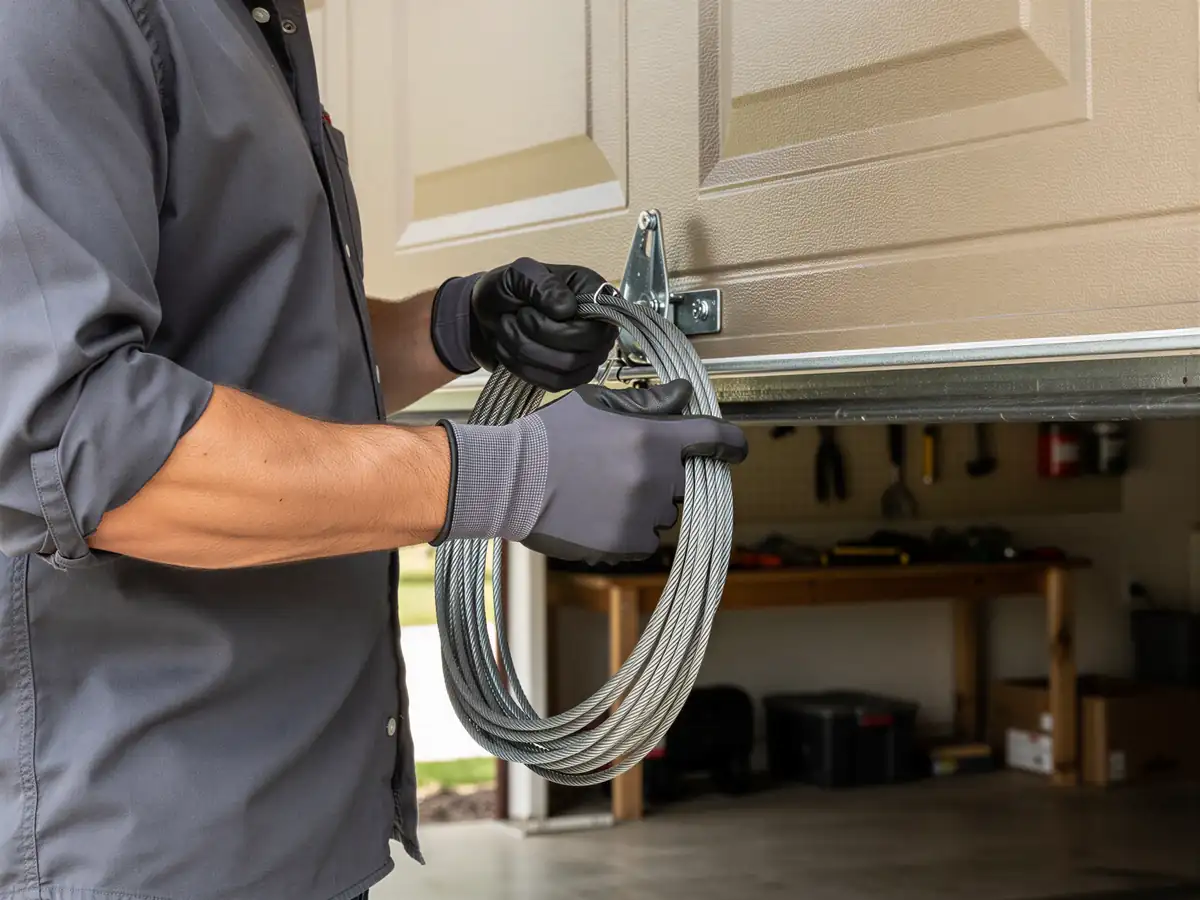
On newer openers (anything installed since the early 2000s on homes in this part of the service area) you might just get a blinking light and a code you can't read without the manual. On older setups - and there are plenty, since housing here spans 1974 through 2009 - the failure is more mechanical: a cable off its drum, a roller that's worn its track groove wide, a torsion spring that's lost a coil's worth of tension.
The common thread is timing. These doors don't fail at random. They fail hardest in the stretch of the year when the garage itself turns into the hottest room in the house, which is when metal parts are already expanded and under the most strain from a door that's heavier to lift than it was built for.
Why It Happens Here
Housing in this service area was mostly built between 1974 and 2009
With the median landing around 1984 and the bulk of the stock dating to the 1980s and 90s. That means a lot of original torsion springs and first-generation chain-drive openers are still hanging on 30 to 40 years past when they were new, in a climate the federal data bands as severe heat.
- 40 years
Heat doesn't just make the garage uncomfortable - it changes the metal
Torsion springs lose tensile strength faster when they cycle through repeated heat swings, and the grease on track rollers and hinges breaks down quicker than it would in a milder climate, which is why rollers bind and squeal here sooner than the manual says they should. Steel panels expand during the day and contract overnight, and on a door that's already 20-plus years old, that daily flex finds every weak weld and loose hinge screw.
So the pattern we see across this part of the county isn't random bad luck
It's a predictable collision between 1980s-and-90s build quality and a climate that accelerates wear on exactly the parts those builds used - torsion springs, steel rollers, and single-stage openers not designed for this many heat cycles.
The Cost of This Job
I'm not going to put a number here that I can't back up - the honest answer is that cost depends on what's actually failed, and I haven't seen your door. A worn roller is a different job than a broken torsion spring, which is a different job than a motor that's seized. What drives the cost on most calls in homes from this era is whether the spring size and opener model are still common stock or something a supplier has to special-order, since some of the hardware original to 1980s construction isn't made the same way anymore.
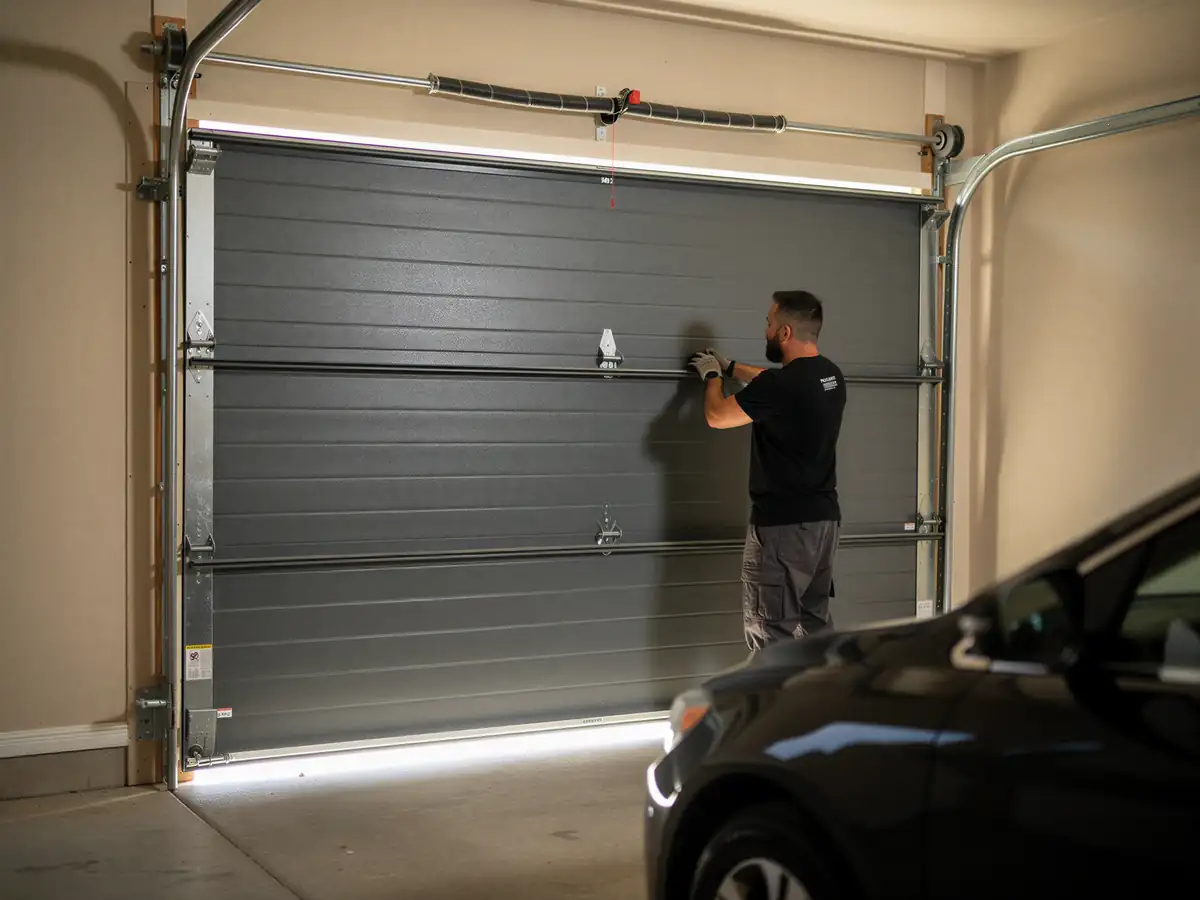
What I can tell you is what to expect in terms of process: a straight look at the door, an honest answer on whether it's a repair or whether the door's age means replacement is the better money, and a number before anything gets touched. If a part needs to be ordered rather than carried on the truck, that adds time, not guesswork to the price - I'll tell you that up front too.
The area median household income sits around $84,369, and most repair jobs on a single door land well under what a full door replacement would run. That's the general shape of it, but the real number comes from seeing the door.
Doing It Yourself
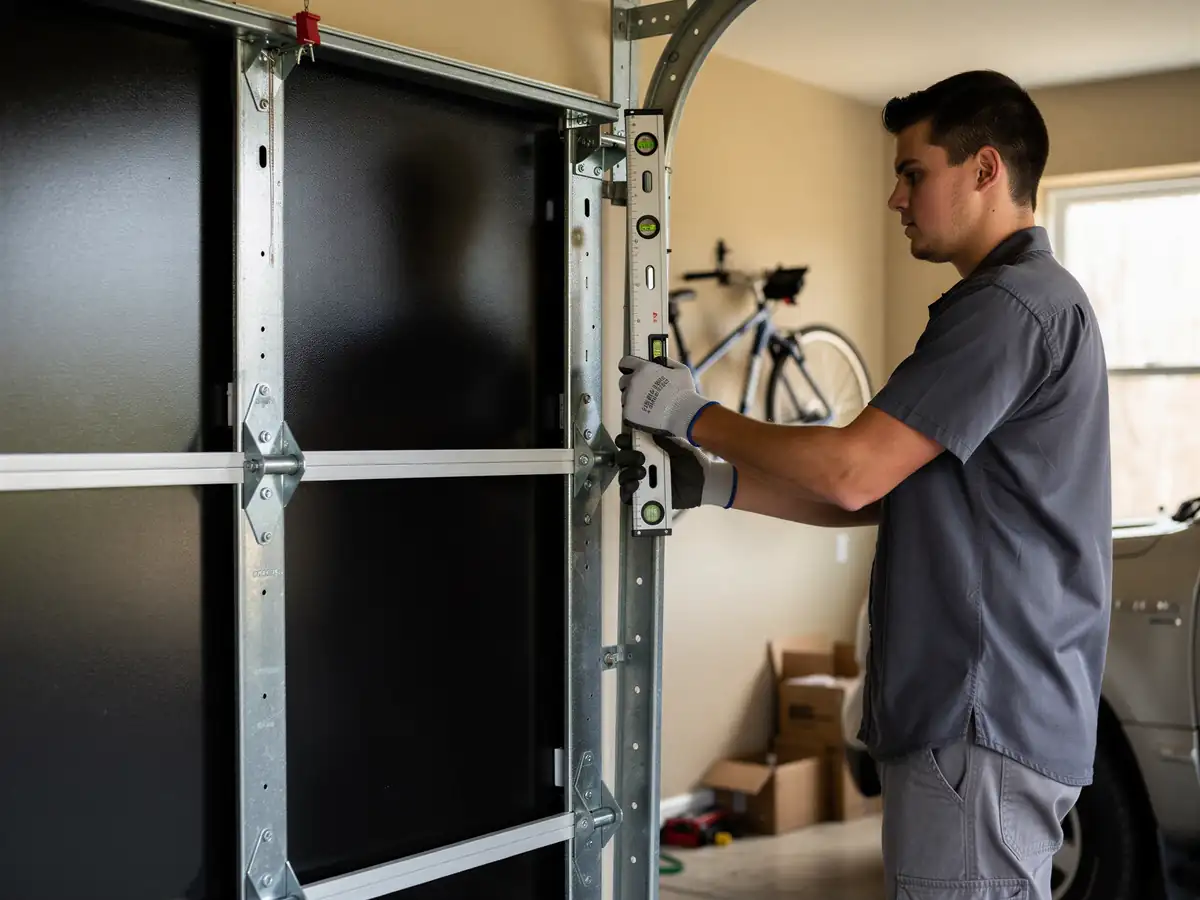
Some of this you can check yourself before calling anyone. Look at the tracks for dents or gaps where the rollers have pulled loose - tighten the mounting bolts if they've worked loose, which happens on doors that have been cycling through heat swings for 20-plus years. Clean and lightly lubricate the rollers and hinges with a garage-door-rated lubricant, not household oil, which attracts dust and gums up faster in a hot garage.
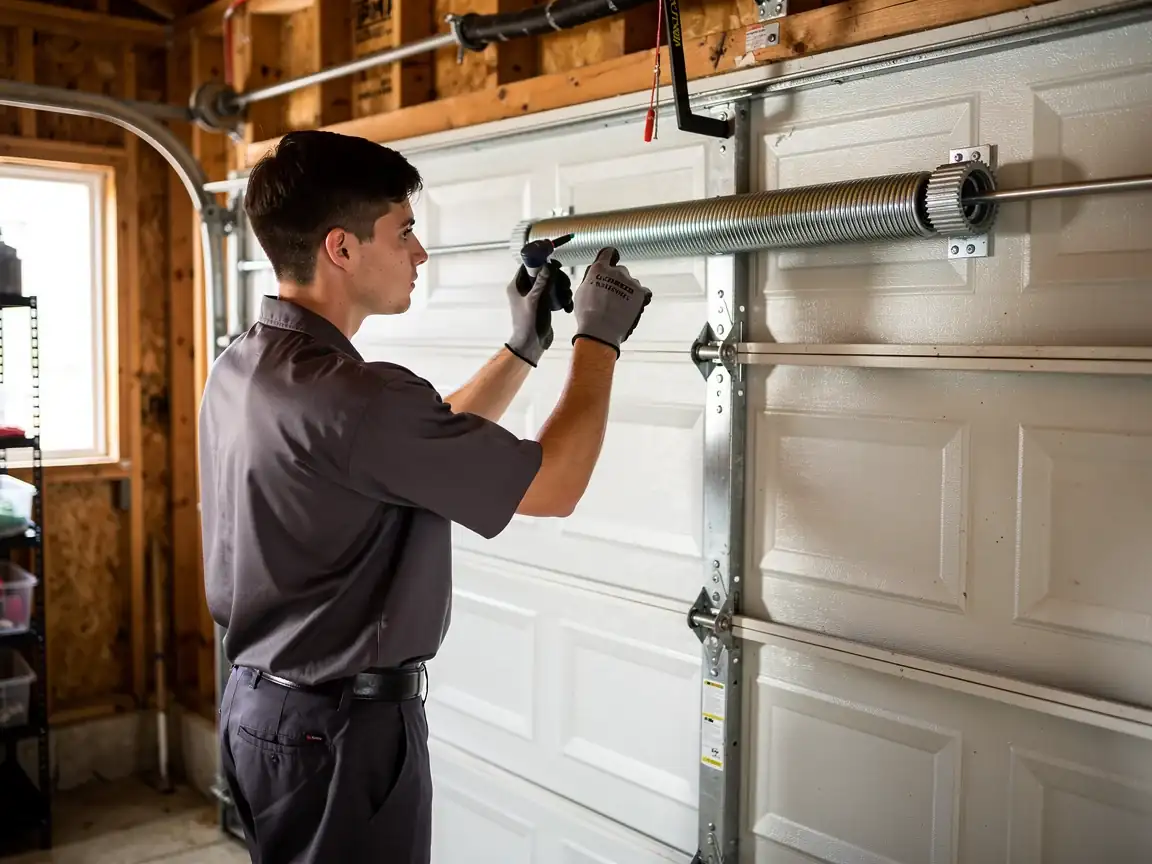
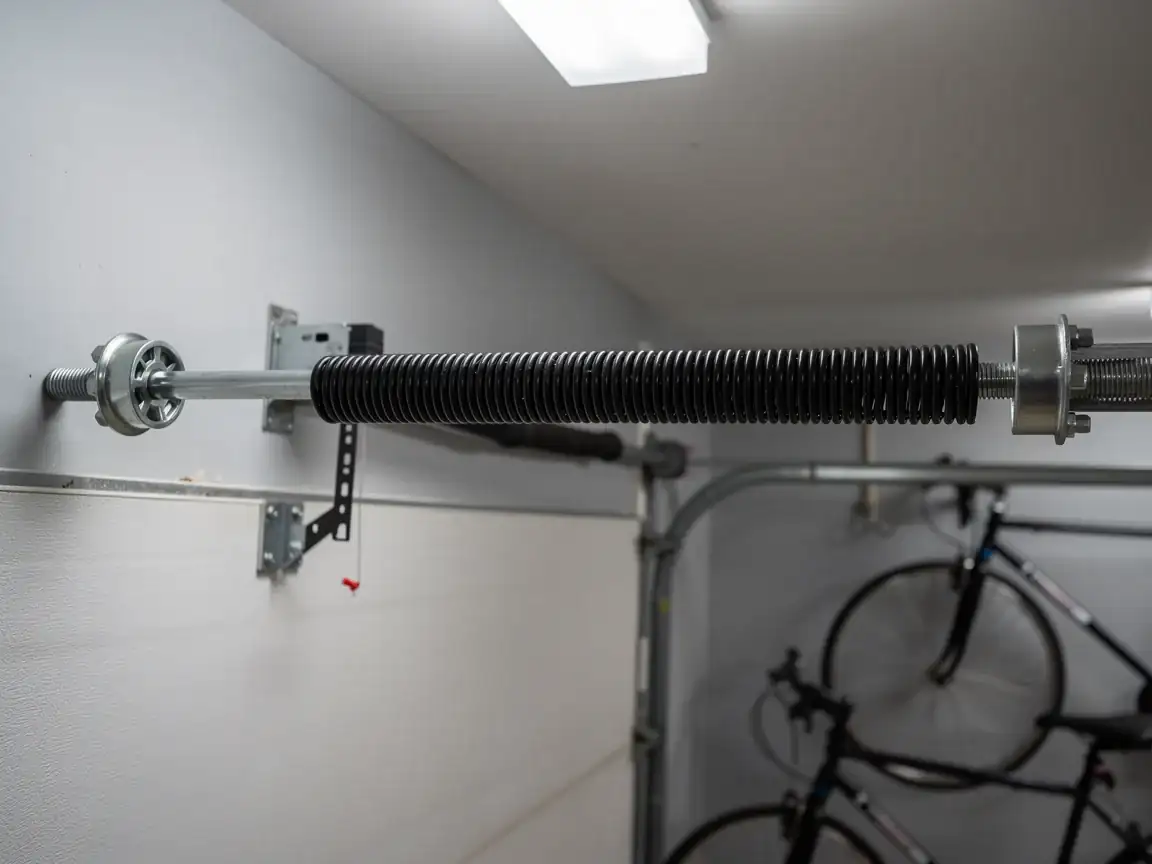
What you should not do is touch the torsion spring. It's under enough tension to break a bone or worse, and that's true whether it's an original spring from a 1980s build or a replacement installed five years ago. If the door is off its tracks, if a cable has come off the drum, or if the spring itself looks stretched, uneven, or visibly broken, that's a call, not a project.
If your opener is original to a house built in the 1970s or 80s, replacing it outright is often smarter than chasing parts for a unit that long out of production - that's a judgment call worth getting a second opinion on before you spend money chasing a fix that won't last.