How It Shows Up
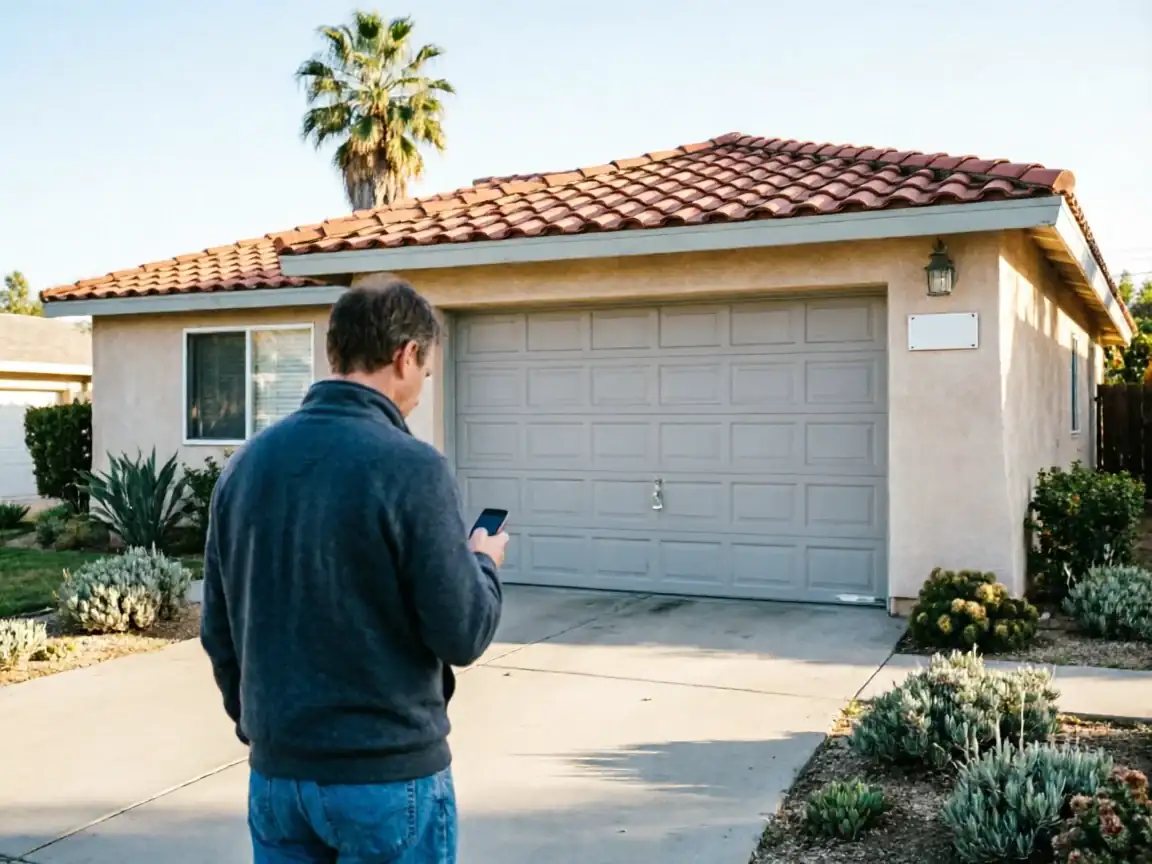
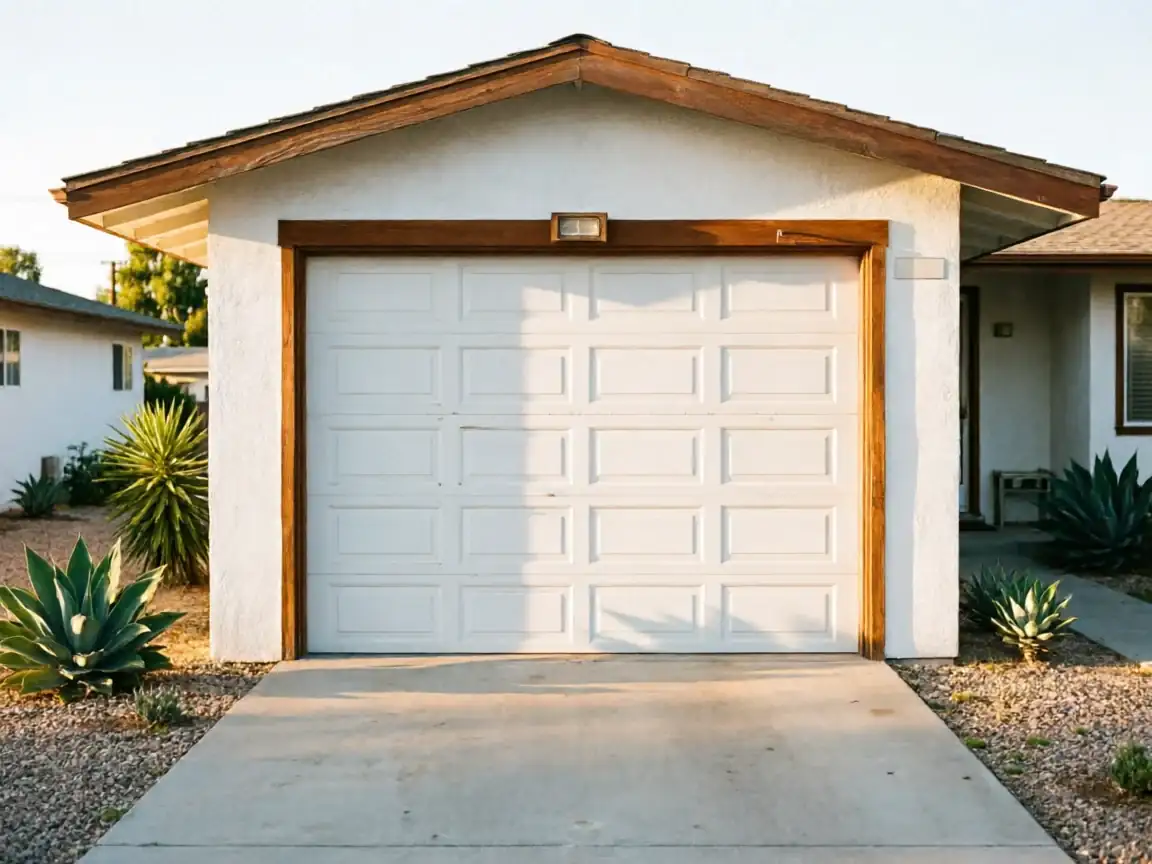
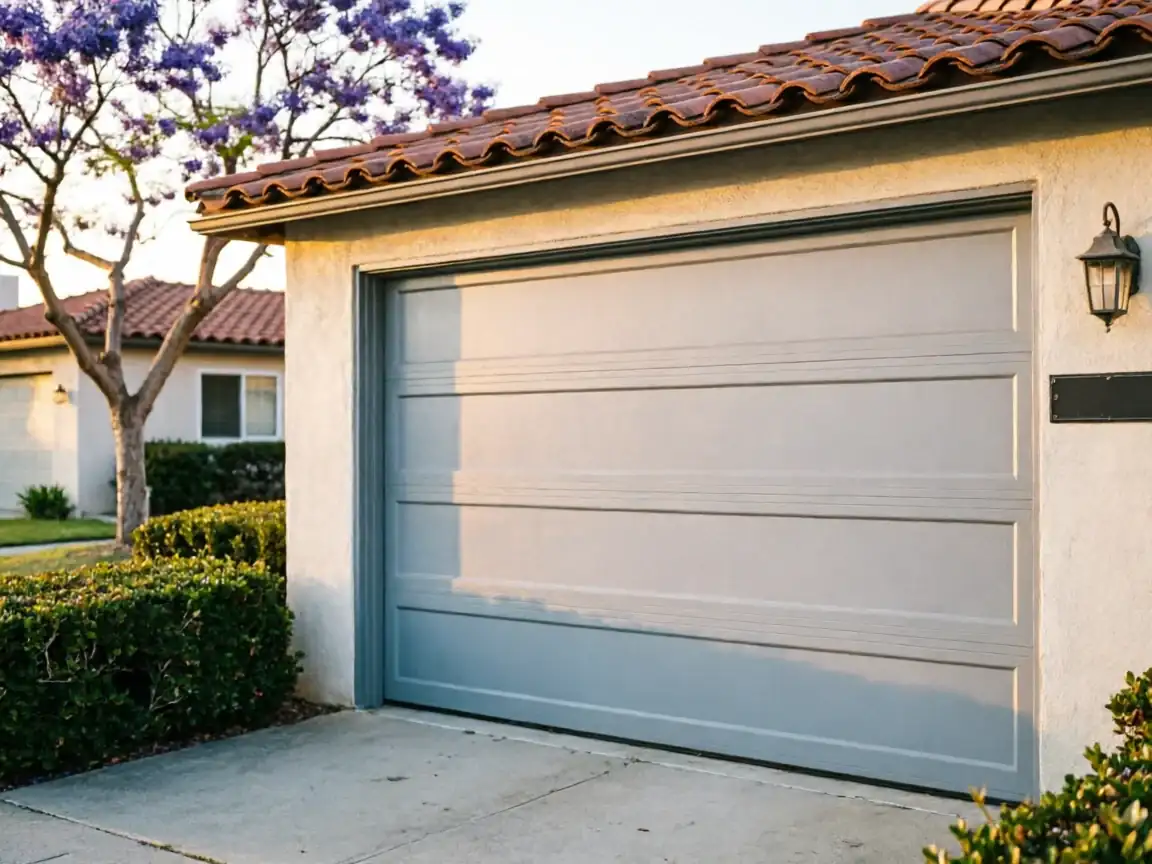
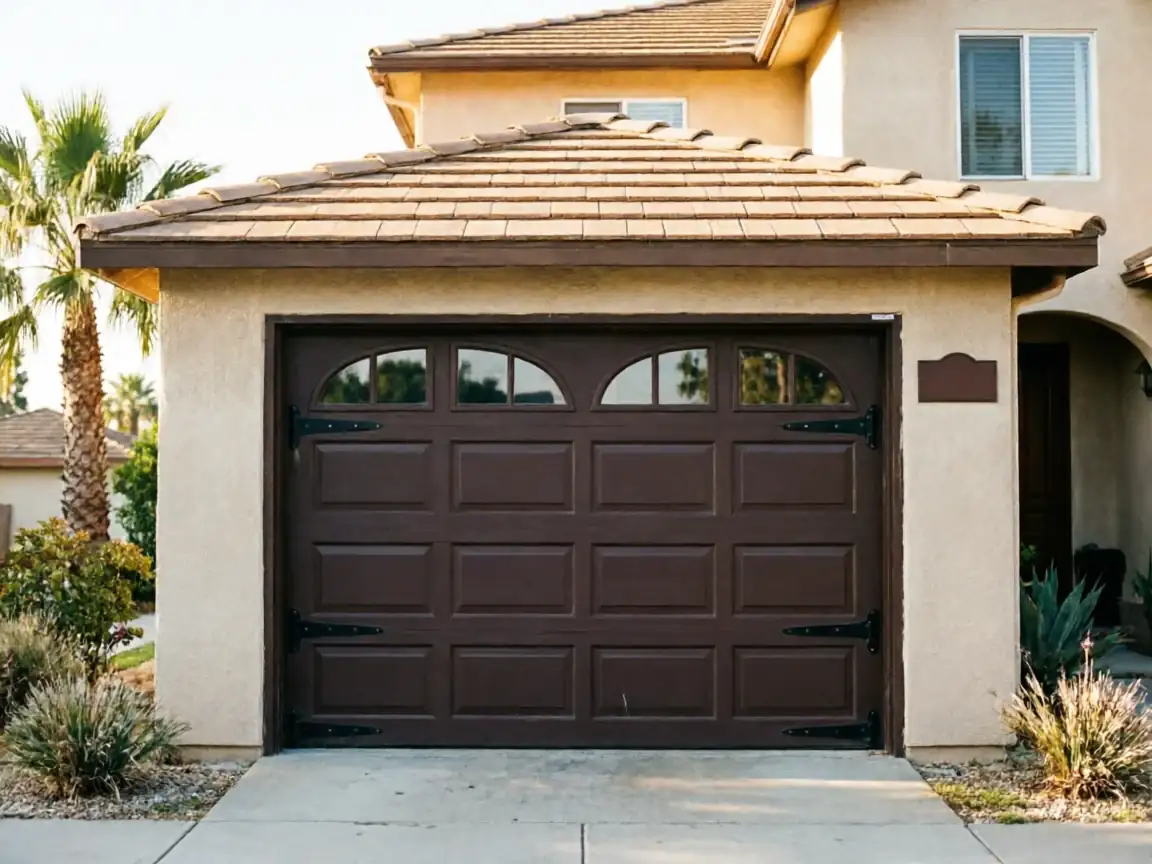
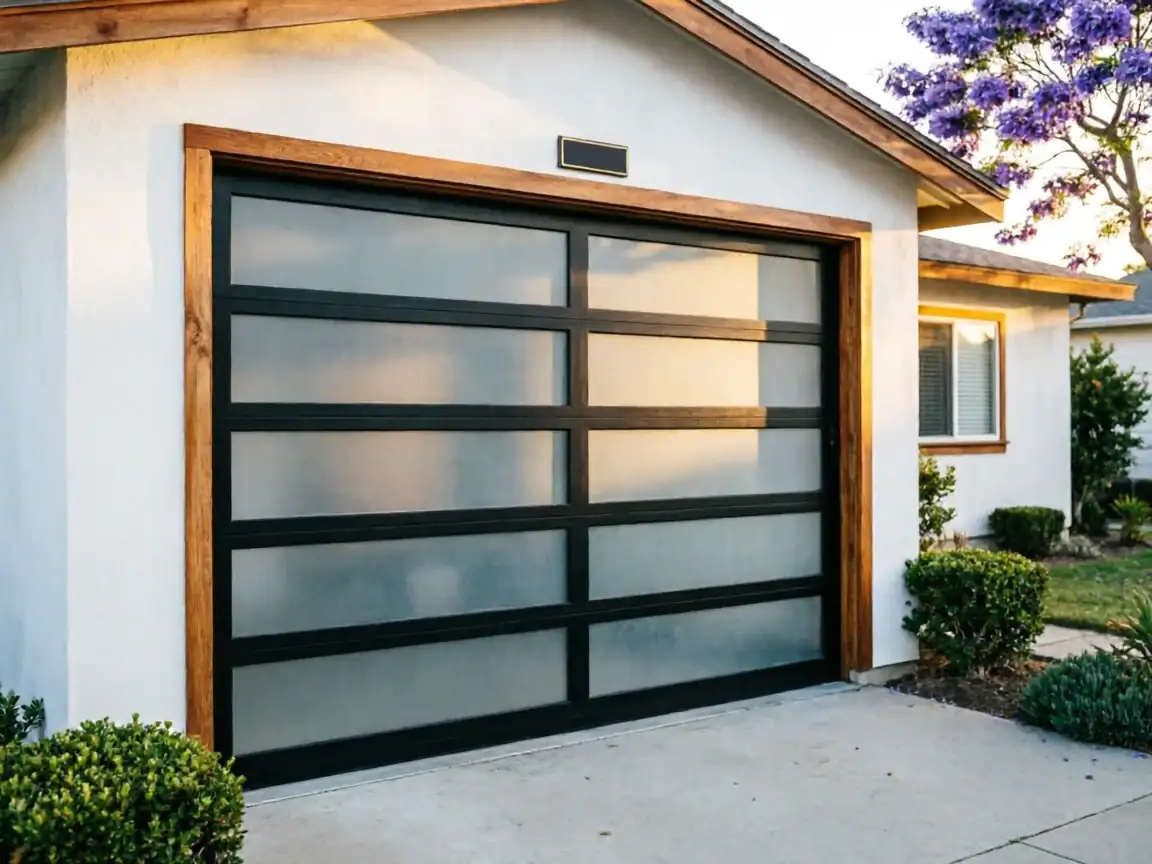
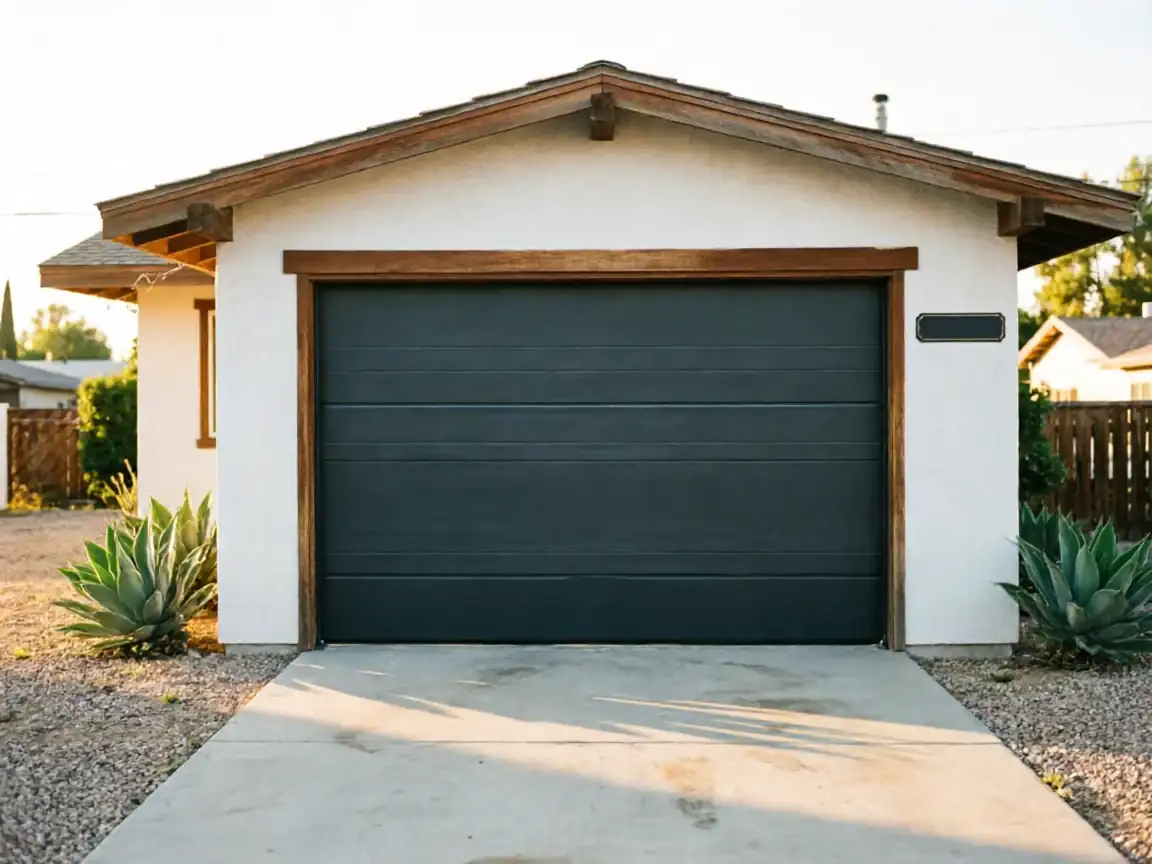
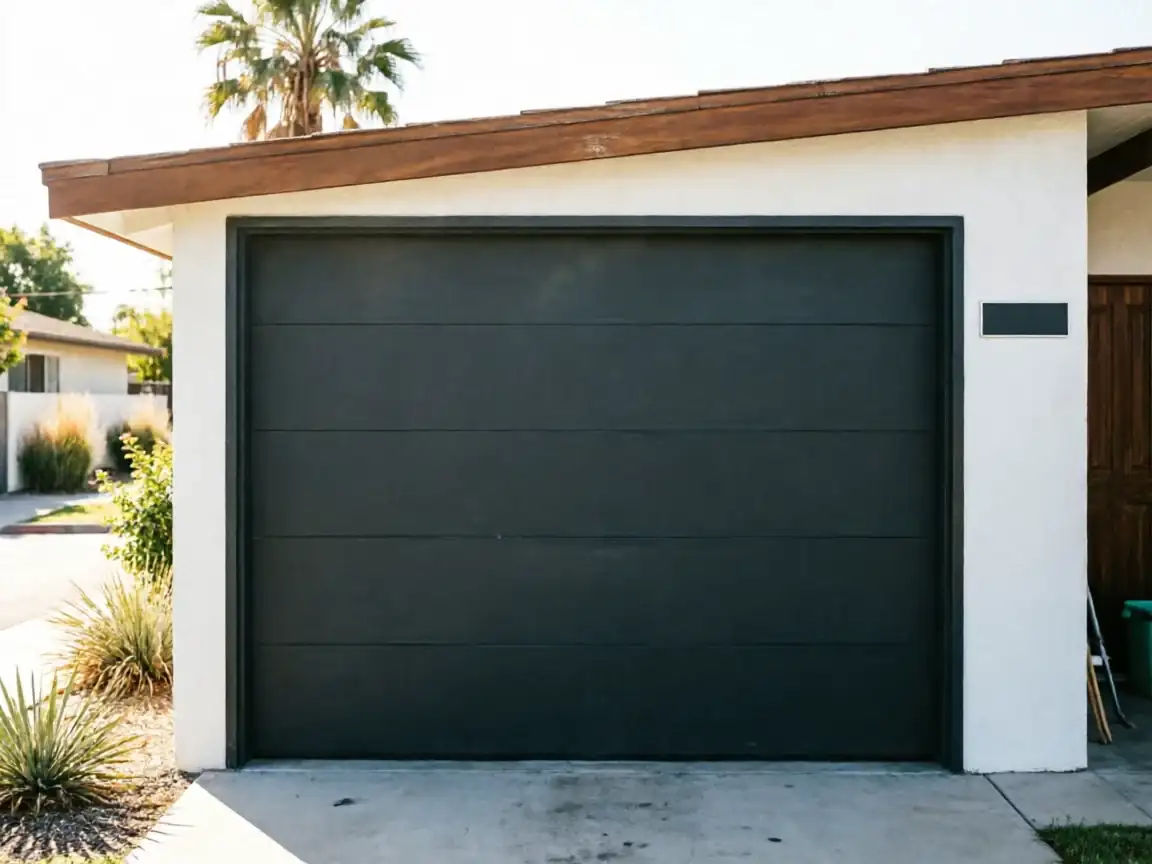
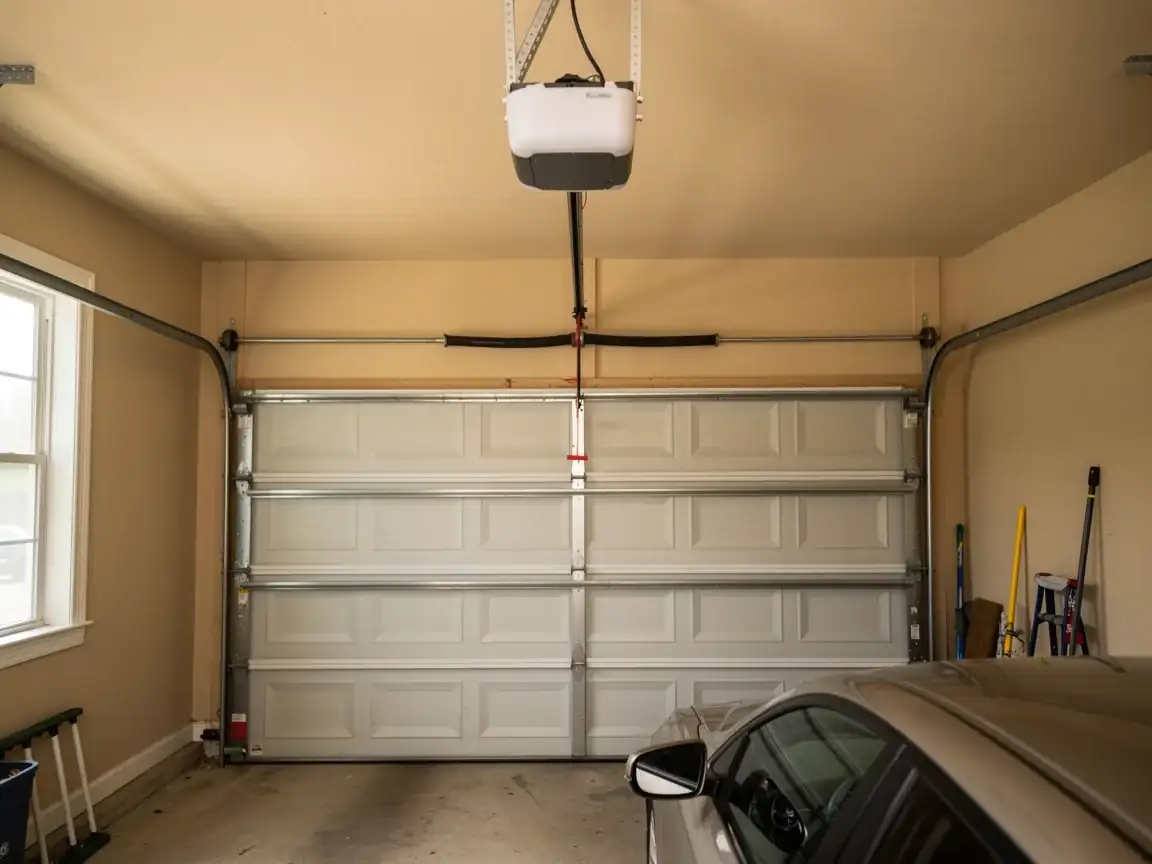
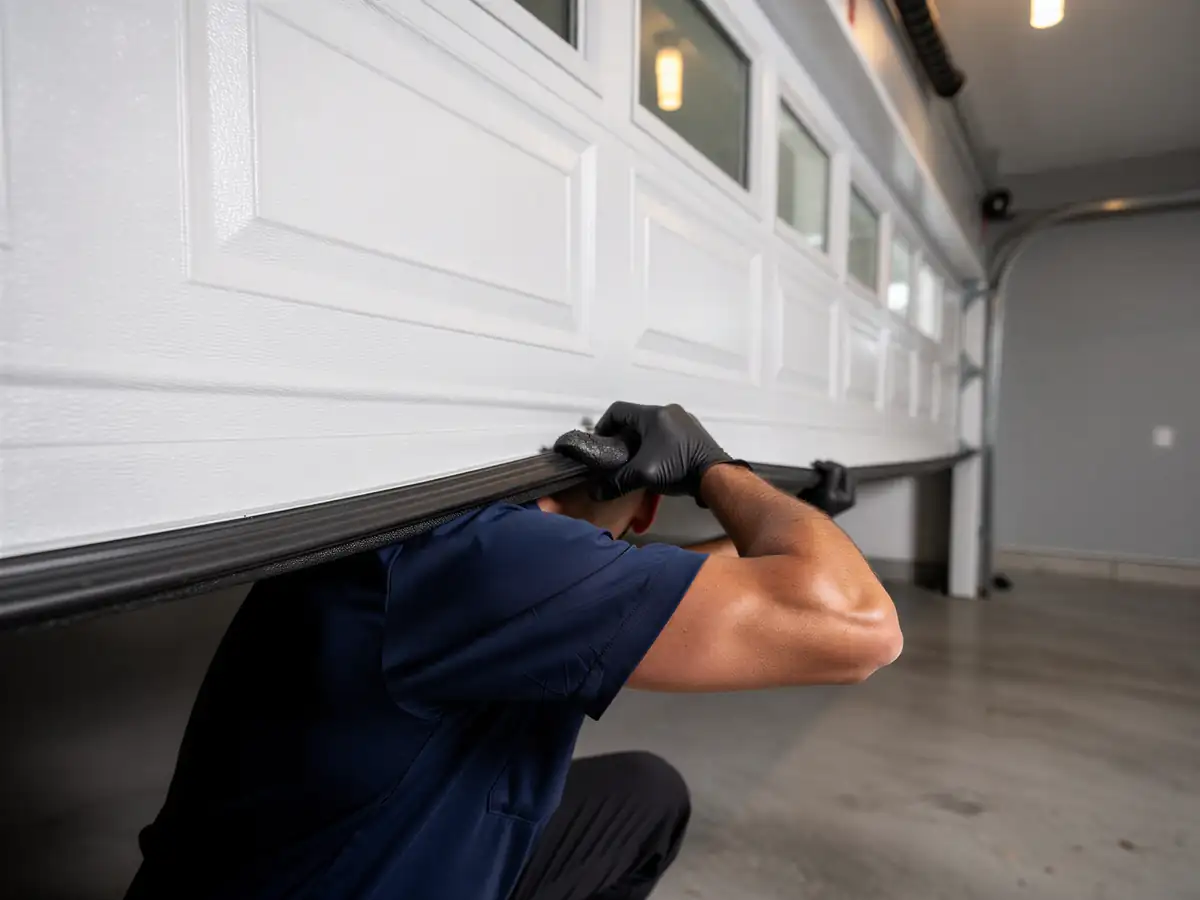
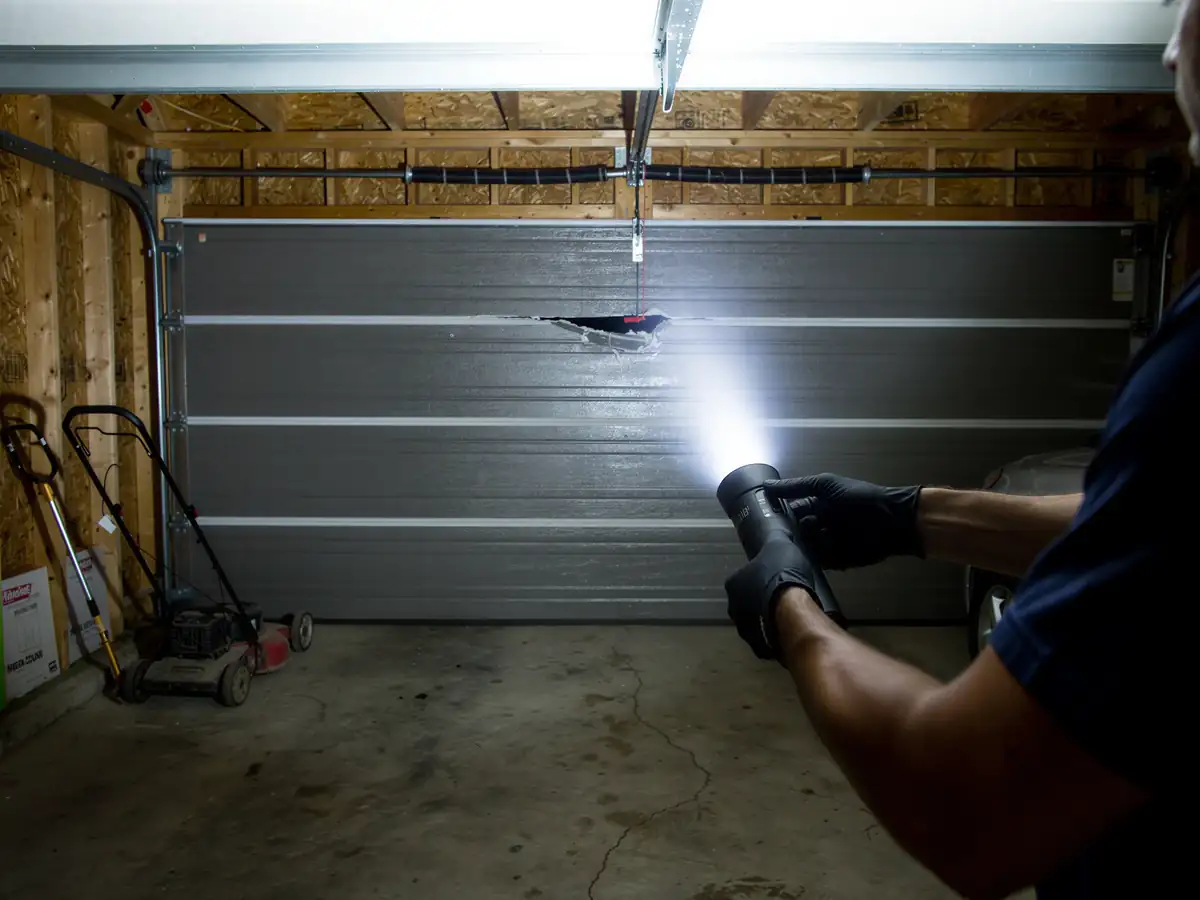
You notice it slow, then all at once. The door starts sagging at the bottom corner, the weatherstrip stops meeting the slab, and the opener strains on the last foot of travel because the track is no longer square to a panel that's bowed from heat cycling. On a lot of the single-skin steel doors that came standard in Menifee's tract-home years, the panel face expands in the afternoon and contracts overnight, and over enough summers that flexing works the seams loose and pulls the hinges out of true. You'll see daylight at the bottom seal even with the door fully down. Springs that were sized for a lighter door, or that have just logged more open-close cycles than they were rated for, start showing fatigue the same way - a door that used to lift with one hand now needs two, or the opener chain starts skipping. None of that means the opener is bad. It usually means the door itself, the springs, and sometimes the track are original to a house that's now old enough that replacing rather than patching makes sense. If your rough opening still fits a standard 16x7 or 9x7, a new install is usually simpler than anyone expects - the harder jobs are the ones where the opening was framed nonstandard back when the house went up.
The Cost of This Job
What drives the price on an install isn't the brand name on the door, it's three things: the size of the opening, whether you want an insulated panel versus the original single-skin steel, and whether the springs and track need to be replaced along with the door or can be reused. Most of the openings we run into across the service area's 77,336 owner-occupied houses are standard sizes from that 1974-2009 build era, which keeps material costs predictable - it's the custom or oversized openings, less common but out there, that push a job higher. An insulated door costs more up front than a bare steel panel, but given the severe-heat rating for this area, it's usually the difference that matters most for a garage that shares a wall with living space. At a median household income of $84,369 for the service area, most homeowners we talk to are weighing insulation and a quieter opener against a bare-bones swap, not whether they can afford a door at all. We don't quote a number here because every opening, spring count, and track condition is different - that's a conversation for a look at your actual door, not a blanket figure.
Doing It Yourself
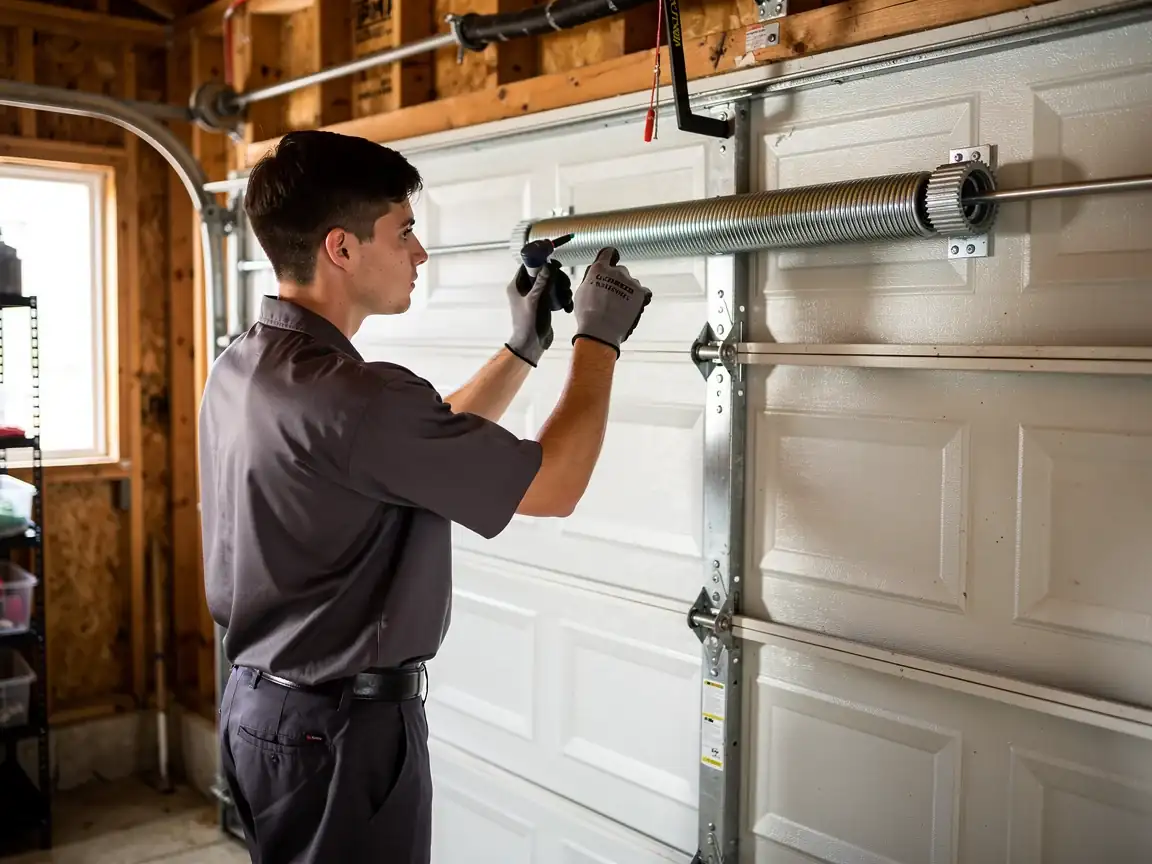
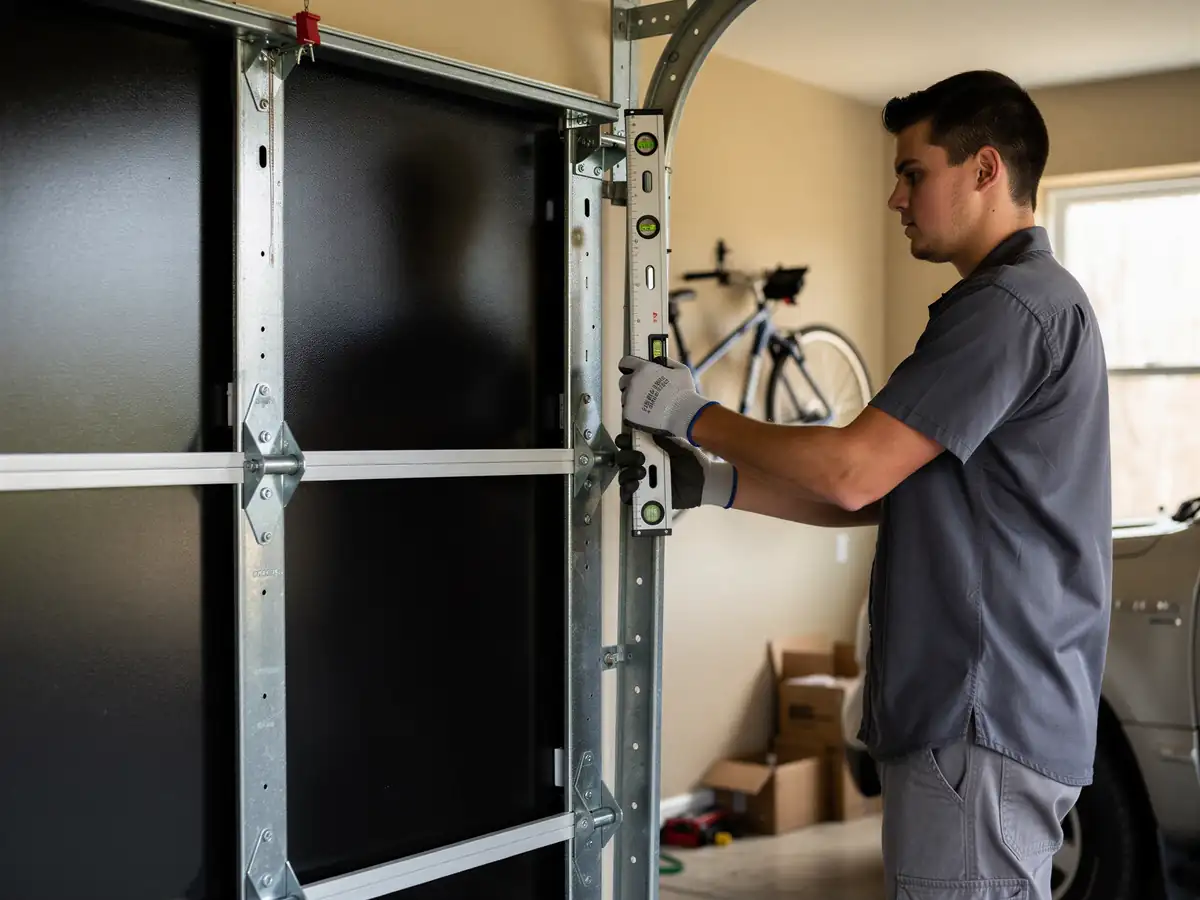
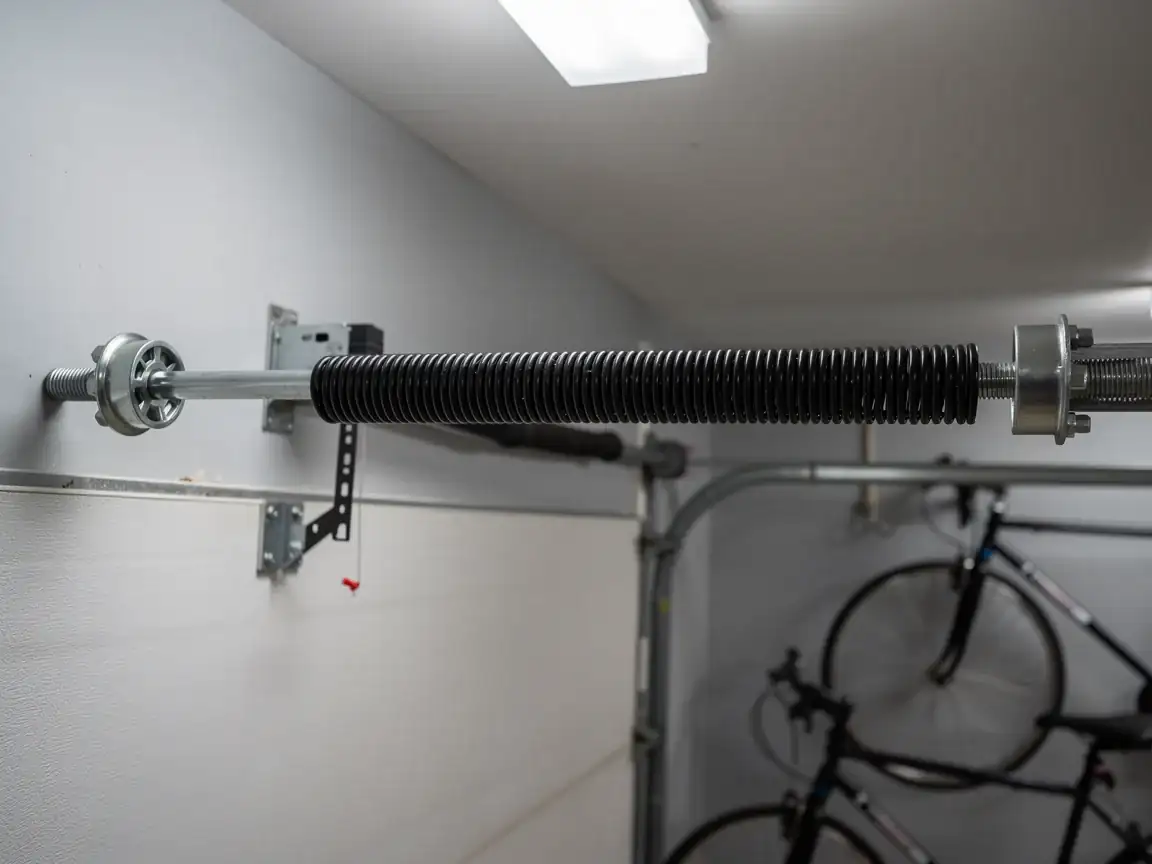
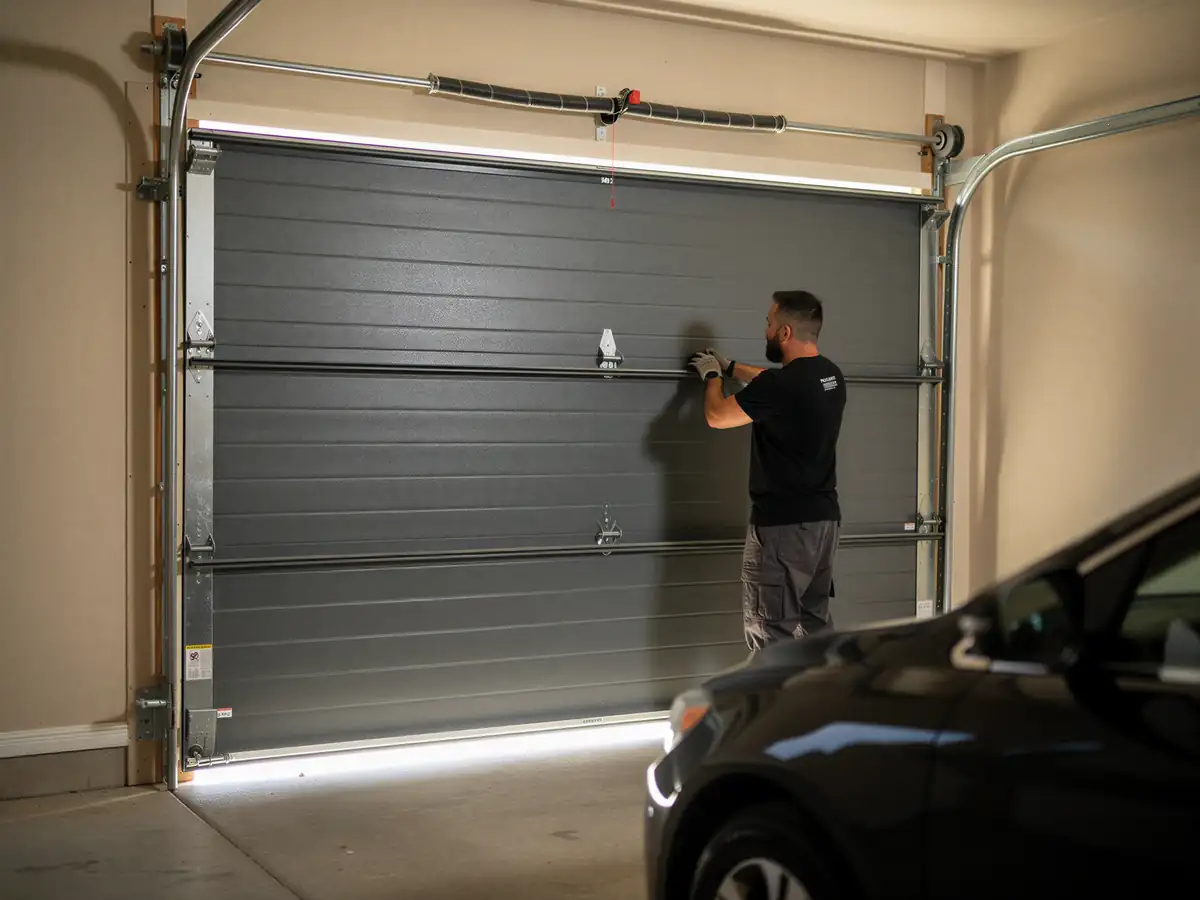
A torsion spring under tension can break a hand or worse, and that's true whether the door is new or forty years old - it's the one part of this job we tell people flat out not to attempt themselves. Panel swaps and track alignment are more forgiving, but if your house is one of the many in this area built in that 1974-2009 window, you may be dealing with a rough opening that doesn't match current standard door sizes, and ordering the wrong width wastes money and a weekend. Where DIY genuinely works is cosmetic: weatherstrip, lubricating rollers, tightening loose hinge bolts. Full installs involve setting a door square in an opening that's had decades to settle, winding springs to the correct turns for the door's actual weight, and balancing the opener's force settings so it doesn't fight the springs - get any one of those wrong and you've got a door that either won't stay up or slams down. If you're comfortable with hand tools and want to handle the small stuff yourself, that's fine. The spring and track work is where we'd ask you to call instead.