How It Shows Up
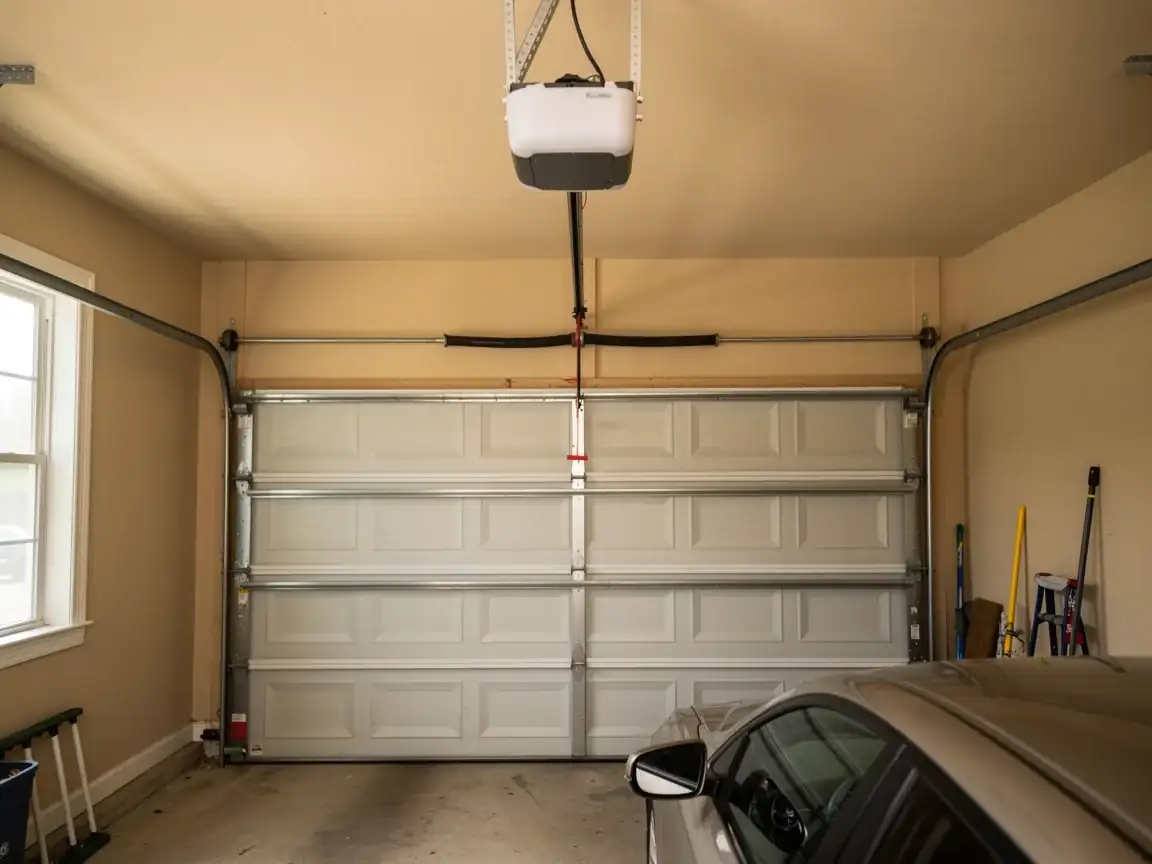
The opener usually gives you warning before it quits outright. You hit the remote and the light flickers but the motor hesitates, grinding for a second before it catches. Or it runs the door halfway up and stops, the safety sensors blinking because the logic board inside can't finish the cycle. Some homeowners notice the chain or belt slapping against the rail, loose from years of thermal expansion and contraction. Others just get a dead unit on a Tuesday morning with the car trapped inside.
Across the service area, most of this shows up in houses built between 1974 and 2009, with the bulk of that stock dated to the 1980s and 90s. That means a lot of garages still have the chain-drive opener that came with the house - a unit designed before modern safety reversal standards, often without rolling-code security or battery backup. When it fails, it's not a part you swap; it's the whole head unit, because the circuit boards from that era aren't made anymore and nobody stocks them.
If your opener is original to a house from that build window, intermittent failure on a hot afternoon is the pattern to watch for, not the exception.
Why It Happens Here
Menifee sits in a climate band rated severe for heat
And heat is the single hardest thing on an opener's electronics. A garage that bakes through a Riverside County summer can push the air inside well past what the circuit board and capacitors were built to handle, especially in an unvented garage or one with a south- or west-facing door. Capacitors dry out faster, solder joints fatigue, and the logic board that controls travel limits and safety reversal starts misreading its own sensors.
That heat load lands hardest on the same housing stock that's aging out on its own schedule
Homes from the 1980s and 90s - the dominant era across two dozen named areas in this part of the county - are now 30 to 45 years old, which is past the realistic service life of most chain and screw-drive openers even without heat stress. Put an original-era opener in a hot, unvented garage for three decades and the failure isn't a surprise, it's arithmetic.
- 45 years
This is also why opener trouble tends to cluster seasonally here rather than spreading evenly across the year
The same units that ran fine all spring start failing once the garage temperature climbs.
The Cost of This Job
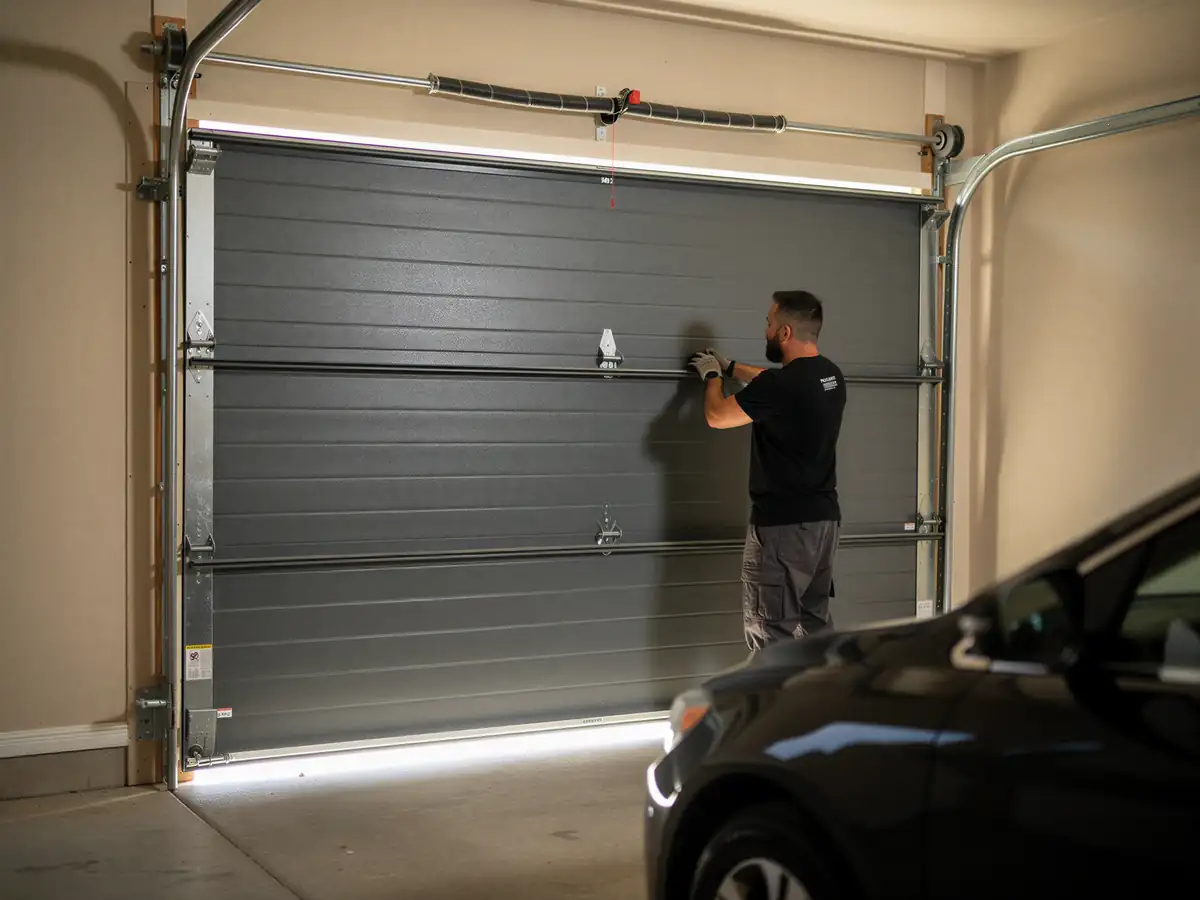
I don't have a flat number to quote you here, because the job changes with what's on the ceiling and what's on the wall. A straight swap - same mounting points, same rail length, no reinforcement needed on an older door - is a different job than one where the bracket, the header, or the wiring has to be redone to fit a modern unit.
What does move the number: whether you want battery backup (worth it if the power drops and you still need to get the car out), whether you want a belt drive instead of chain for a bedroom-adjacent garage, and whether the existing door itself needs attention first - there's no point bolting a new opener to a door with a cracked panel or a tired spring.
Across the service area, with 77,336 owner-occupied houses and a median household income of $84,369, we see more owners opting for the mid-tier unit with smartphone control and battery backup than the bare-bones model. That's a choice, not a requirement - the basic chain-drive unit still does the job for a lot of garages. Ask for the breakdown before the truck leaves, not after.
Doing It Yourself
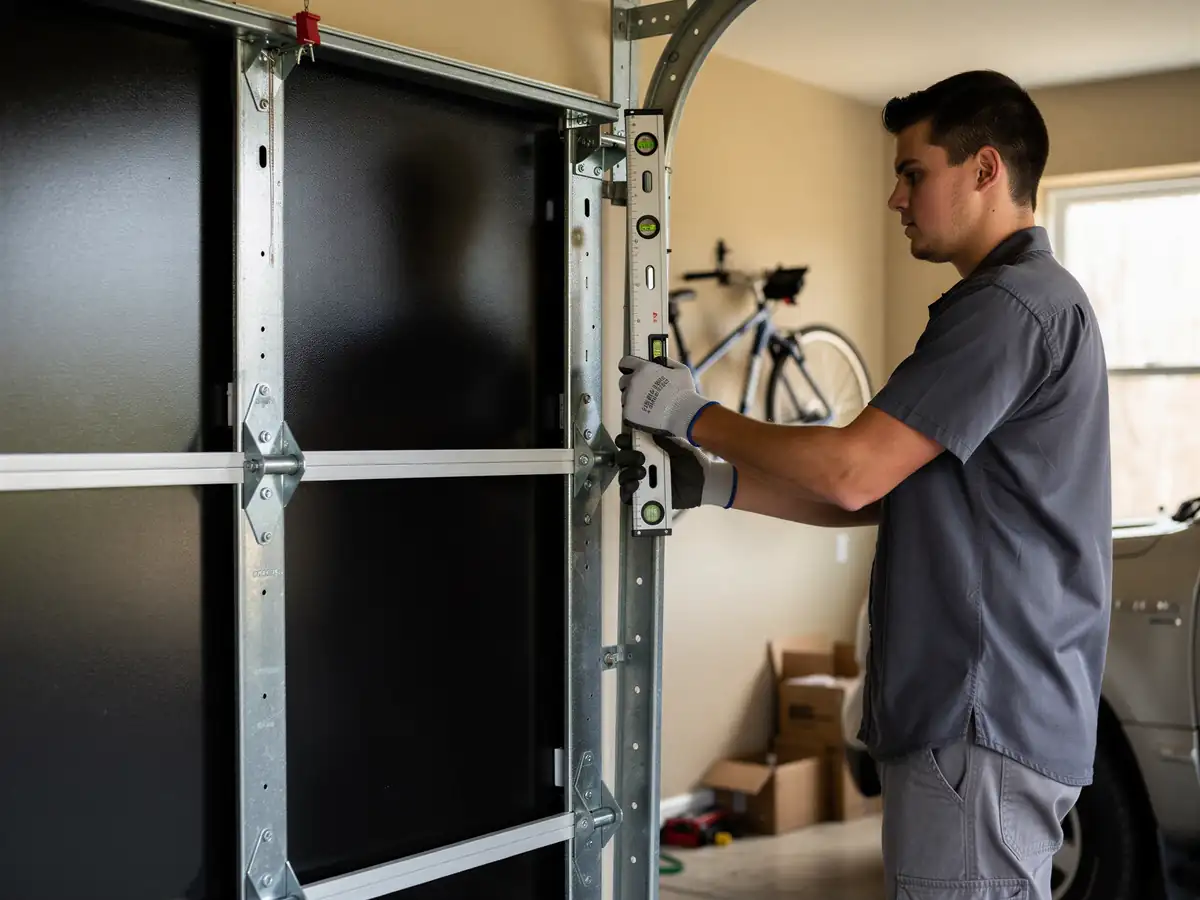
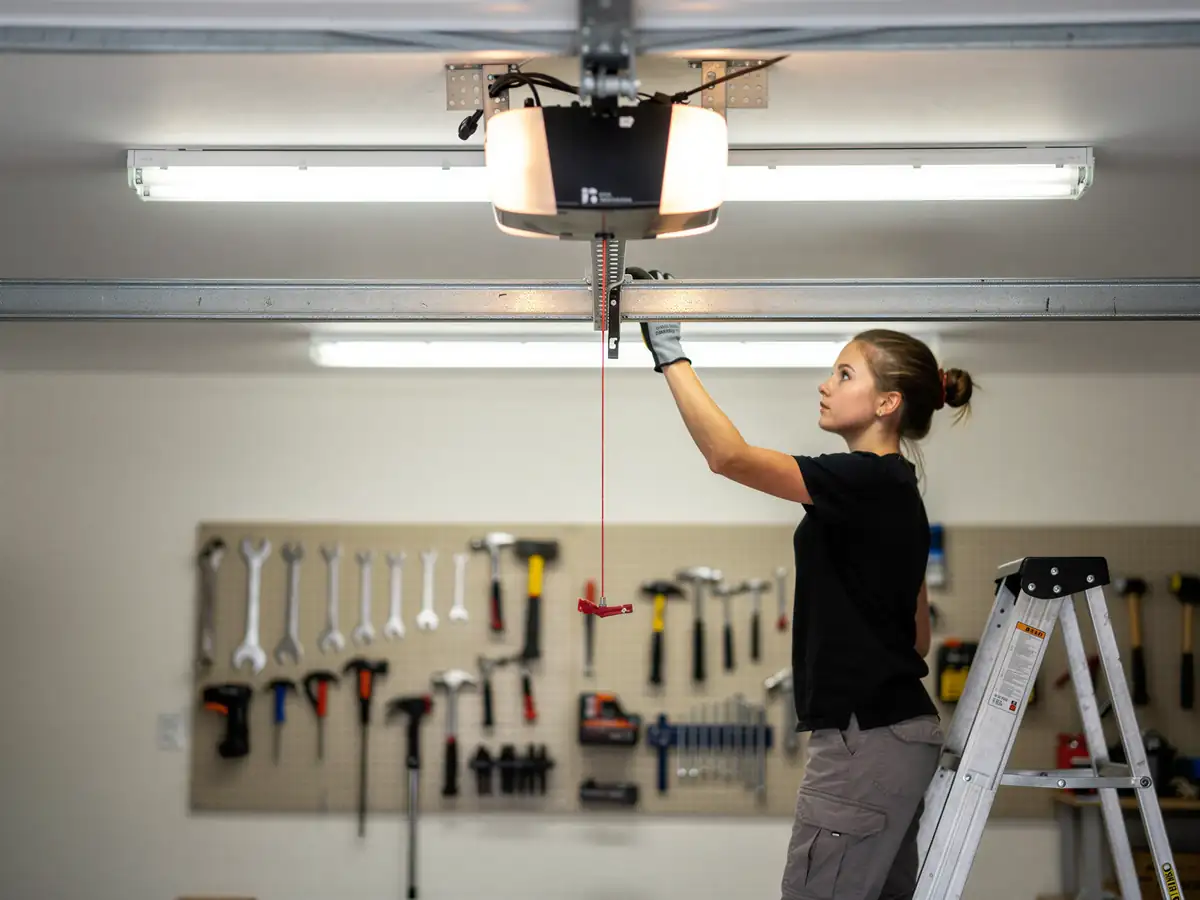
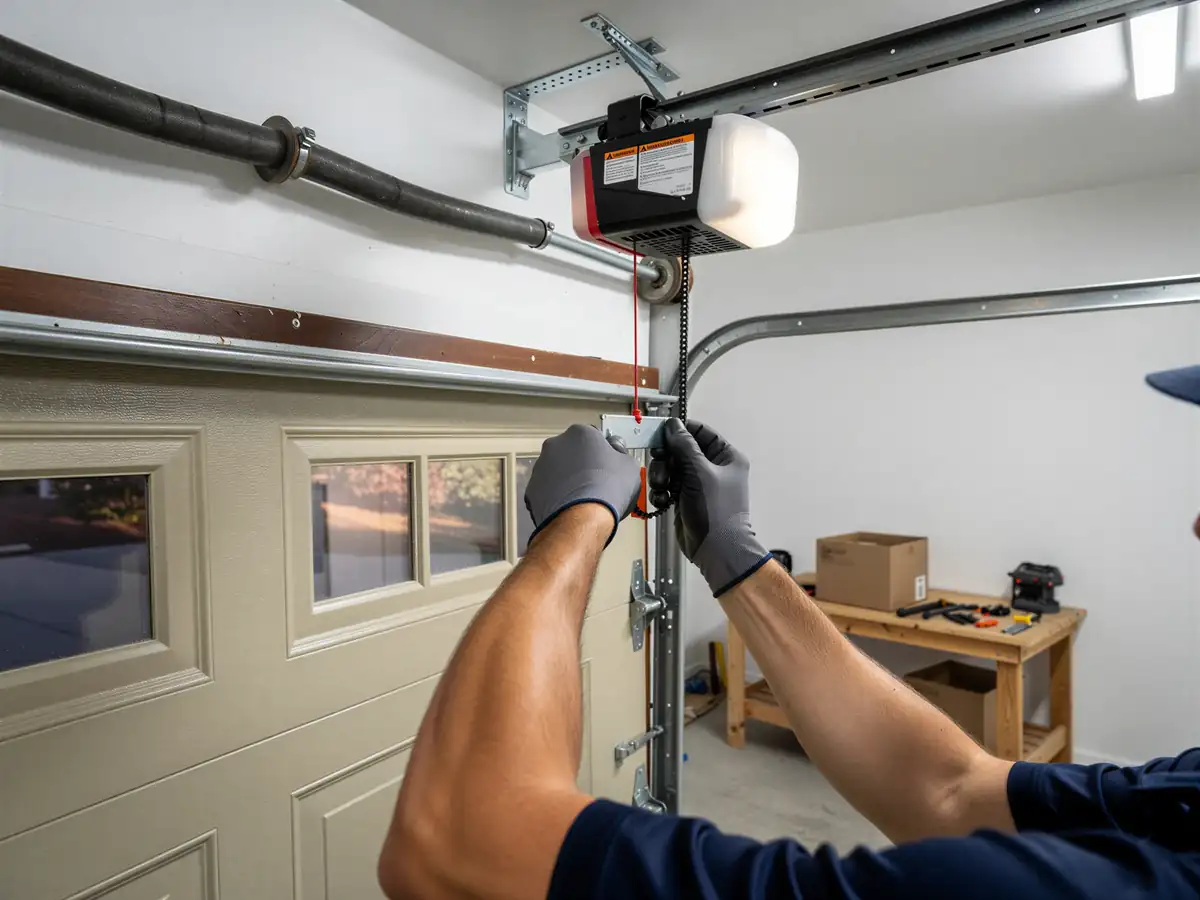
A lot of opener installs are within reach for someone comfortable on a ladder with a drill. The kits come with instructions, the rail usually bolts together in sections, and the wiring for the wall console is low-voltage and forgiving.
Where people get into trouble: mounting the header bracket into drywall instead of the framing behind it, which lets the whole unit sag under load within a year. Misaligning the safety sensors so the door reverses randomly, or doesn't reverse at all, which is a real hazard with kids or pets around. And getting the travel limits wrong so the door either doesn't seat fully - leaving a gap a raccoon can work at - or slams the floor hard enough to stress the springs.
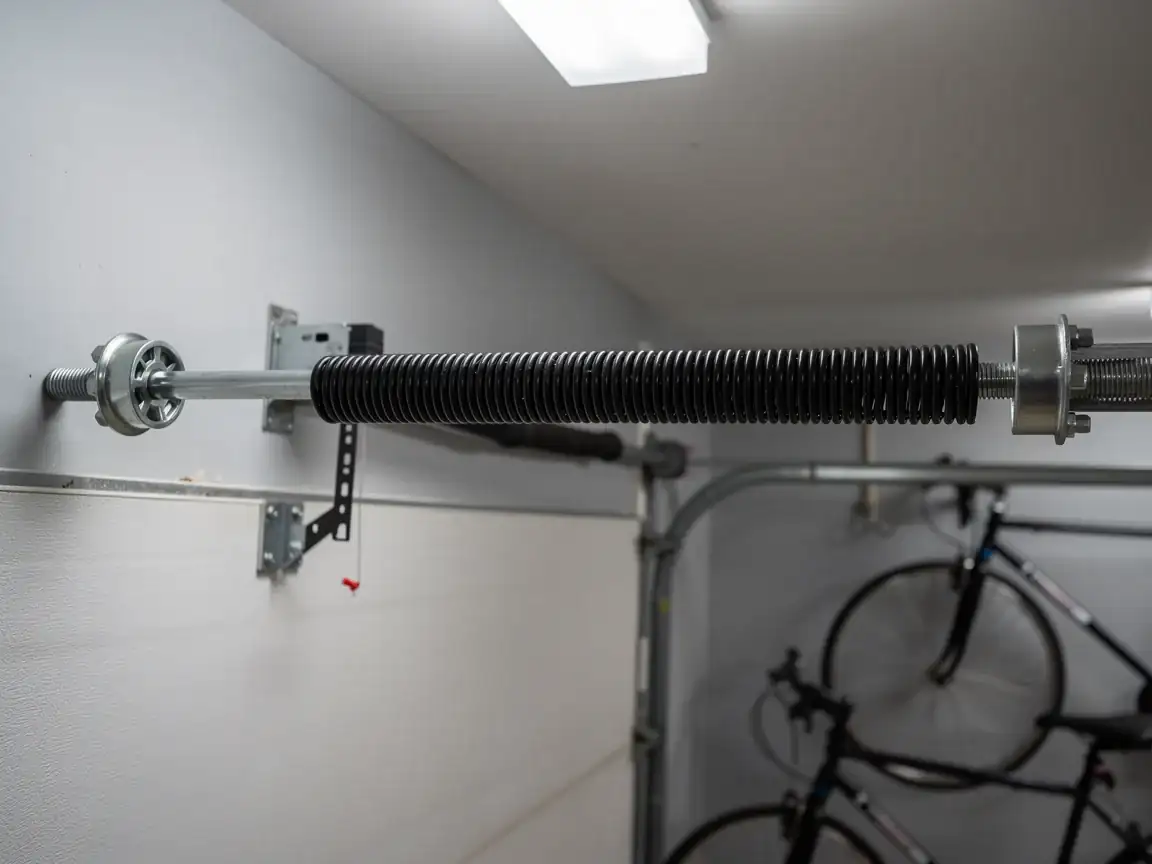
If your garage sits in direct sun most of the day, pay attention to where you route the wiring harness; heat-stiffened insulation cracks faster than people expect. And if your existing door is original to a house from the 1980s or 90s, get the spring tension checked before you hang a new opener on it - an opener fighting an underpowered spring burns itself out early no matter how well you installed it.
If you'd rather hand it off, that's what we're here for.