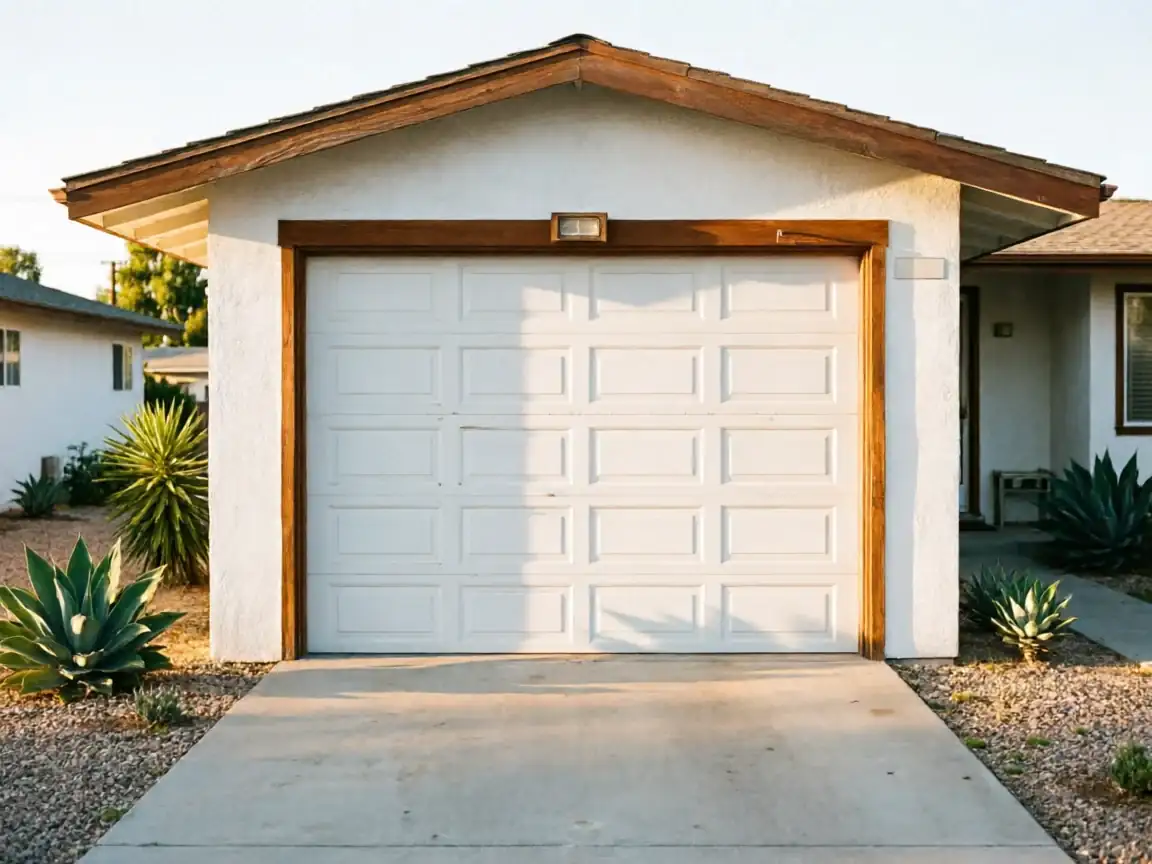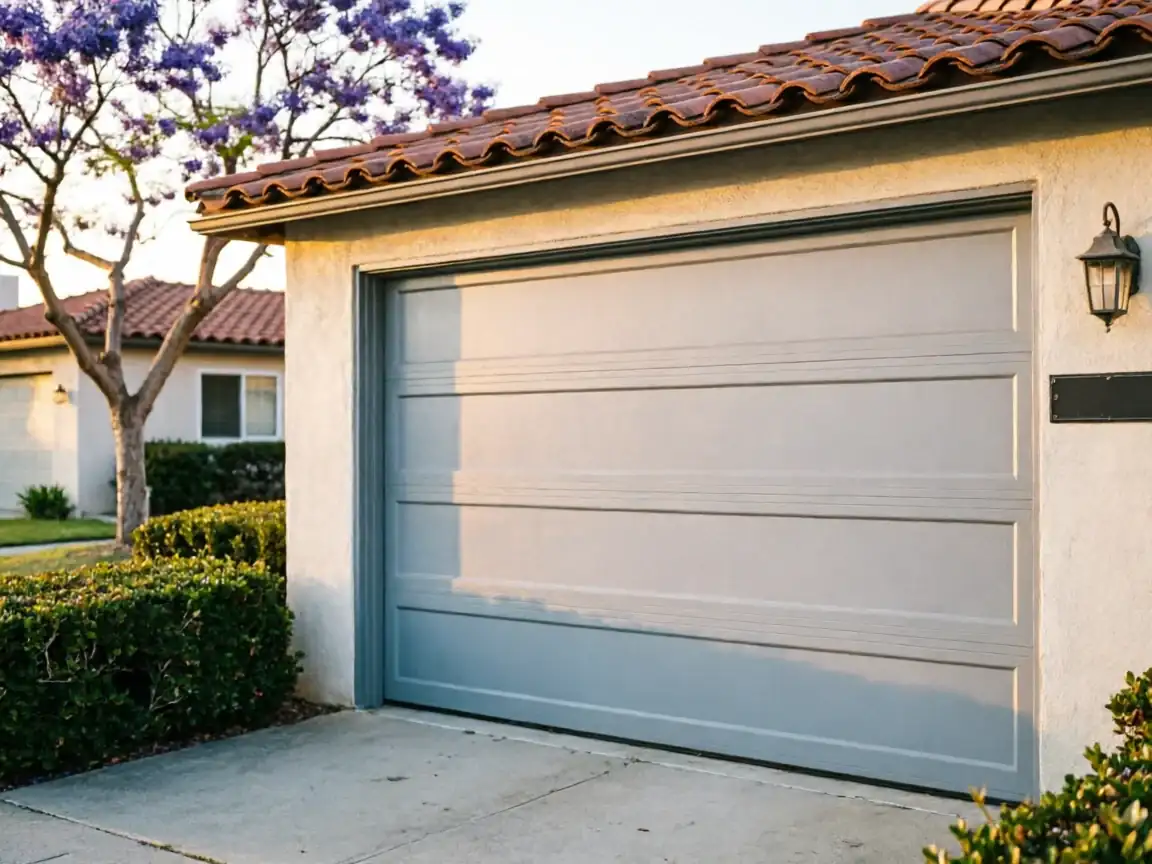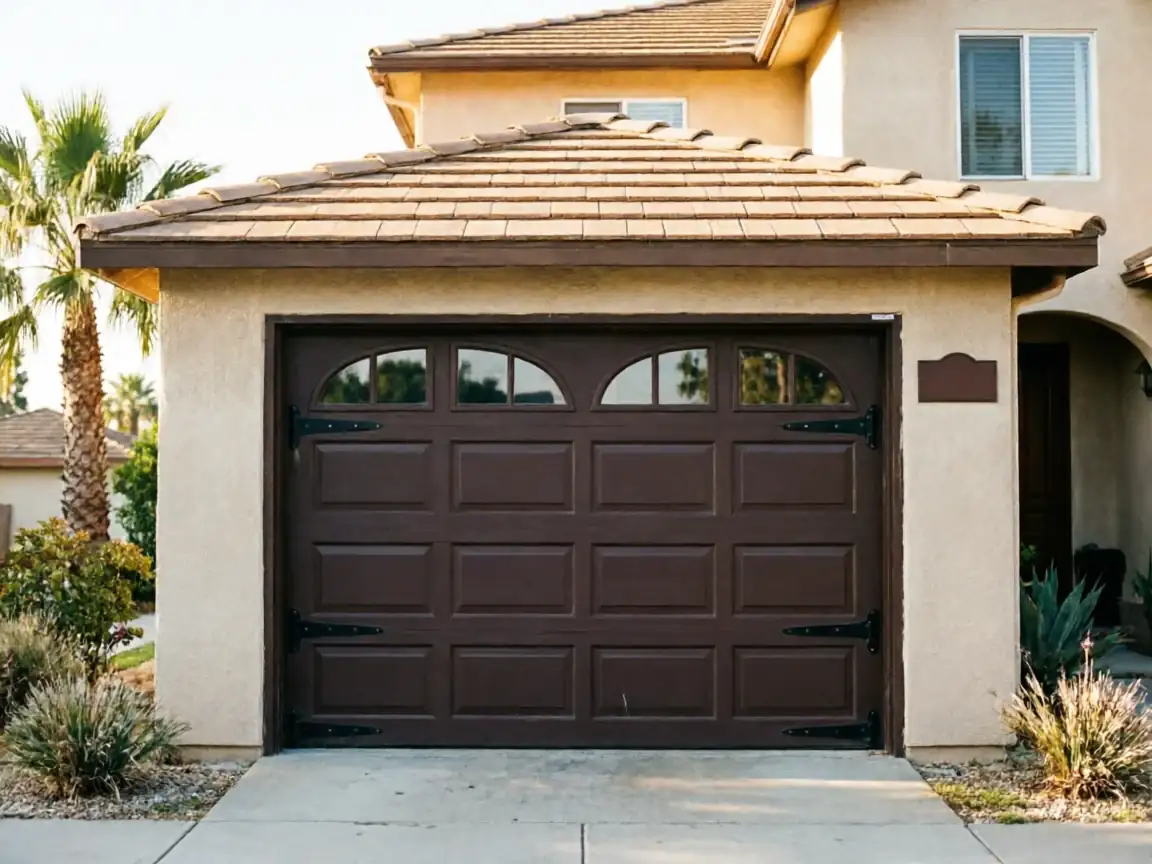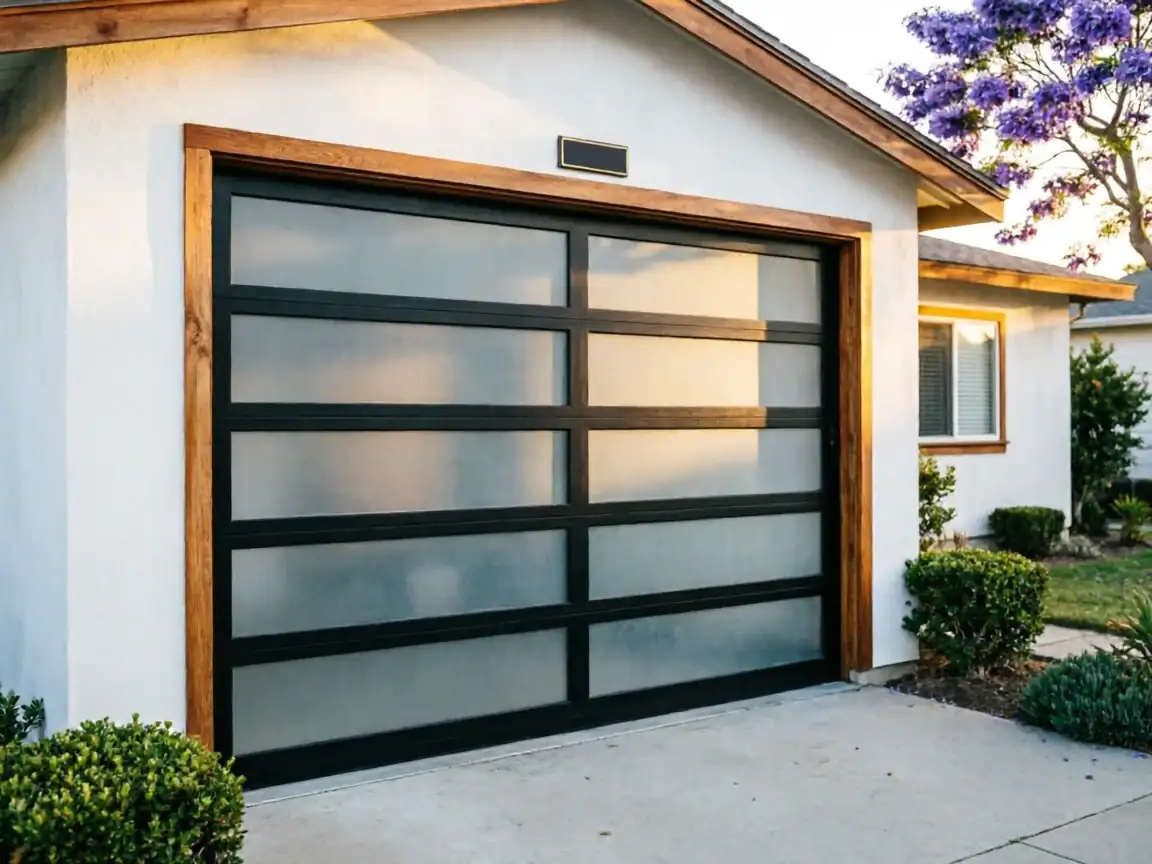
What We Do Not Do
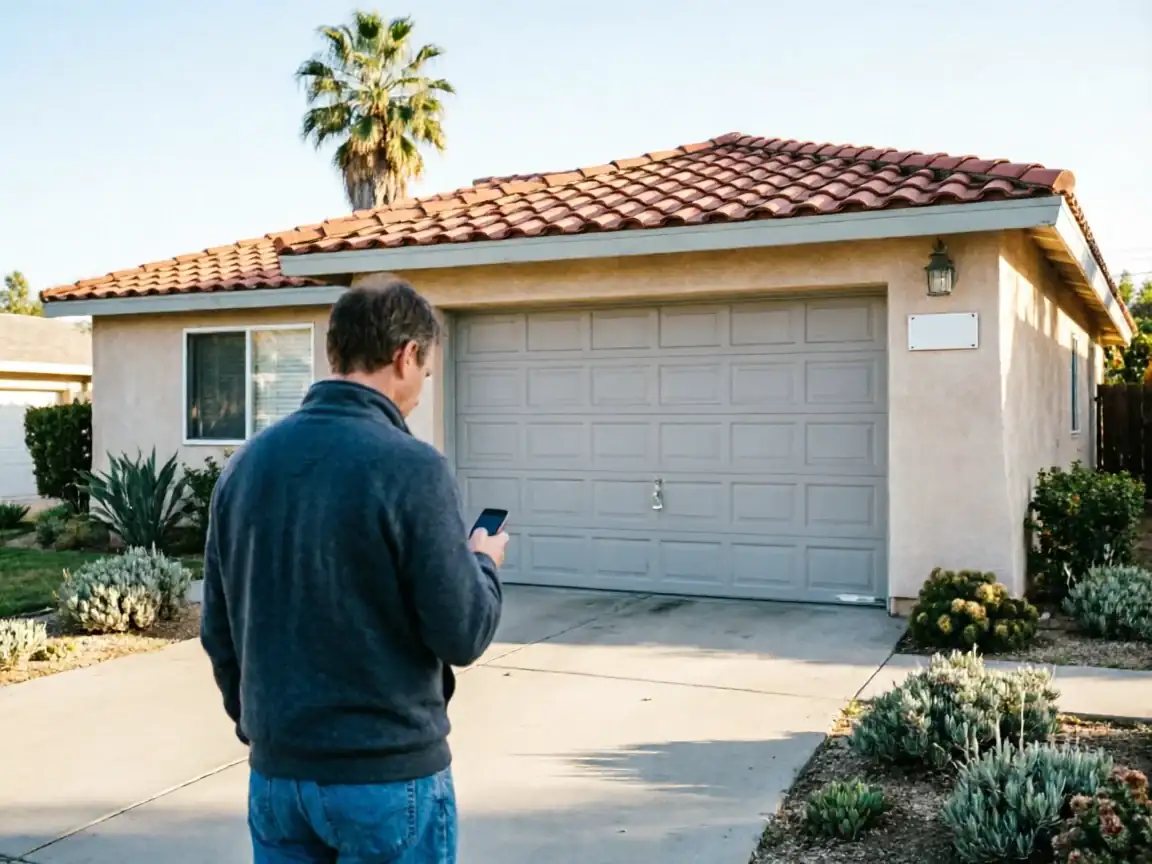
We don't keep a crew or a stocked van sitting in Canyon Lake. We run out of Menifee, five miles away, and that's the honest shape of it - we're not going to pretend there's a local depot or promise a same-day window we can't back up every time. If a part needs ordering, that's a separate trip, and we'll tell you that up front instead of guessing at a time.
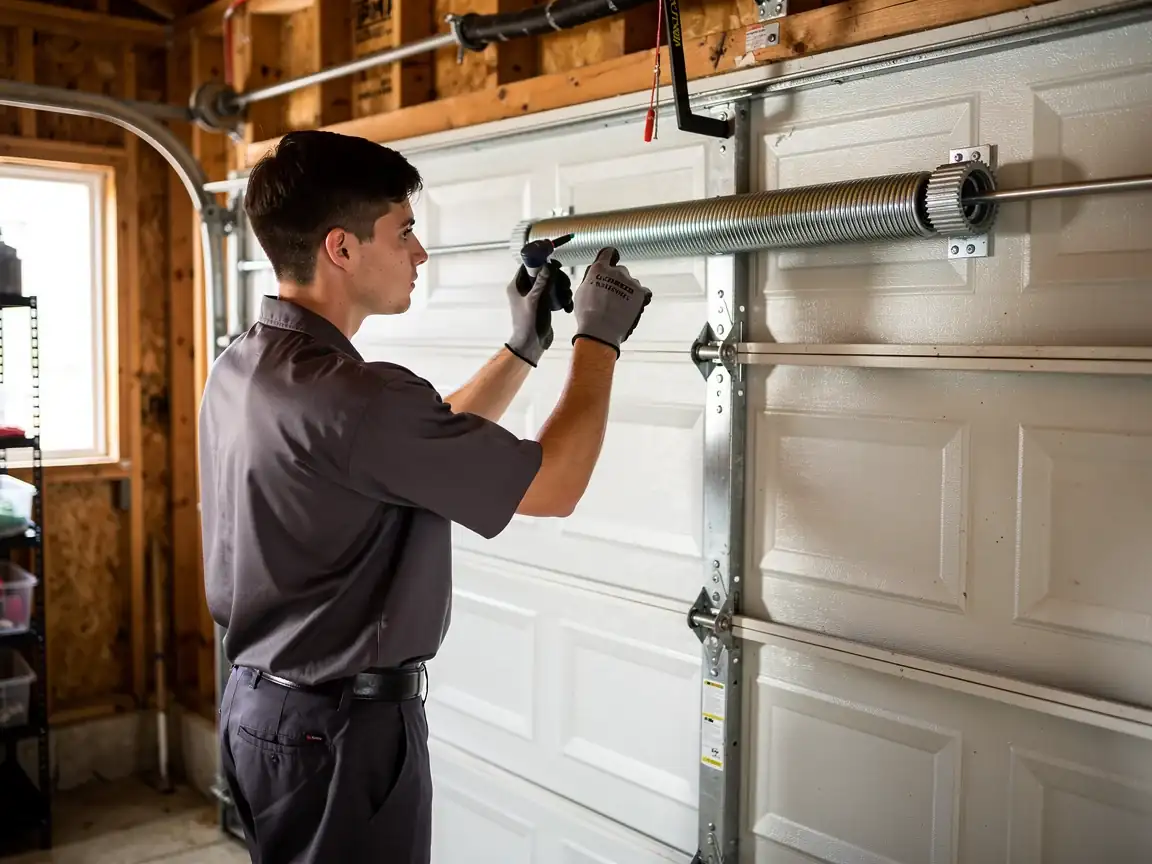
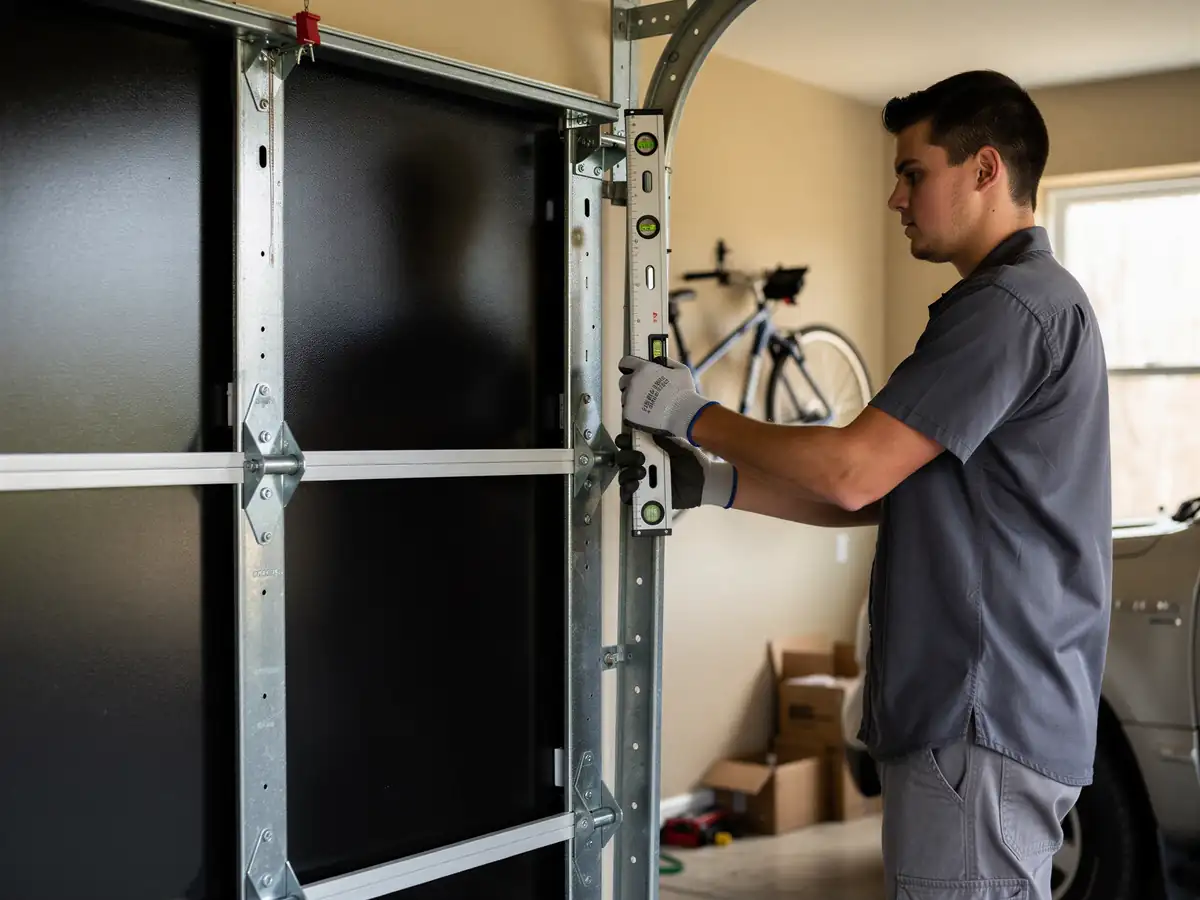
We also don't push a full door replacement when a spring, a cable, or a bent roller will do the job. On a door from the mid-1980s that's otherwise sound, swapping worn hardware is usually the right call, not the upsell. Where we do recommend replacement is when the door itself - the panels, the track gauge - is the problem, not just one part on it.
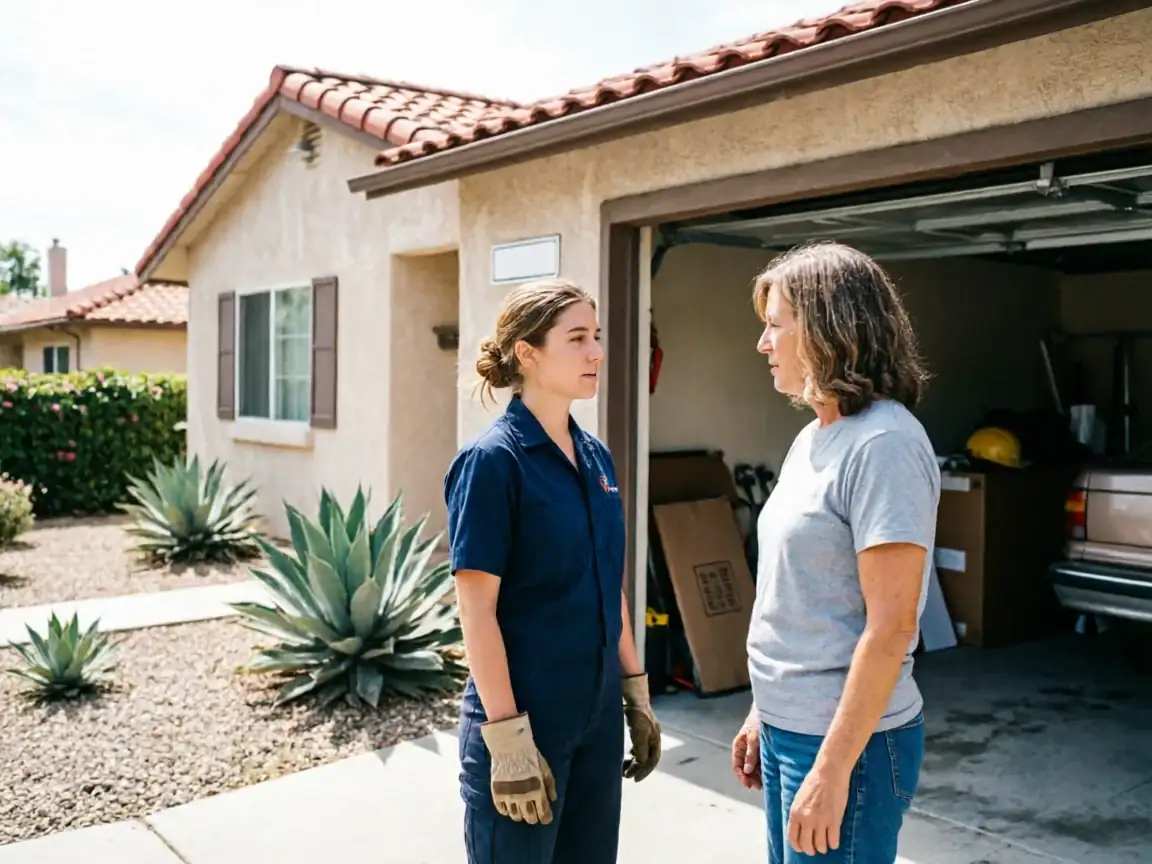
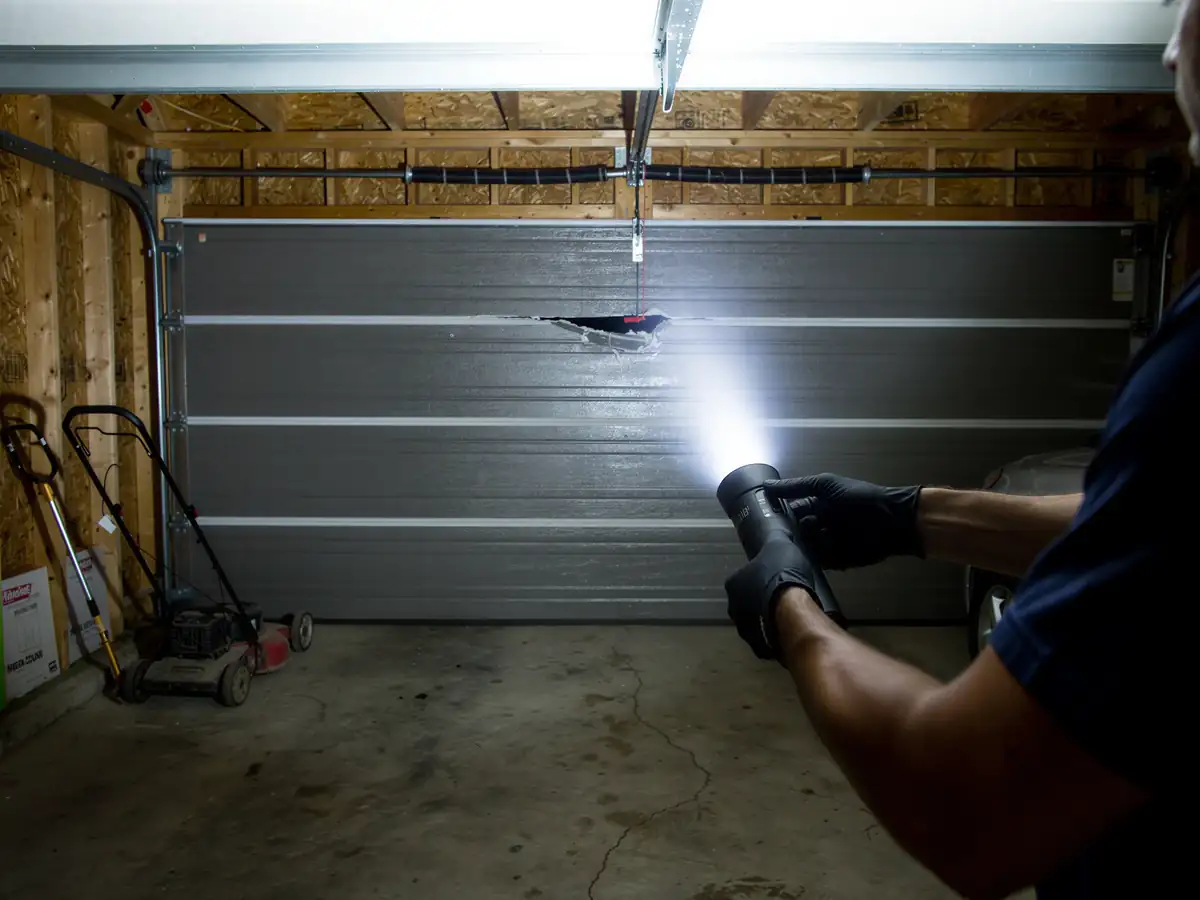
We don't do cosmetic work like repainting panels or cosmetic trim, and we're not going to quote a job without seeing the door, because torsion spring sizing and opener compatibility vary enough from one install to the next that a phone guess isn't worth much.
What Was Built Here
Canyon Lake's housing runs younger and tighter than much of the wider service area
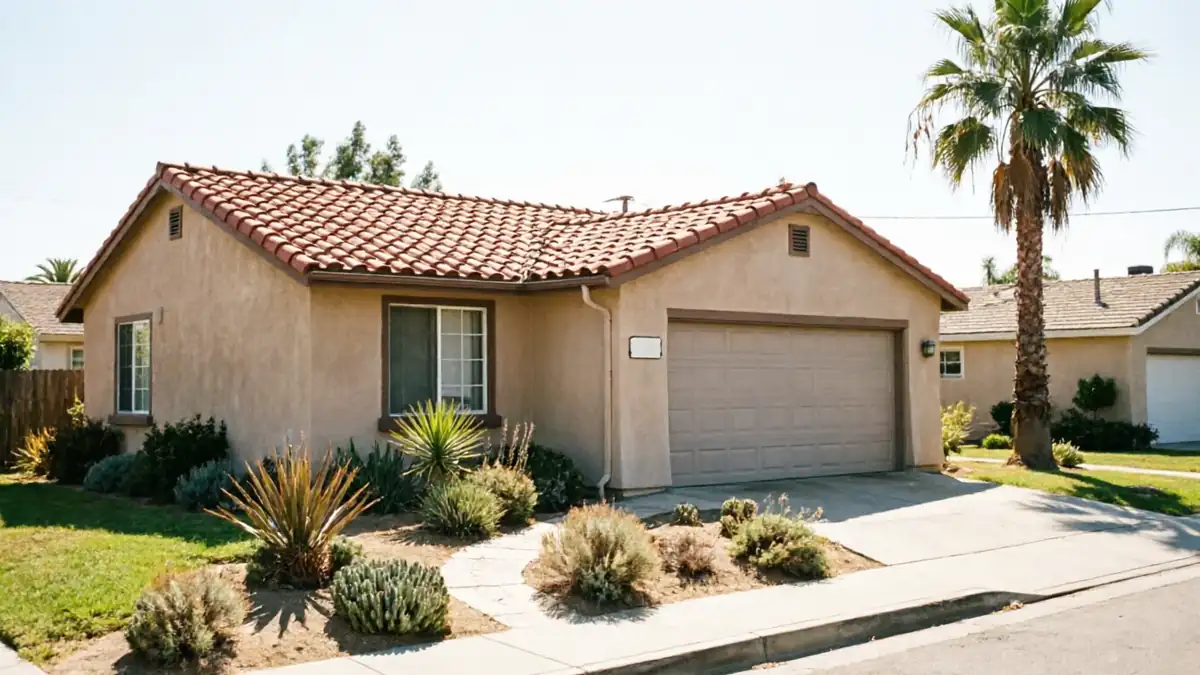
Median build year here is 1985, with about 4,090 households, compared to a broader area median of 1984 across stock that actually spans 1974 to 2009. That narrow band matters: most doors and openers going in here landed within a few years of each other, so when one starts failing, the others on the same street usually aren't far behind.
- 4,090 households
Median household income here runs well above the wider area's $84,369
Canyon Lake sits at $124,948 - and that shows up less in the garage itself than in what people ask for: fewer patch jobs, more full opener swaps and quieter belt-drive units replacing the chain drives that came standard in the 1980s.
The area sits close to a cluster of other communities
Two miles out four miles, Romoland and Homeland both around five or six - and while we're not based in any of them, the build patterns across this stretch run similar enough that what we see in one, we usually see in the next.
What That Means for Doors
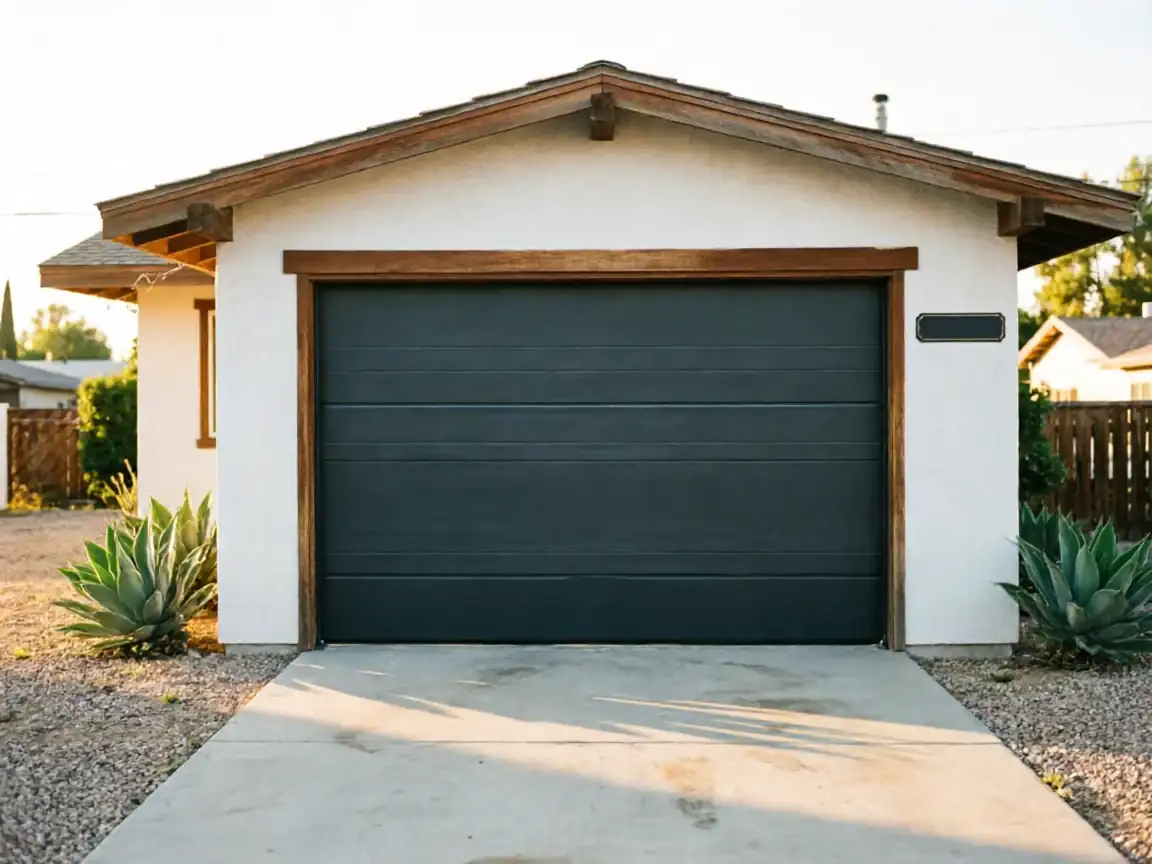
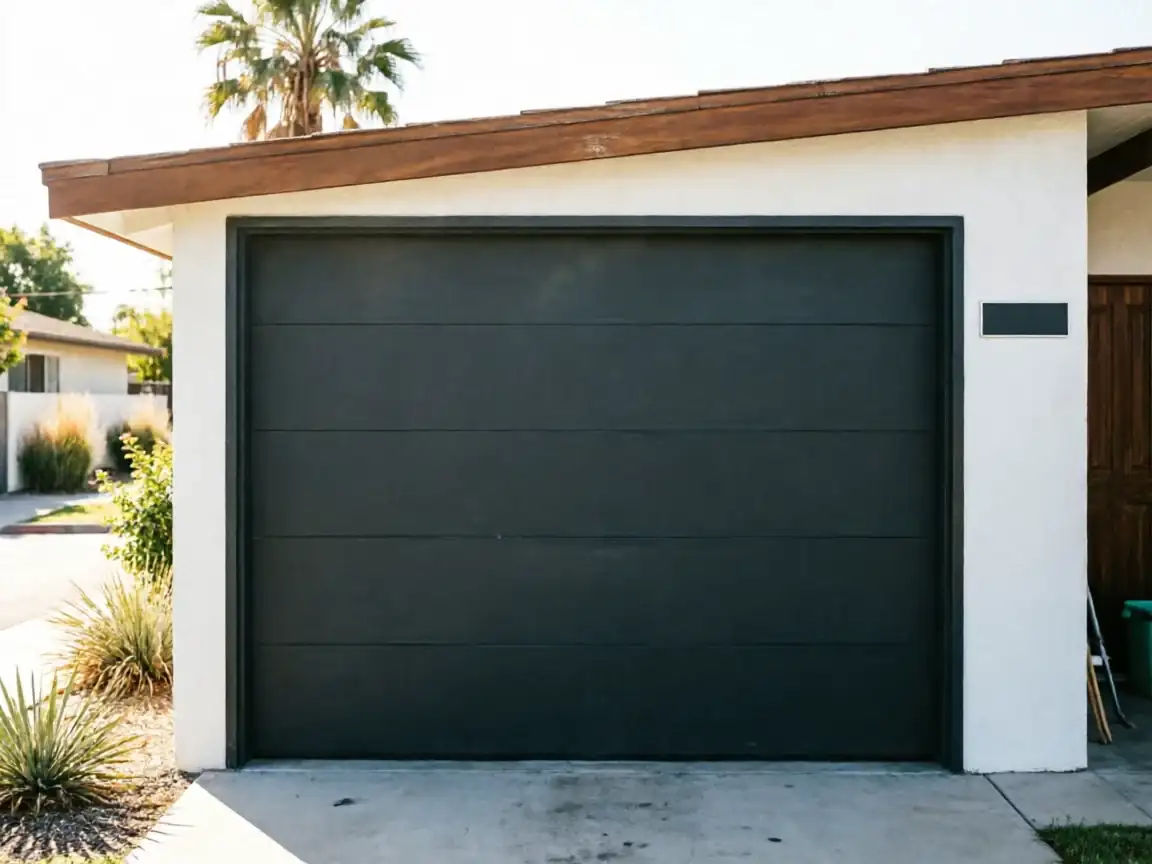
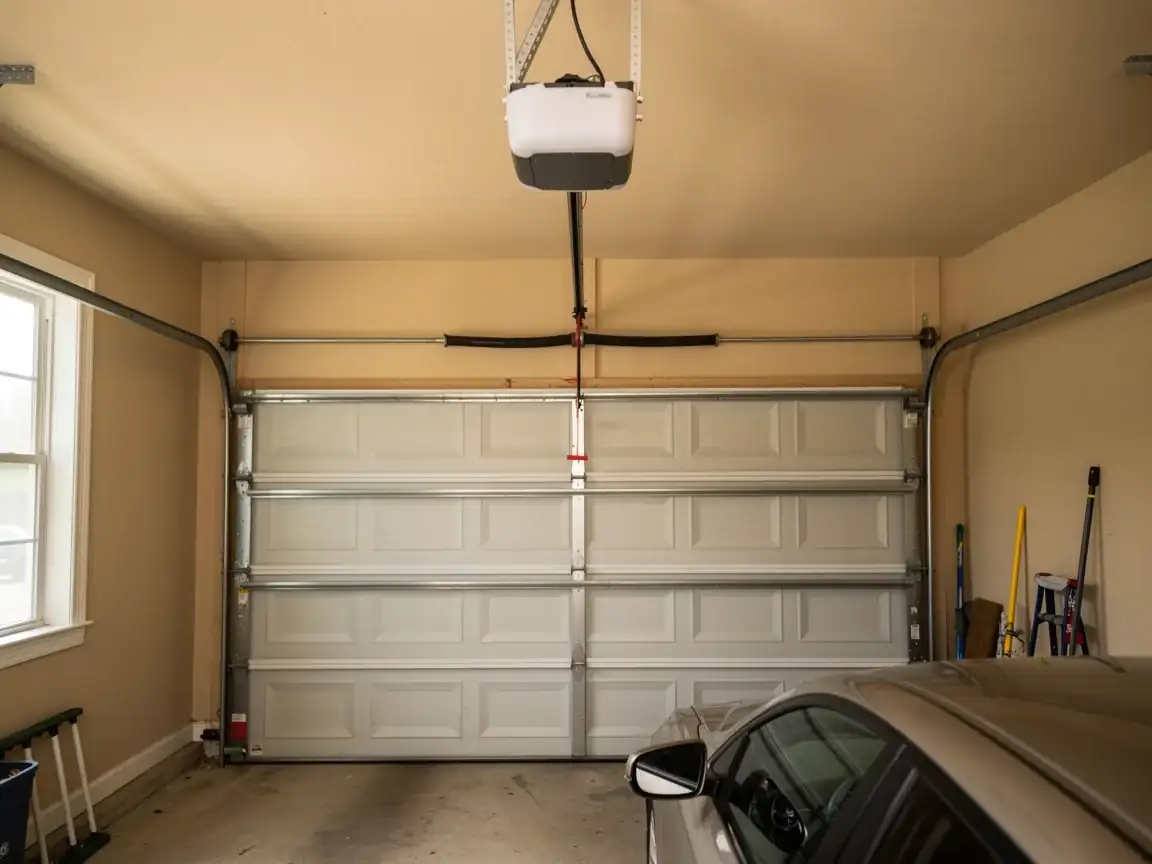
A door that went up in 1985 is pushing forty years old, and that's past the working life of the original torsion springs, the stamped-steel hinges, and in a lot of cases the opener itself. Extension-spring setups were still common on mid-80s builds before torsion systems became the standard, and those older extension springs don't fail gently - they let go, and the safety cables that should catch them are often missing or brittle on a door this age.
Heat is the other factor working against these doors. This area sits in a severe-heat climate band, and that punishes anything with grease or rubber in it faster than milder climates do. Nylon rollers crack, lubricant on the track dries out and gums up instead of sliding, and steel hardware left exposed in a hot garage corrodes quicker than you'd expect from looking at the door's face.
Put those two things together - original-era hardware plus sustained heat exposure - and you get doors that look fine from the driveway but are carrying springs and rollers well past where they should've been replaced.
The Usual Work Here
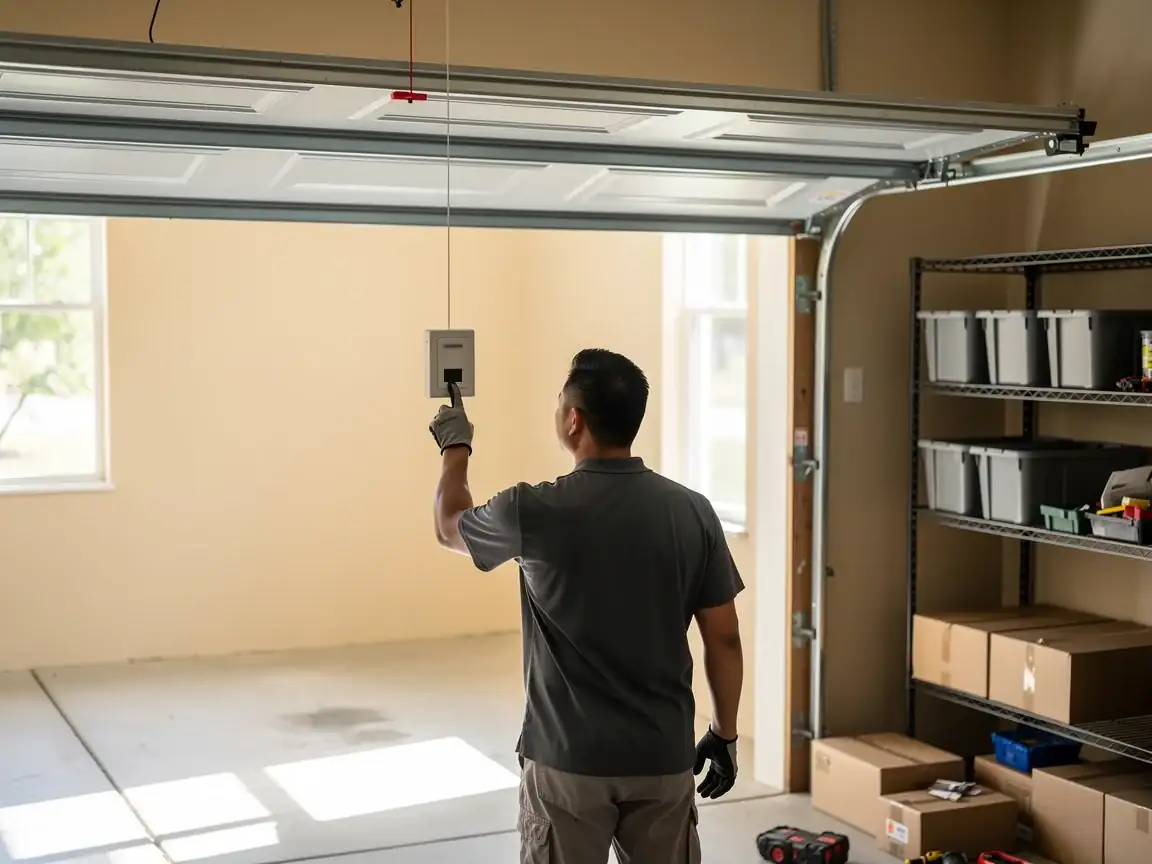
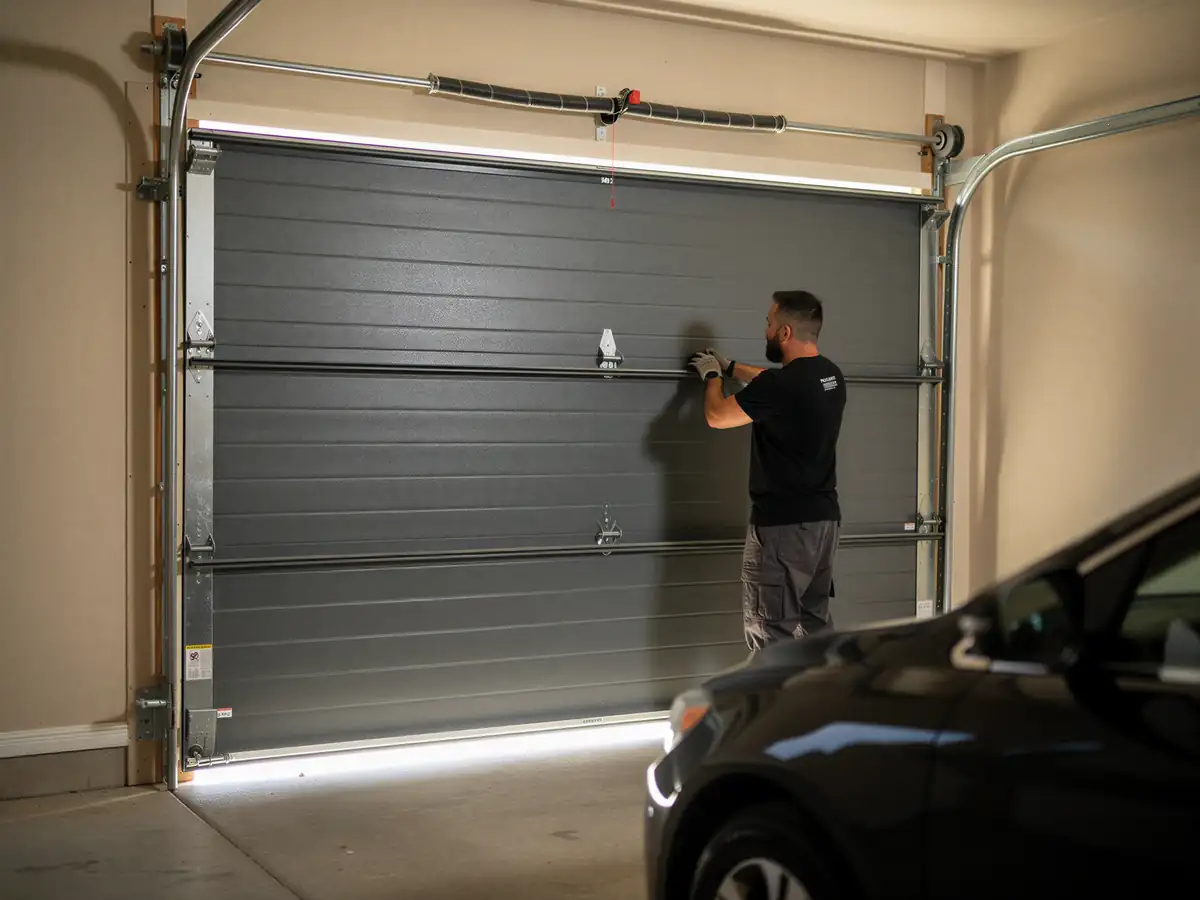
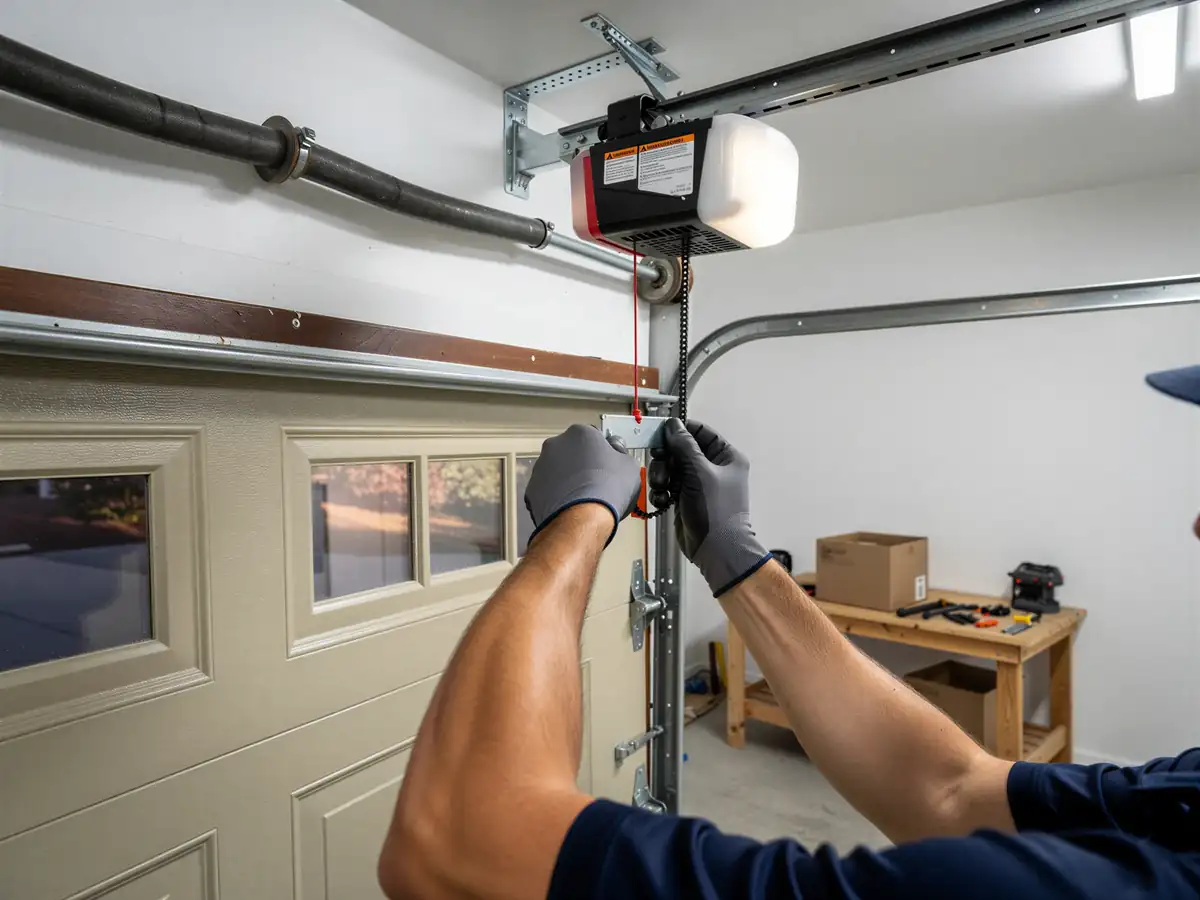
The call we get most from this area is a torsion or extension spring that's finally given out on a door original to its 1980s build - the door won't lift, or it slams down because the spring's no longer carrying its share of the weight. Close behind that is opener replacement, usually a chain-drive unit from the original install that's worn out its gears or just stopped responding reliably.
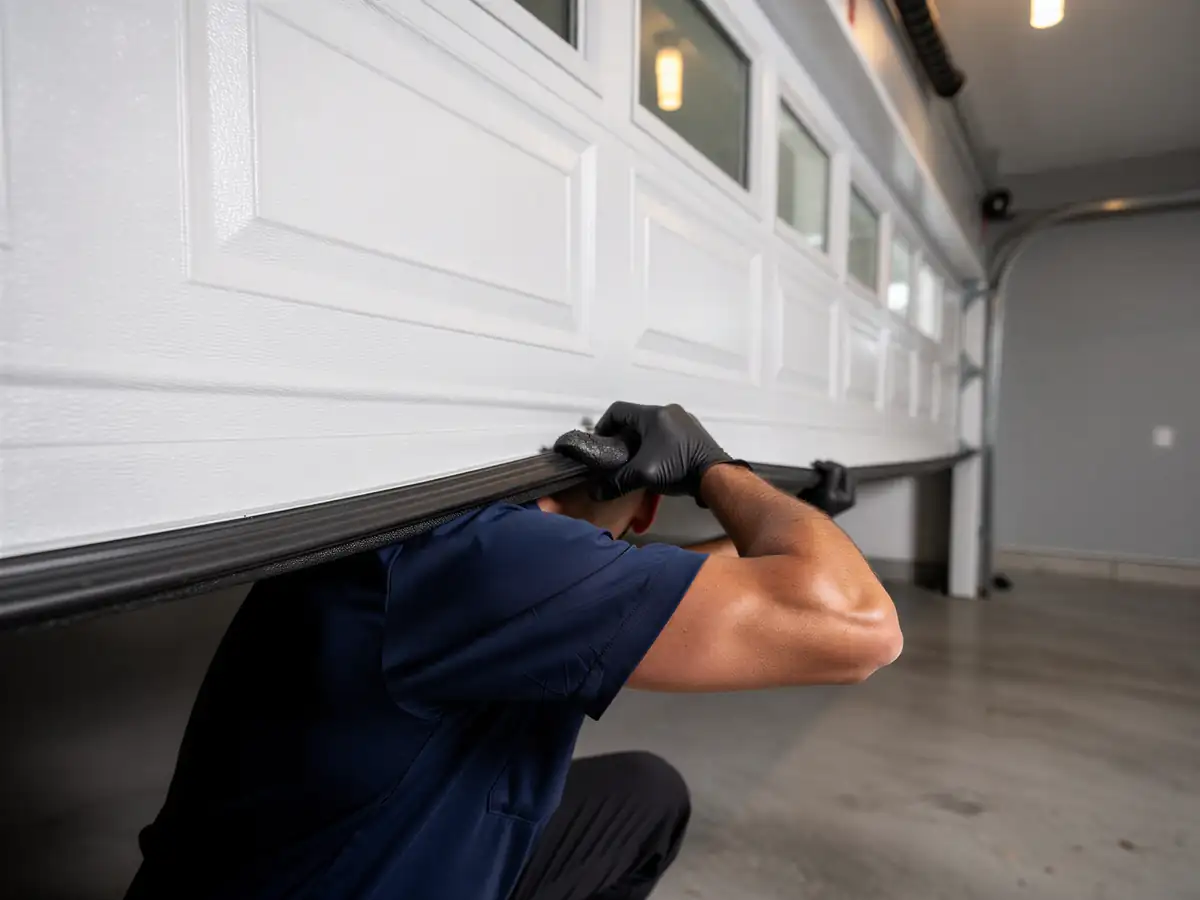
We also see a fair number of roller and track jobs tied directly to the heat - nylon rollers that have gone brittle and started chipping, and tracks where dried-out lubricant has turned to grit instead of lubricant. On a door with original hardware, we'll usually check the whole run of rollers and hinges at once, since if one's failed from heat exposure, the rest on the same door are close behind it.
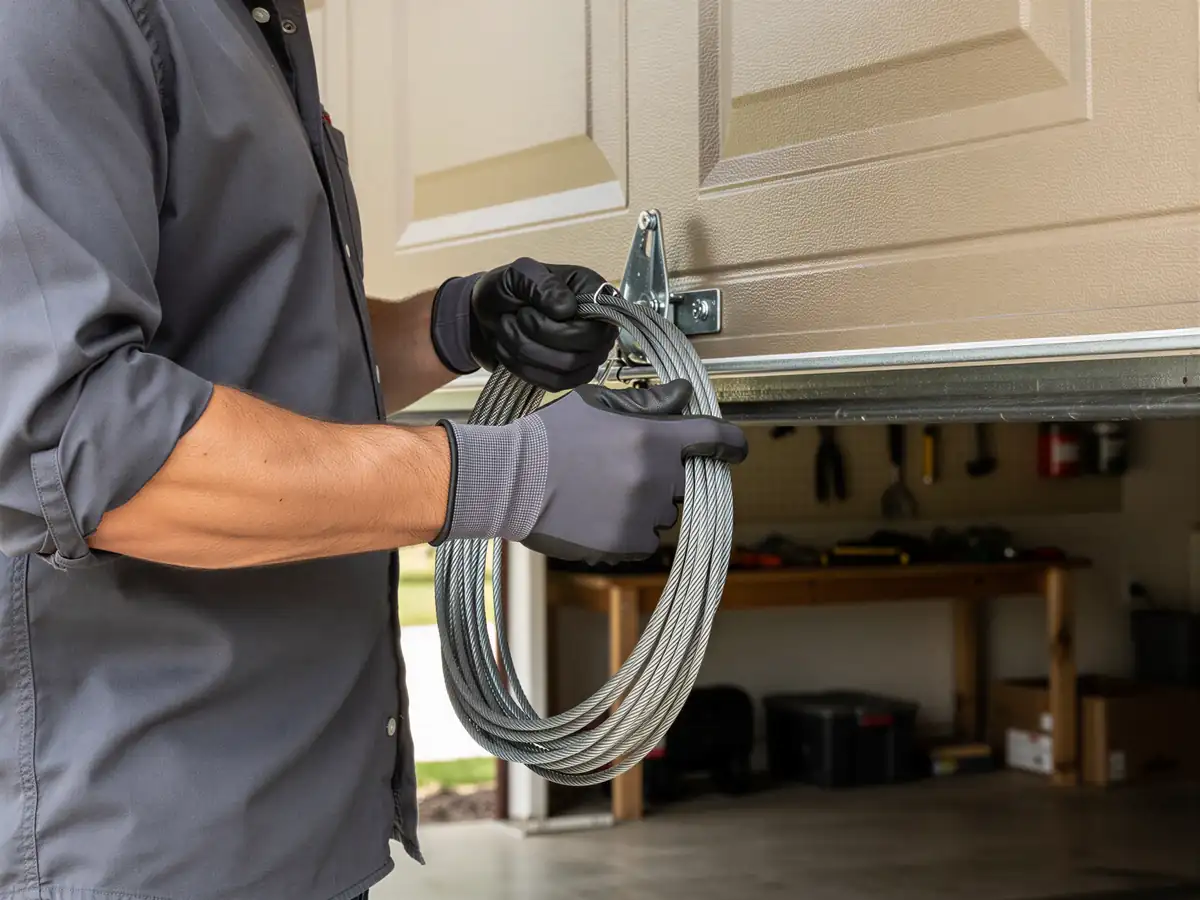
Less common, but not rare, are cable and bottom-bracket repairs on older extension-spring doors that never had safety cables added. That's a cheap fix on its own, but it's one worth doing before a spring failure turns into something that actually hurts somebody.