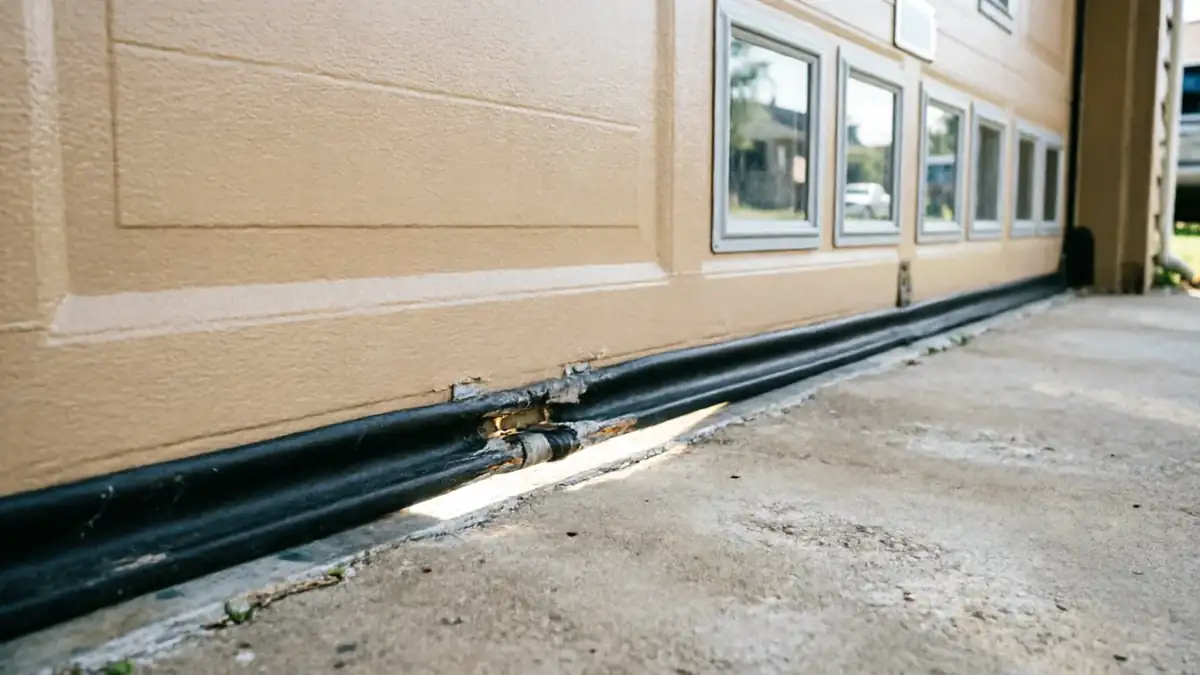
When Waiting Is Fine
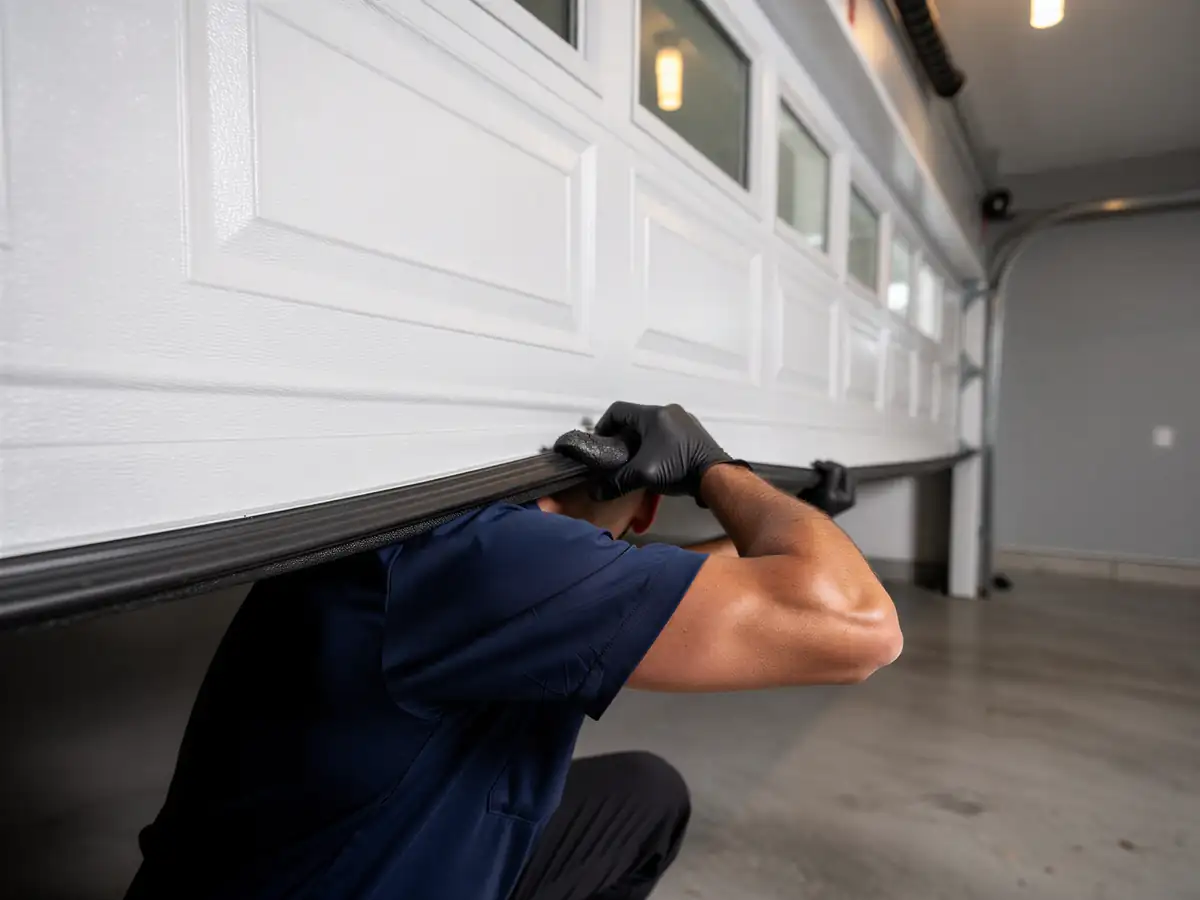
Not every worn seal needs a truck out that same week. If the bottom seal is cracked but still makes contact along the slab, and you're not seeing daylight or feeling a draught at knee height, you can usually hold off until the door needs attention for something else. Side seals that have pulled slightly away from the track but still flex back into place are the same story - cosmetic wear, not a failure.
What changes that calculus here is the heat. In a milder climate a cracked seal might sit fine for a couple of years. In Menifee's severe-heat band, UV and thermal cycling keep working on that rubber every single day, so a seal that's "fine for now" in March is often brittle and gapping by August. Waiting is reasonable, but the window is shorter than it would be somewhere with a gentler climate, and it's worth a second look once temperatures climb rather than assuming it'll hold all summer.
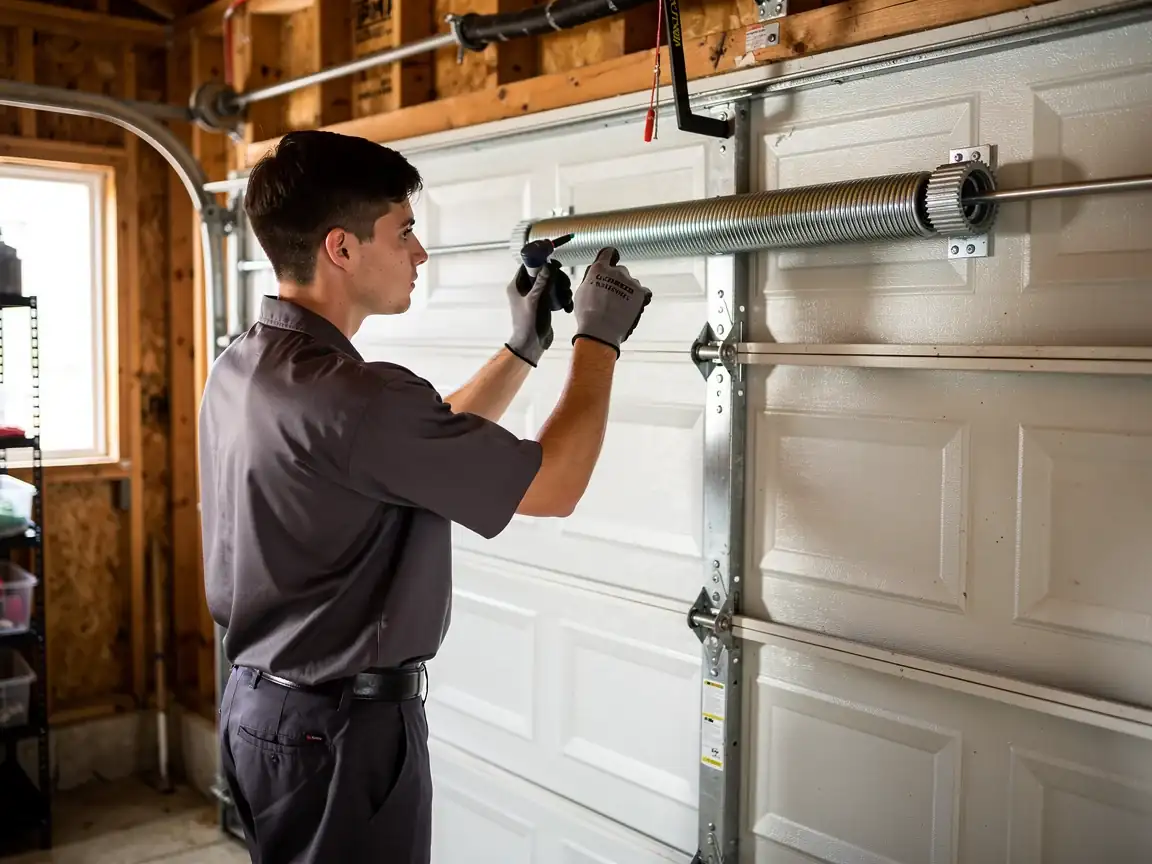
One honest limit: if the seal track itself is bent or the door has shifted on its hinges, a new seal won't seat right no matter how good it is. That's a door adjustment problem first, seal second.
The Situation
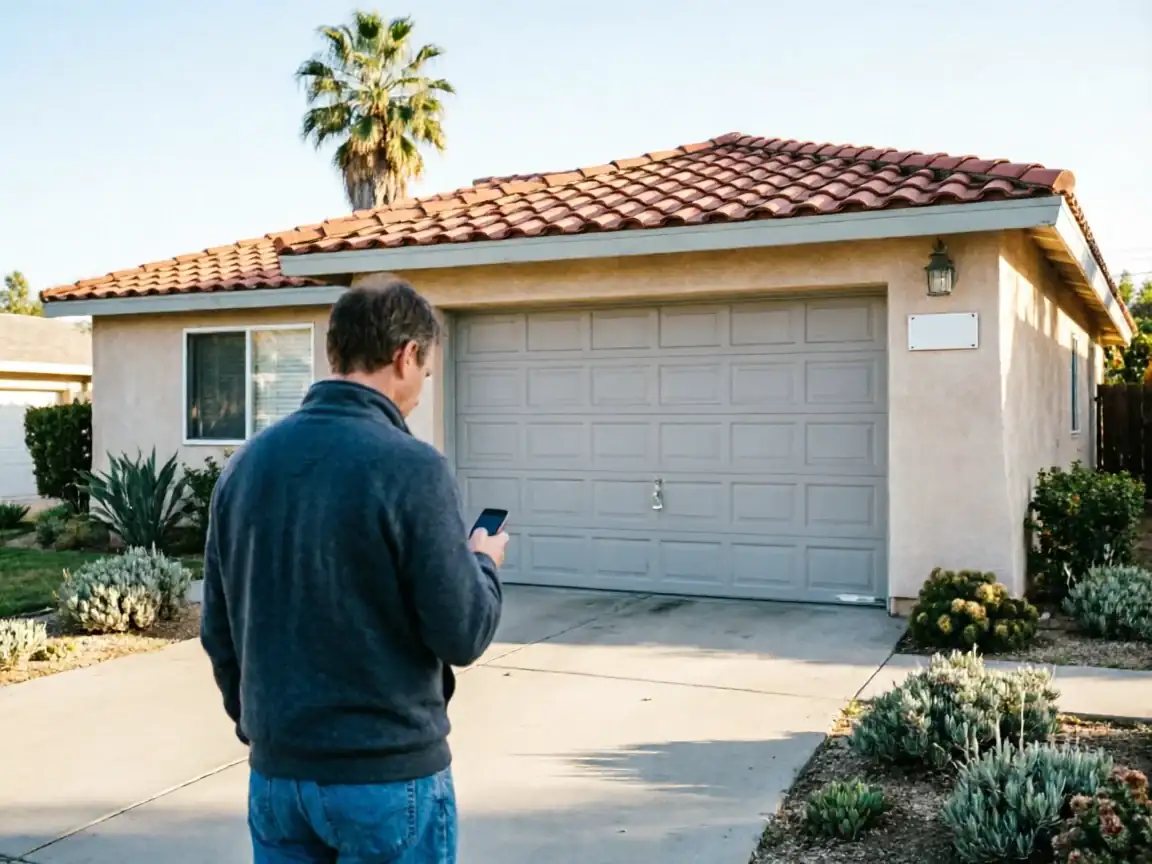
Most of the housing stock across this part of Riverside County
Including the 24 named areas that make up the broader service area, went up between 1974 and 2009, with the median build year landing around 1984. That means a lot of garages still carrying their original bottom seals and side weatherstripping - vinyl and rubber that was never meant to last three or four decades, especially not in direct summer sun.
Across the service area there are 127,871 households and 77,336 owner-occupied houses
And the bulk of that stock is 1980s and 90s construction: steel sectional doors, aluminum or wood jambs, and factory-installed seals that were a reasonable spec when the house was built but are well past due now. If your house falls in that build window, there's a decent chance the seal you have is original or close to it.
- 127,871 households
- 77,336 owner-occupied
This isn't a story about neglect
It's a story about age and climate meeting at the same point. A seal that was adequate in 1986 is being asked to do the same job today, in the same heat, after thirty-plus summers of expansion and contraction. That's a lot to ask of a strip of vinyl.
What the Weather Here Does to It
Menifee sits in a severe-heat climate band, and that's the single biggest factor working against garage door seals here. Heat doesn't just make rubber brittle - it cycles the material through expansion in the afternoon and contraction overnight, day after day, and that repeated flexing is what causes vinyl and rubber to crack, shrink, and eventually pull away from the track.
Once a seal shrinks even a quarter inch, you get a gap at the bottom corners or along one side. That gap lets in dust, pulls in radiant heat off the driveway, and turns into a draught any time there's wind movement around the house. In a garage that's attached to living space, that draught shows up as a warm wall or a harder-working AC unit, even if nobody's thought to blame the garage door.
Steel door panels themselves expand and contract too, which can leave a seal that fit perfectly on a cool morning sitting slightly proud of the frame by mid-afternoon. That's normal and not a defect - but it's exactly why a seal with any existing wear fails faster here than it would in a climate without that daily heat swing.
What Most People Get Wrong
The most common mistake is treating a draught as a caulking problem. Caulk around the frame might close a gap temporarily, but if the seal itself has shrunk or cracked, the gap comes back within a season because the seal, not the frame, is the part that moved. Fixing the frame joint without replacing the seal just delays the same call.
The second mistake is assuming a worn seal means the whole door needs replacing. On most of the 1980s and 90s stock here, the door panel and hardware are often still sound even when the seal is shot - it's a wear part, not a structural one, and treating it that way saves most owners a much bigger bill.
The third is waiting for a visible gap before doing anything, when the real warning sign is usually dust on the garage floor along the bottom edge, a sign the seal's already letting air and grit through even if you can't see daylight yet.
One limitation worth naming: if a door has a non-standard track or an older custom-width opening, matching seal stock can take longer to source than a standard sectional door. That's not something we can speed up - it's a supplier lead time, not a labor issue.