Doing It Yourself
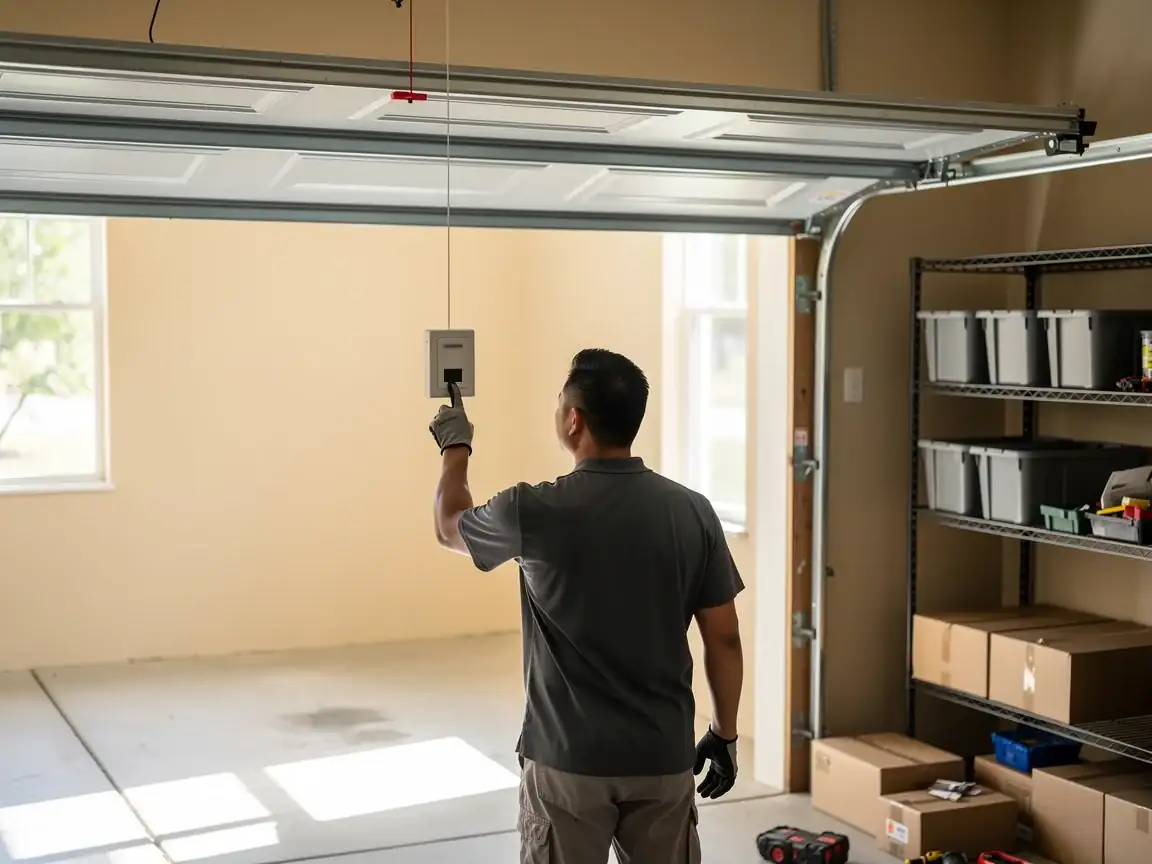
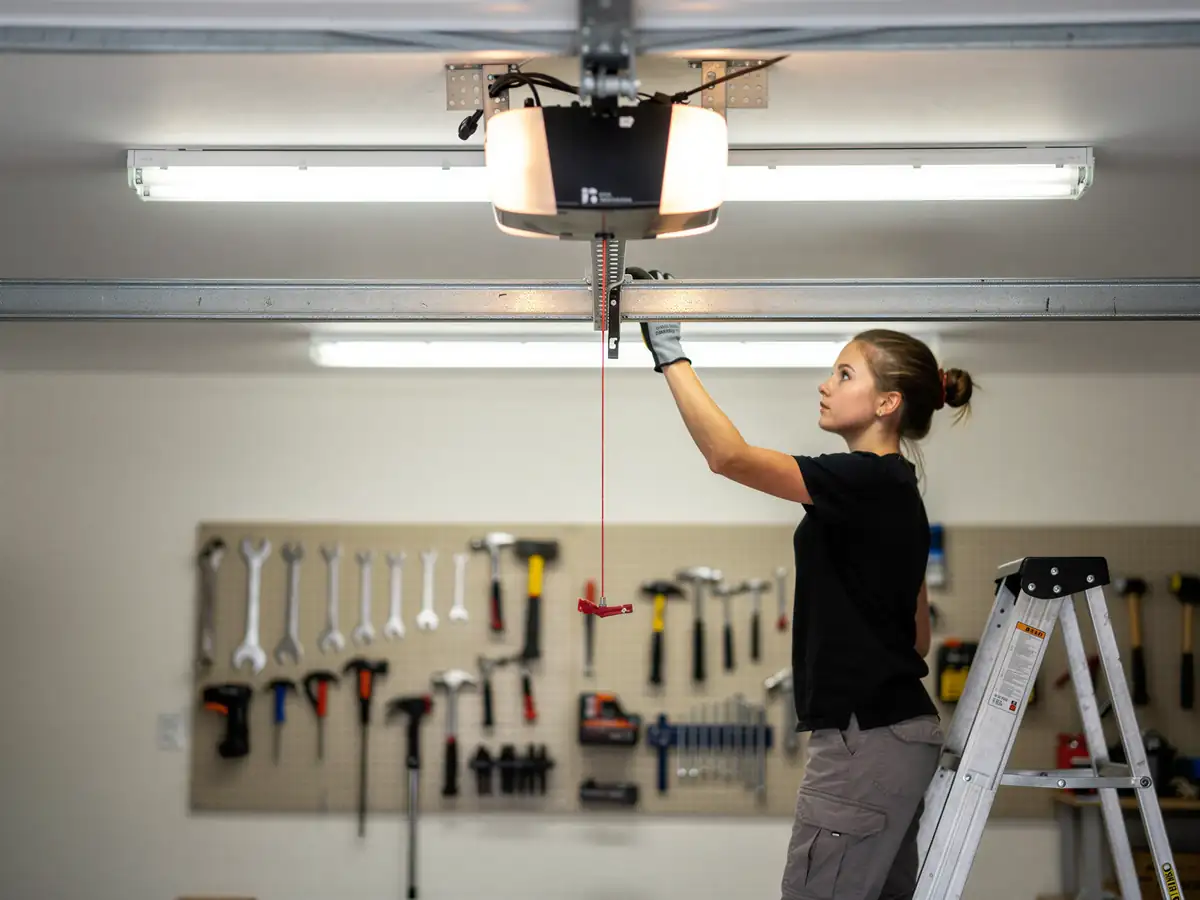
Before you call anyone, check the easy stuff. Pull the remote apart and swap the battery. Wipe down the two photo-eye sensors near the floor on each side of the track - a cobweb or a shift in alignment after a bump from a bike or a ladder is enough to stop the door cold. Press and hold the wall button to see if the door moves on hard-wired power alone; if it does, the remote or the sensor is your problem, not the motor.
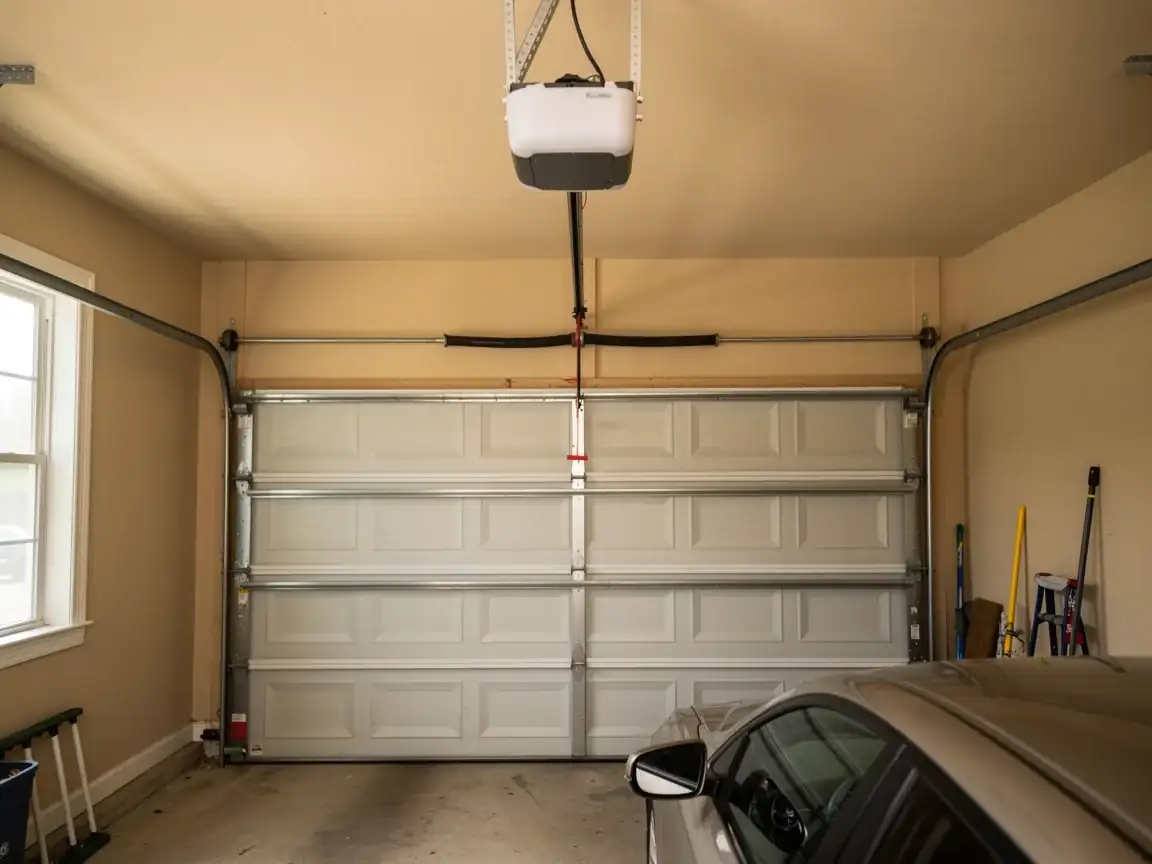
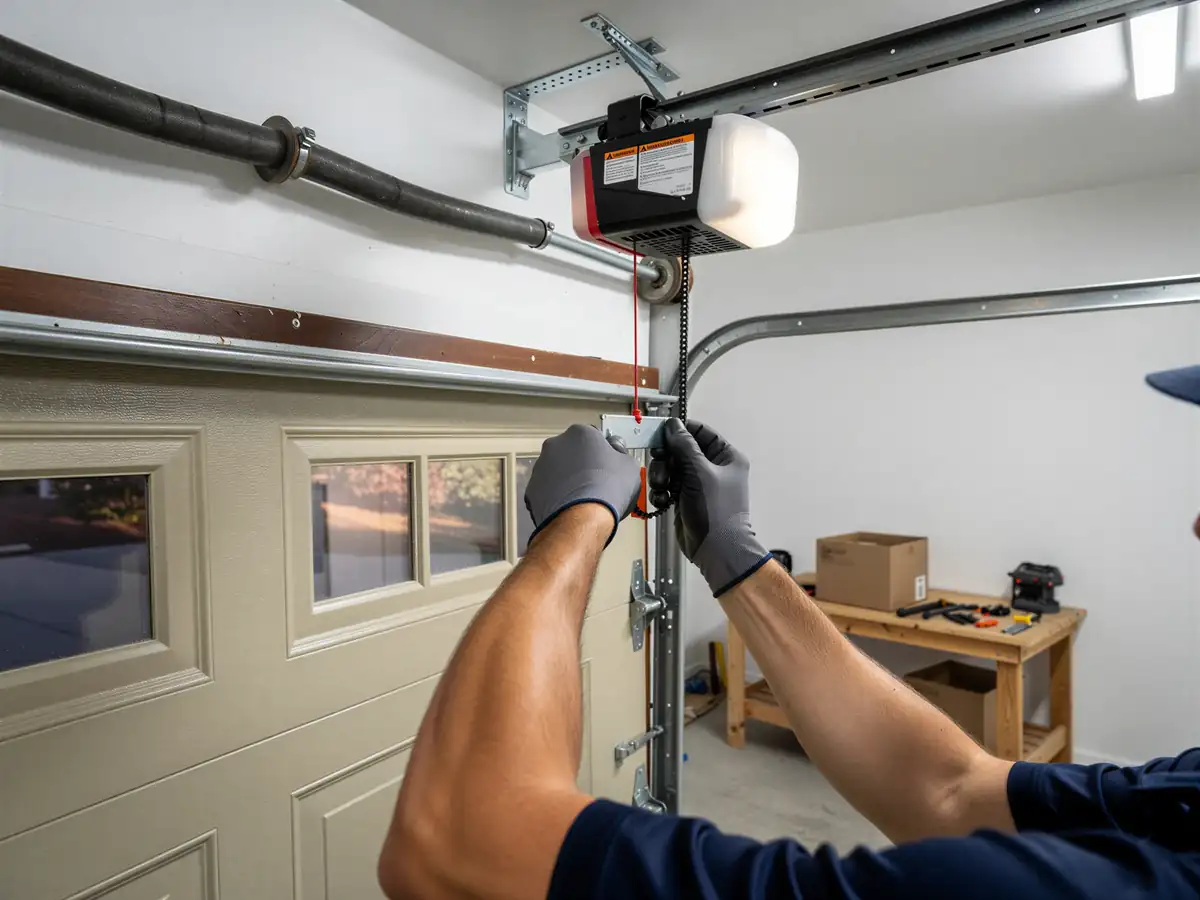
Winchester's housing mostly went up in the late 1980s, which means a lot of these openers are original chain-drive units or early replacements from that same generation. If yours grinds, chatters, or runs the motor without the chain moving, that's usually a stripped drive gear inside the housing - a part that wears out on a predictable schedule, not something you can lube your way past. We don't talk anyone through opening the motor housing over the phone; the capacitor inside can hold a charge, and guessing at a logic board repair usually turns a $150 part into a $400 one.
What Is on the Truck
Because Winchester's opener stock skews to the same late-1980s and 1990s window as the rest of the houses out this way
The truck carries circuit boards and drive components sized for that generation alongside newer belt-drive parts - chain, screw, and belt-drive assemblies, logic boards, capacitors, limit switches, and both 1/3 and 1/2 horsepower motor units. That range exists because the broader service area has homes built anywhere from 1974 through 2009, and a call out here can land on either end of that spread.
What isn't on the truck is a stock of every proprietary board for every discontinued opener brand
If your unit is old enough that the manufacturer no longer makes the board, we'll tell you that on site rather than have you wait on a special order you didn't agree to. Sometimes the honest answer is a new opener, not a patched-up thirty-year-old one, and we'll say so instead of running up a bill chasing a part nobody stocks anymore.
The Cost of This Job
We don't post a flat number because the job isn't flat - a worn drive gear on a chain-drive unit is a different repair than a fried logic board, and the part cost moves more than the labor does. What we can tell you is that the six-mile run from our Menifee base doesn't get tacked on as a separate trip charge on top of the repair; it's close enough that it's built into how we schedule the day, not billed as mileage.
Winchester households run a median income a fair bit below the wider Menifee service area, and we hear that in the calls - people asking for the repair option before the replacement option, and reasonably so. If your opener is a straightforward board or gear swap, that's almost always the cheaper and faster path. If the motor's seized or the housing's cracked, we'll say that plainly rather than nurse along a unit that's going to fail again in six months.
Getting It Booked In
Winchester sits about six miles out from our Menifee shop, close enough that an opener call here slots into the same working day as jobs closer to home without forcing an early or late window just for the drive. Tell us the opener brand and roughly how old the house is when you call - with a town this size, at around 1,052 households, most of what we see is the same chain-drive generation, so knowing the age narrows down what's likely wrong before the truck even leaves.
We ask for a few details up front: does the door move at all, does the motor run without the door moving, and are the sensor lights on steady or blinking. That lets us bring the right board or drive kit instead of showing up and driving back for a part.
Why It Happens Here
The service area sits in a severe-heat climate band
And an opener's circuit board and capacitor are two of the parts that take that heat the hardest, sitting in an attic-temperature garage ceiling for years at a stretch. Combine that with Winchester's housing mostly dating to the late 1980s and you get a specific failure pattern: boards that cooked slowly for three decades finally giving out, and chain-drive gears that dried out and stripped under the same heat cycling.
It's not a defect in any one opener
It's what repeated summer heat does to plastic gears and soldered boards over thirty-plus years. Newer belt-drive units handle the heat load better, which is part of why replacement sometimes makes more sense than a third repair on the same chain-drive motor.