Doing It Yourself
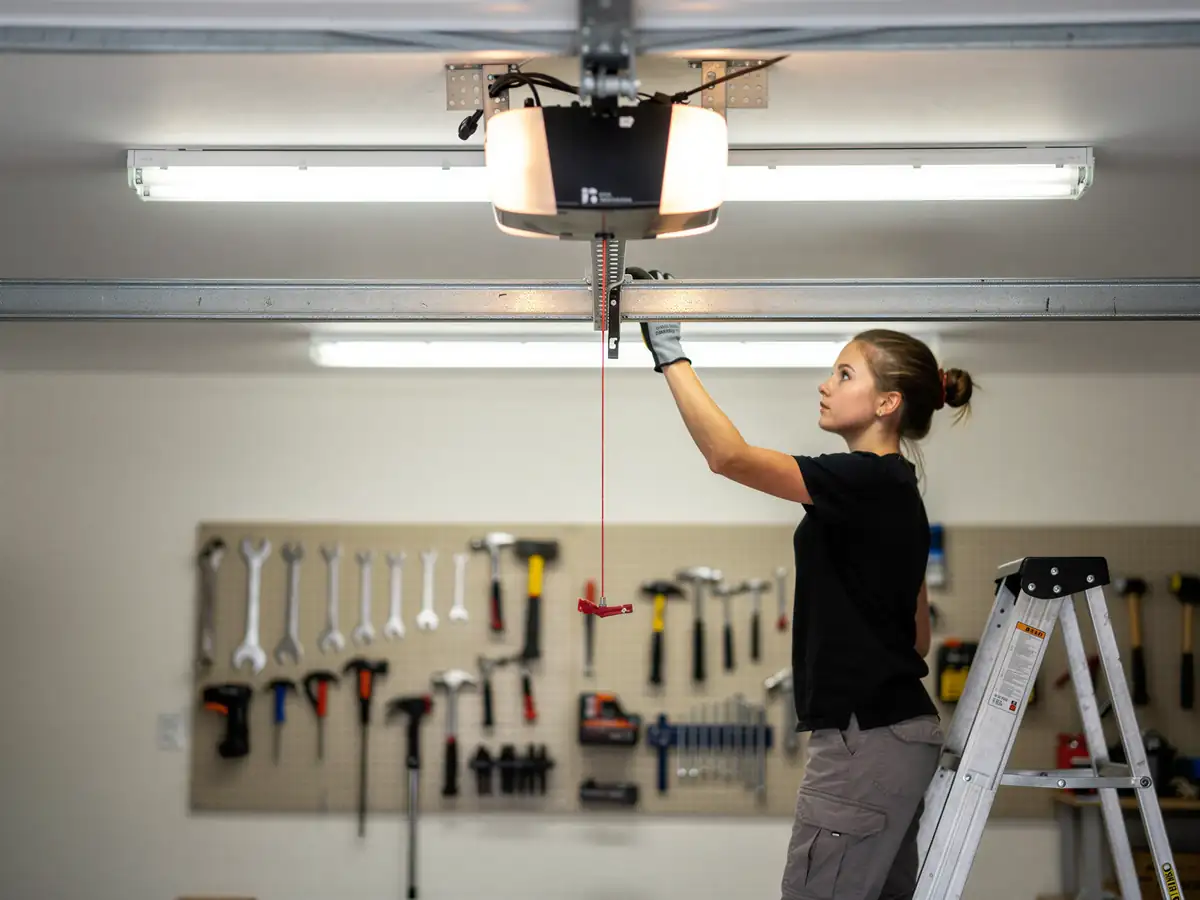
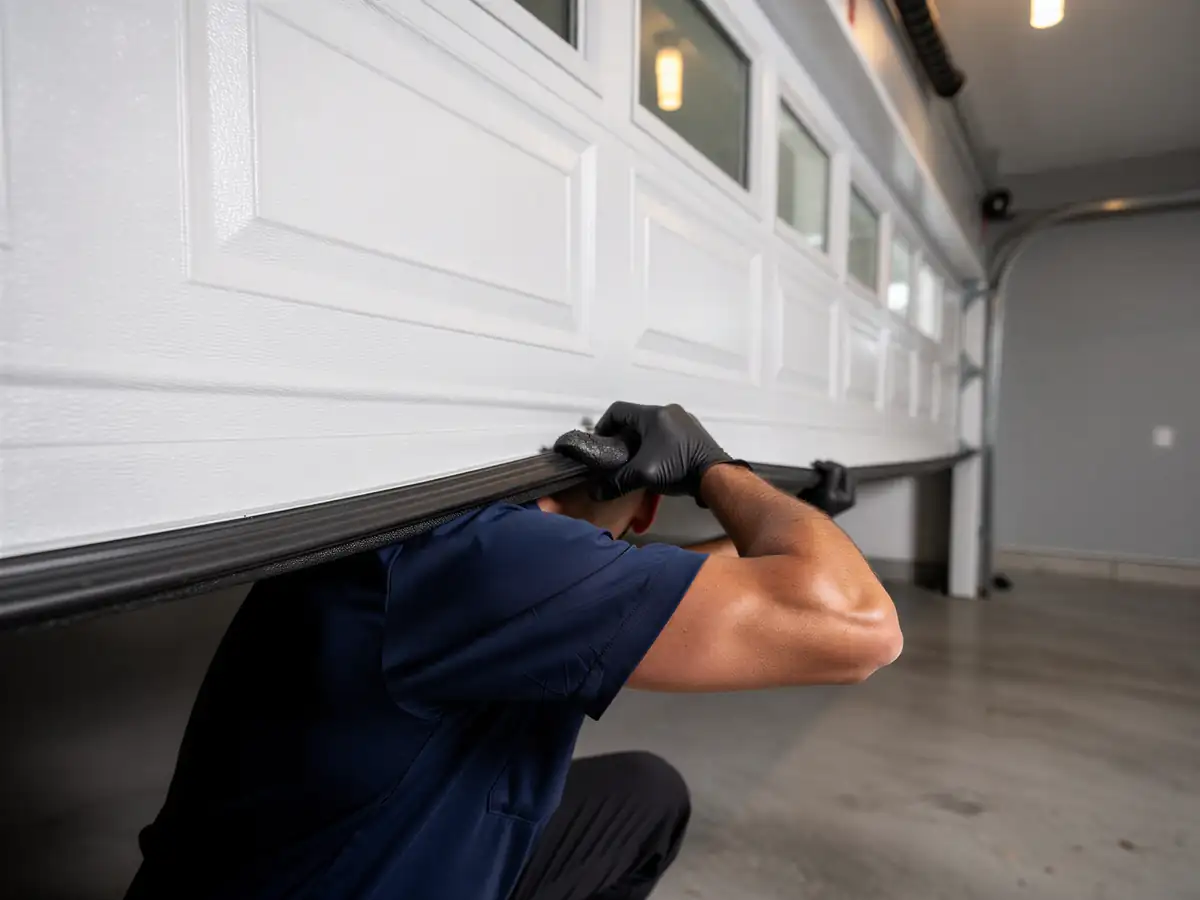
Winchester's median household income sits at $75,353, lower than the wider Menifee service area's $84,369, and that gap matters when you're deciding whether to call someone or grab a ladder. Some things are worth doing yourself: wipe down the tracks, check that the photo-eye sensors near the floor aren't knocked out of alignment, and listen for a grinding noise that usually means a roller is going. None of that costs you anything but time.
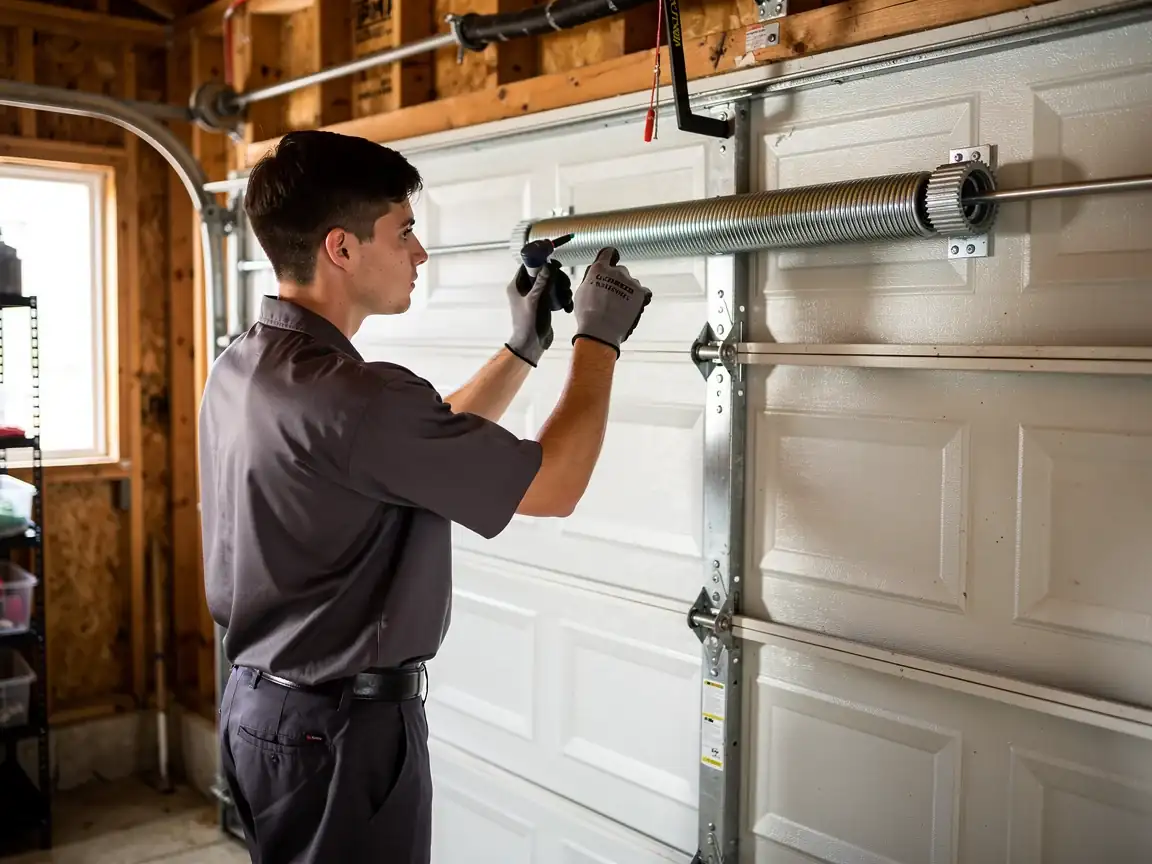
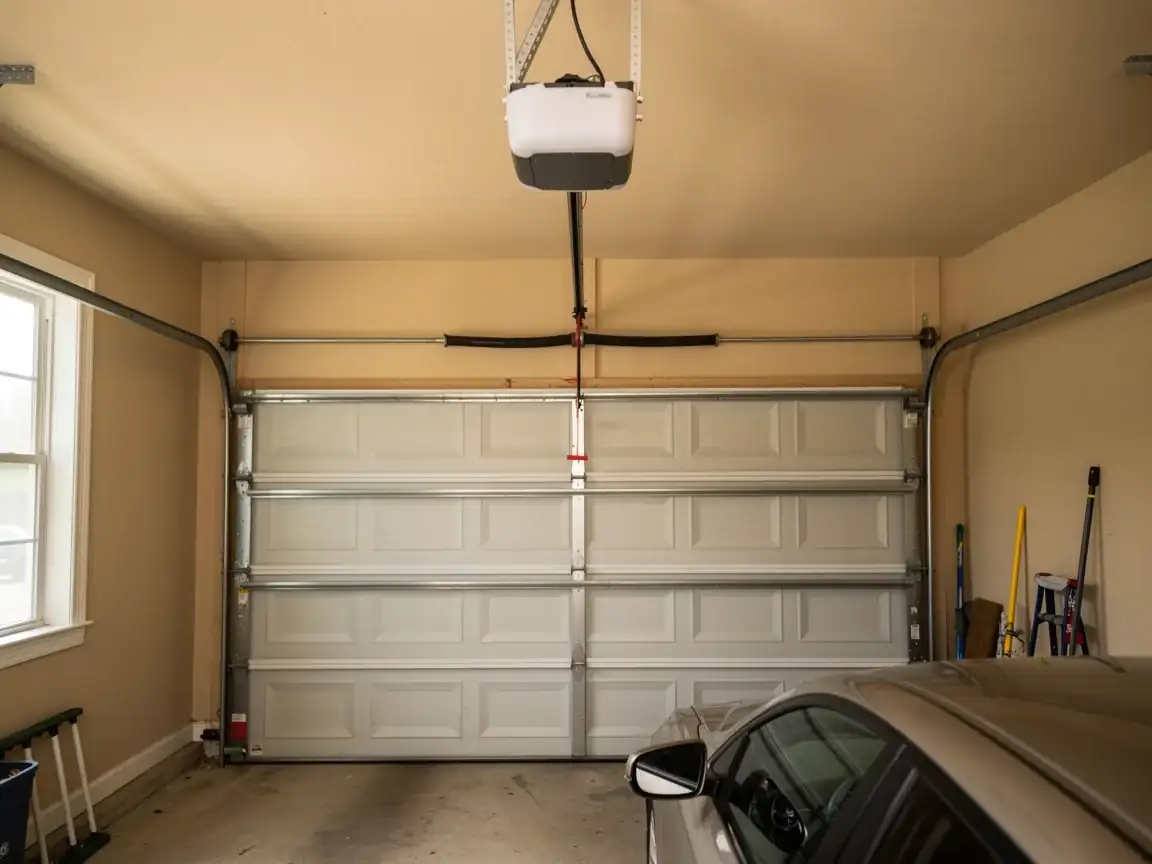
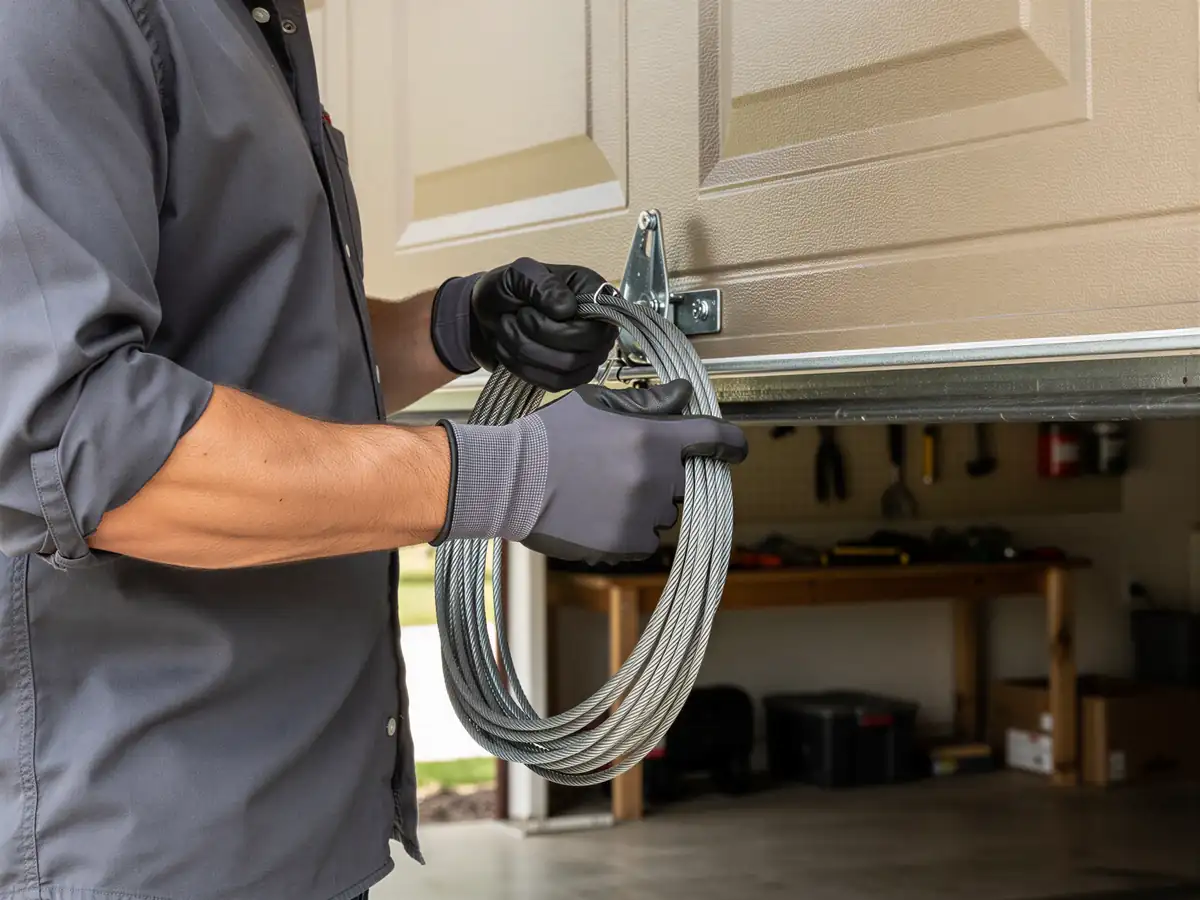
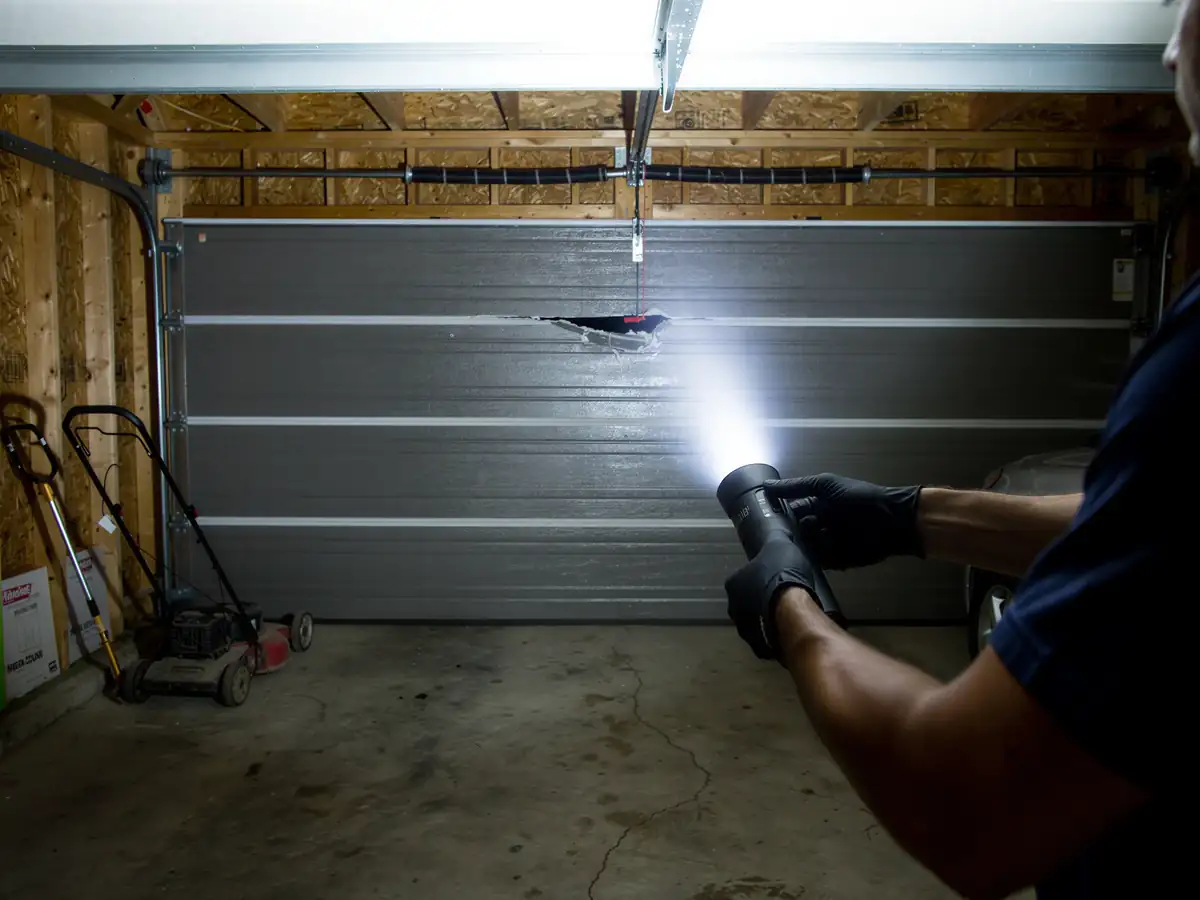
What you shouldn't touch is the spring. A torsion spring under tension can break a hand or worse, and on a door built around 1988 - which is the median year for houses in this area - you're often looking at original hardware that's outlived its rated cycle count. If the door is sagging on one side or the cable looks frayed, that's a call, not a project. We'll say it plainly: a $12 part at a hardware store isn't the same part your door needs, and guessing on spring wind direction is how people get hurt.
What Is on the Truck
Because Winchester's housing stock centers on 1988, the truck carries parts sized for that era
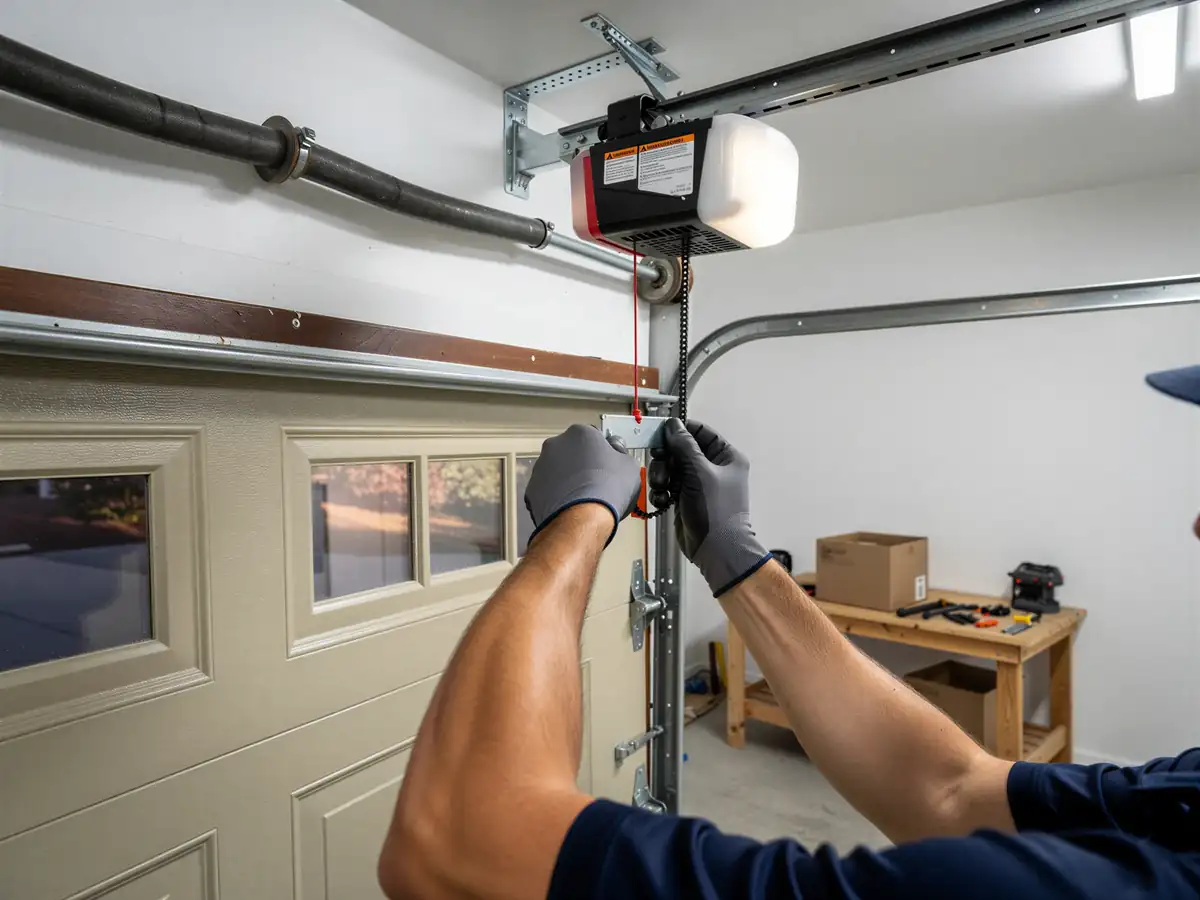
Standard torsion spring sets in the wind and wire gauges common to doors from the late 1980s, plus extension spring conversion hardware for the handful of older setups still running that style. We also carry heat-rated opener circuit boards and capacitors, since this area falls in a severe heat climate band and that's exactly what cooks electronics sitting in an unventilated garage through the summer.
We stock PVC-cored rollers over nylon for the same reason
The heat here shortens the life of cheaper rollers faster than it would somewhere milder. What we don't carry on every run is a full replacement door in every panel style; those are special order and we'll tell you the lead time up front rather than promise something we can't deliver same day.
The Cost of This Job
At a median household income of $75,353, the math on repair versus replace leans toward repair more often than it does in higher-income parts of the service area - a $300-$500 spring or opener fix is a more comfortable number to absorb than a full door swap. We'll give you the real cost of fixing what's there before we talk about replacing it, and if the repair gets the door working reliably for years, that's usually the right call for a Winchester household.
Replacement starts to make sense when the door itself - not just the spring or opener - is original to a 1988-era build and the panels are rusted through or the track is bent beyond adjustment. At that point you're not saving money by patching it again; you're paying twice. We don't carry financing or price lists on this page because it depends on what's actually wrong, but we'll walk you through both numbers before any work starts.
Getting It Booked In
We run this job out of Menifee, about 6 miles from Winchester, so when you call, you're booking a truck that's traveling in rather than one sitting on a side street nearby. That's not a downside - it just means we schedule the route, not a walk-in counter. Tell us what the door is doing (won't open, makes noise, stuck halfway) and whether it's a single or double door, since that changes which spring and which tools come with us.
We don't claim a specific response window for Winchester calls, because we're not based here and traffic on the drive in varies. What we can do is give you a realistic window when you call and stick to it. If it's a safety issue - door stuck open, spring snapped, cable off the drum - say so when you call, and we'll bump it up the route.
Why It Happens Here
Winchester's housing runs a median year built of 1988
A few years newer than the broader service area's 1984 median, but it still puts the bulk of these doors well past three decades old. Springs rated for a certain number of cycles are well past that count by now, and openers from that generation weren't built with the circuit protection that newer units have.
The other factor is heat
This area sits in a severe heat climate band, and an unventilated garage can run well above the outside temperature for hours at a time. That cooks opener logic boards, dries out lubricant on tracks and hinges faster than it would in a milder climate, and makes plastic rollers brittle. Put a 1988-era door and opener in that kind of heat for thirty-plus years and the failures we see - snapped springs, dead circuit boards, seized rollers - aren't surprising. They're what you'd expect from the combination.