Doing It Yourself
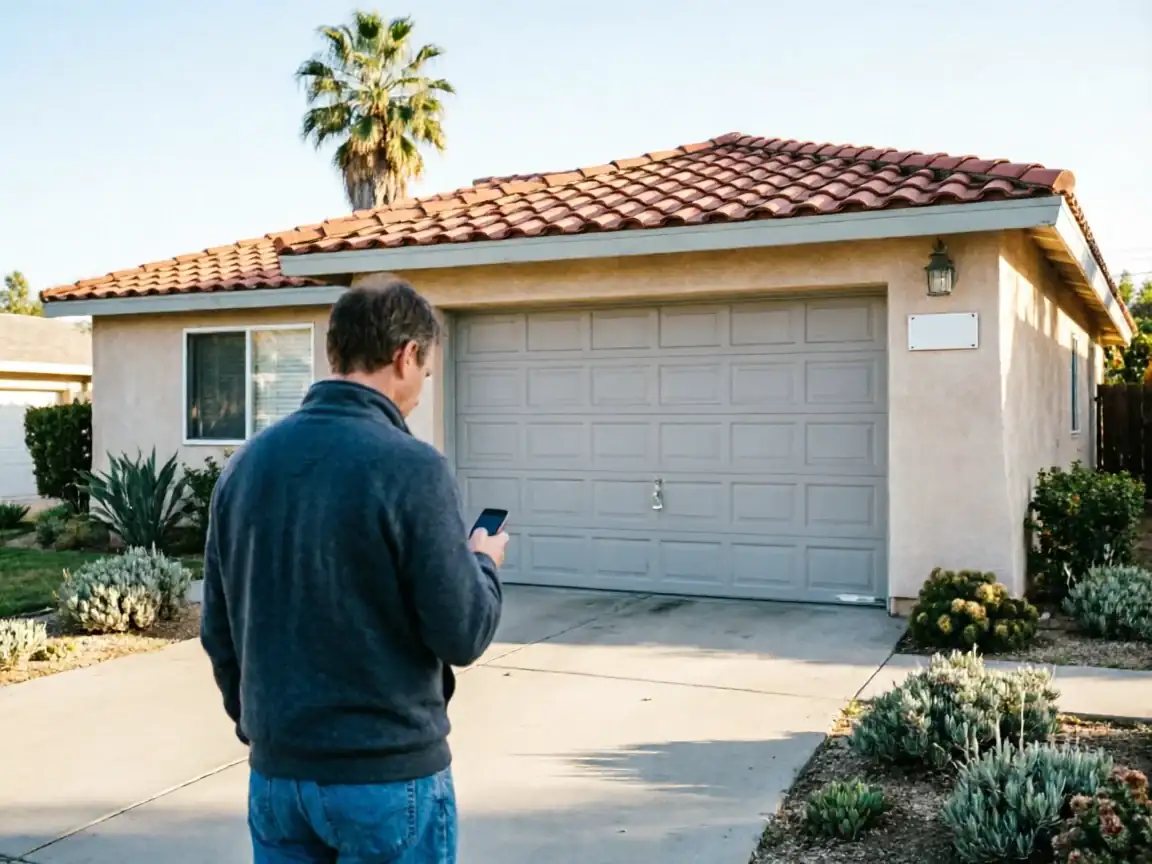
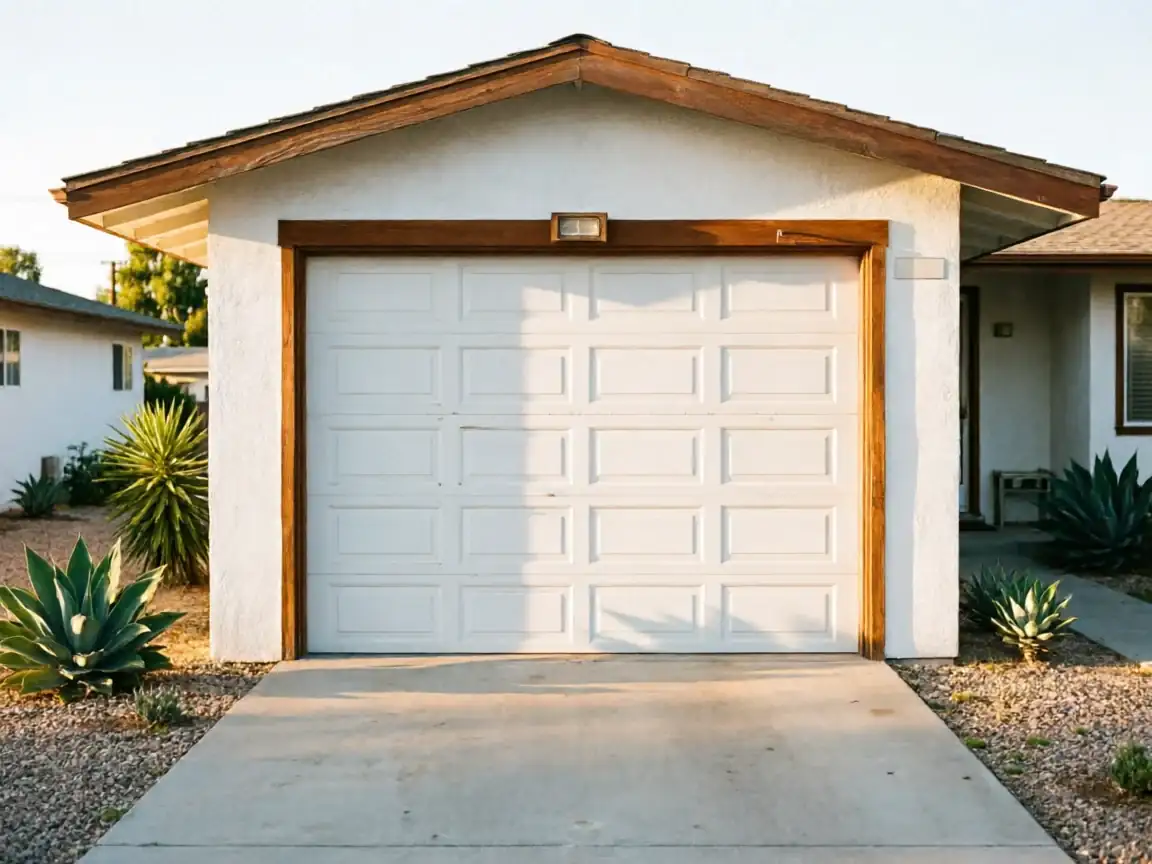
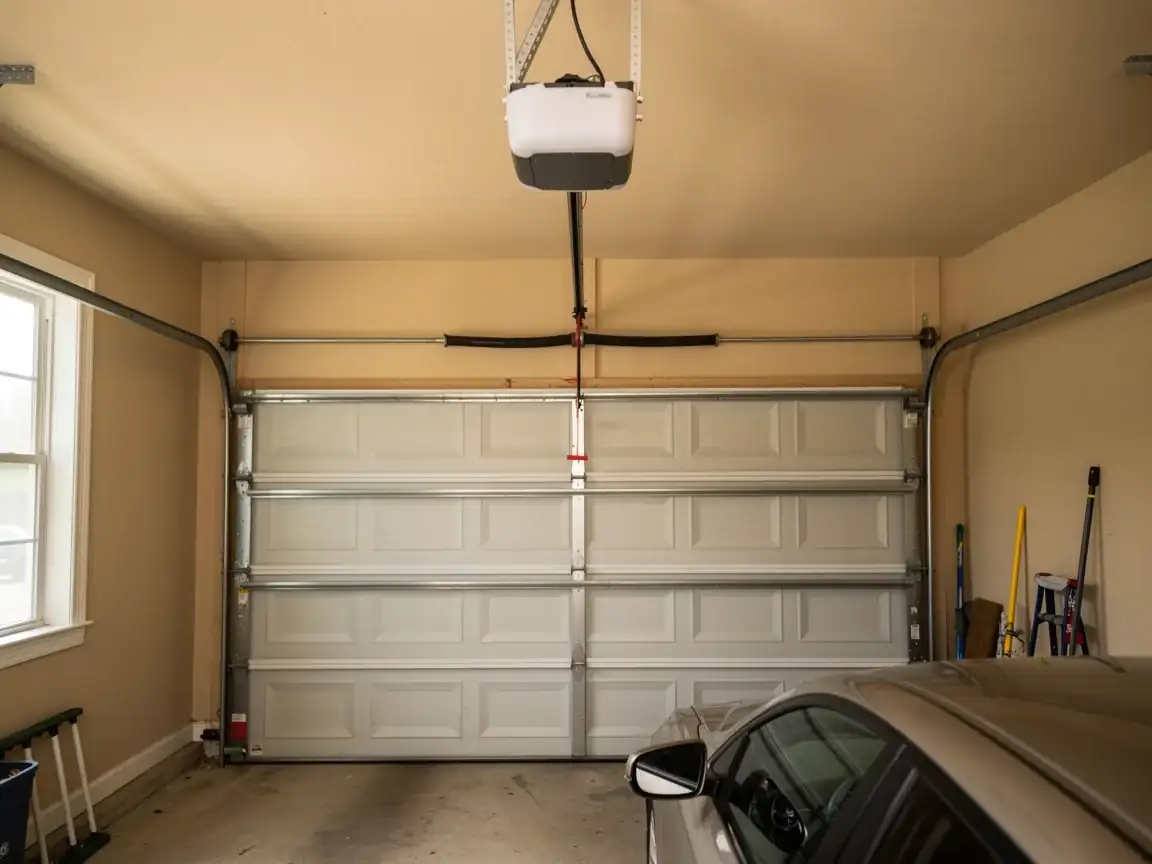
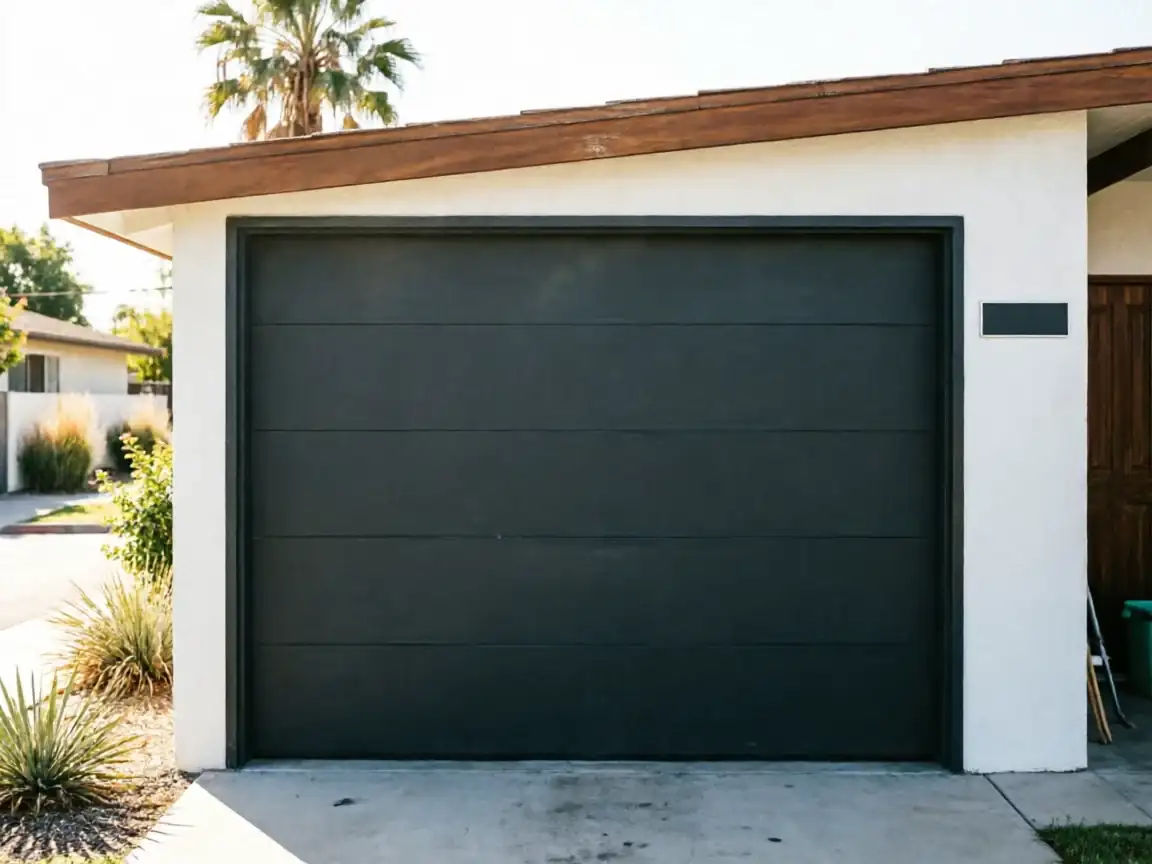
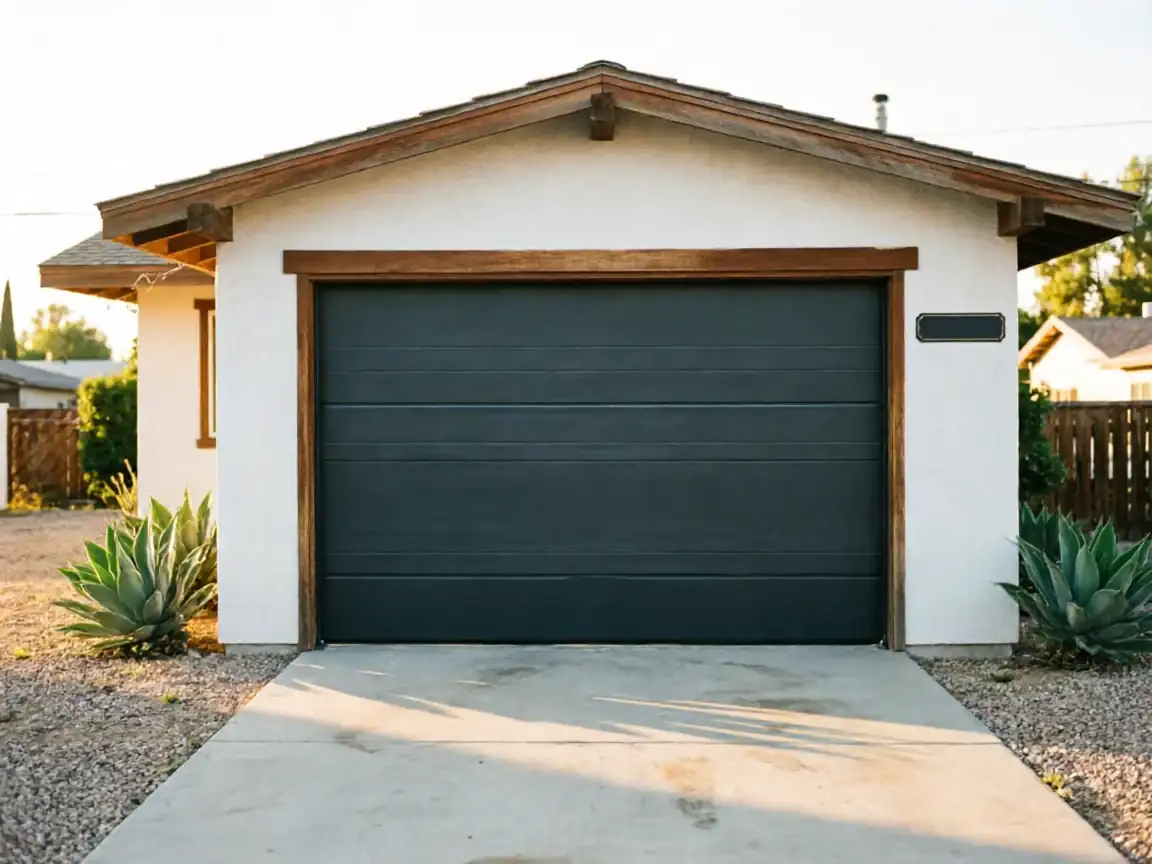
Most garage doors in Winchester went up around 1988, which puts them squarely in the steel sectional era - a 16x7 double door or an 8x7 single, galvanized panels, torsion springs mounted on a center bracket rather than the extension-spring setups you'd find on older stock. If yours is original, the hardware has had over three decades of summer heat working on it.
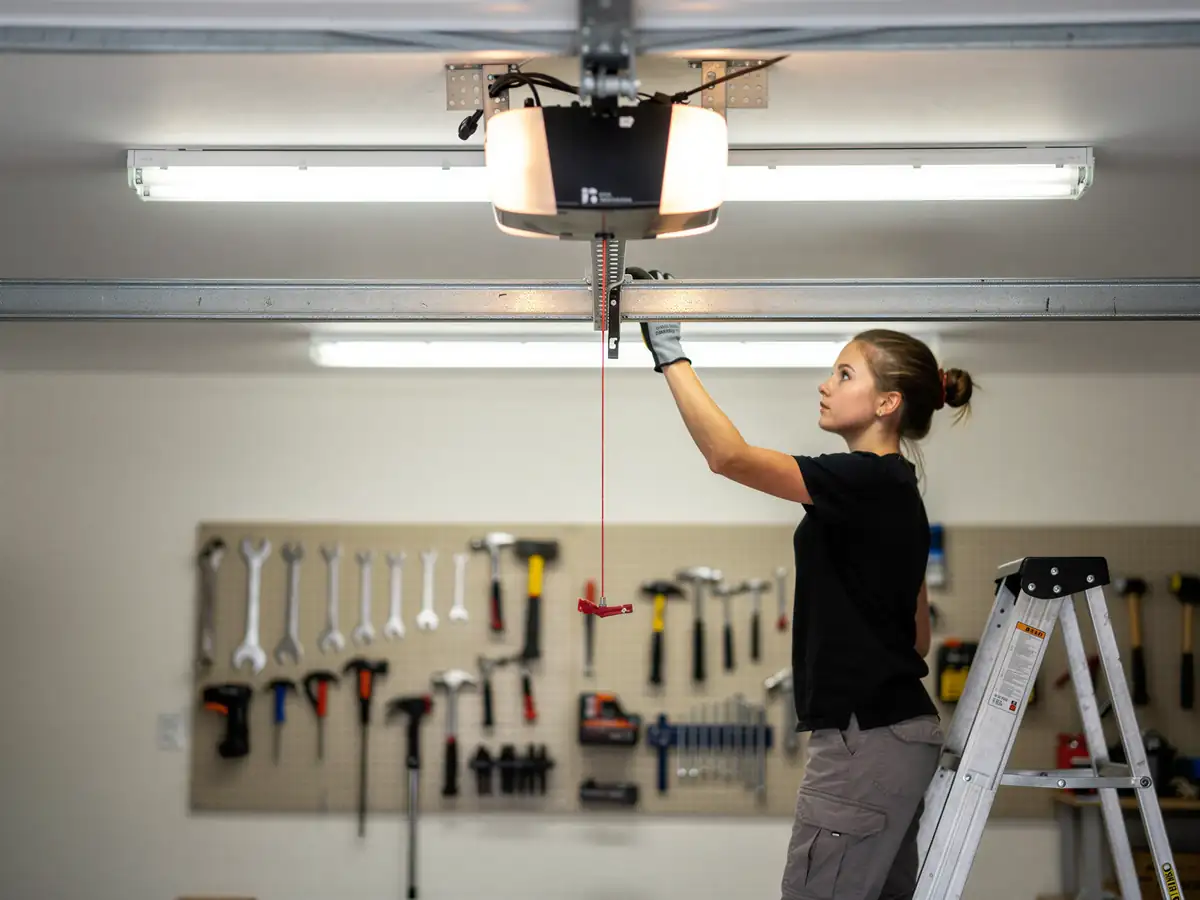
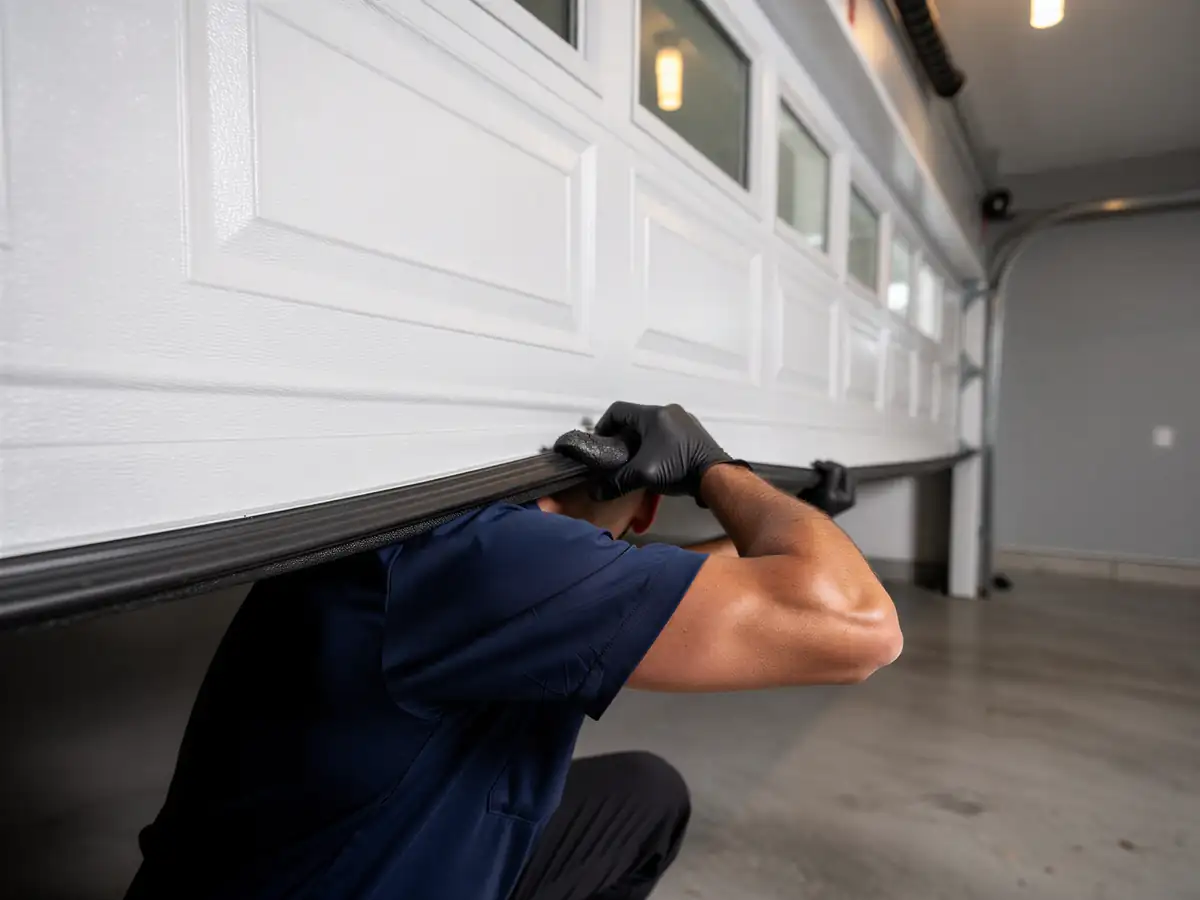
You can do some of this yourself. Once a month, run a visual check: look at the springs for gaps in the coil, check the cables for fraying where they wrap the drum, and watch the door travel for any side-to-side lean. Wipe the tracks down and lubricate the rollers and hinges with a garage-door-rated lubricant, not household oil, which attracts grit and gums up in the heat.
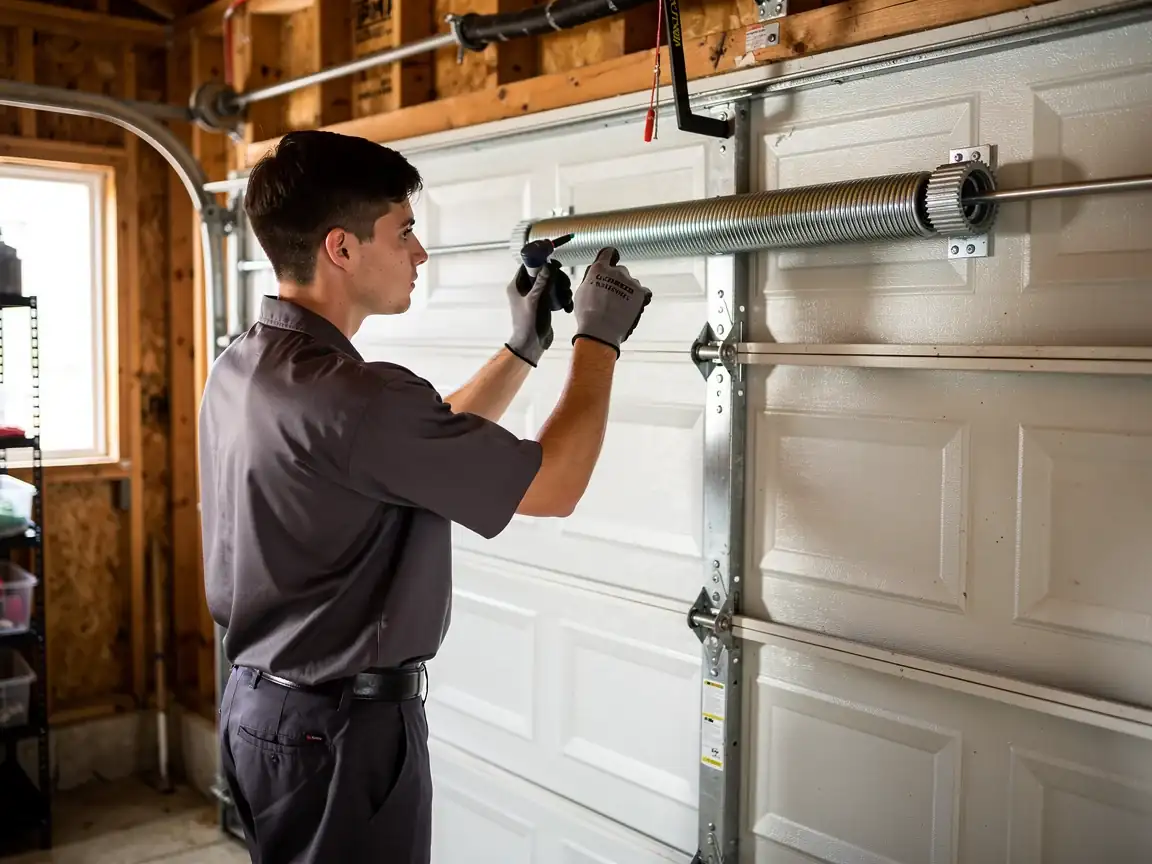
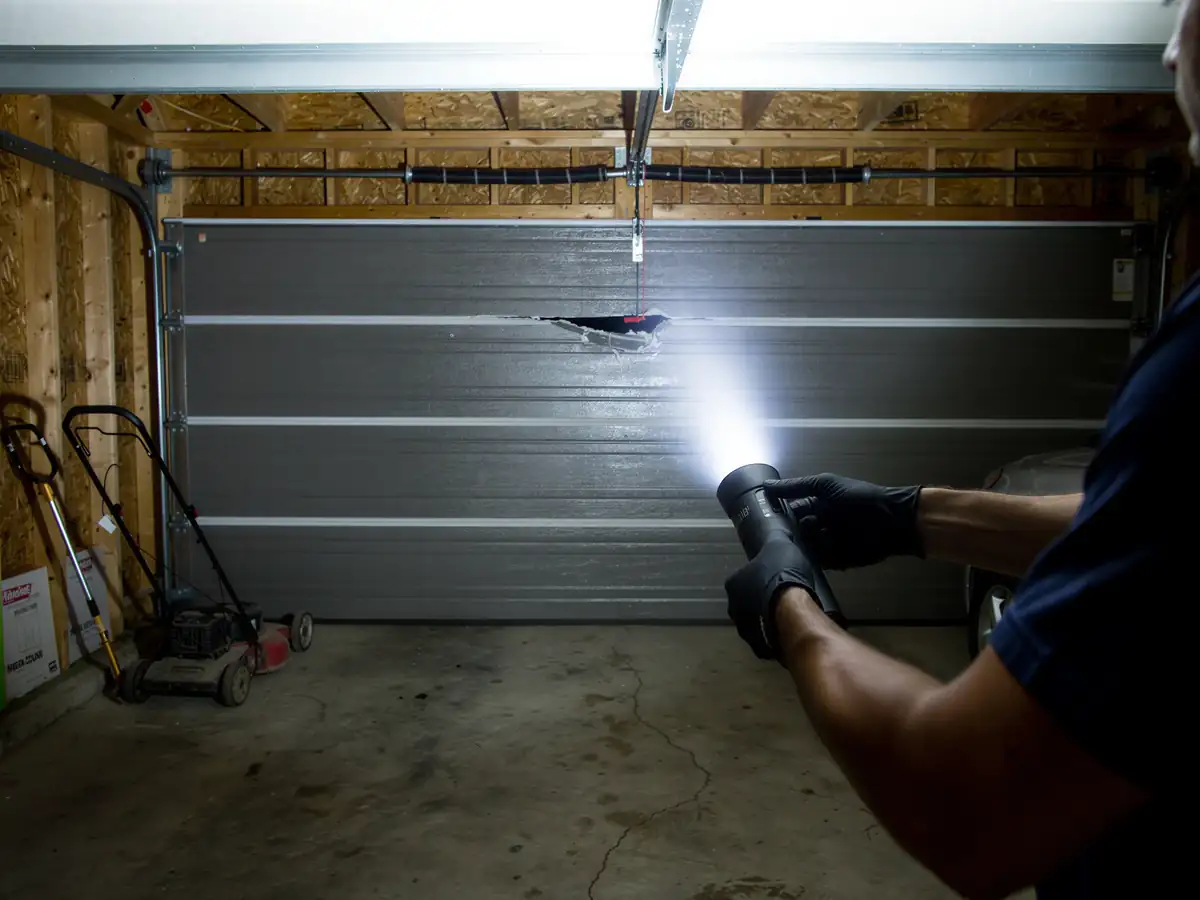
What you shouldn't do yourself is touch the torsion spring. It's under enough tension to break a bone or worse, and on a door this age, the spring has likely never been replaced. If you see rust streaking down from the spring coils or hear a bang from the garage, that's a call, not a project. We'll say it plainly: if you're not sure which side of that line a job falls on, assume it's ours to do, not yours.
What Is on the Truck
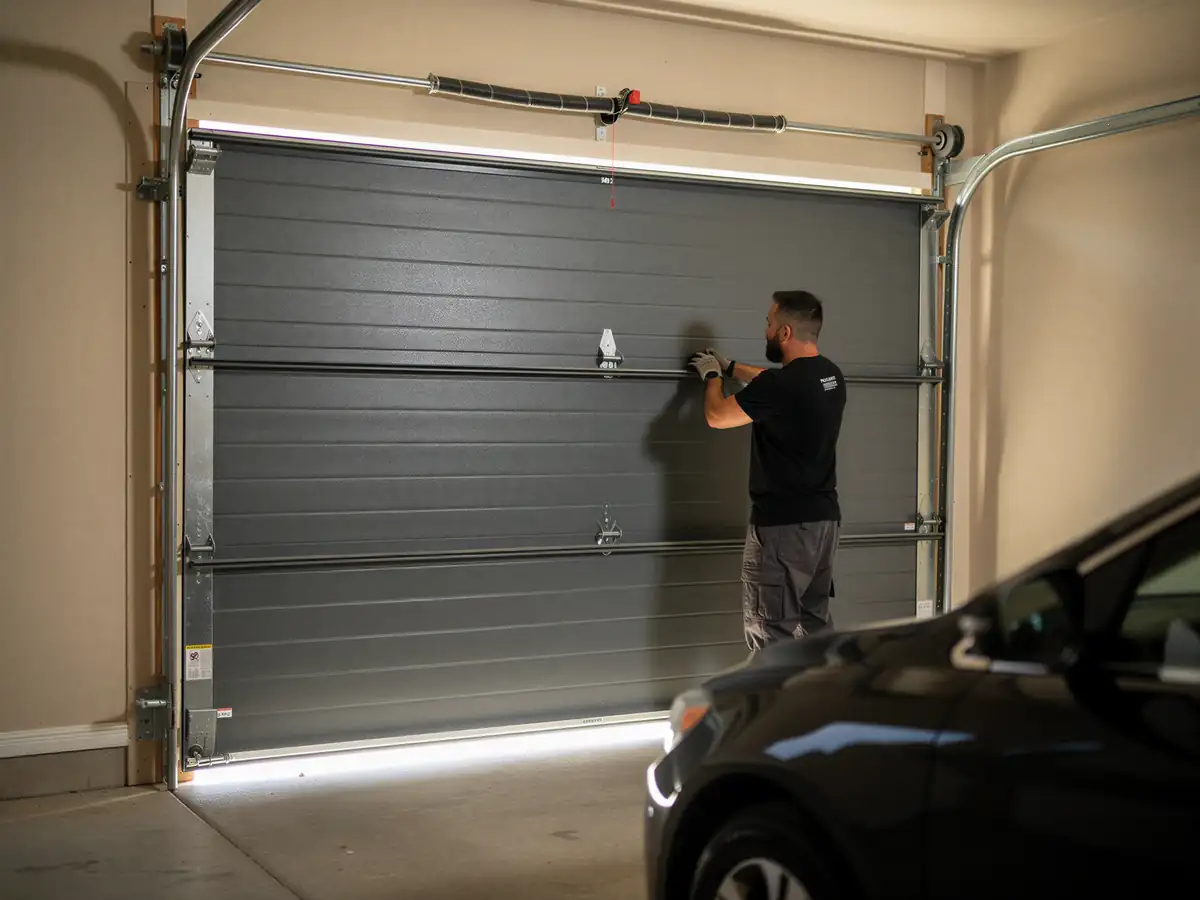
For a maintenance visit on a door from the late 1980s, the truck carries what that era of hardware actually needs
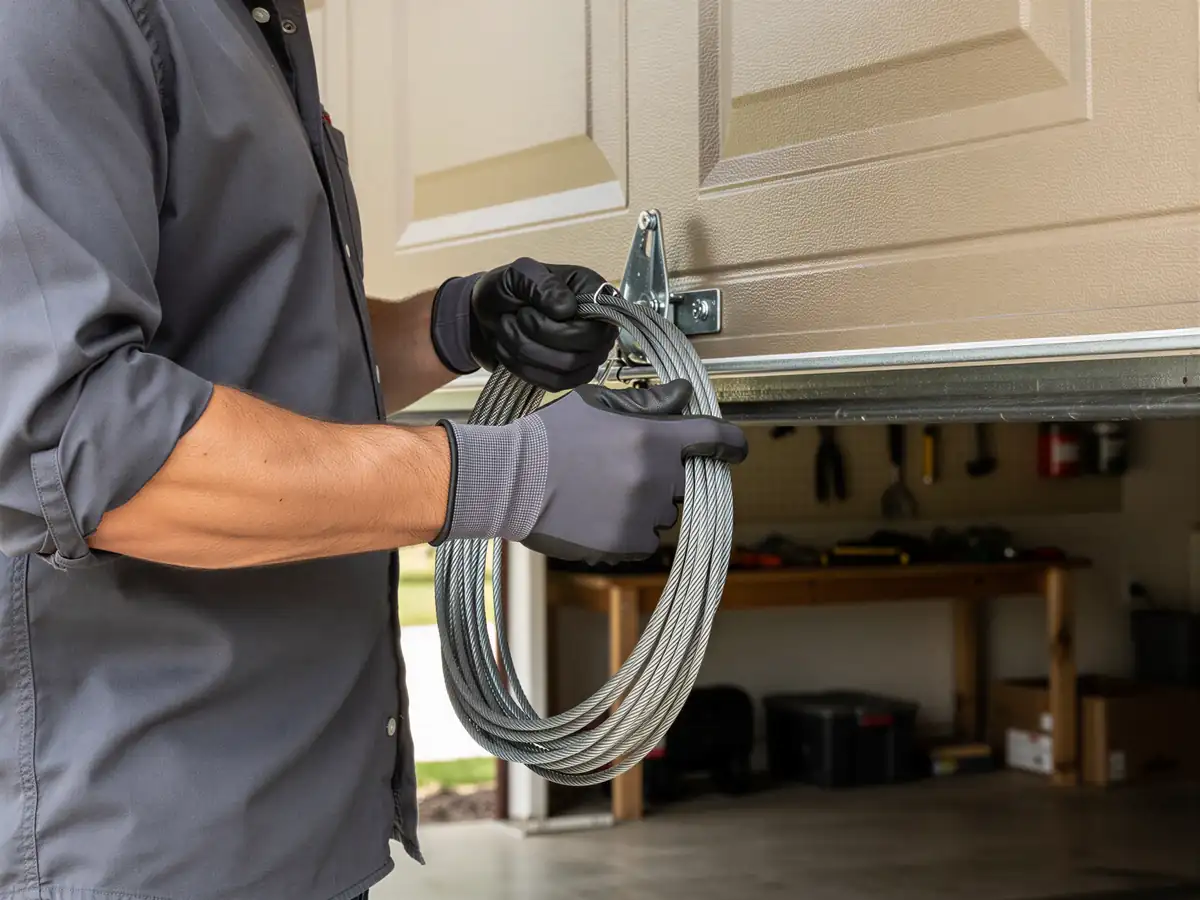
Galvanized torsion springs sized to the door's original weight rating, steel rollers (sealed-bearing, not the open nylon kind that dries out fast in this heat), new lift cables, and center and end bearings for doors where the original bracket has worn oblong instead of round.
Lubricant matters more here than people expect
A silicone or lithium-based spray made for high-heat exposure outlasts a general-purpose oil by a wide margin once the metal is routinely hitting high surface temperatures, which is standard for this part of the service area.
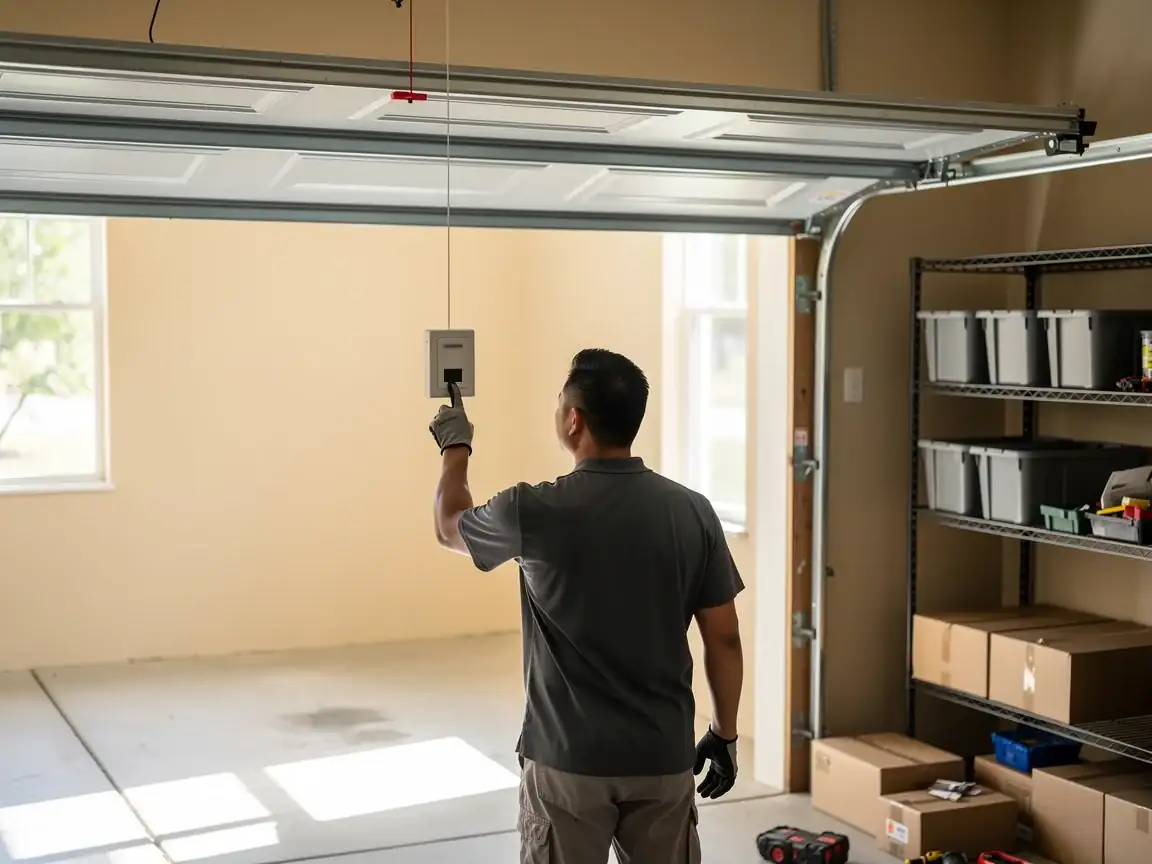
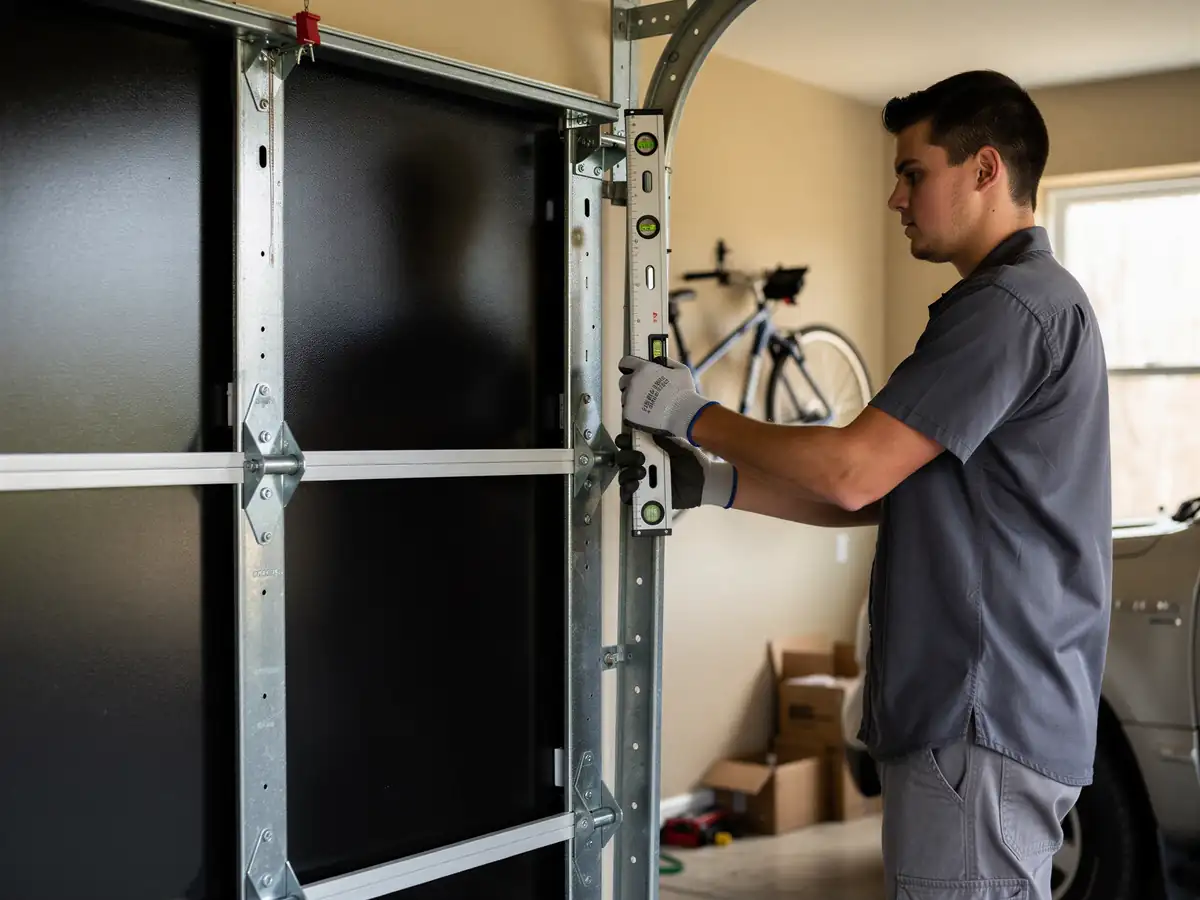
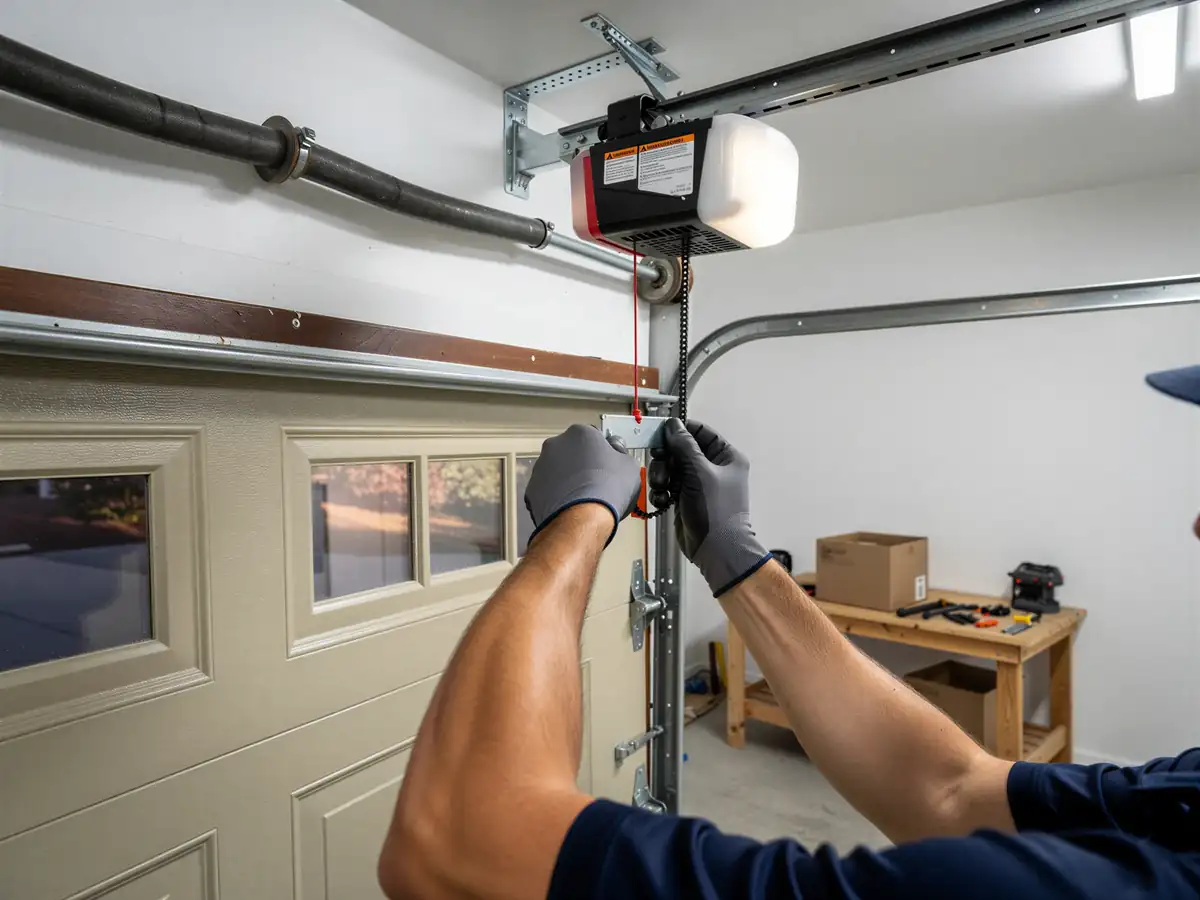
We also carry basic sensor and track alignment tools
Since a door that's run slightly out of square for years tends to wear its rollers unevenly on one side - common on original installs that were never adjusted after the first year of settling. What we don't carry is a stock of obsolete opener logic boards for every discontinued model; if your opener is old enough, parts can mean a short wait, and we'll tell you that up front rather than promise same-day on something we don't have in hand.
The Cost of This Job
We're not going to put a number here that isn't accurate for your door, because a maintenance visit on a 1988-era double door with original torsion springs costs differently than a tune-up on a door that already had a spring replaced ten years ago. What we can tell you is what drives the cost: spring condition, roller type, whether the track needs realignment, and whether the opener's drive system needs attention beyond the door itself.
Winchester's median household income sits at $75,353, lower than the $84,369 figure for the wider service area Menifee Garage Door Pros covers. In practice, that means more owners here ask us to scope a repair tightly rather than replace a door that's still structurally sound - fix the spring and rollers, leave the panels. That's often the right call on a door this age if the steel hasn't rusted through.
What isn't worth fixing: a door with multiple bowed or rusted panels, where new hardware on old steel is money spent extending a door that's going to need replacing within a couple of years anyway. We'll say so if we see it, rather than sell a tune-up on a door that doesn't deserve one.
Getting It Booked In
Winchester is about 6 miles out from Menifee, which makes it one of the closer stops on the route rather than a long haul. We don't run a branch office or depot in Winchester - the truck comes out from Menifee for the appointment, same as it does for the rest of the towns along this stretch.
With roughly 1,052 households in Winchester, this isn't a town where you'll find a garage door outfit on every corner, and most of the work we do here is maintenance on doors nobody's touched since they were installed. Booking is the same process as anywhere else we cover: tell us the door's approximate age and what you're noticing - noise, drag, uneven travel - and we'll bring the hardware that matches a late-1980s steel sectional door rather than guessing at the truck.
If you want to see the rest of the area this covers, the service area page lists the surrounding towns, and the main maintenance page for the company's home base has the full rundown of what a maintenance visit includes.
Why It Happens Here
The service area carries a HEAT severe climate rating
And that heat is harder on garage door hardware than most owners realize. Nylon rollers dry out and crack. Lubricant breaks down and turns gummy, which is worse than no lubricant at all because it collects dust and grit in the track. Steel springs lose temper faster under repeated heat-cool cycling than they would in a milder climate.
Winchester's housing stock, centered around 1988, means a lot of doors here are old enough that the original hardware has gone through three-plus decades of that cycle without ever being swapped out
A door installed new in 1988 with its original torsion spring has had roughly the number of heat seasons you'd expect to finally show up as a sagging spring or a roller that's worn flat on one side.
It's not a dramatic failure most of the time - it's a slow one
The door gets louder, then stiffer, then one day the spring lets go on a Saturday morning. Routine maintenance on a schedule, rather than waiting for the bang, is what actually works against a climate like this one.