How It Shows Up
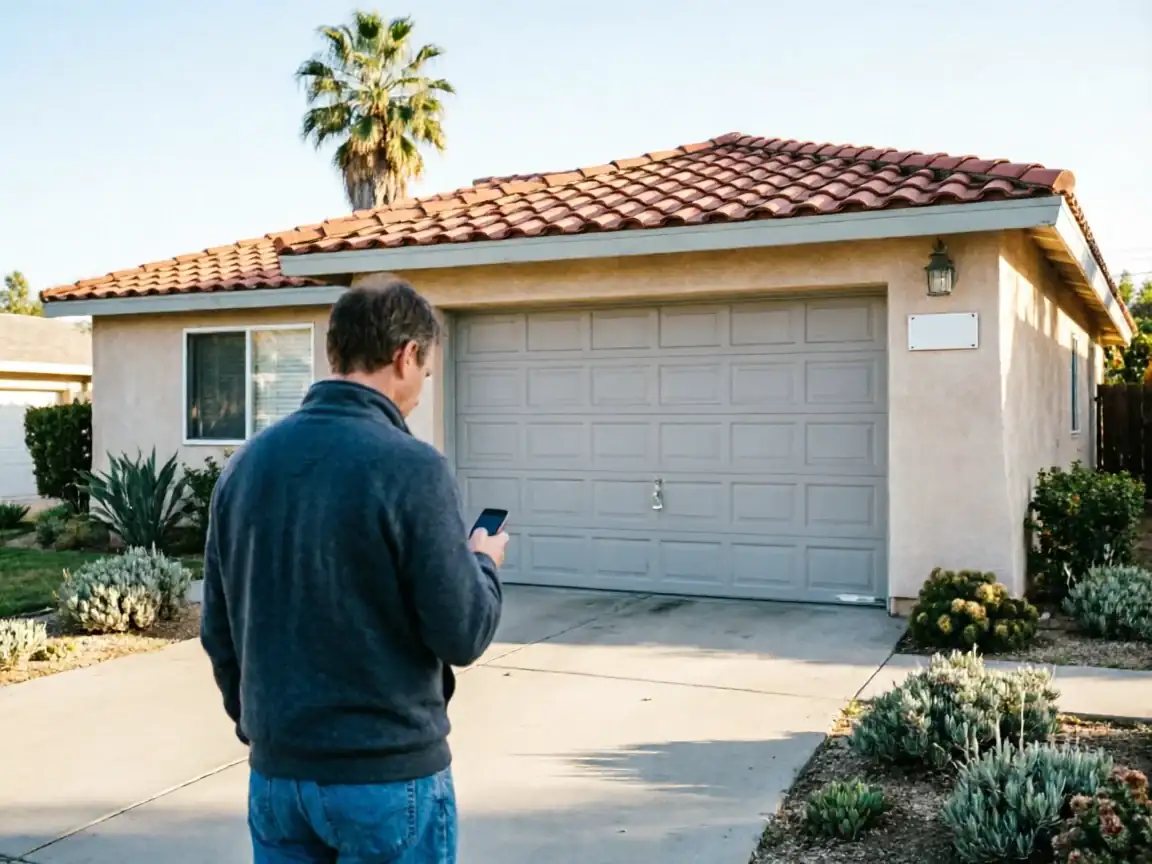
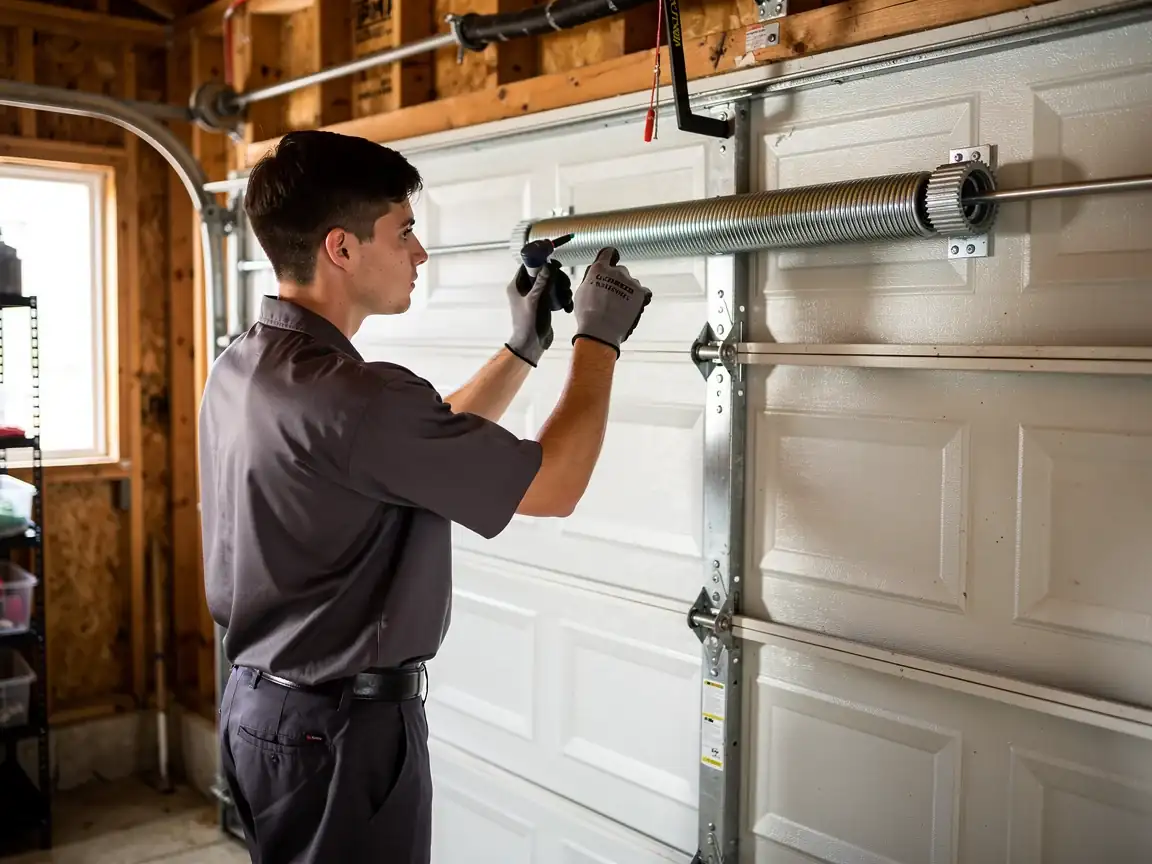
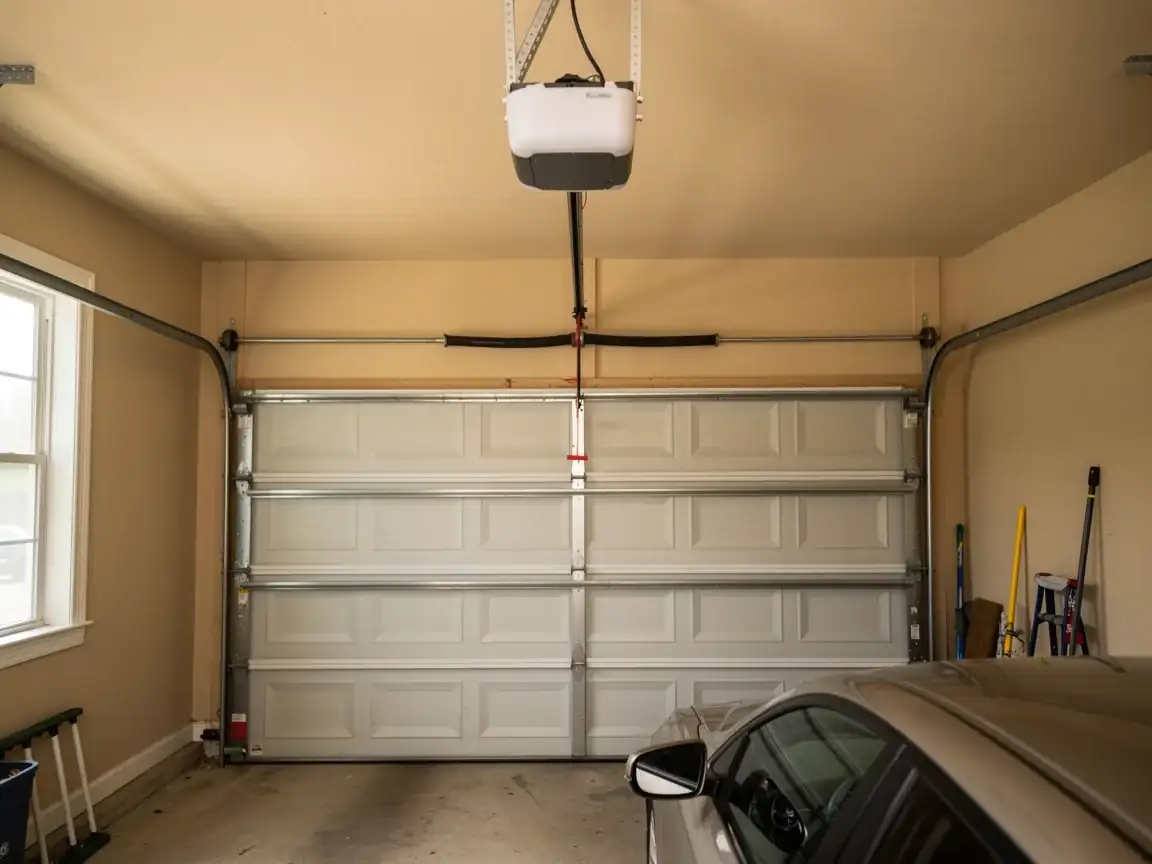
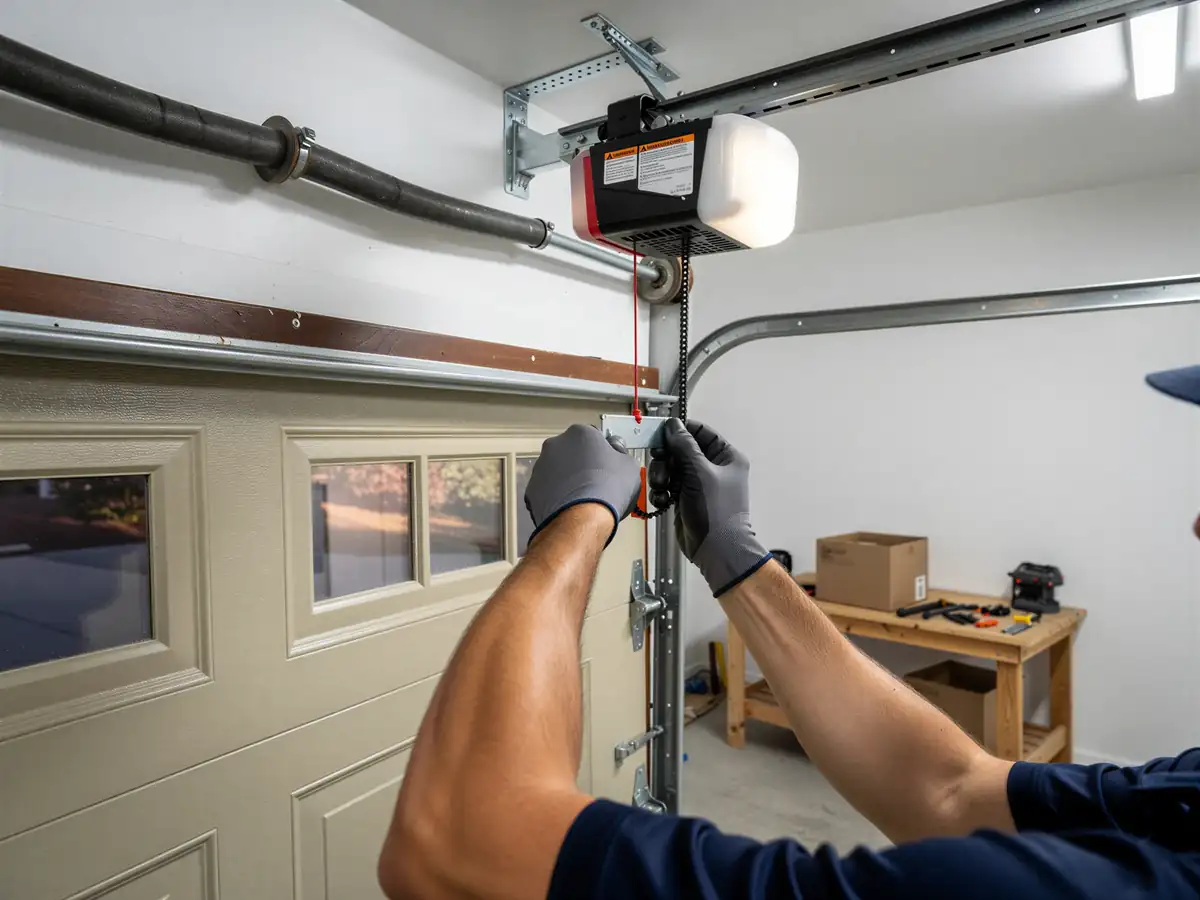
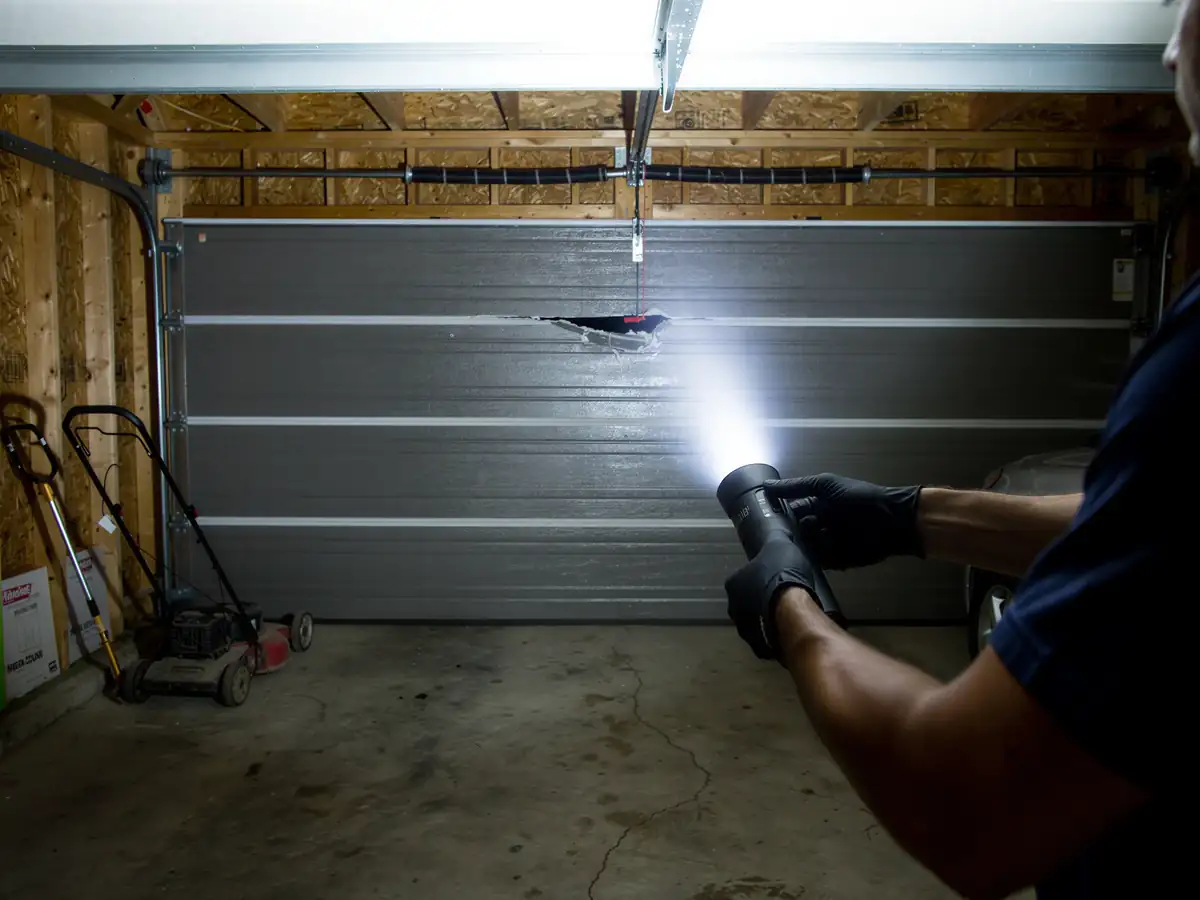
The call we get from Nuevo almost always starts the same way: the door slammed down on one side, or it's hanging crooked with a cable dangling loose off the drum. That's a lift cable giving out, and on this side of the valley it's usually a heat problem before it's an age problem. Most houses in Nuevo were built around 1990, which puts them squarely in torsion-spring territory - no old side-mounted extension systems here, just a torsion bar, two cable drums, and galvanized cable running down each track. The fault isn't the design. It's what thirty-plus years of severe summer heat does to the lubrication and the strand. Dry cable flexes over the drum thousands of times a season, and eventually a strand lets go near the bottom bracket or right where it wraps the drum. You'll hear a bang, see one corner of the door drop an inch or two, or watch the whole panel refuse to move because the opener senses slack and stops itself. None of that is a job for WD-40 and hope. A frayed cable under spring tension is one of the few things on a garage door that can actually hurt someone if it's handled wrong.
What Is on the Truck
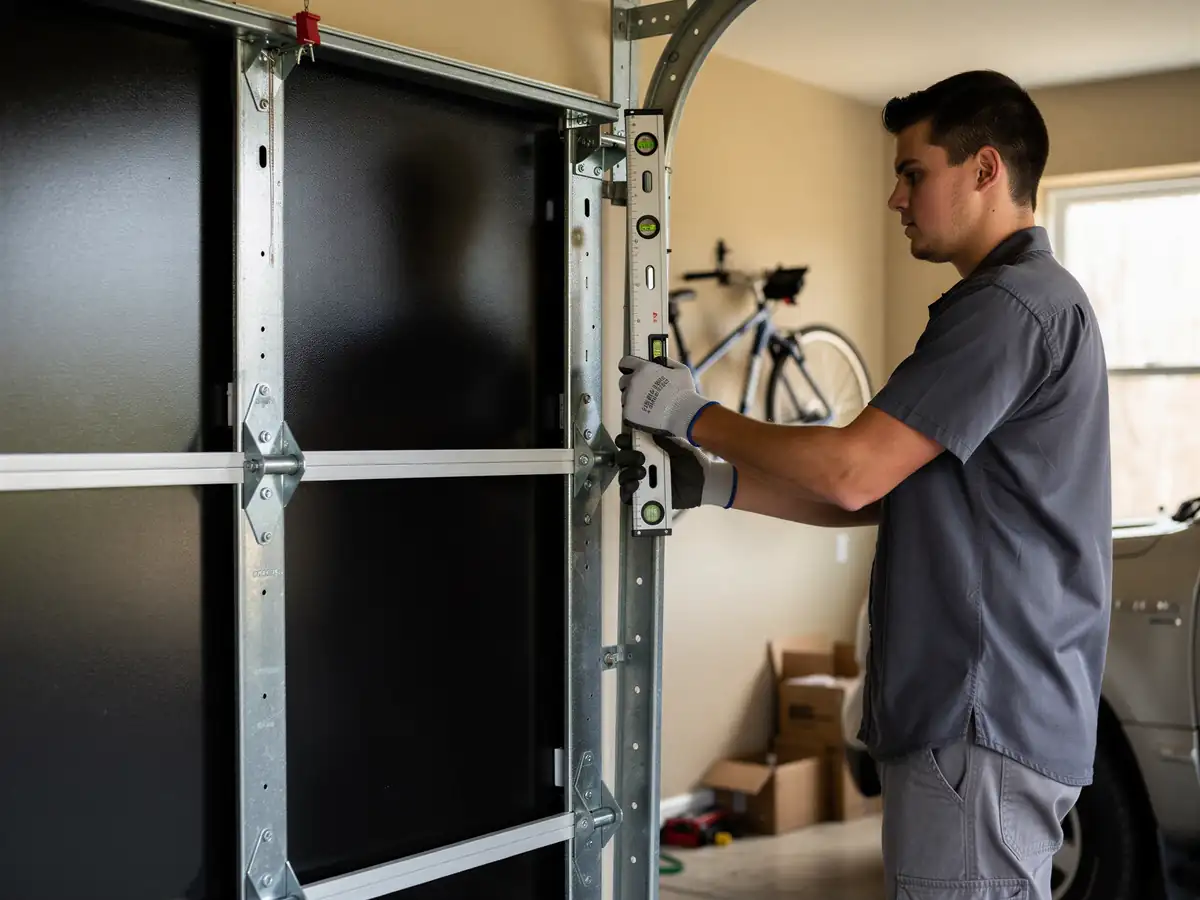
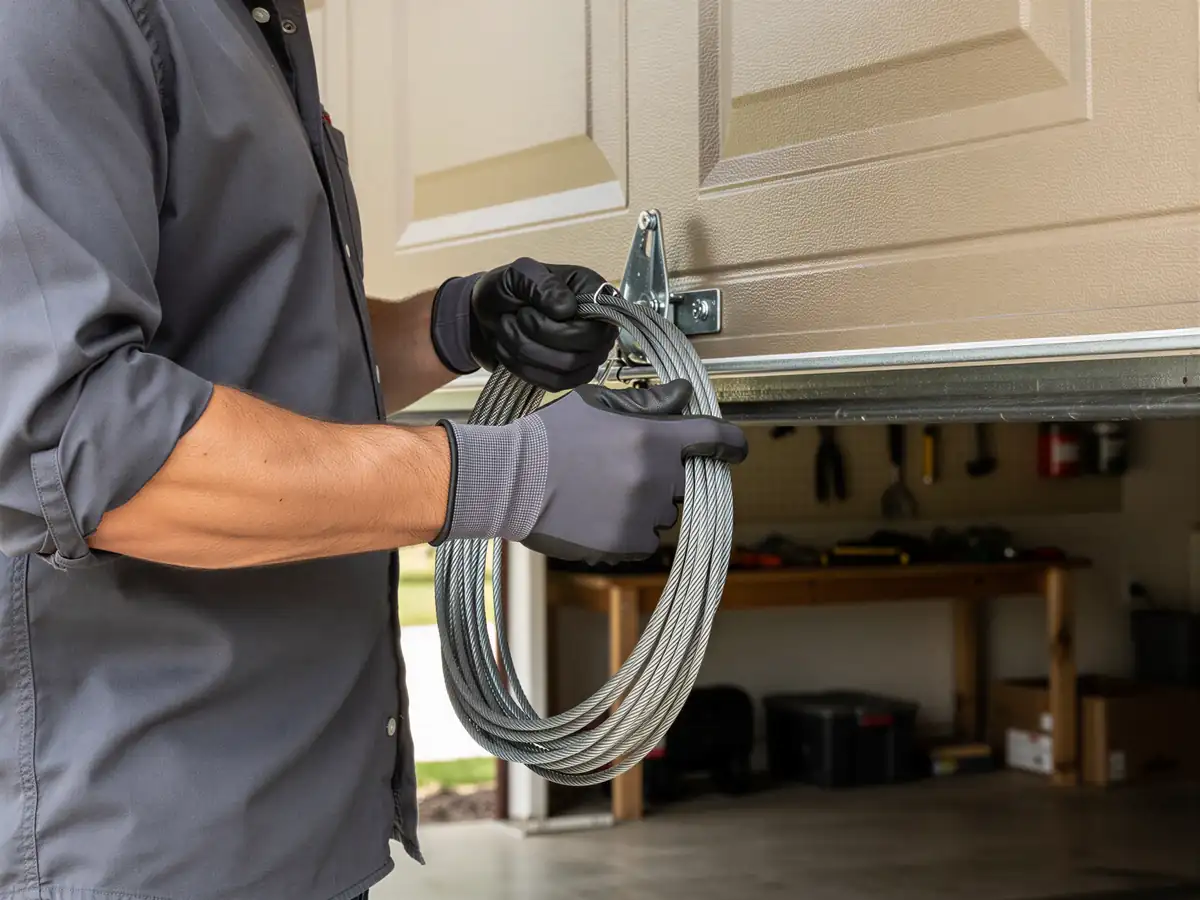
For a service area where torsion-spring doors built in the 1980s and 90s are the standard - Nuevo included - we carry galvanized lift cable in the common gauges those systems use, plus the standard drums and bottom brackets that fail alongside a snapped cable. We don't stock every odd size; a door that's been modified with a non-standard track or an aftermarket spring kit sometimes needs a part ordered in, and we'll tell you straight if that's the case rather than jury-rig something that won't hold. What we don't carry is extension-spring side cable hardware - that's a different system from a different building era, and it's not what you'll find on a house built around 1990. If your door turns out to be an outlier, we'll say so on site instead of pretending it's a standard fix.
Doing It Yourself
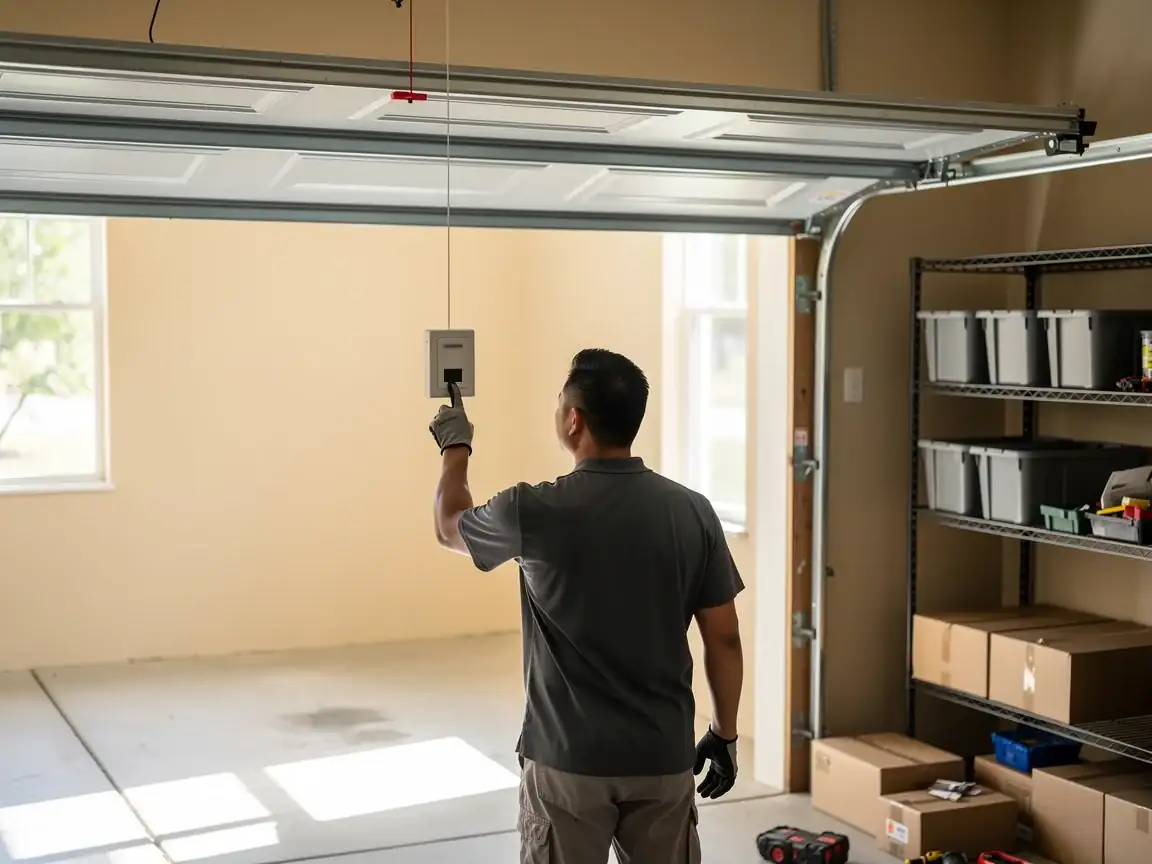
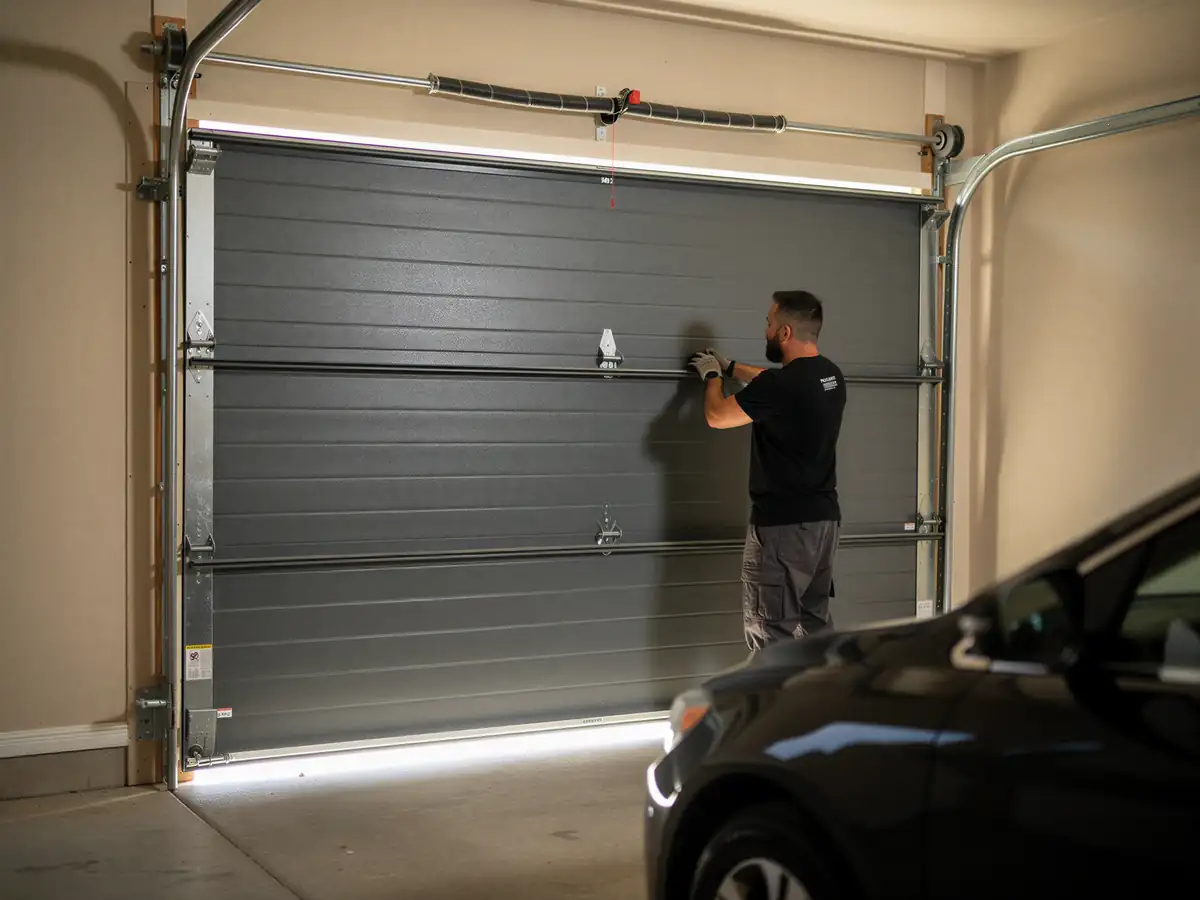
A lift cable under tension is not a weekend project, and we'll say that plainly rather than soften it. The torsion spring holding that cable's counterweight stores enough force to break fingers or worse if it releases while you're working near it. If a cable has already snapped and the door is down, the safe move is to leave the opener disconnected, prop nothing under the door, and call it in rather than try to re-thread the cable yourself. Where you can genuinely help yourself: don't run the opener once you notice a cable fraying or a door hanging unevenly. Running a motor against a bad cable is how a small fix turns into a bent track and a bigger bill. That's the one honest limit here - we can replace a cable fast, but we can't un-bend a track that got forced through a dozen cycles on a half-broken cable.