How It Shows Up
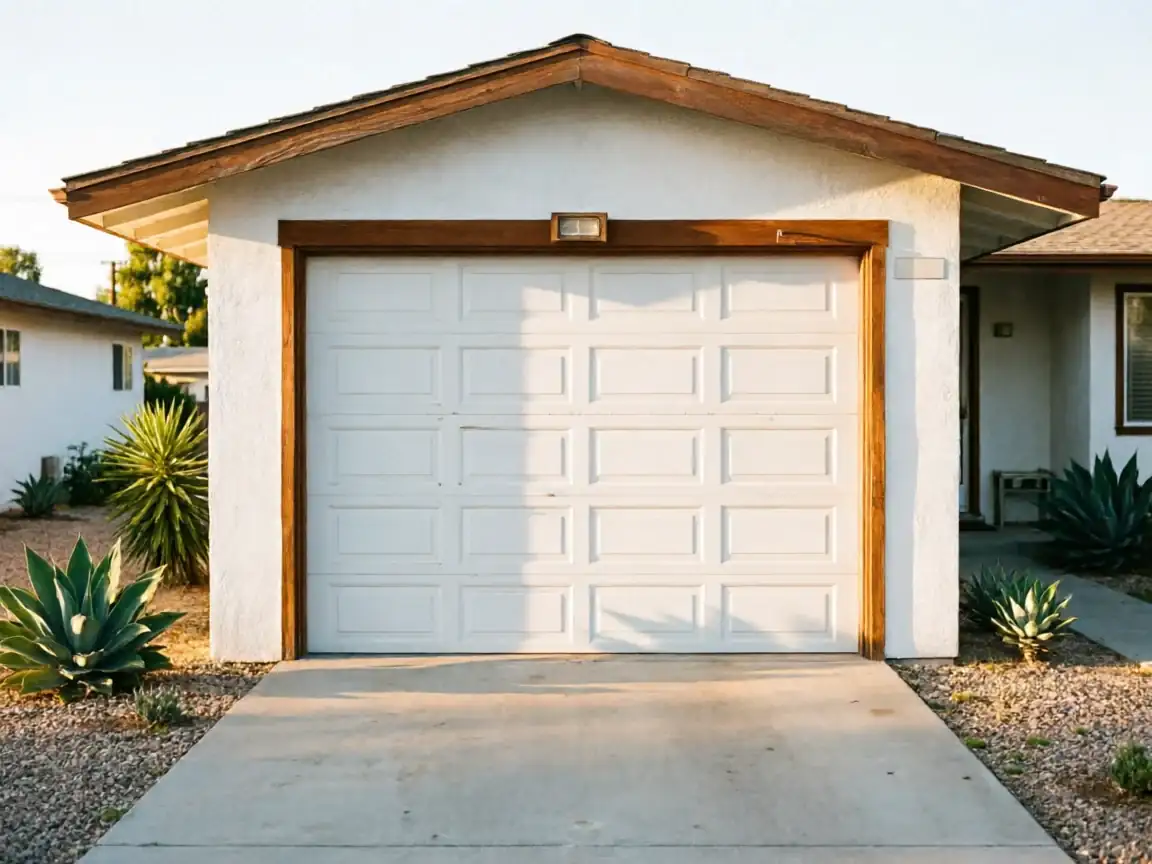
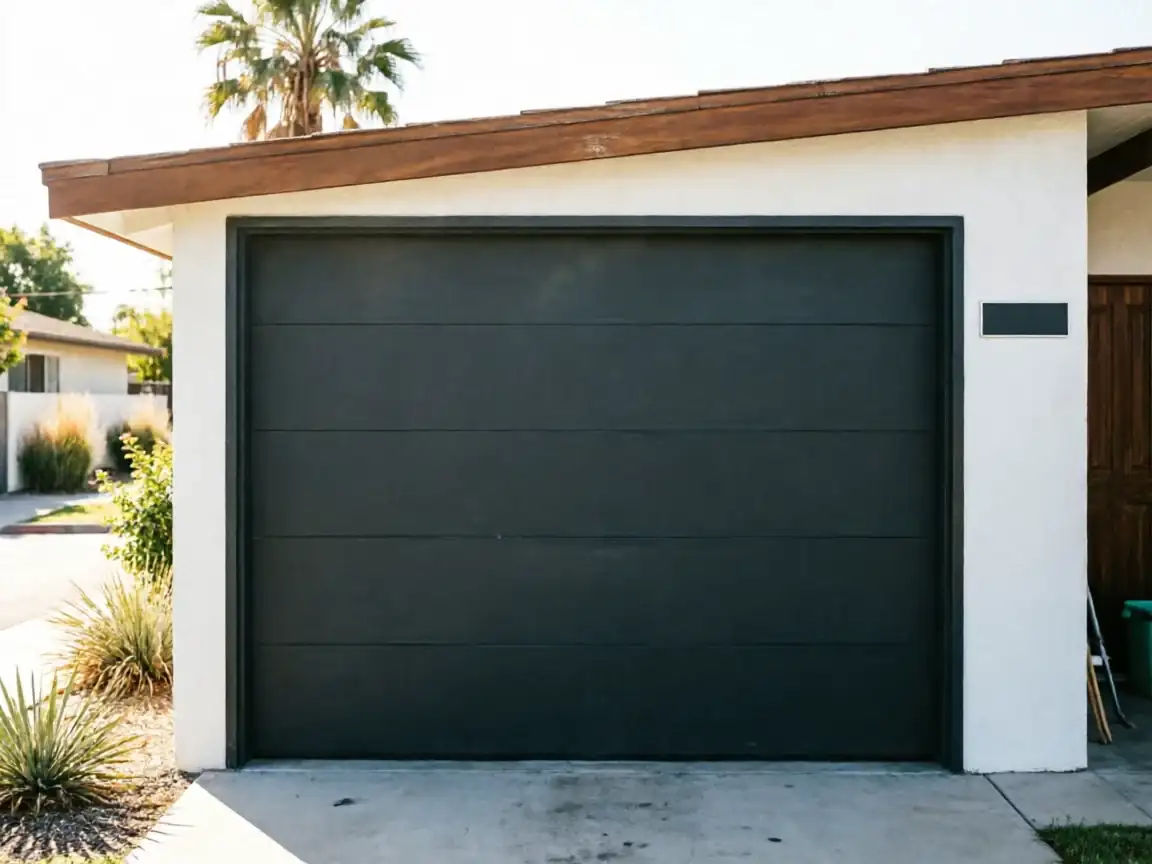
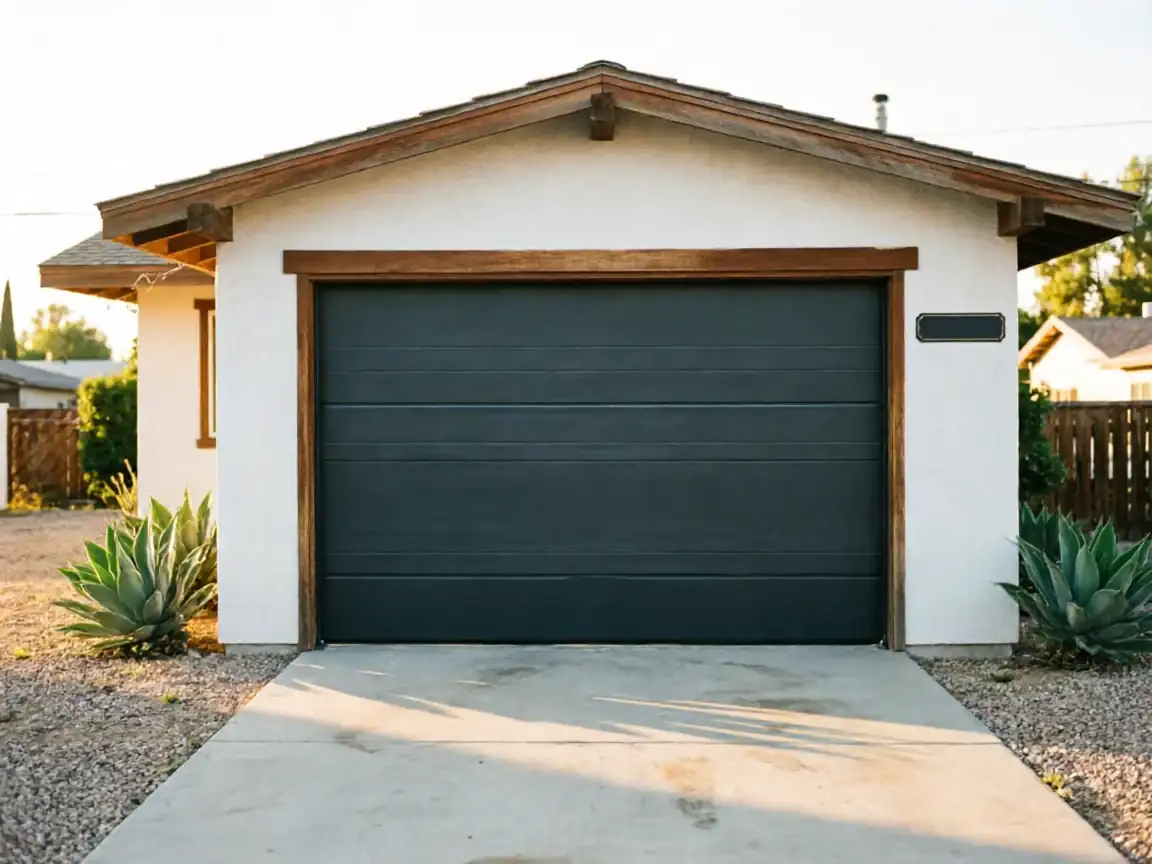
Menifee Garage Door Pros covers a service area where houses went up anywhere from 1974 to 2009, with the typical build landing around 1984. Nuevo sits a few years past that midpoint - most of the roughly 1,795 households out here are in homes built closer to 1990. That gap matters more than it sounds. A 1984 door opening was usually framed for a lighter steel section and an older torsion setup; by 1990, builders had shifted to wider openings and slightly heavier insulated panels became common upgrades. When a 1990-era door finally gives out, the replacement options and track clearances aren't quite the same as what you'd spec for an older Menifee-area tract home. New installs here tend to need a wider opener rail and a track set sized for the taller sections more common in that build window. Add in the severe summer heat this area sits in, and steel panels with foam-core insulation hold up better than the single-layer doors some of these houses still have. We're not guessing at this from a truck 8 miles away in Menifee - it's just what the housing age here tells us before we even measure the opening.
What Is on the Truck
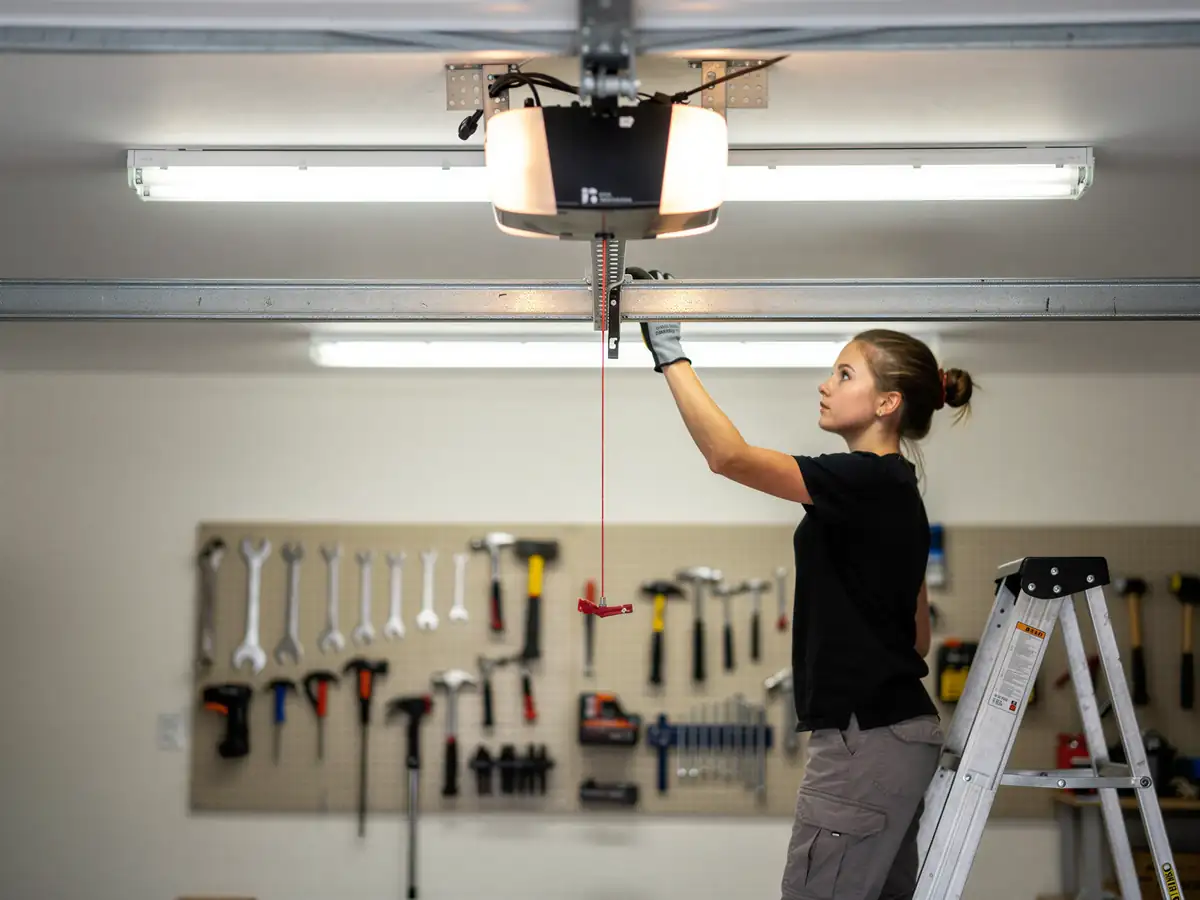
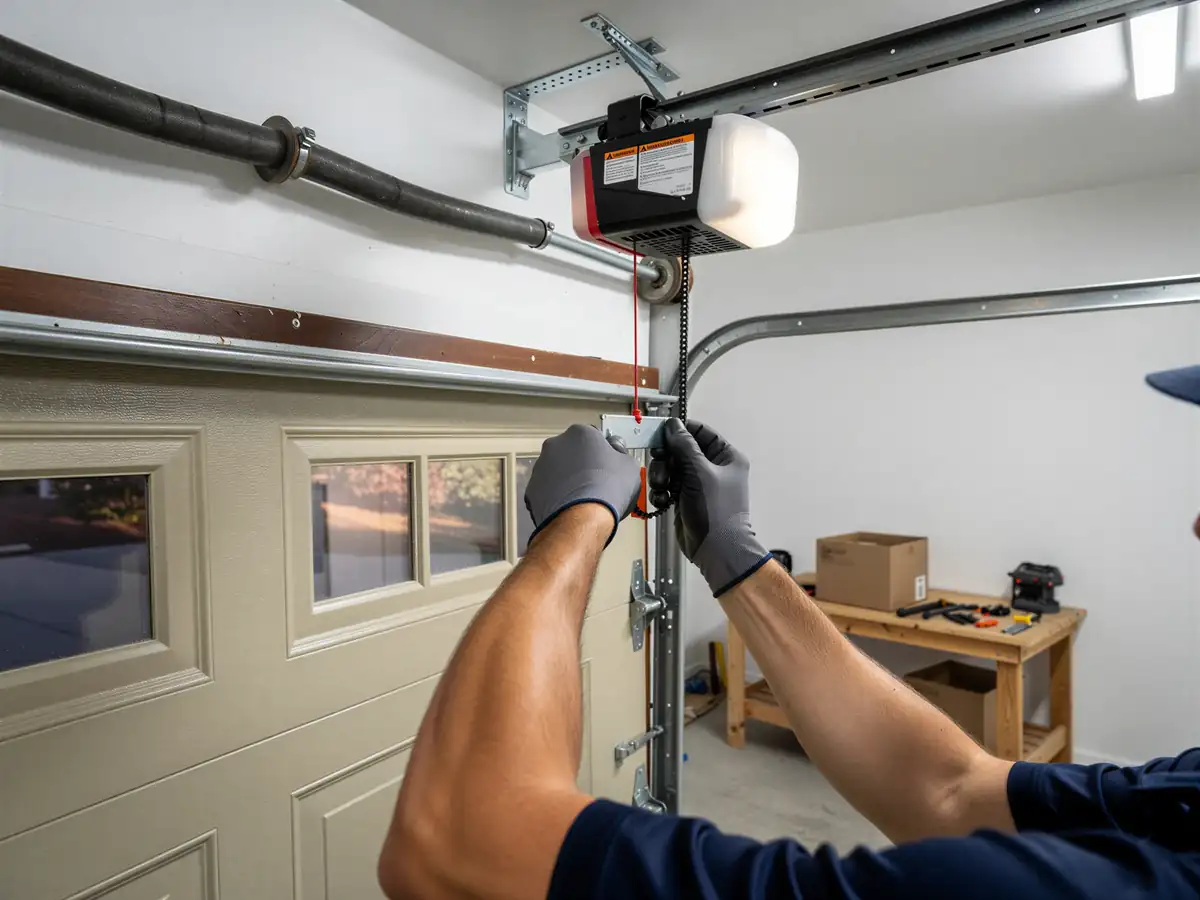
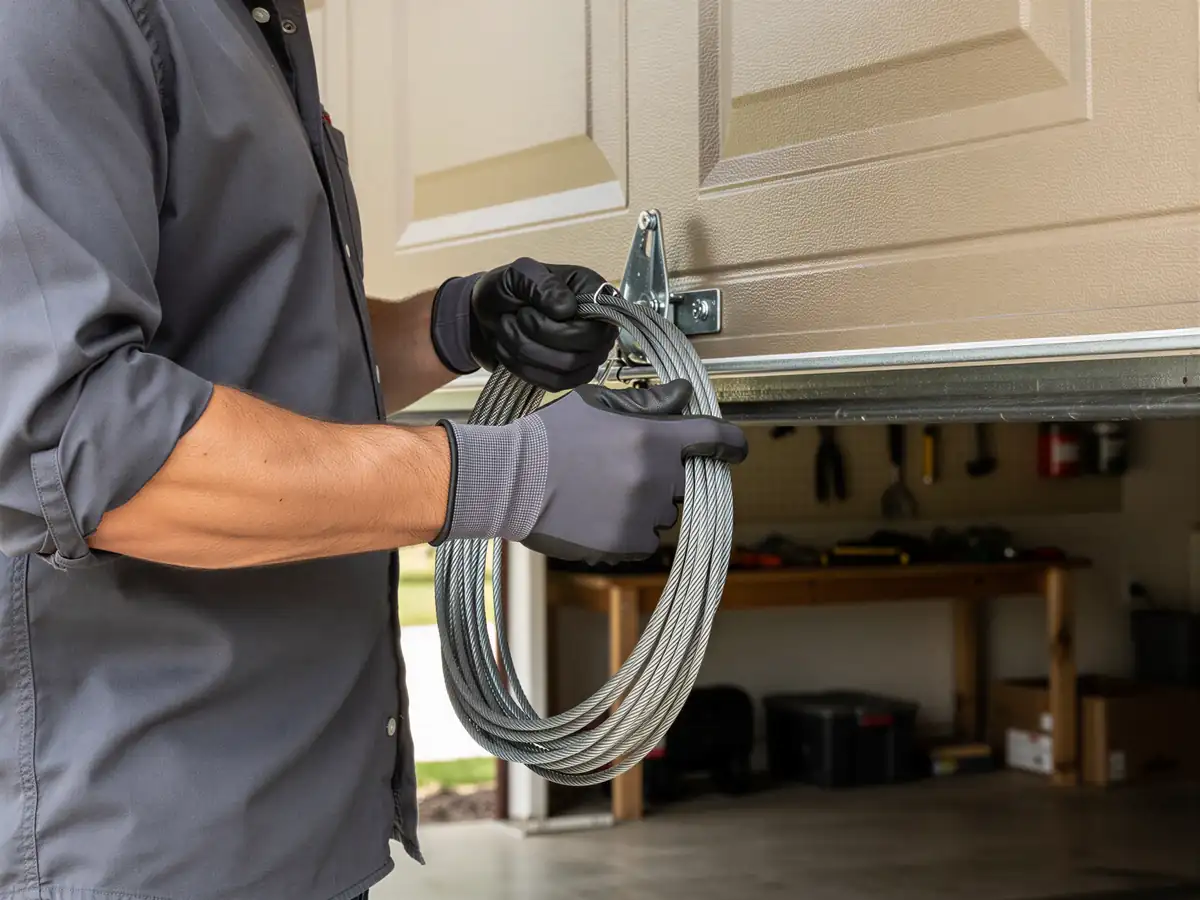
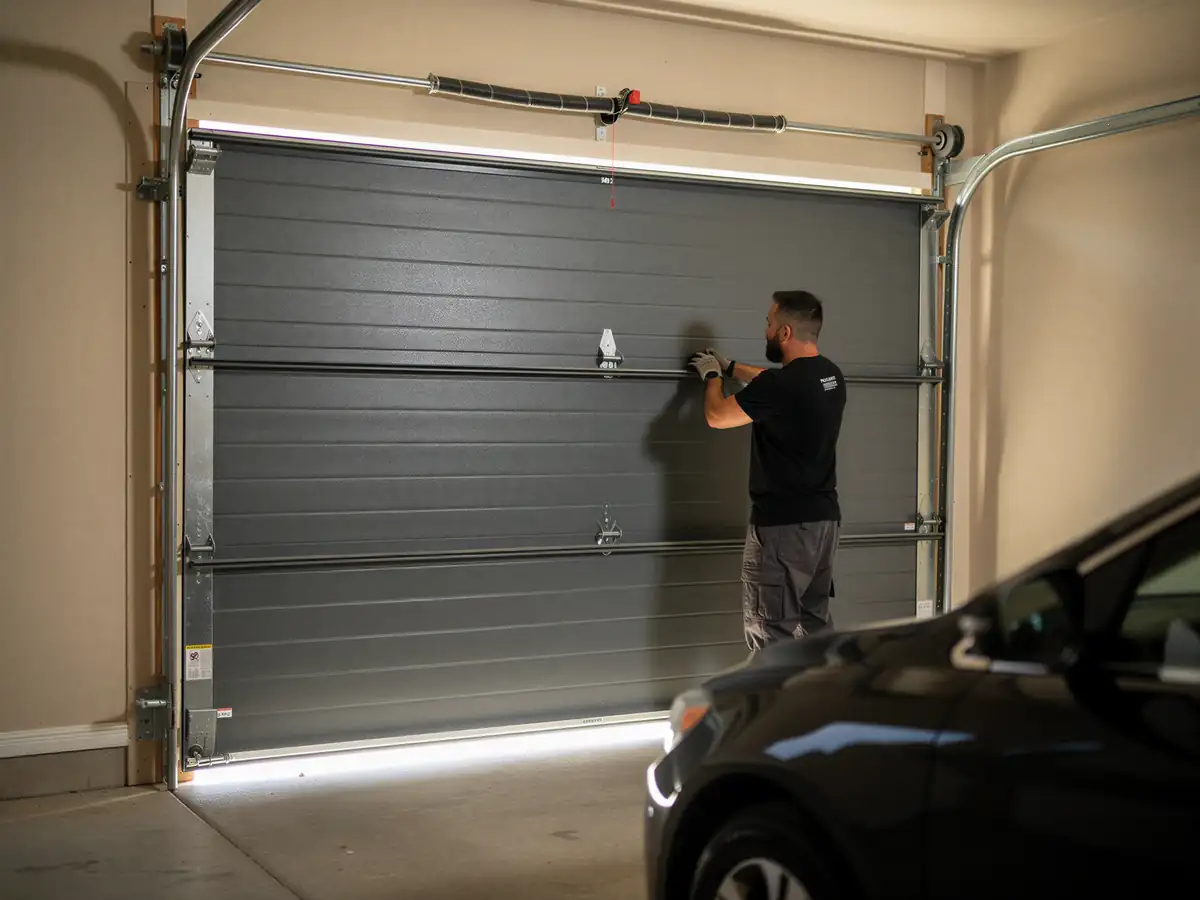
For a standard install in a home from this era, the truck carries steel insulated sections in common widths, torsion springs sized to door weight, galvanized track, and both chain and belt-drive openers. Given the severe heat this area sees, we lean toward doors rated for better thermal performance rather than the thinnest single-layer option, since a hollow door radiates heat into the garage all summer. What we don't carry as standard stock is custom wood or oversized carriage-style doors - those are special order and run on a longer lead time than a same-day steel swap. If your opening turns out to be a nonstandard size, which happens more in older sections of the broader service area than in the 1990s tract here, that's also a special-order situation worth knowing about before you commit to a date.
Doing It Yourself
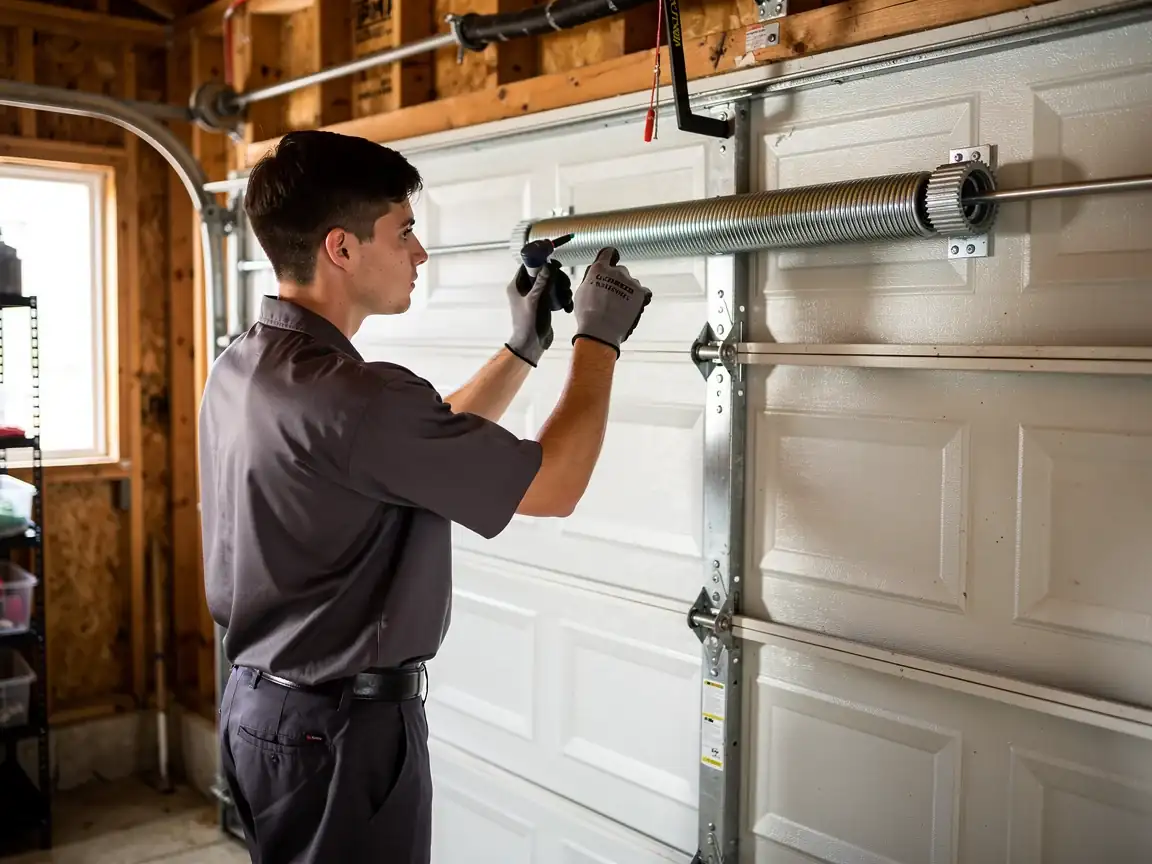
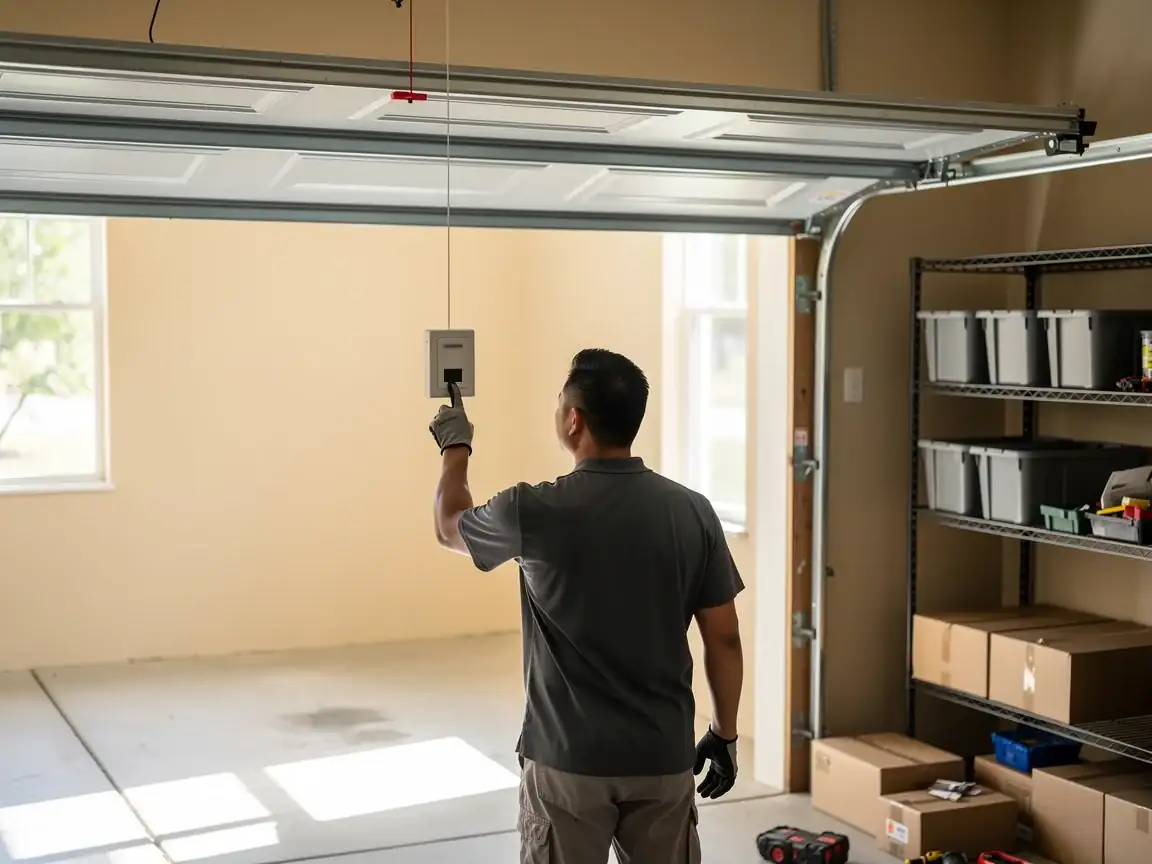
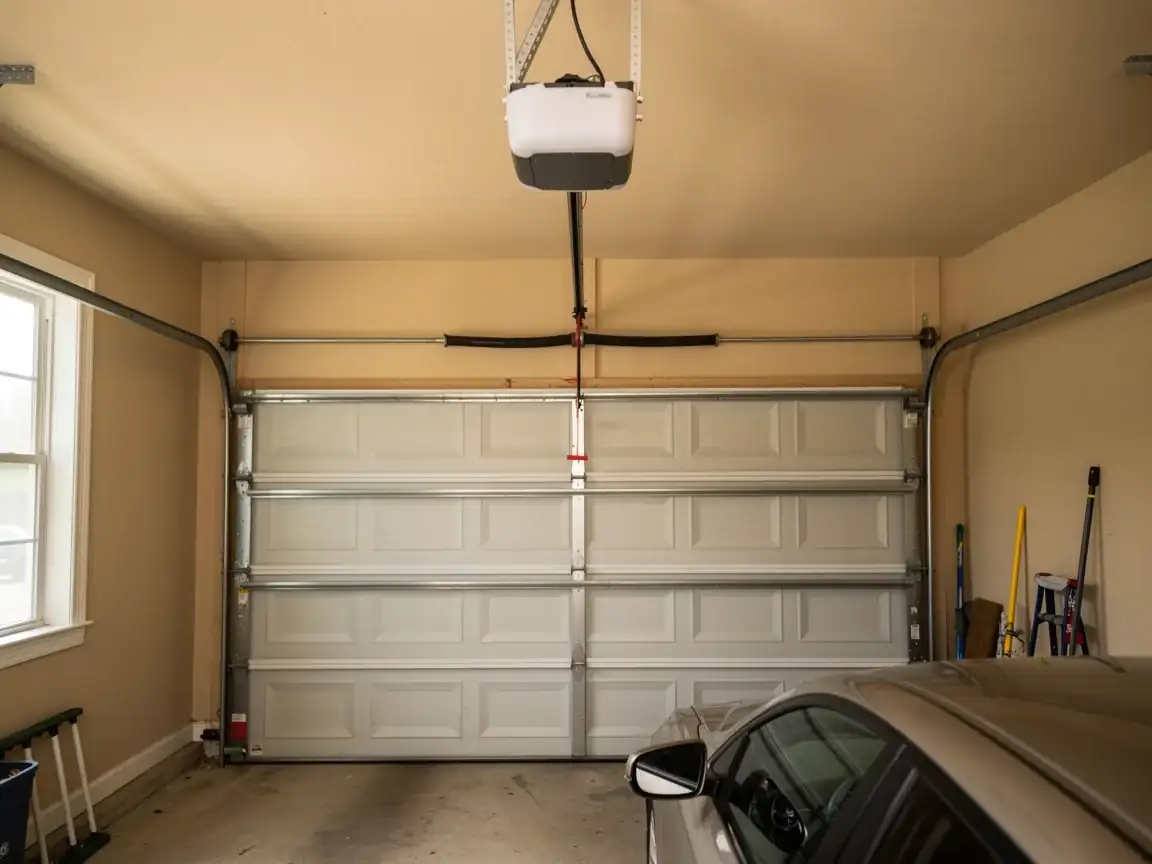
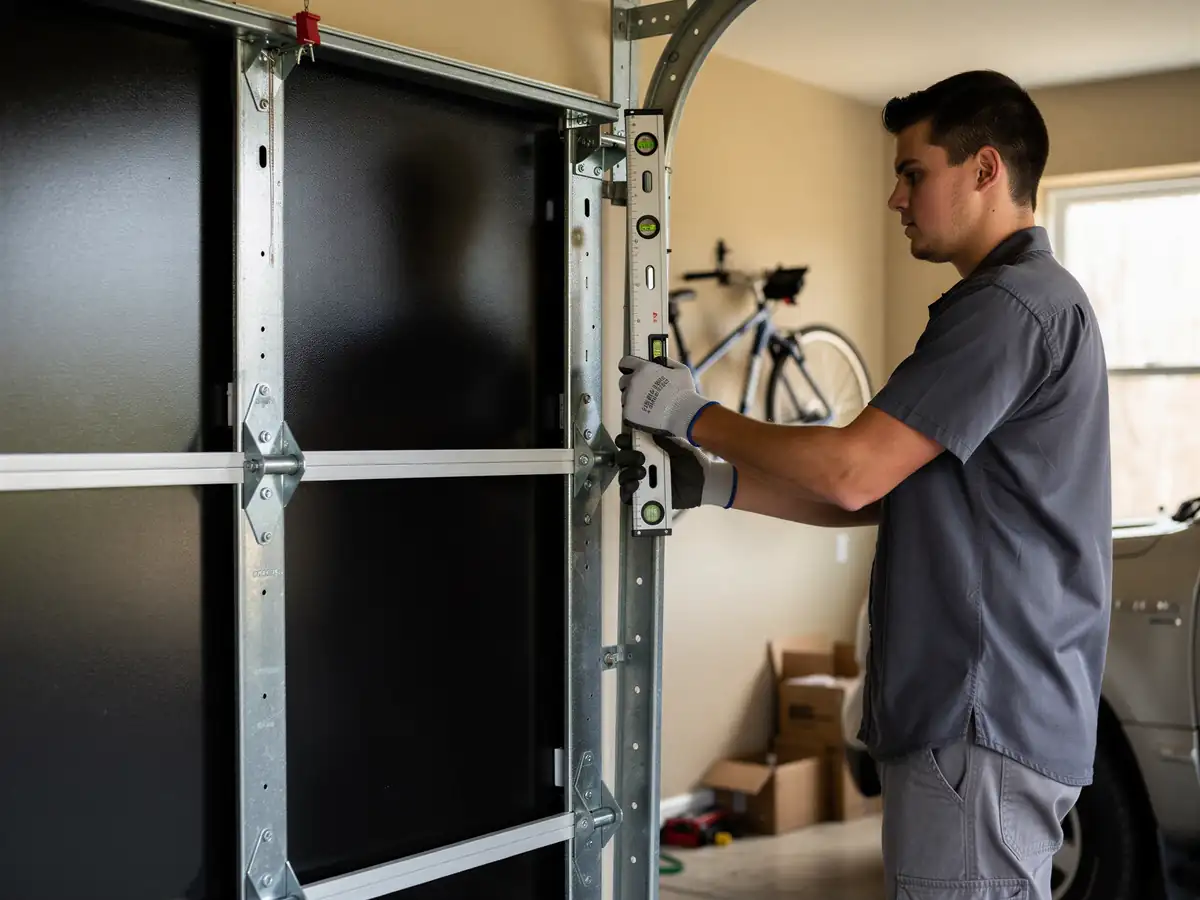
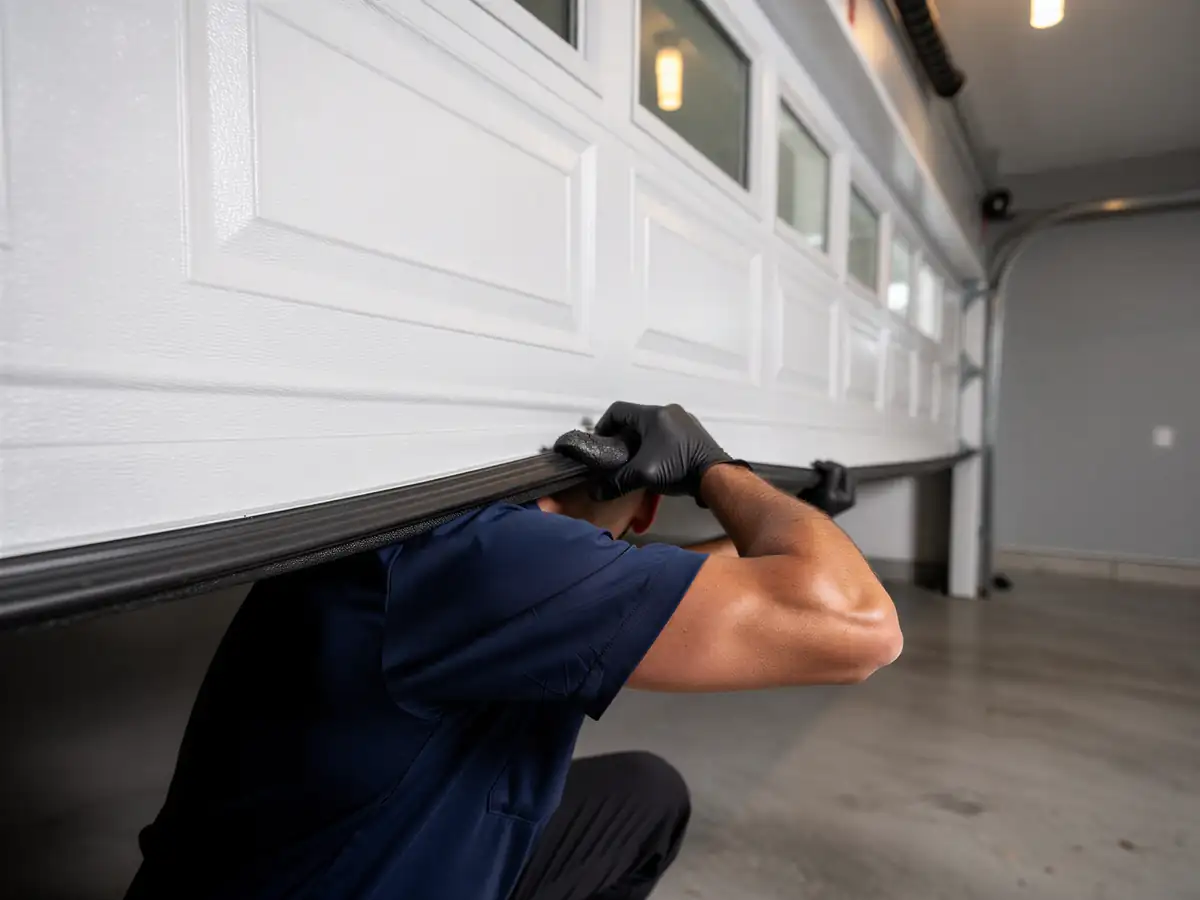
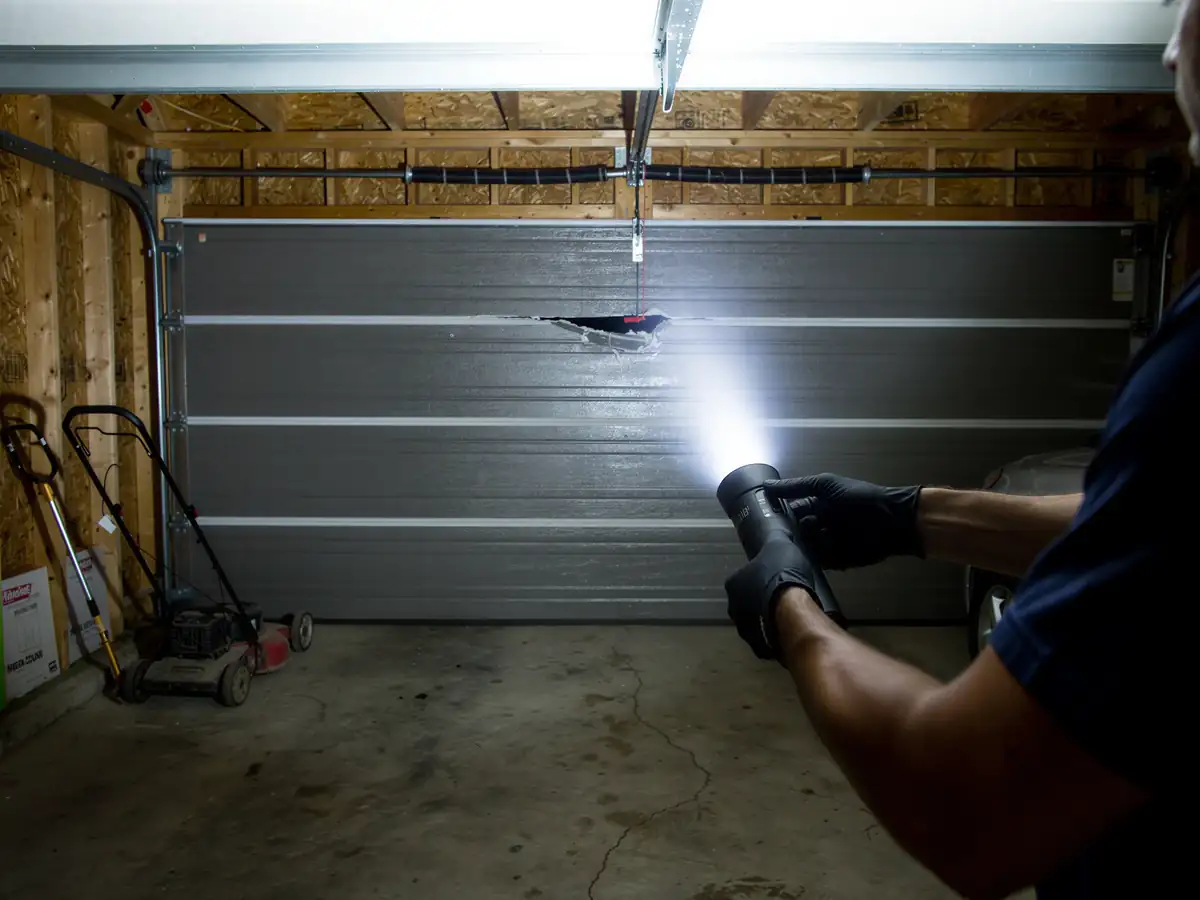
Swapping a garage door yourself is possible if you're comfortable with a reciprocating saw and you're only replacing panels on an otherwise sound track and spring setup. Where it gets dangerous fast is the torsion spring - those are wound under real tension and a slipped winding bar has put people in the hospital. If your 1990-built door still has its original spring, it's over 30 years old regardless of what the panels look like, and that's not a part to test your luck on. Checking balance is safe and worth doing yourself: disconnect the opener, lift the door halfway by hand, and see if it holds. If it drifts down, the spring's tension is off and it's time to call rather than keep adjusting it yourself.