How It Shows Up
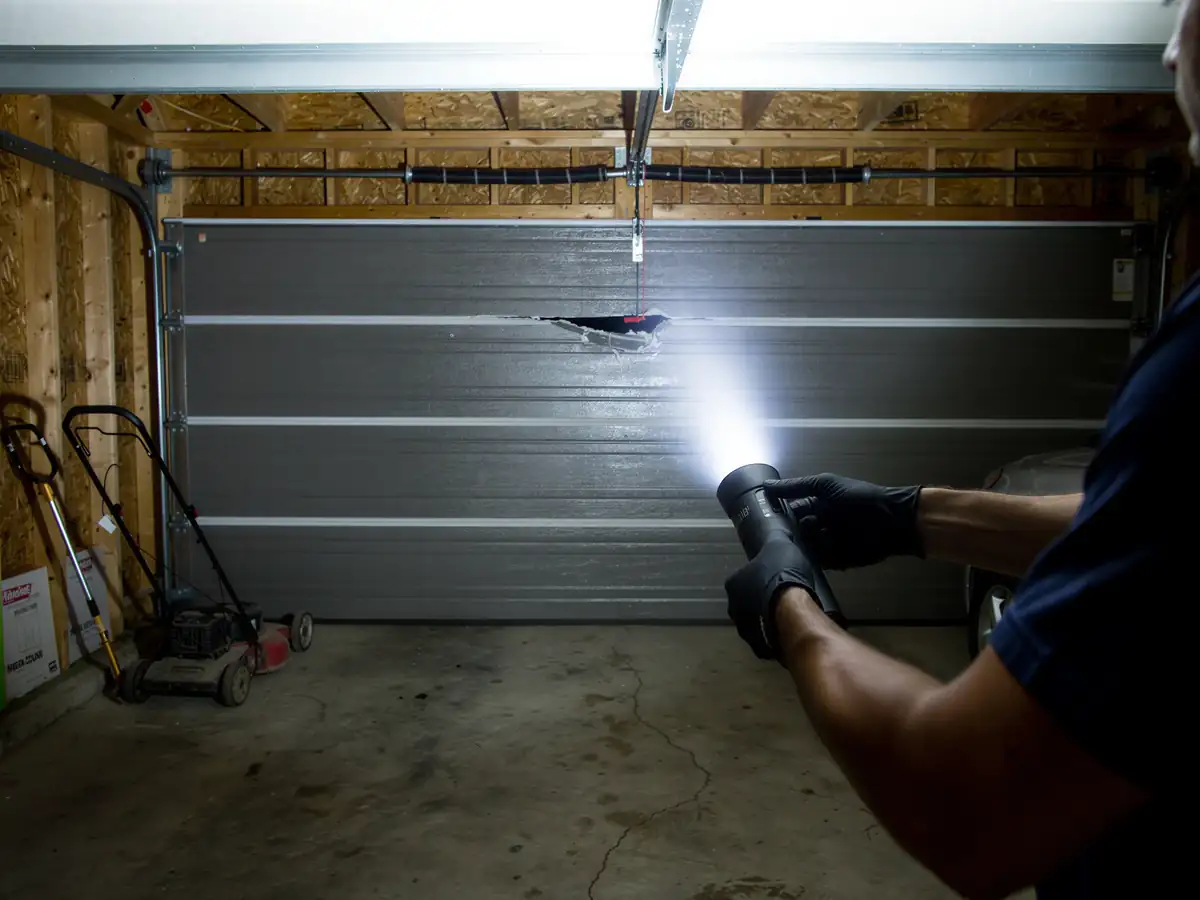
At a median household income of $92,443, a lot of Nuevo homeowners are in the bracket where a repair bill under four figures is an easy yes and a full door replacement is a harder sell unless the door is truly done. That math matters, because the houses here mostly went up around 1990, which puts a good chunk of Nuevo's garage doors and openers into their third decade of daily use. That's past the point where most springs were rated to last, and it's right in the window where steel panels start to show rust at the bottom corners from years of summer heat cycling the metal.
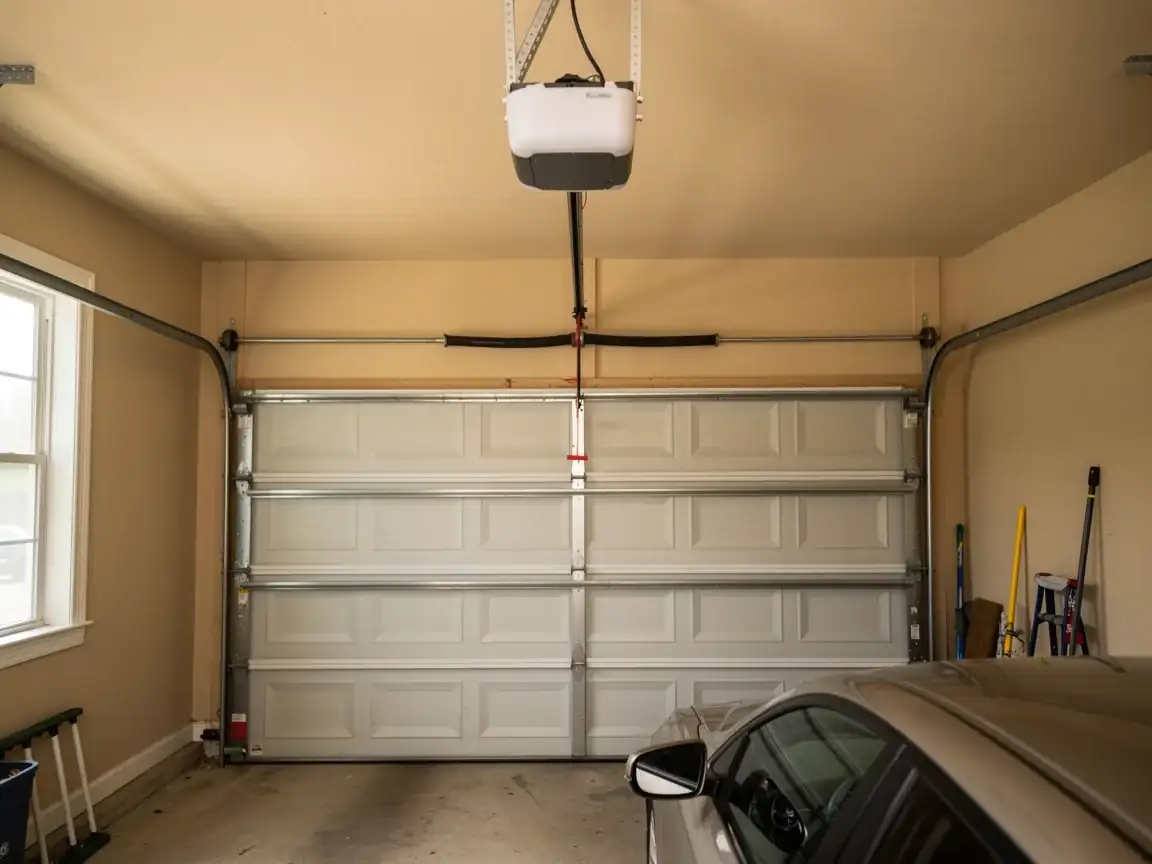
What we see most from this stretch: torsion springs that have gone past their cycle count and finally snap, nylon idler pulleys on older extension-spring setups that have gone brittle, and openers from the original build that still run on a motor technology nobody stocks parts for anymore. None of that is dramatic. It's just a door built in 1990, still doing its job, finally asking for attention.
The severe heat band this area sits in doesn't help. Summer temperatures swelling wood jambs and baking plastic gears and belt drives shortens the working life of parts that would last longer somewhere milder. A door that's 30-plus years old in a hot climate has usually earned its squeak.
How We Fix It
We come out from Menifee, about 8 miles up the road
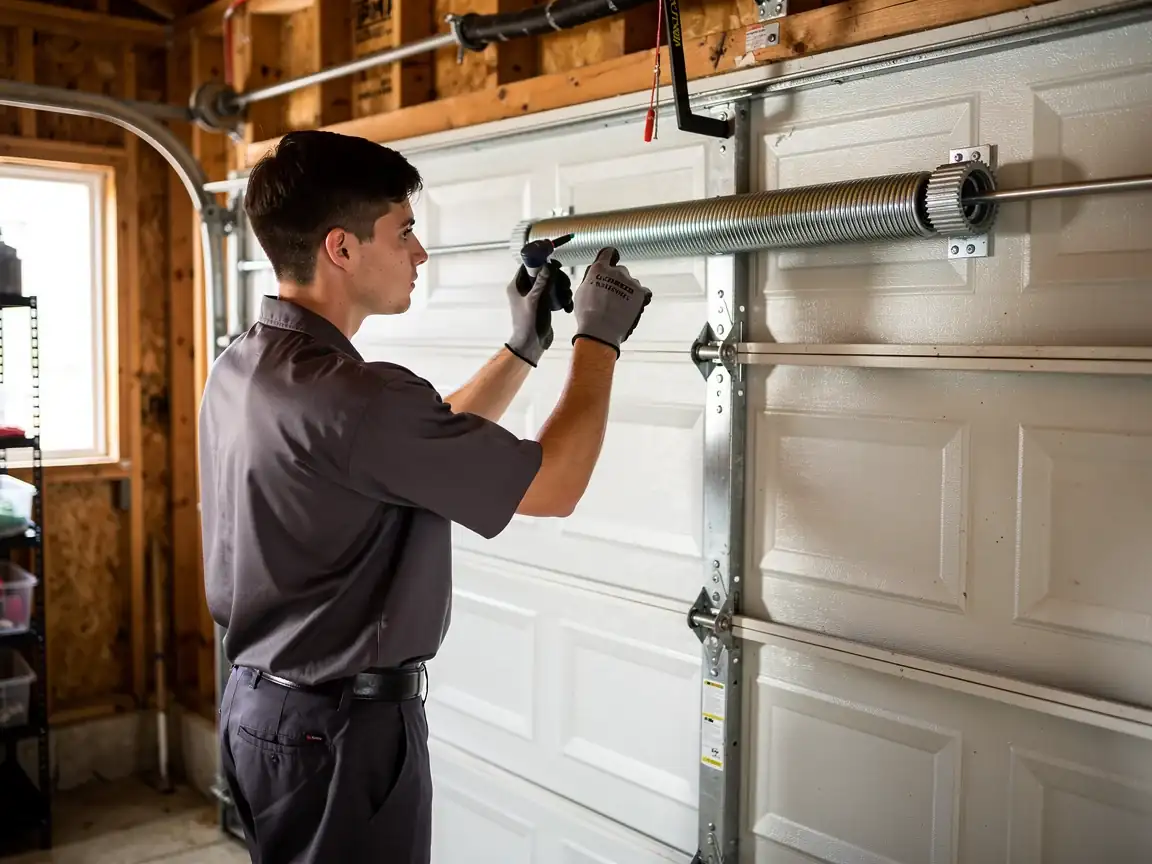
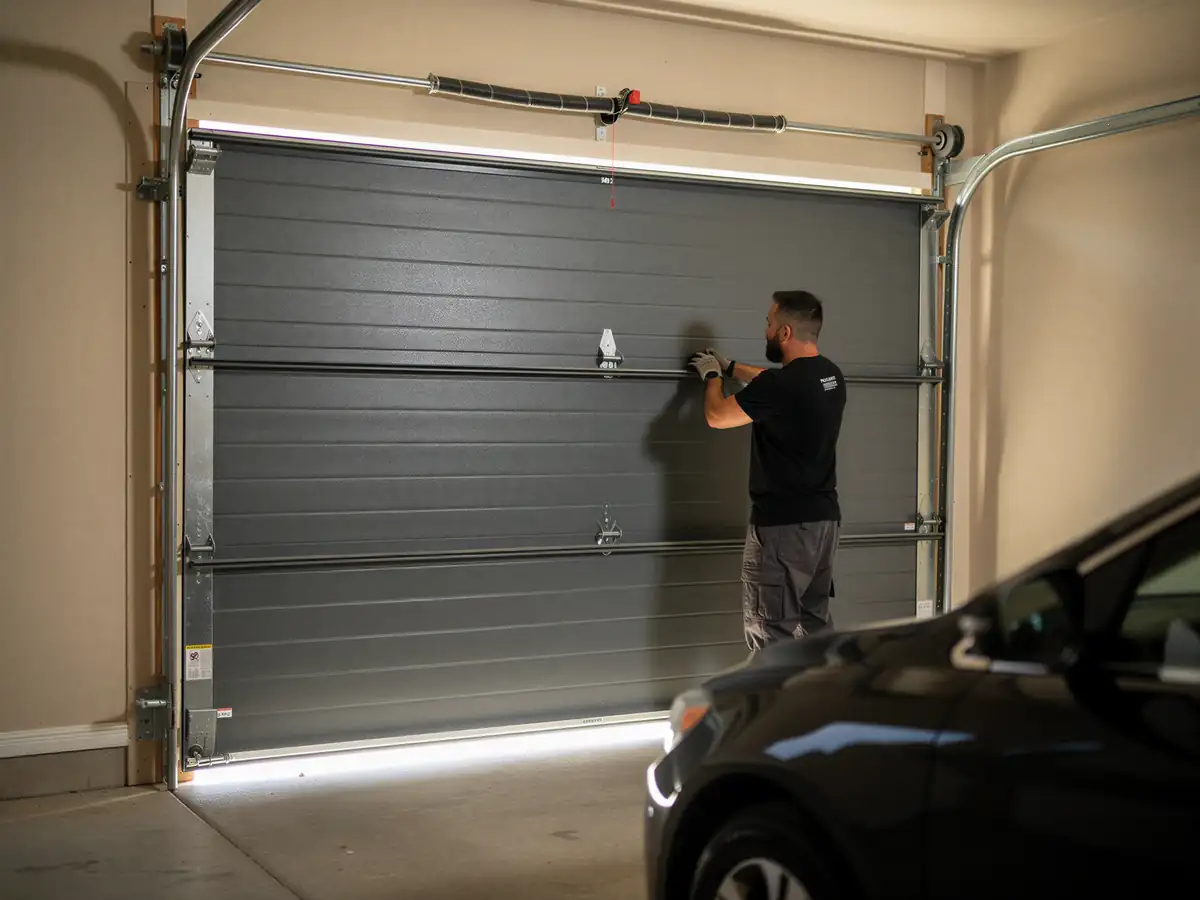
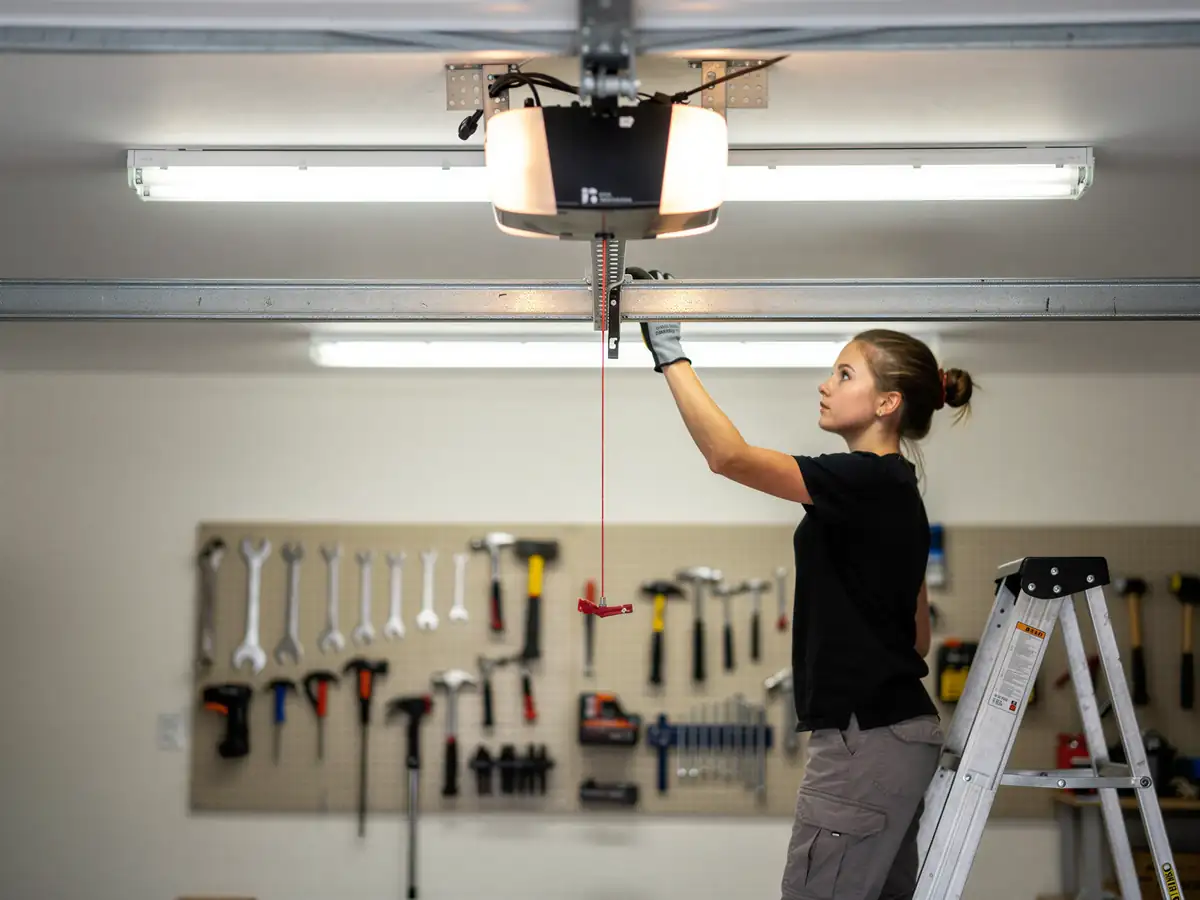
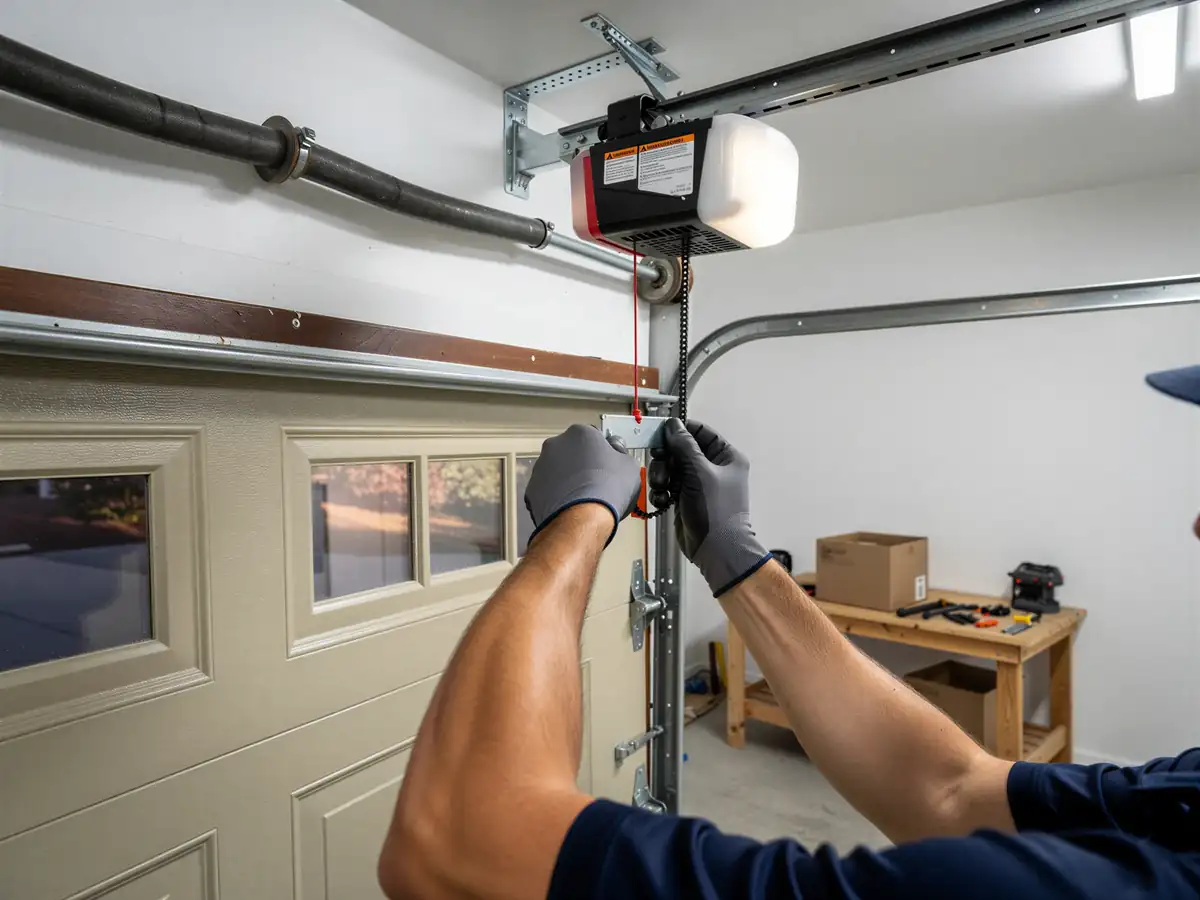
With the truck stocked for the kind of calls a 1990-built home throws at us: broken torsion springs, cables that have frayed at the drum, rollers that have worn their track grooves oval. If your opener is original to the house, we'll tell you straight whether it's worth a new logic board and gear kit or whether a new opener is the smarter spend - we're not going to sell you parts for a motor that's going to fail again in a year.
- 8 miles
For houses in this age range, the repair call is usually fast
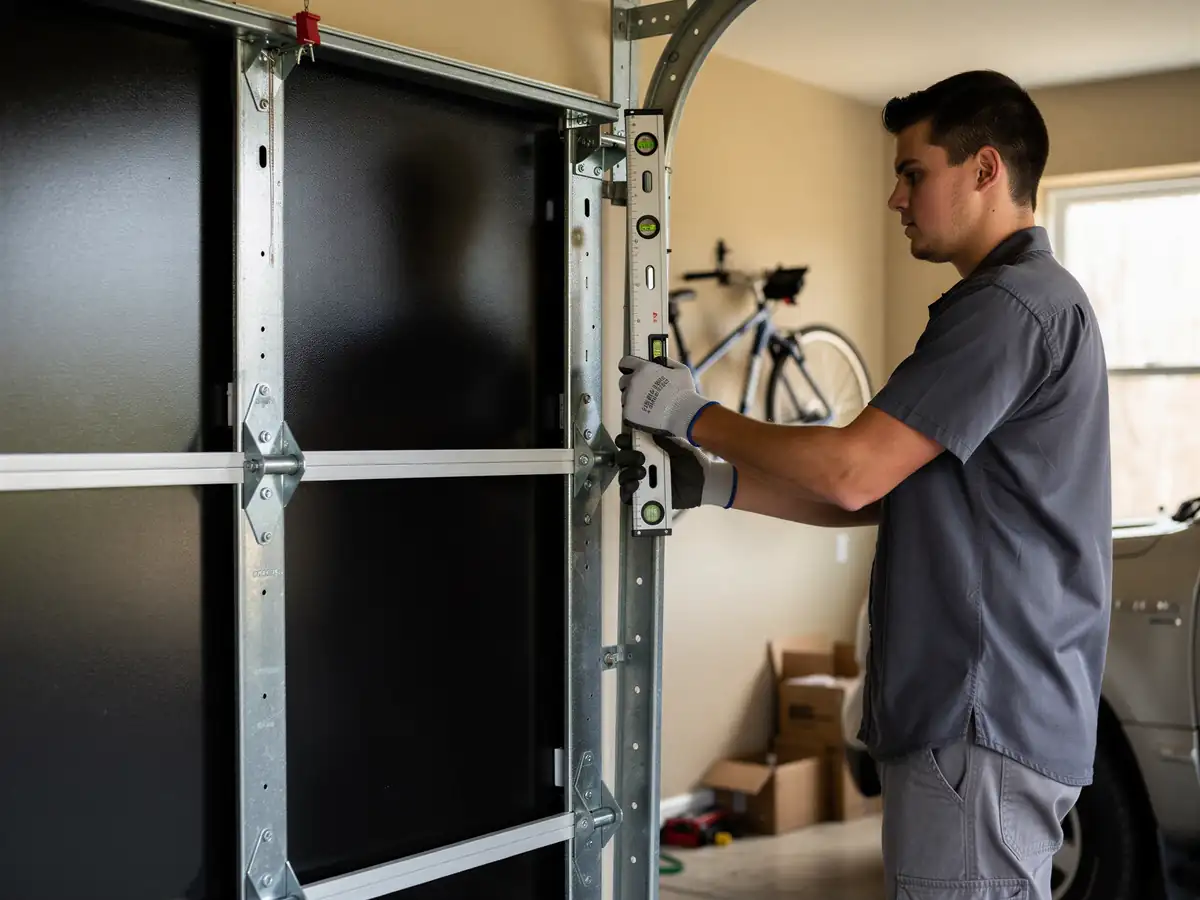
A spring swap, a cable replacement, a roller and track realignment. We check the whole system while we're there, not just the broken part, because a door that's three decades old tends to have more than one thing wearing out at once. If the panels themselves are rusted through at the bottom or the door is sagging off square, we'll say so, and we'll talk replacement instead of patching something that's going to need another call in six months.
We don't install doors we can't stand behind
And we don't stretch a repair past the point where it's cheaper to just replace.
What Is on the Truck
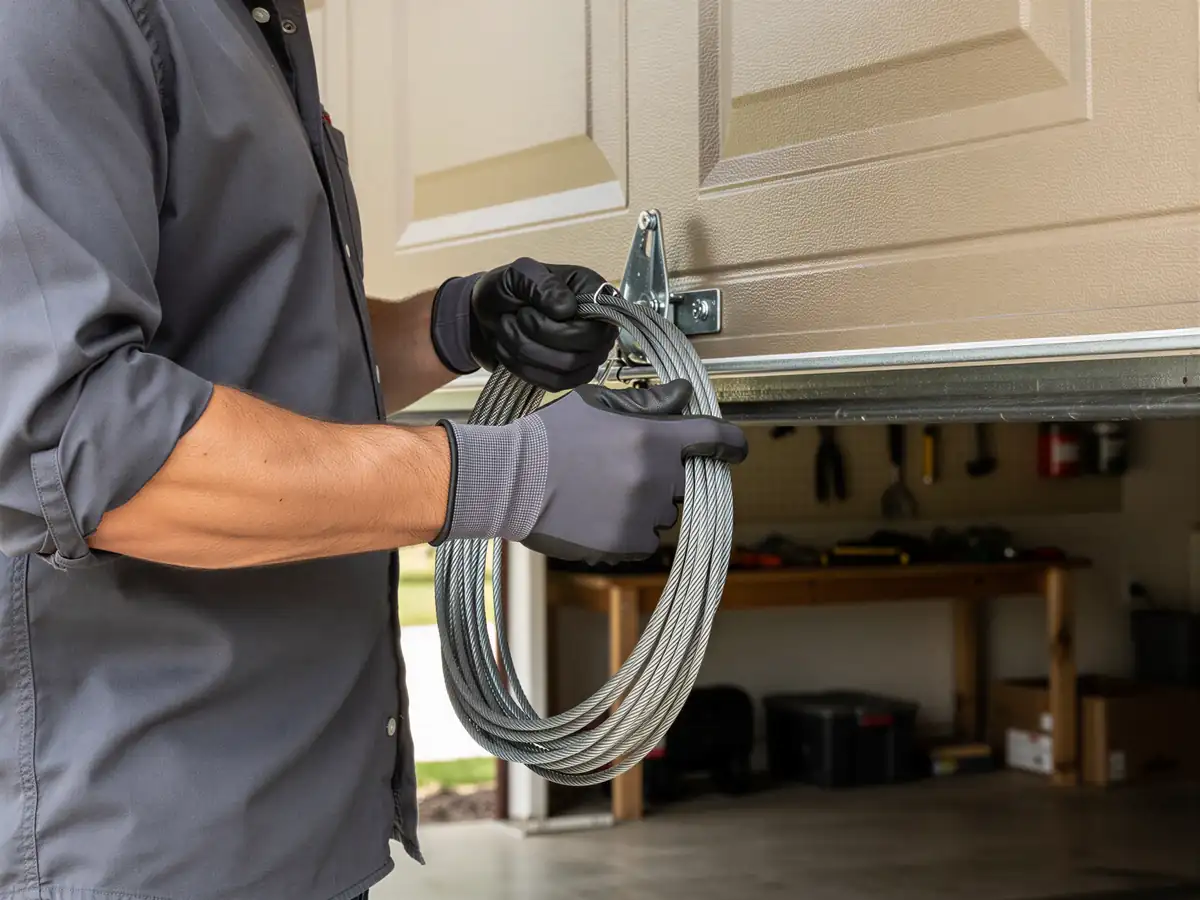
For the roughly 1,795 households in this area, most built in that same 1990-ish window, the truck carries torsion springs in the common residential sizes, galvanized lift cables, ball-bearing rollers, and the hinge and bracket hardware that wears out on a steel sectional door. We carry logic boards and drive gears for the major opener brands that were common in homes from that build era, plus the belts and chains that replace worn ones.
What we don't carry as standing stock: specialty or custom panel sizes, and wood doors that were hand-built for a specific opening. Those get ordered once we've measured the job, and lead time on a special order is the one honest delay we can't shortcut. If your door falls into that category, we'll tell you up front what the wait looks like before you commit to anything.
For the vast majority of calls in this part of the service area - standard steel sectional doors on torsion or extension springs - we carry what we need to finish the job same-visit.
Doing It Yourself
A torsion spring under tension can take a finger or worse, and we'd rather talk you out of that one than sell you a service call. If your door won't open and you can see a spring has snapped - the coil gap at the top of the door frame, the cable gone slack - don't try to wind it back yourself. That's the one repair on this list that isn't a DIY job, full stop.
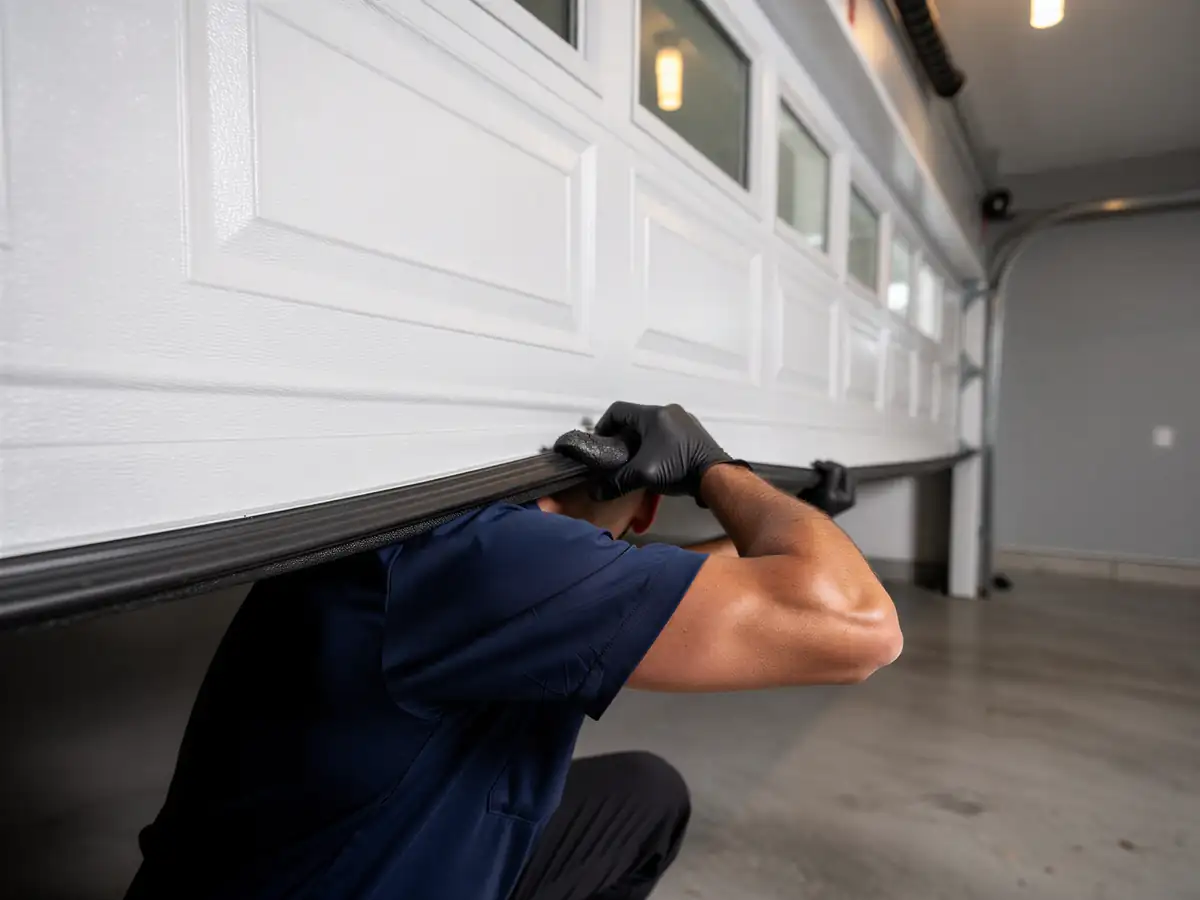
What you can check yourself: whether the tracks are clean and free of dents, whether the rollers spin freely or grind, and whether the weather seal at the bottom of the door has cracked and let the heat in. On a house from 1990, a cracked bottom seal is common and it's a five-minute fix with a seal kit from a hardware store. Tightening loose hinge bolts and lubricating hinges and rollers with a garage-door-specific lubricant (not WD-40, which washes out and attracts grit) is safe and worth doing twice a year given how hard the heat is on these parts.
If the door is off track, binding, or the opener reverses before it closes, stop and call. Those are symptoms of something structural, not cosmetic.
Getting It Booked In
We run this call out of Menifee, roughly 8 miles from Nuevo
So when you book, we schedule the drive into the appointment rather than promising a same-hour arrival we can't back up. Tell us the age of the house if you know it and what the door is doing - won't open, won't close, makes noise, opener clicks but nothing moves - and we'll have a reasonable idea of what's on the truck before we get there.
- 8 miles
Given that most homes on this side of the service area date to around 1990
We usually know the hardware we're walking into: standard torsion or extension spring setups, steel sectional doors, and openers that are either original or a first replacement. That means fewer surprises and fewer return trips.
If you want to see what else we cover out of Menifee, that's on our main service page
Linked below alongside the area page for Nuevo.