How It Shows Up
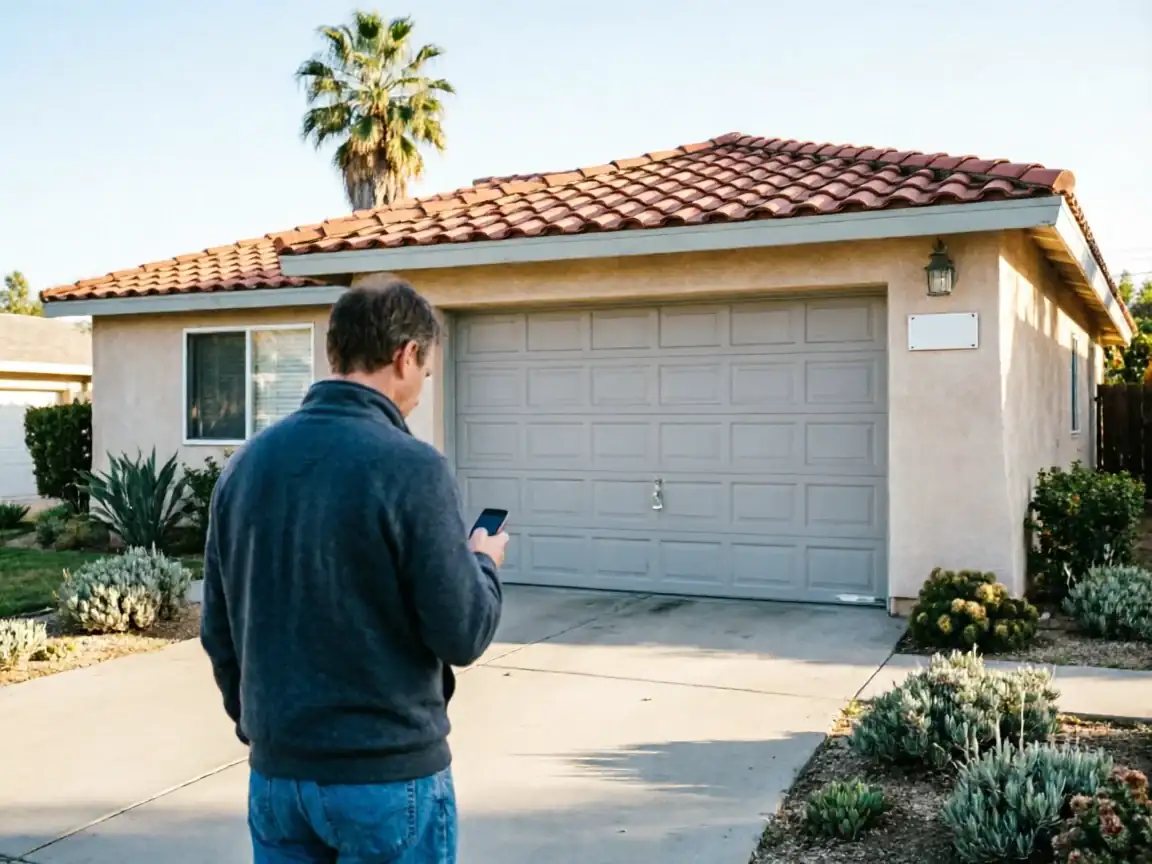
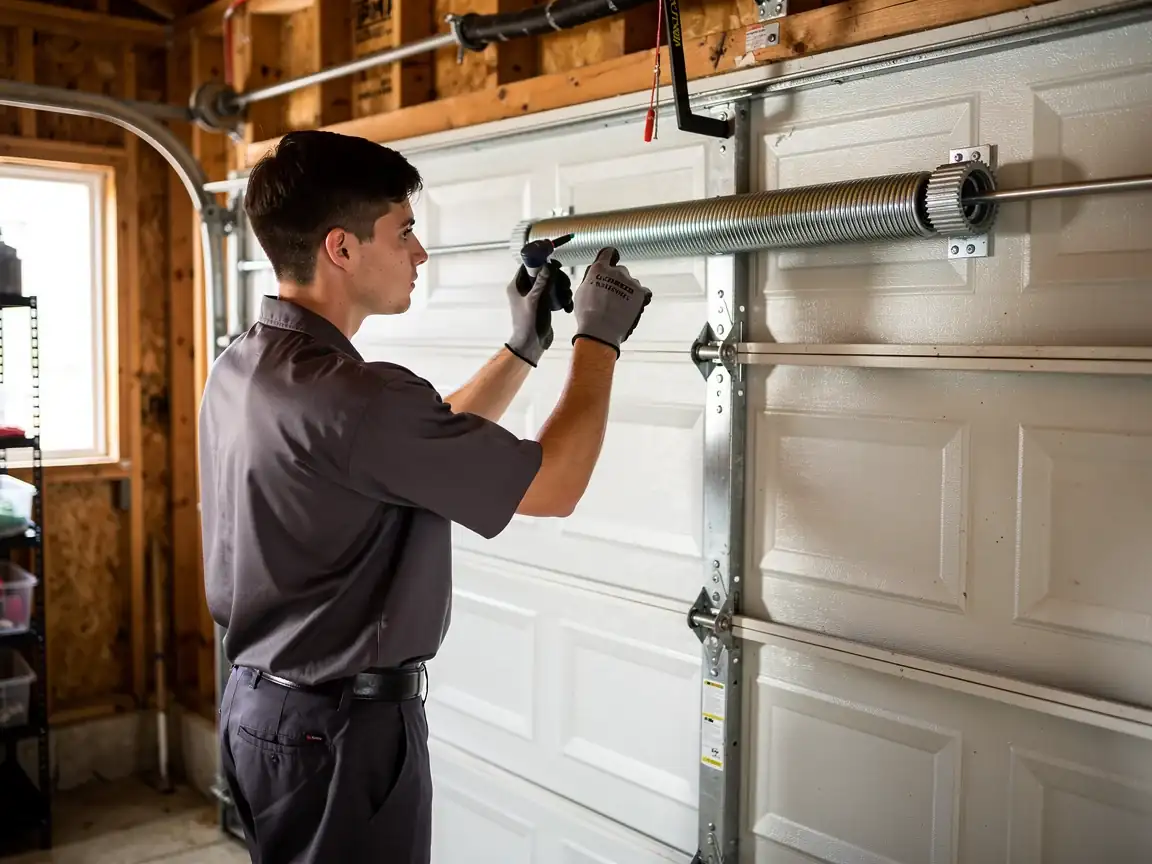
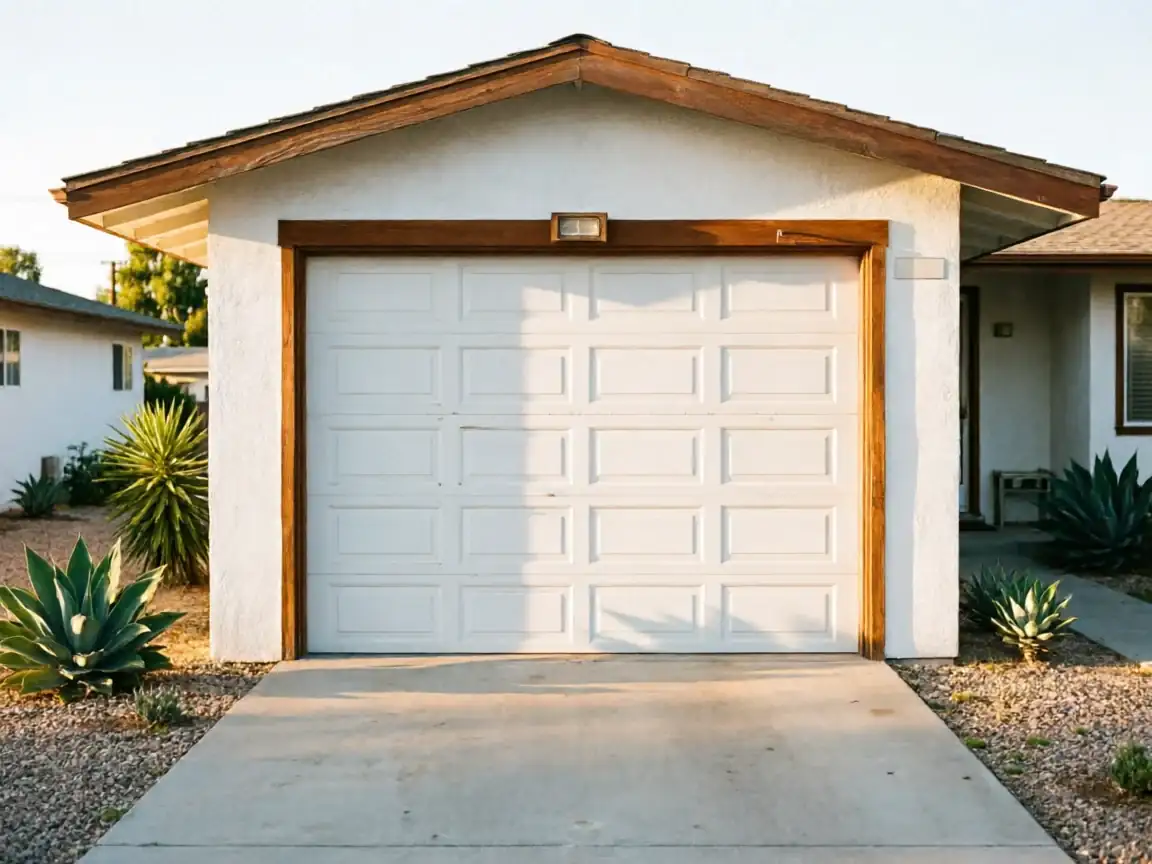
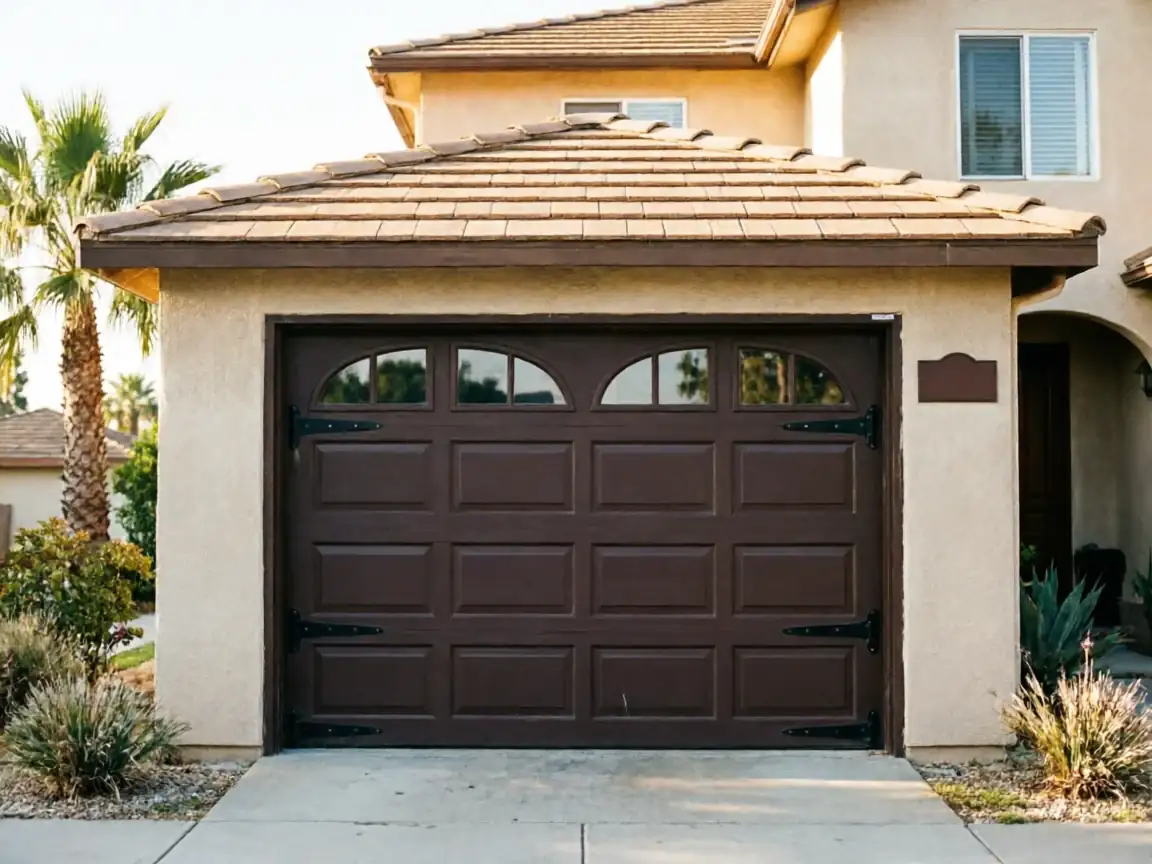
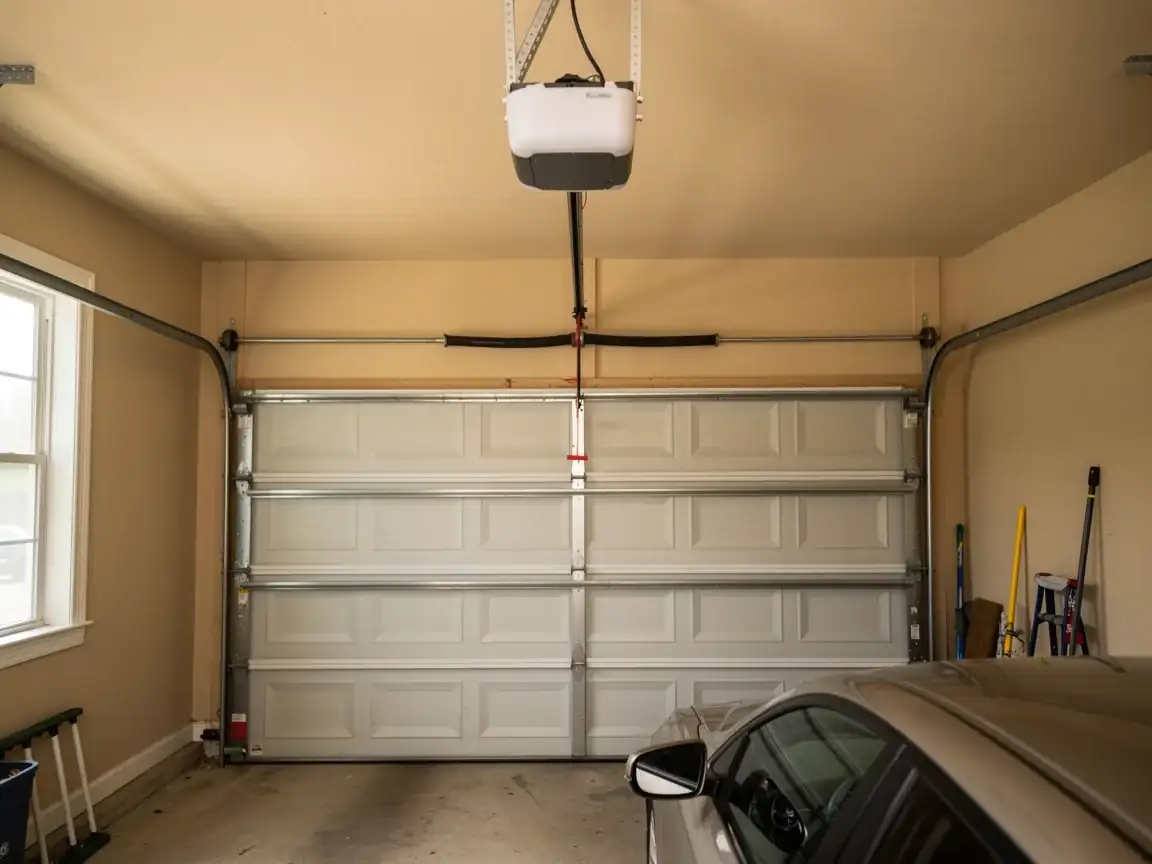
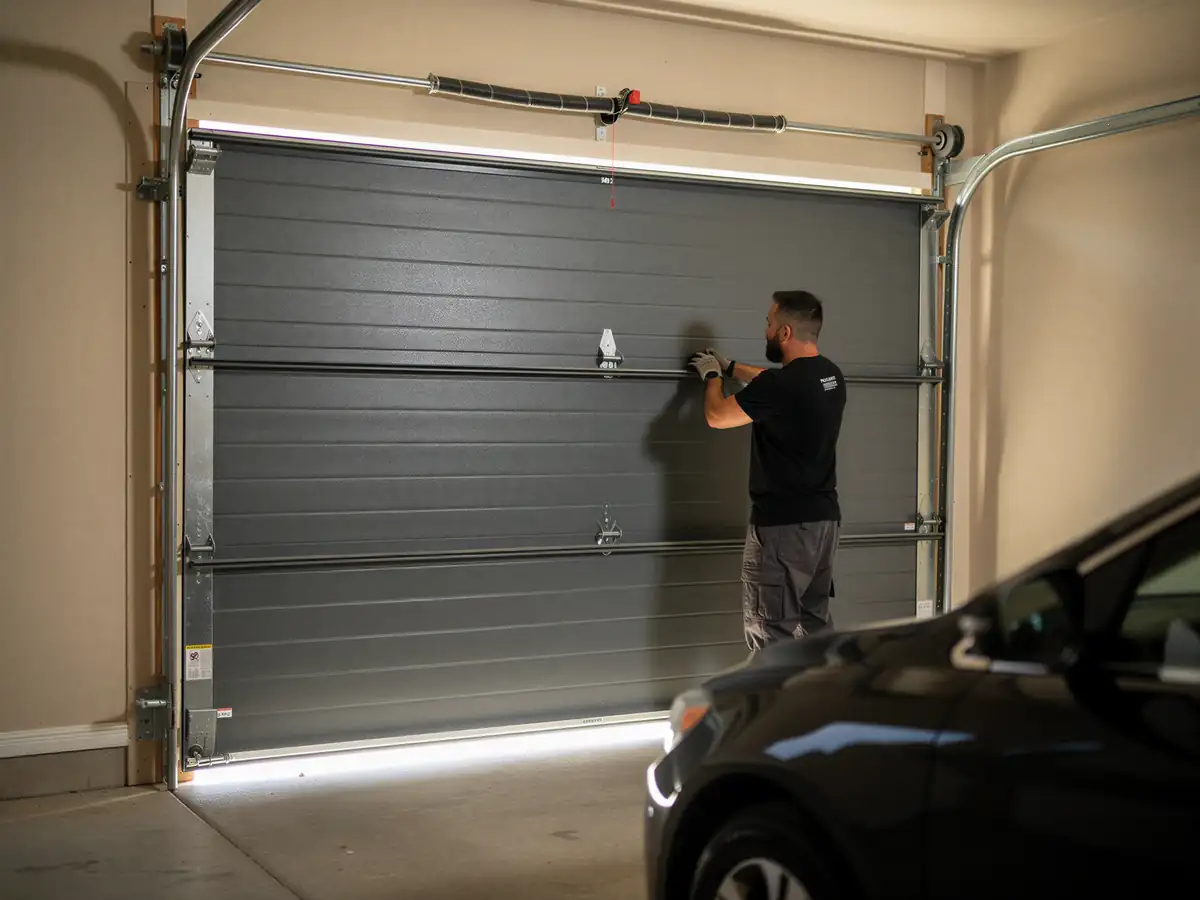
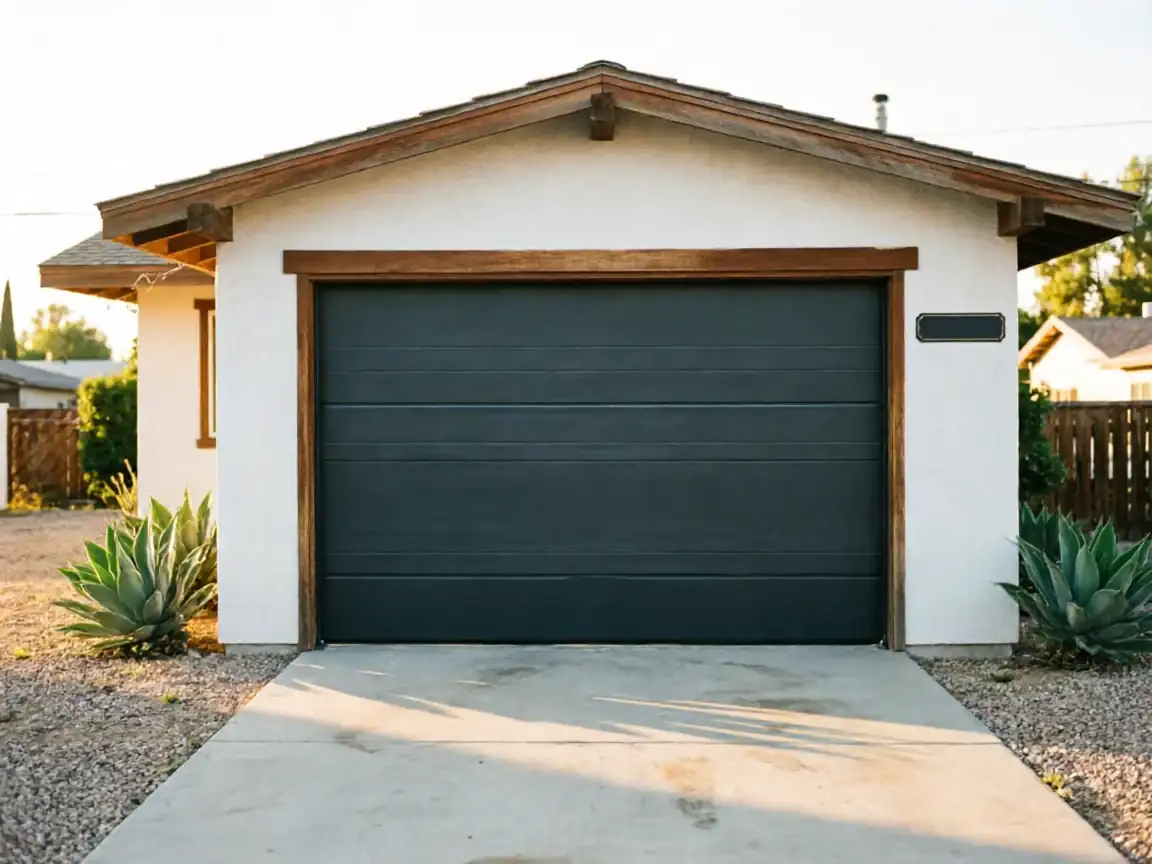
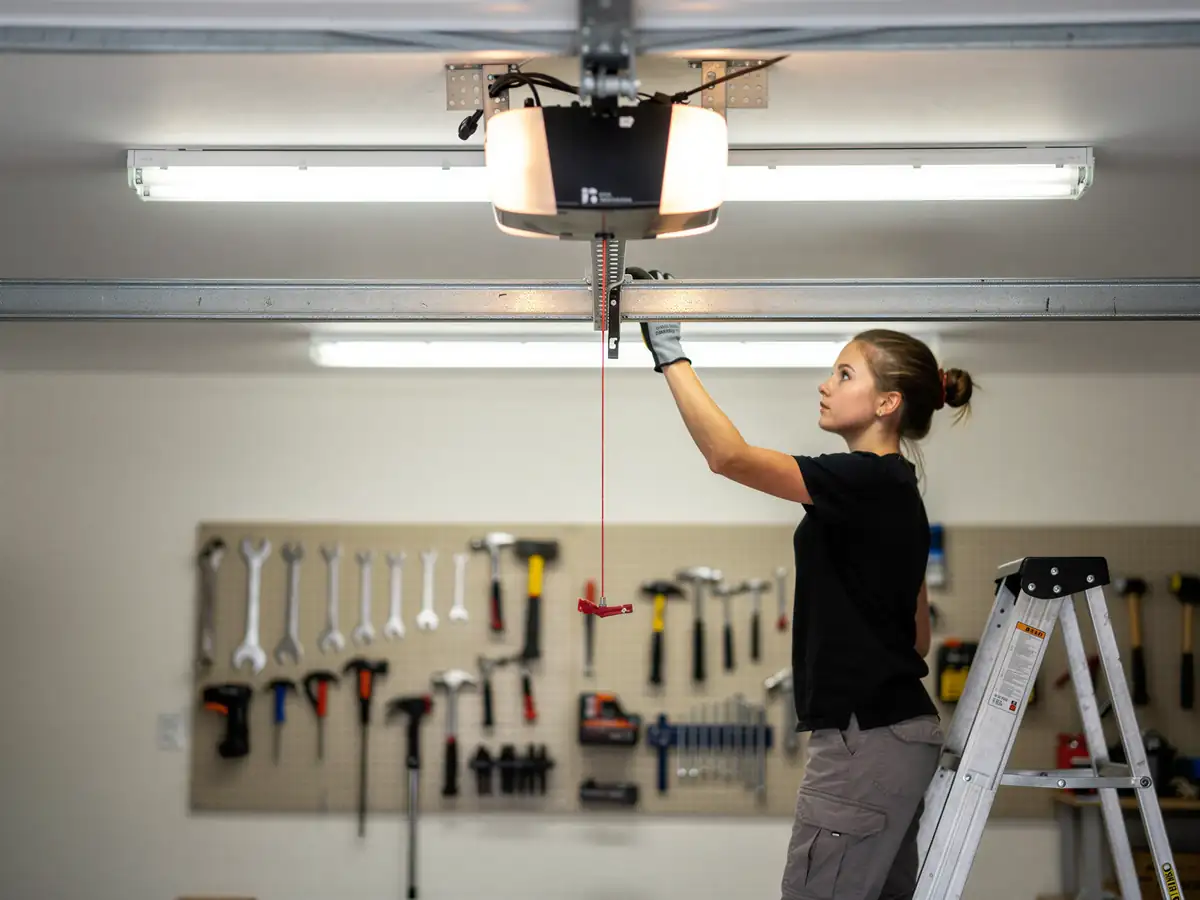
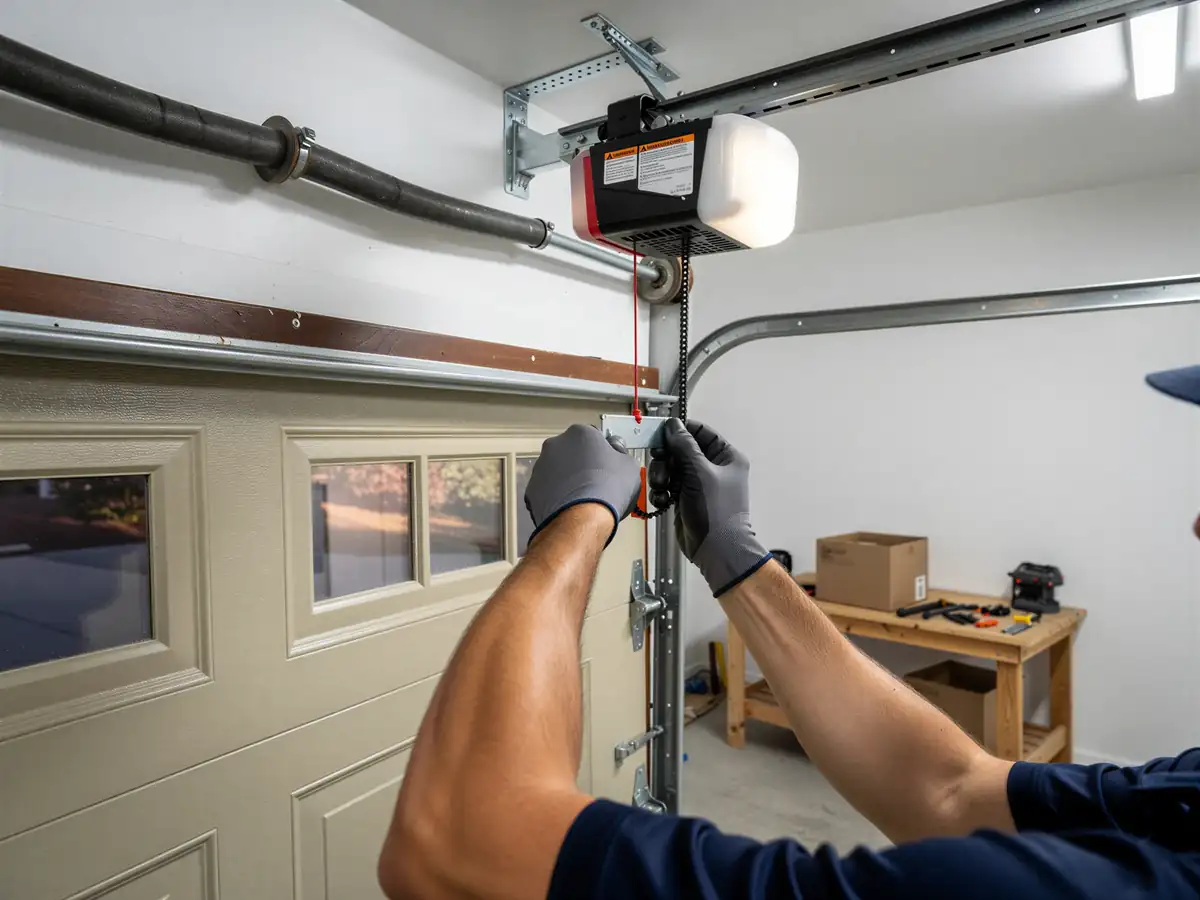
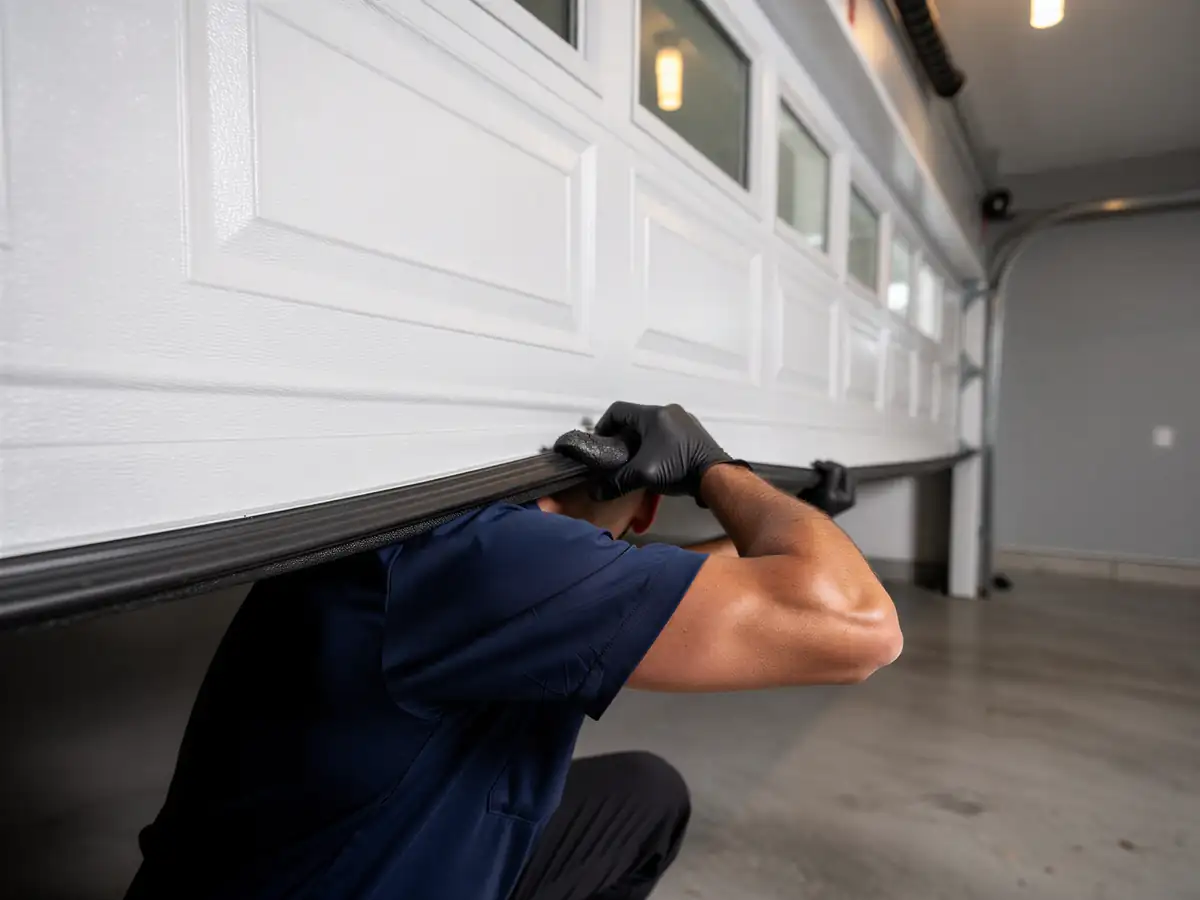
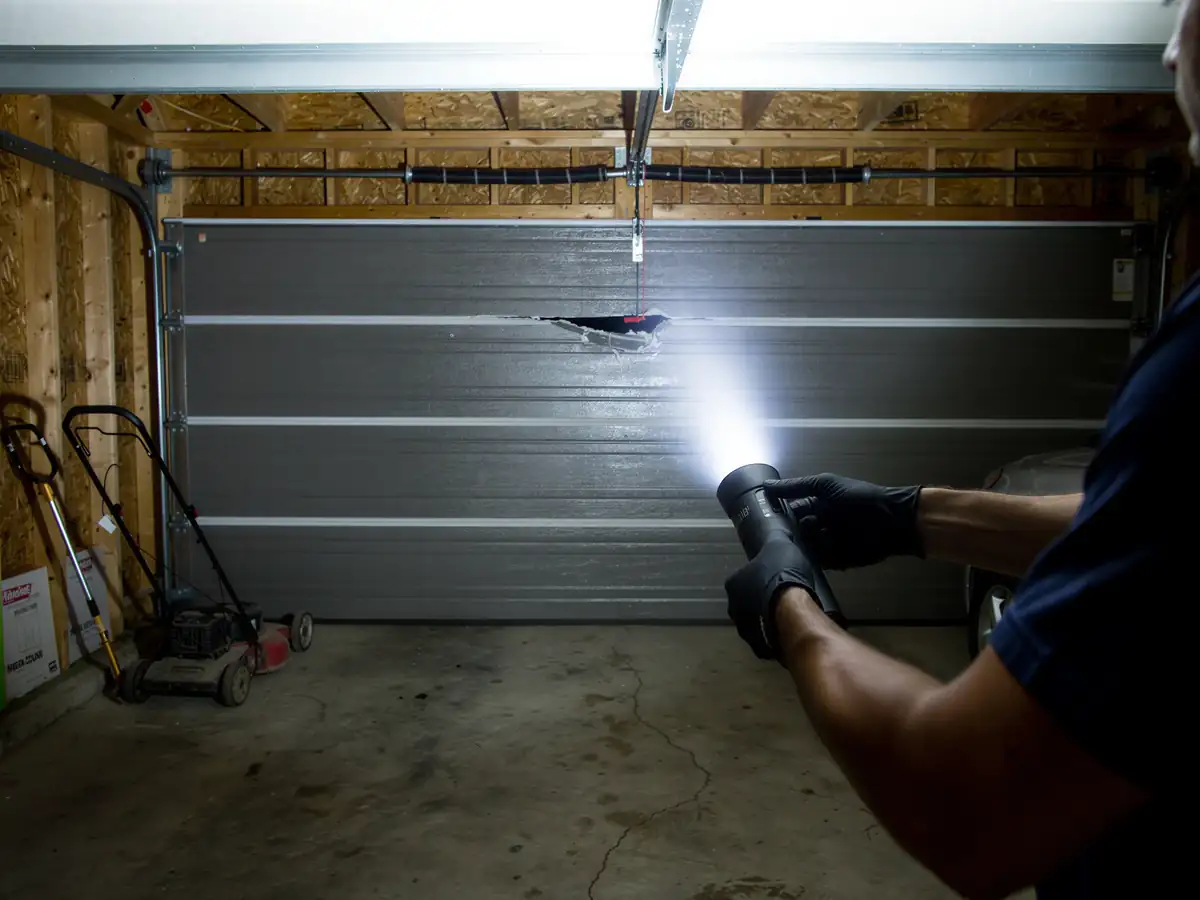
Most houses in Nuevo went up around 1990, and that one number explains a lot of the calls we get from out here. A door that's never had a spring replacement is pushing 35 years on the original torsion hardware, and galvanized springs from that era are rated for a set number of cycles that most of them have already used up. So the failure looks the same way almost every time: the door won't budge, or it slams down the last foot of travel because the spring let go mid-cycle. On the opener side, the same build year means a lot of chain-drive units from the 90s still running on their first motor, and those start showing stripped gears or a slipping chain before they quit outright. With roughly 1,795 households in Nuevo, that's a lot of garages still carrying original parts, and summer heat doesn't help - it dries out lubrication and makes brittle cable strands snap under load faster than they would in a mild month.
What Is on the Truck
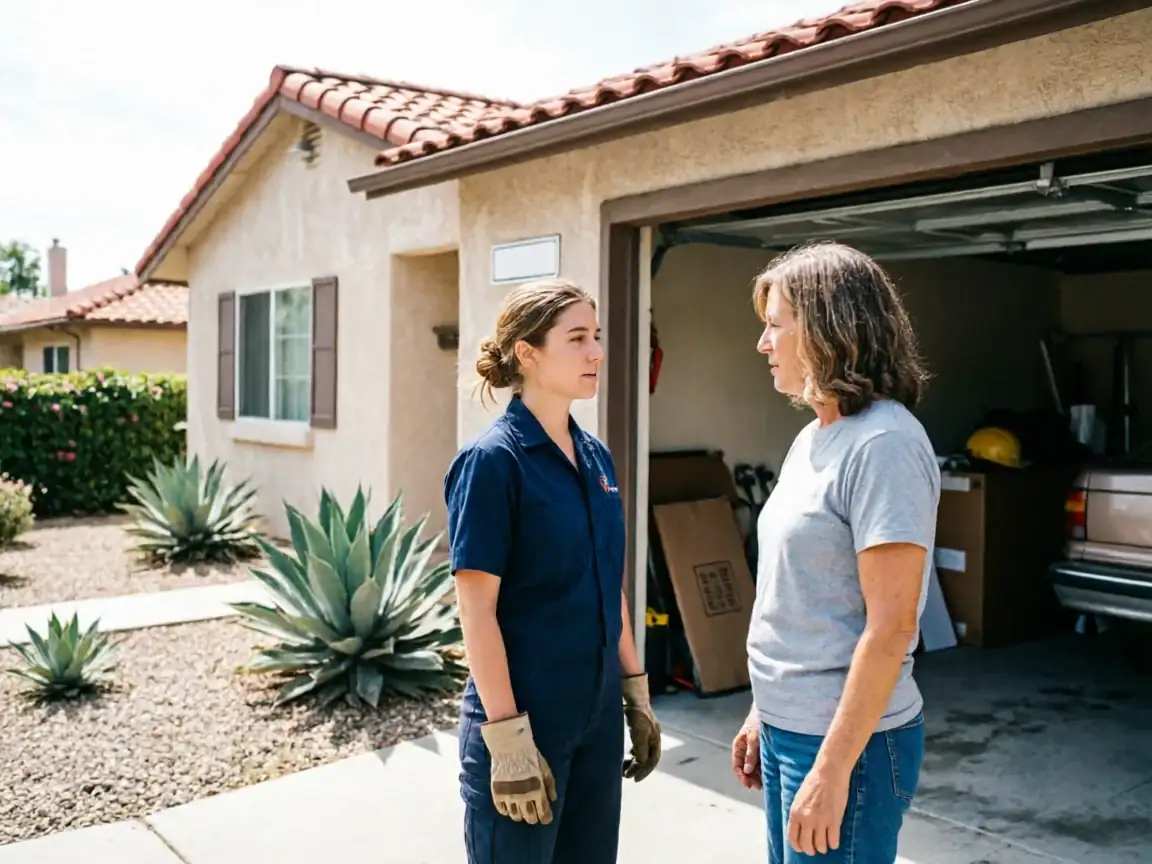
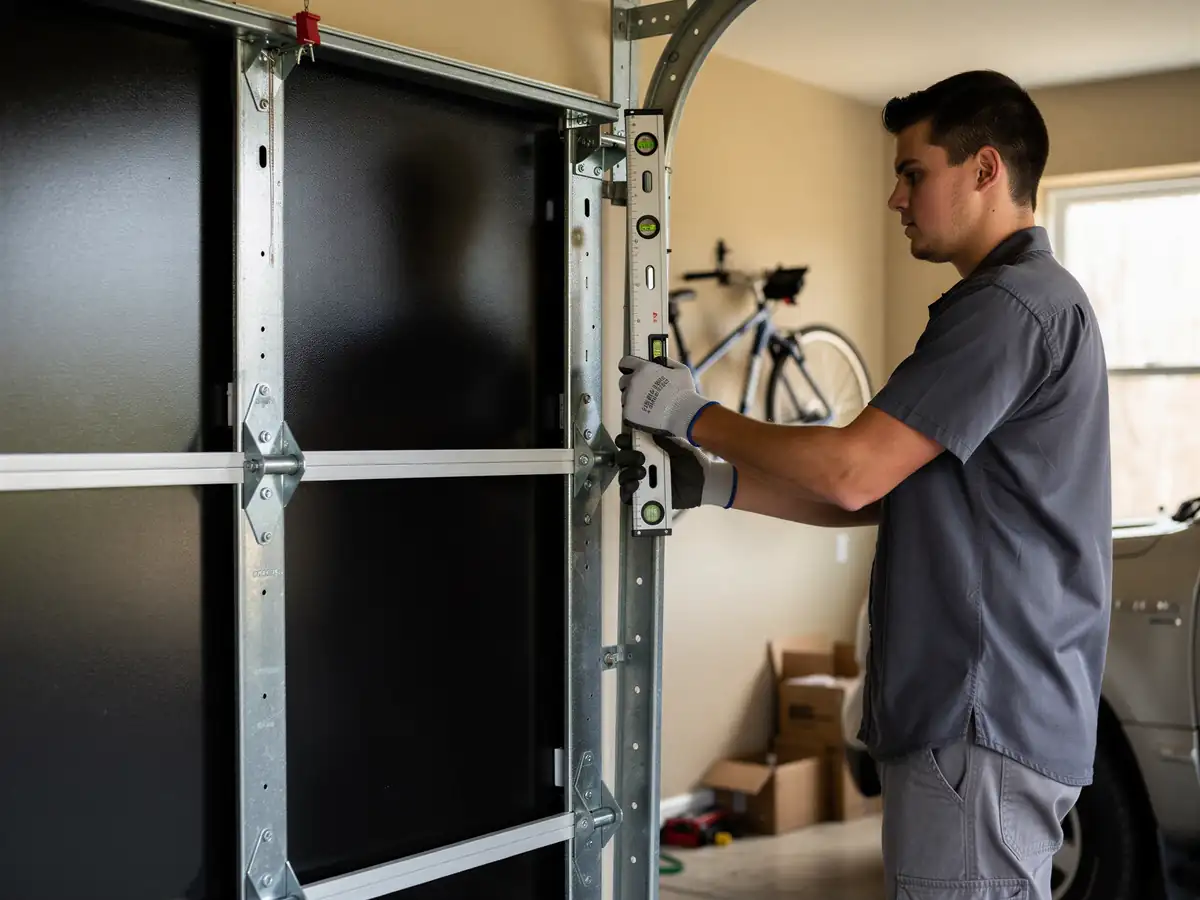
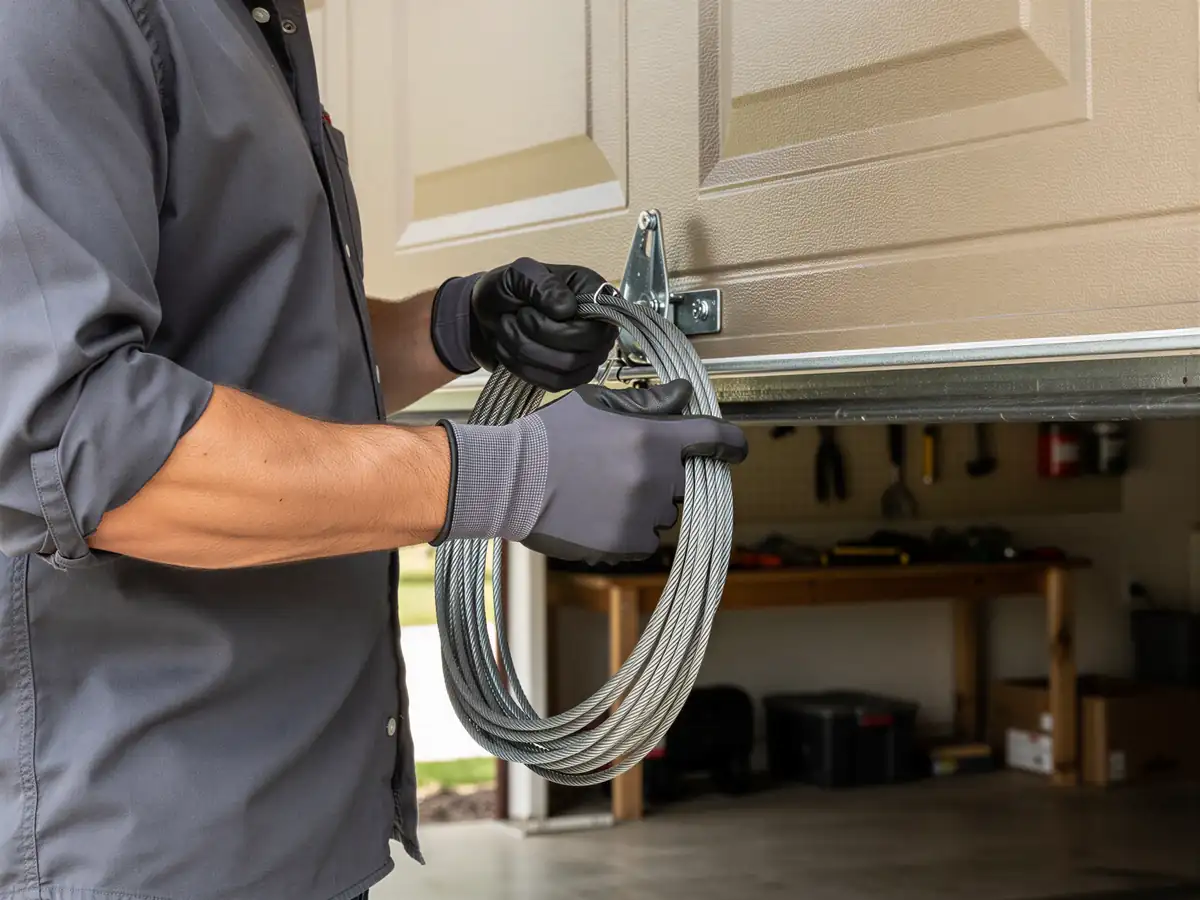
Because so much of Nuevo's housing stock is from the same window around 1990, we stock the torsion springs, extension cables, and drum sizes that fit that era's standard door openings, along with rollers and hinges that match the hardware spacing used through the 80s and 90s. We carry universal safety sensors and logic boards that fit most chain and belt openers from that period, which covers a lot of the stuck-door and won't-close calls. What we don't keep on hand are parts for doors that have already been upgraded to newer insulated steel sections or smart openers installed later - those jobs sometimes need a part ordered in, and we'll tell you that on the spot rather than make you wait at the house while we figure it out.
Doing It Yourself
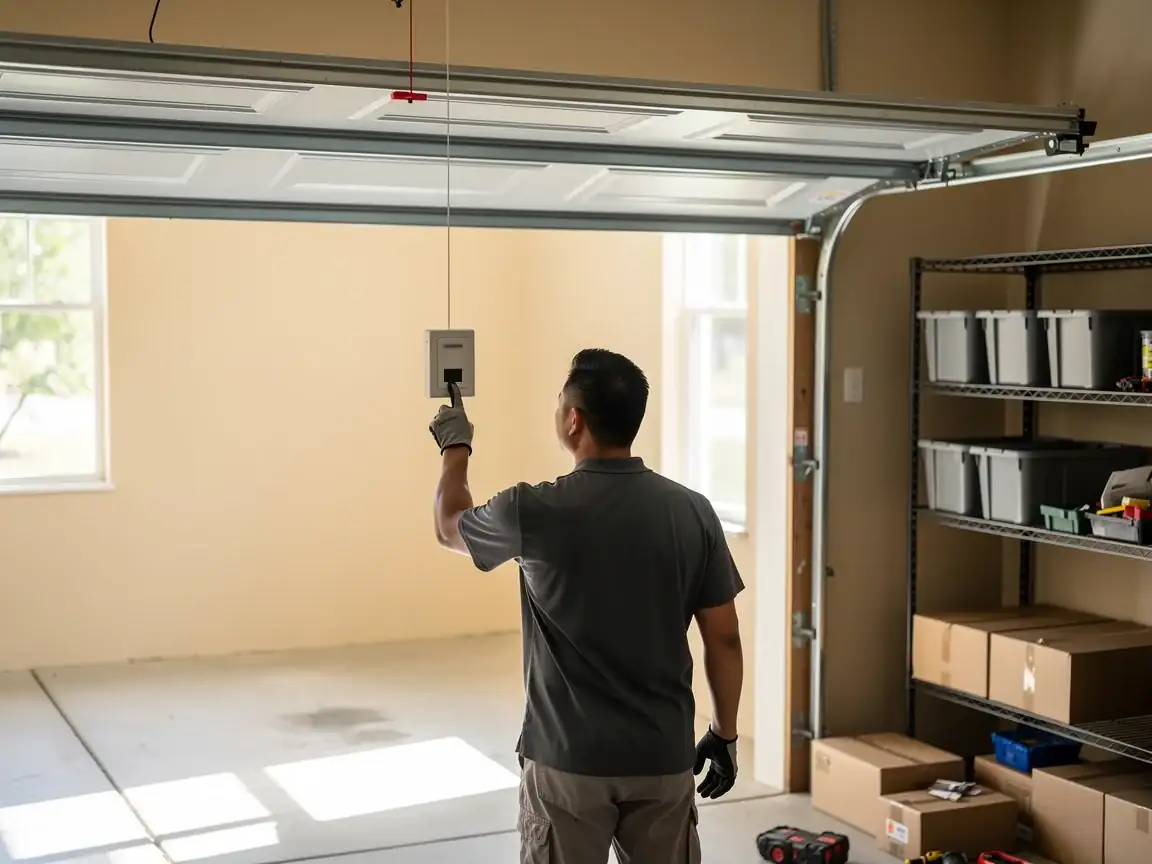
If the door won't open and you hear a bang or see a gap in the spring above the door, stop pulling the emergency release and stop trying to force it by hand - a broken torsion spring under tension is not something to work around on your own, and the cost of an ER visit outweighs whatever you'd save. If the door just stutters on an old chain-drive opener, check that the sensors at the bottom of the track aren't dirty or knocked out of line first, since in summer heat dust and pollen build up fast on the lenses and that alone stops the door from closing. Beyond that, with hardware this old, guessing at a fix usually means paying twice - once for the part you tried yourself, once for the one that actually needed replacing.