How It Shows Up
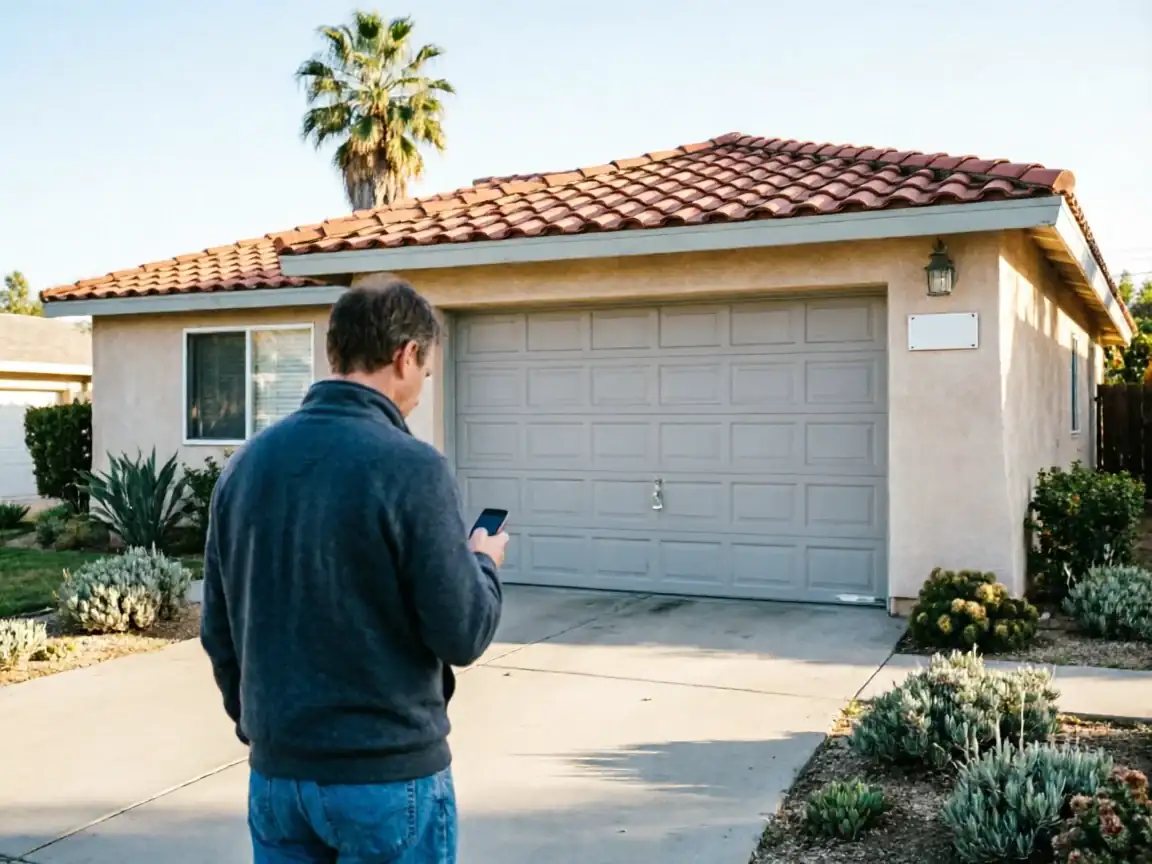
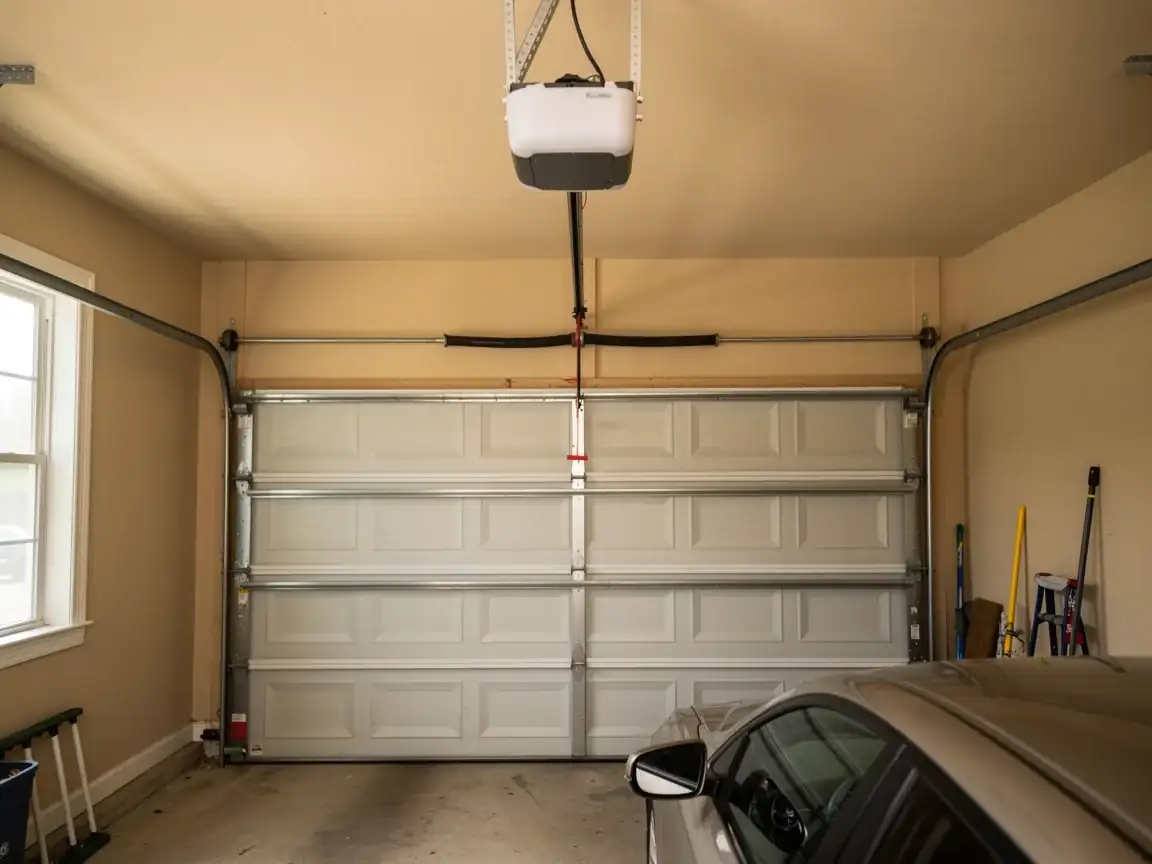
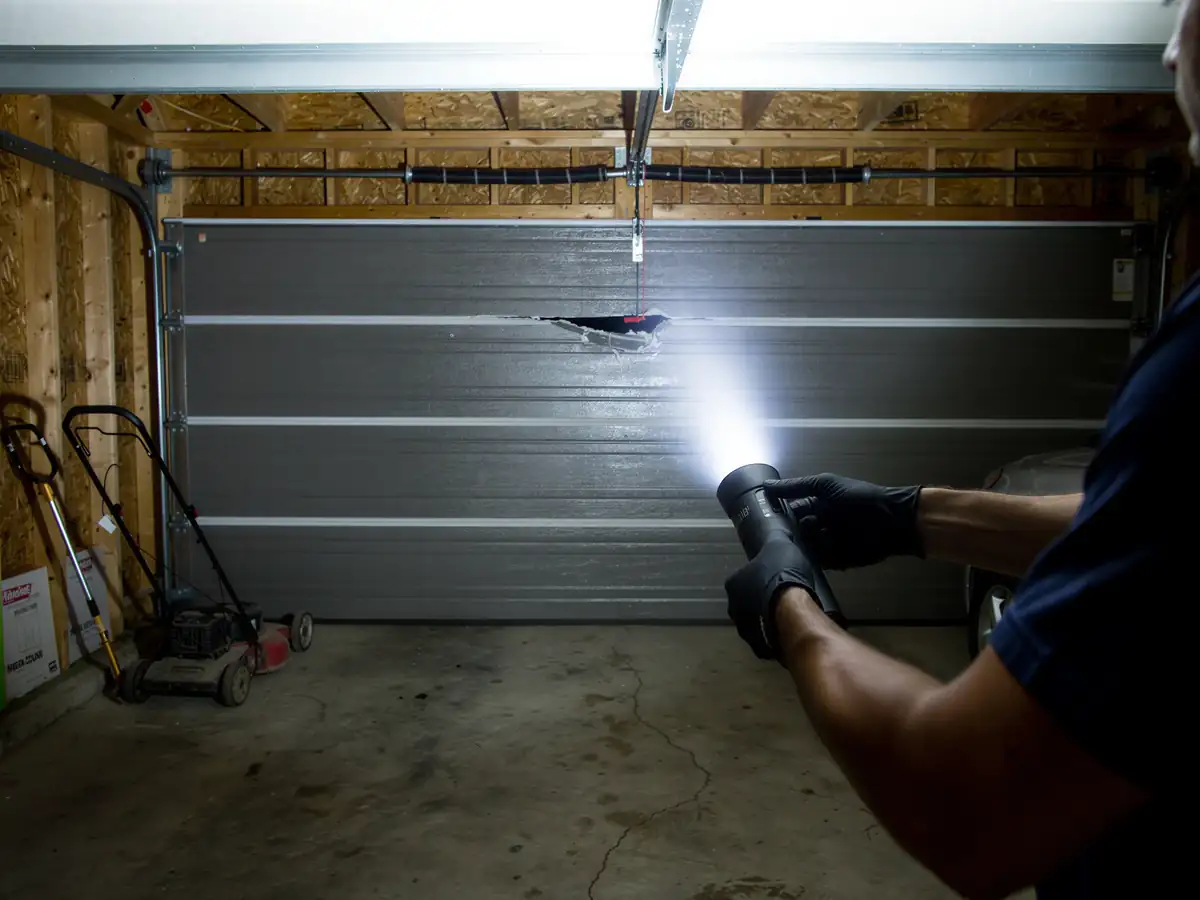
Most houses in Nuevo were built right around 1990, which puts the original garage door opener on borrowed time no matter how well it's been treated. Openers from that era are almost always chain-drive units on steel J-rail, bolted to a bracket that was never meant to outlast the house. You'll hear it before you see it fail: a grinding chain, a motor that runs longer each month before the door catches, a remote that works from the driveway but not from the street. Some owners are still running the original unit from 1990 - that's over three decades on gears and a drive sprocket that were rated for maybe half that. The other common failure pattern here is heat-related. This area sits in a severe heat climate band, and an opener's circuit board and capacitor live right under an un-insulated garage ceiling, which is the hottest spot on the lot through summer. Boards cook, logic chips drift, and a unit that worked fine in March starts missing signals by August. We see both patterns on the same call often enough that if your opener is original to the house, the chain issue and the heat issue are usually arriving together, not one or the other.
What Is on the Truck
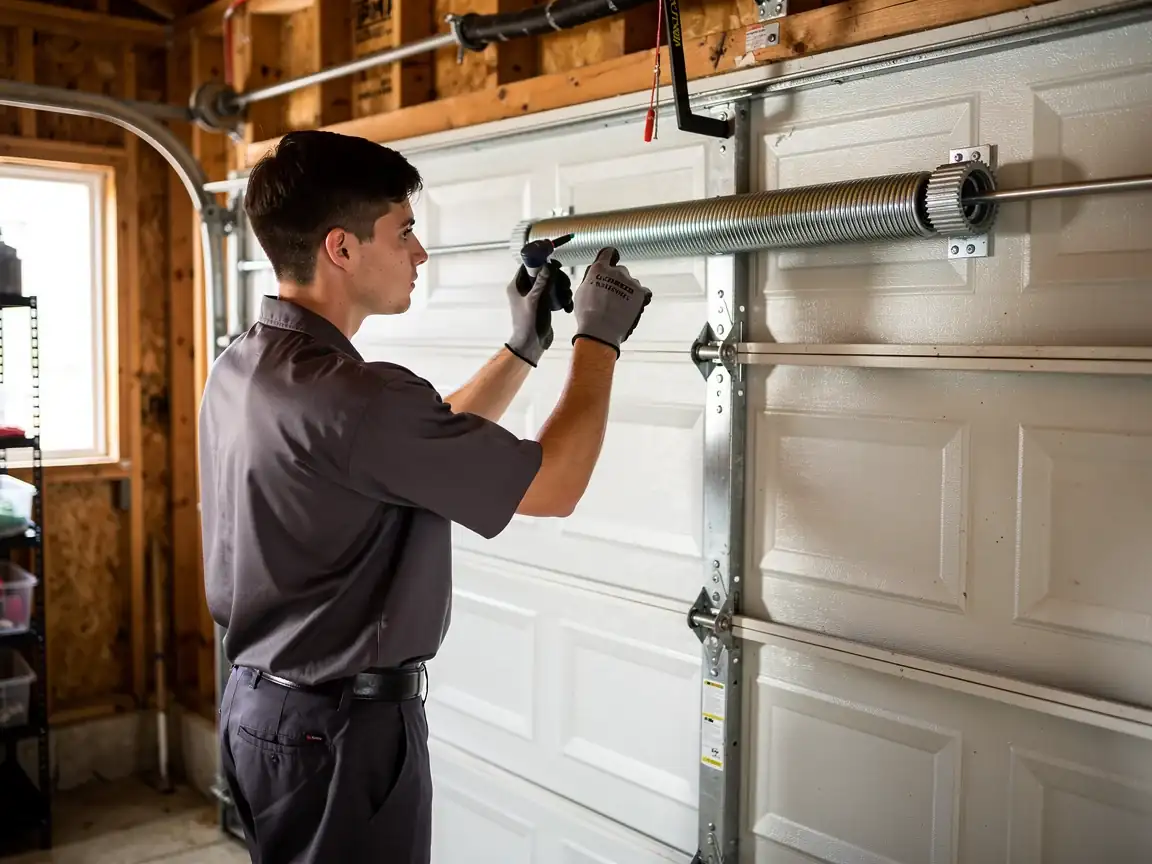
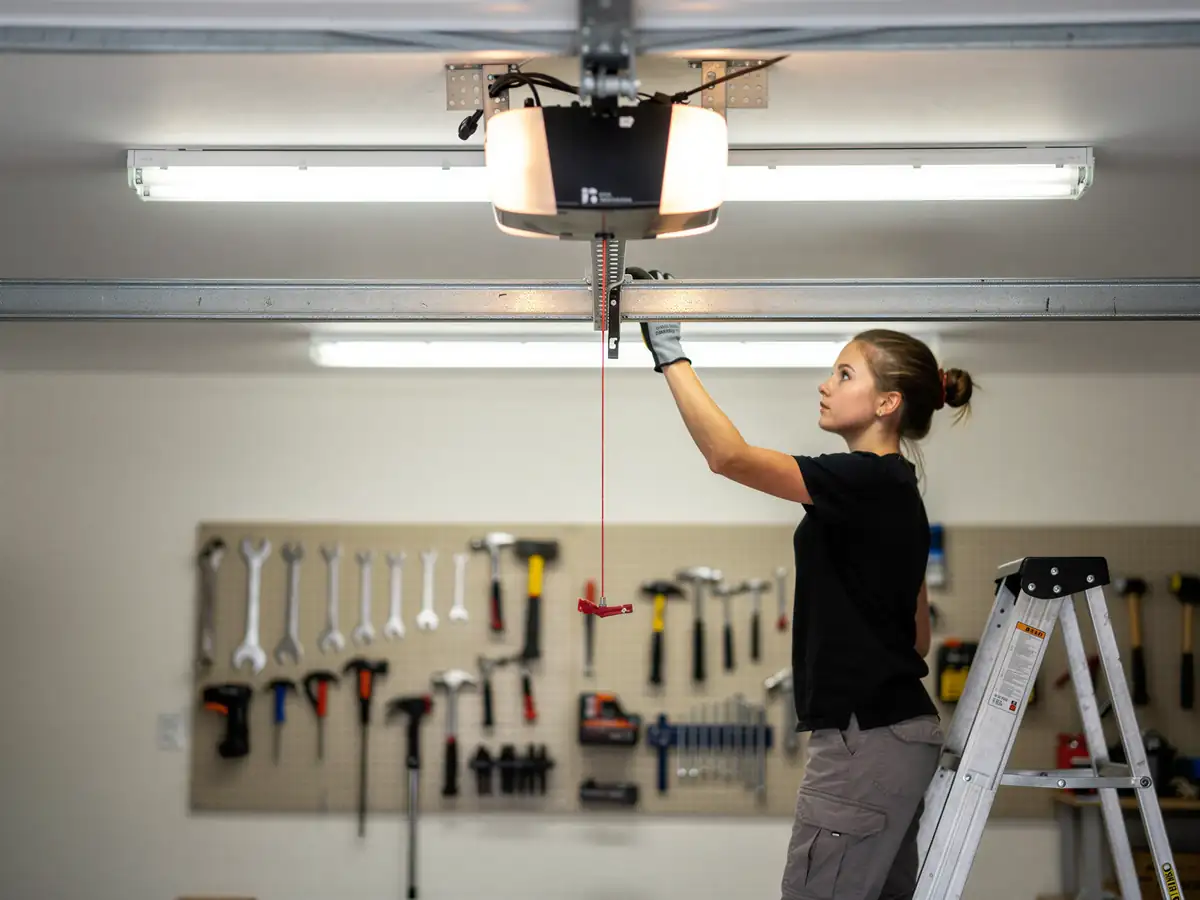
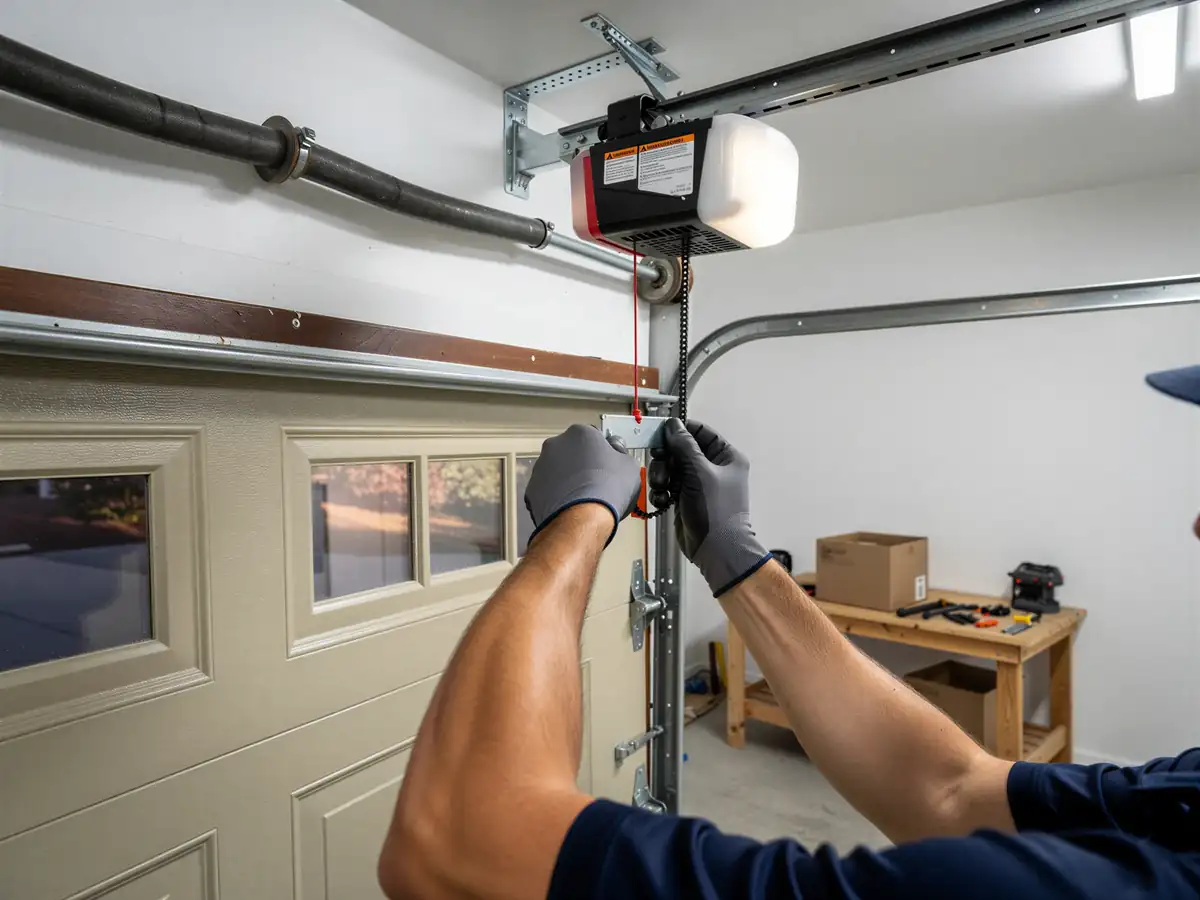
We carry a stock range of chain-drive and belt-drive openers suited to the single and double doors common in Nuevo, along with the rail, trolley, and safety-sensor hardware to match. For heat-prone installs we favor units with a sealed or better-ventilated control board housing, which holds up longer in an uninsulated attached garage through the hot months here. What we don't always have on the truck is a specialty wall console or smart-home bridge for an older opener brand that's been discontinued - if your existing unit takes a proprietary accessory, we may need to order that piece rather than hand it to you same-visit. We'll tell you up front if that's the case instead of promising a part we don't have in hand.
Doing It Yourself
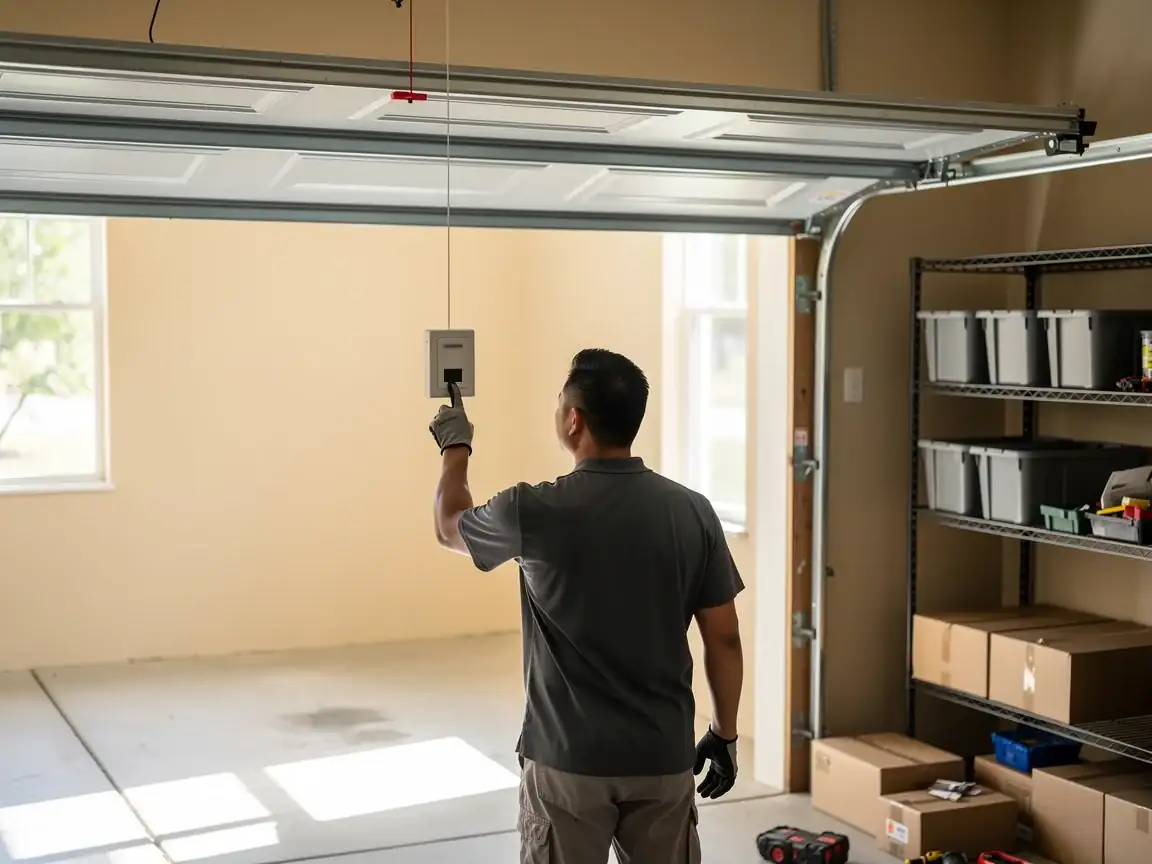
Swapping remotes, replacing a worn sensor eye, or re-aiming safety sensors that have drifted out of alignment are all things a reasonably handy owner can do without calling anyone. Lubricating the chain or belt and tightening the rail bracket are fine DIY maintenance too, and doing them twice a year will buy real time on an opener in a hot garage. Where we'd stop you is the motor head itself and anything involving the travel-limit or force adjustment screws - on an opener old enough to predate current safety-reversal standards, getting those settings wrong can leave a door that won't stop on an obstruction, which is not a setting to guess at. If your opener predates 1993, it may not have been built to the auto-reverse standard that's been mandatory since, and that's a replacement conversation, not a repair one.