How Long You Are Without the Door
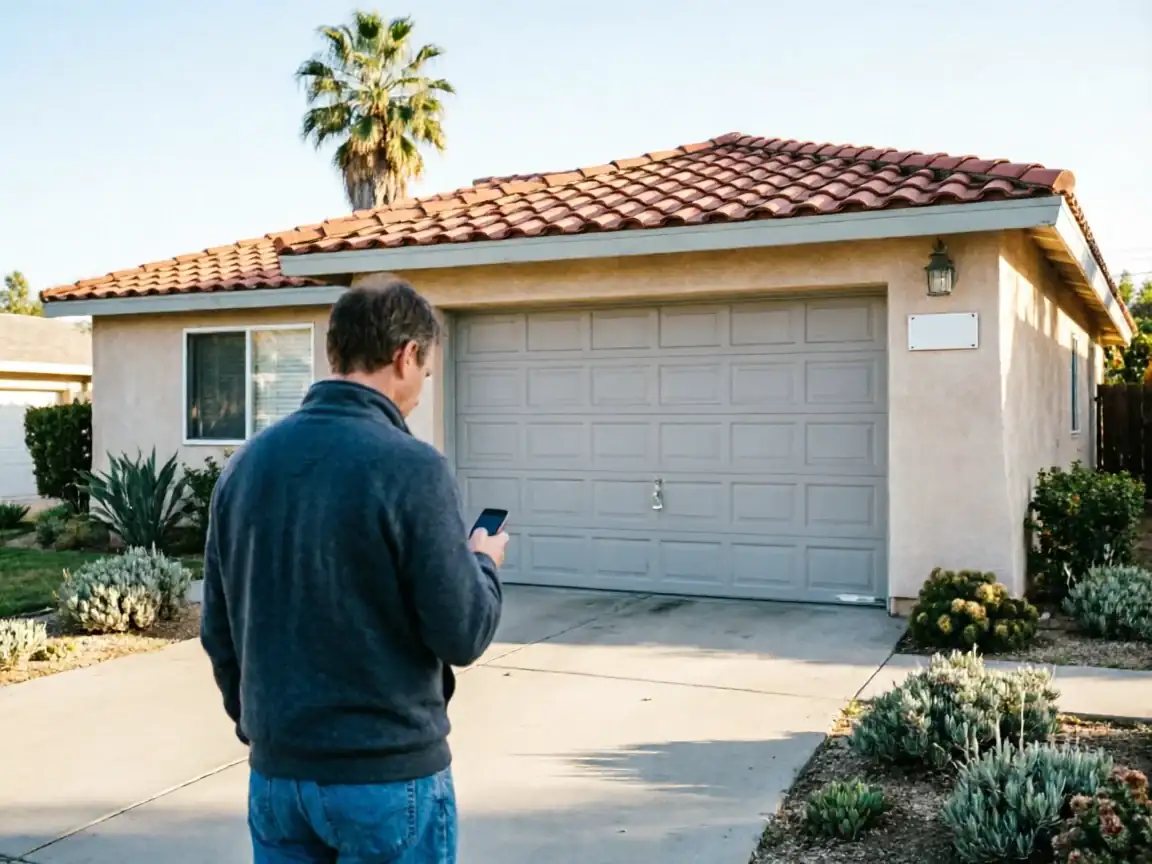
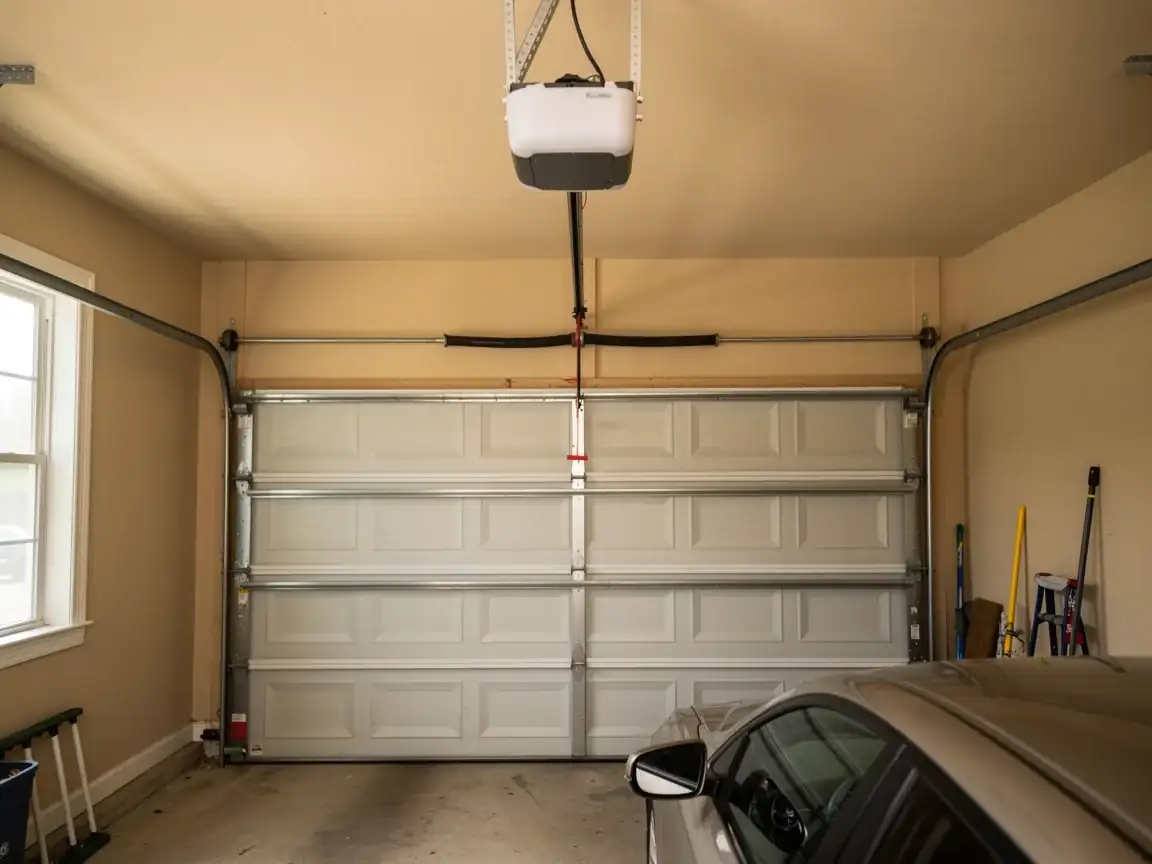
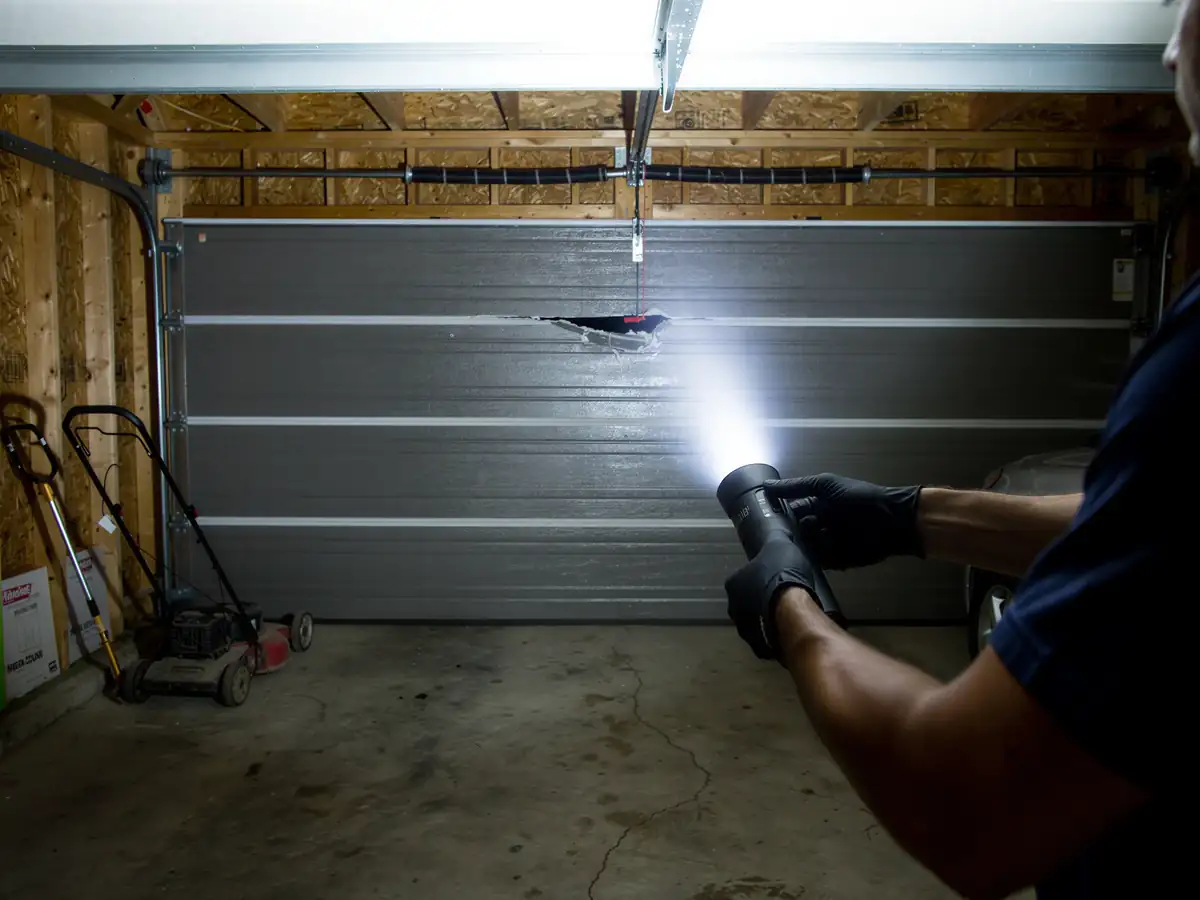
Green Acres sits about 7 miles from our shop in Menifee, and most of the houses out there went up around 1980 - a few years ahead of the broader service area's 1984 median build year. That matters here because a lot of those original openers were installed before the 1993 federal rule requiring photo-eye safety sensors on new units. If your opener has never been swapped, there's a real chance it's running on logic that predates that sensor mandate entirely, which changes what we're diagnosing the moment we pull into the driveway. We load the truck in Menifee before heading out, so the trip itself adds a few minutes versus a job inside town limits, but it doesn't change how we approach the repair once we're there. What does change the timeline is parts: a board or sensor kit matched to a chain-drive unit from that era isn't something every truck carries as a default stock item, and if the motor housing itself has cracked from decades of attic heat, we may need to order rather than swap on site.
The Cost of This Job
Green Acres households report a median income of $71,609, noticeably lower than the roughly $84,369 median across the broader Menifee service area. We don't price differently by town, but we do try to be straight about where your money goes on an older opener: a board swap or sensor retrofit on a unit from around 1980 is usually the lower-cost path if the motor itself still runs sound. Where the cost climbs is when the gear set, motor windings, and board have all failed together, which happens more often on units that have run thirty-plus years in a hot attic without a break. At that point we'll tell you straight that patching the unit piece by piece can cost more over a year than one replacement, and we'd rather say that up front than sell you parts one at a time.
How We Fix It
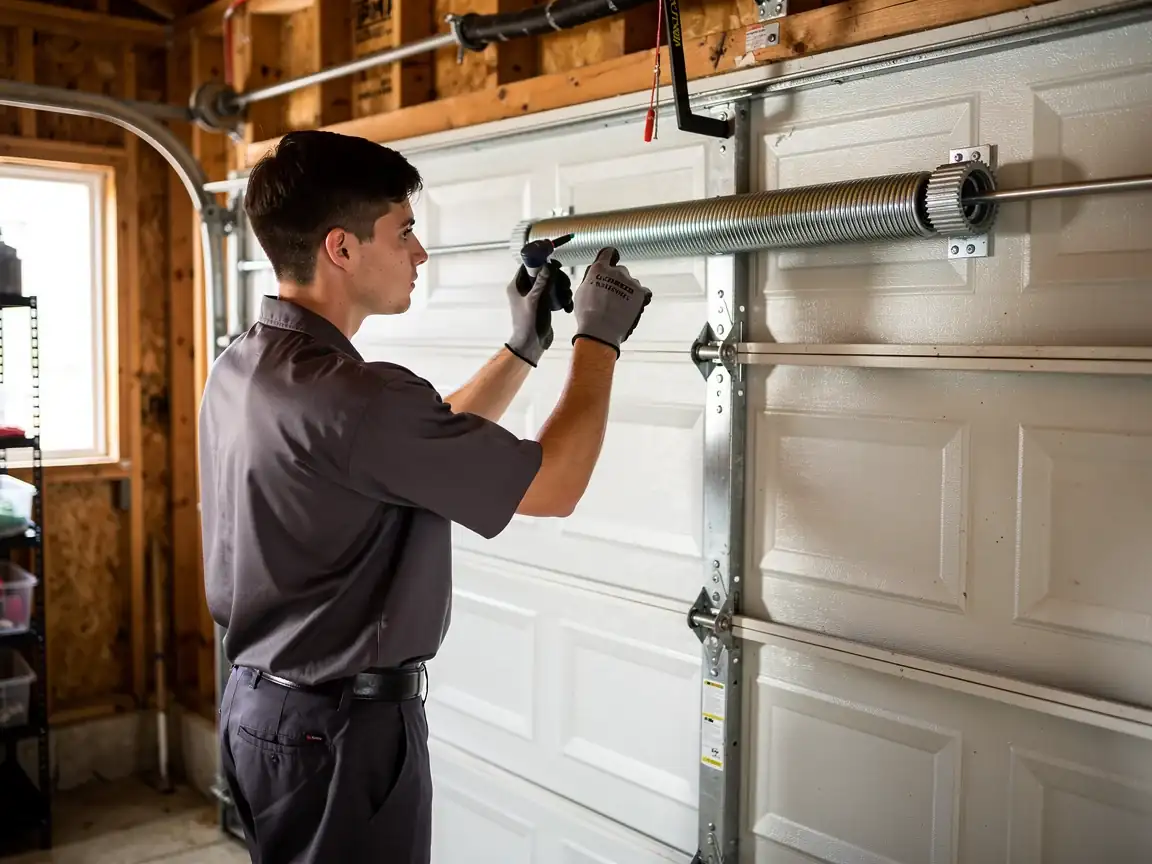
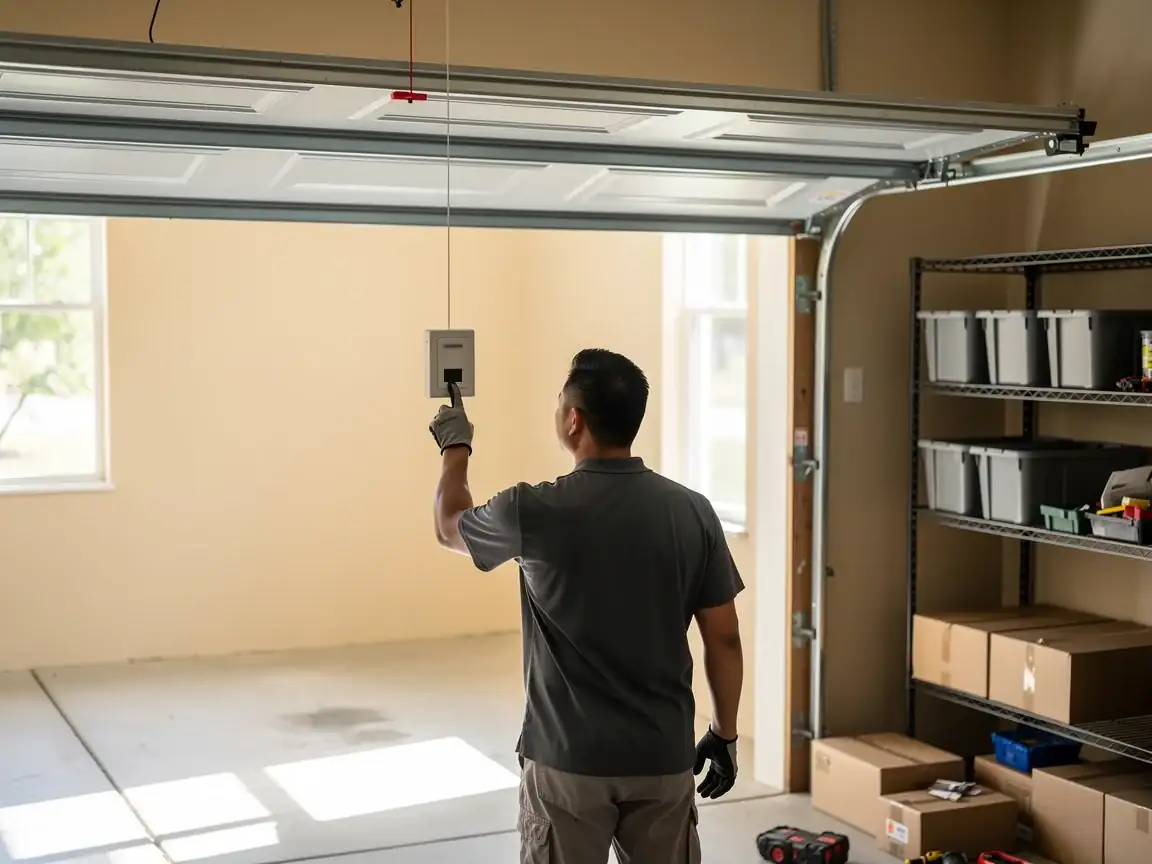
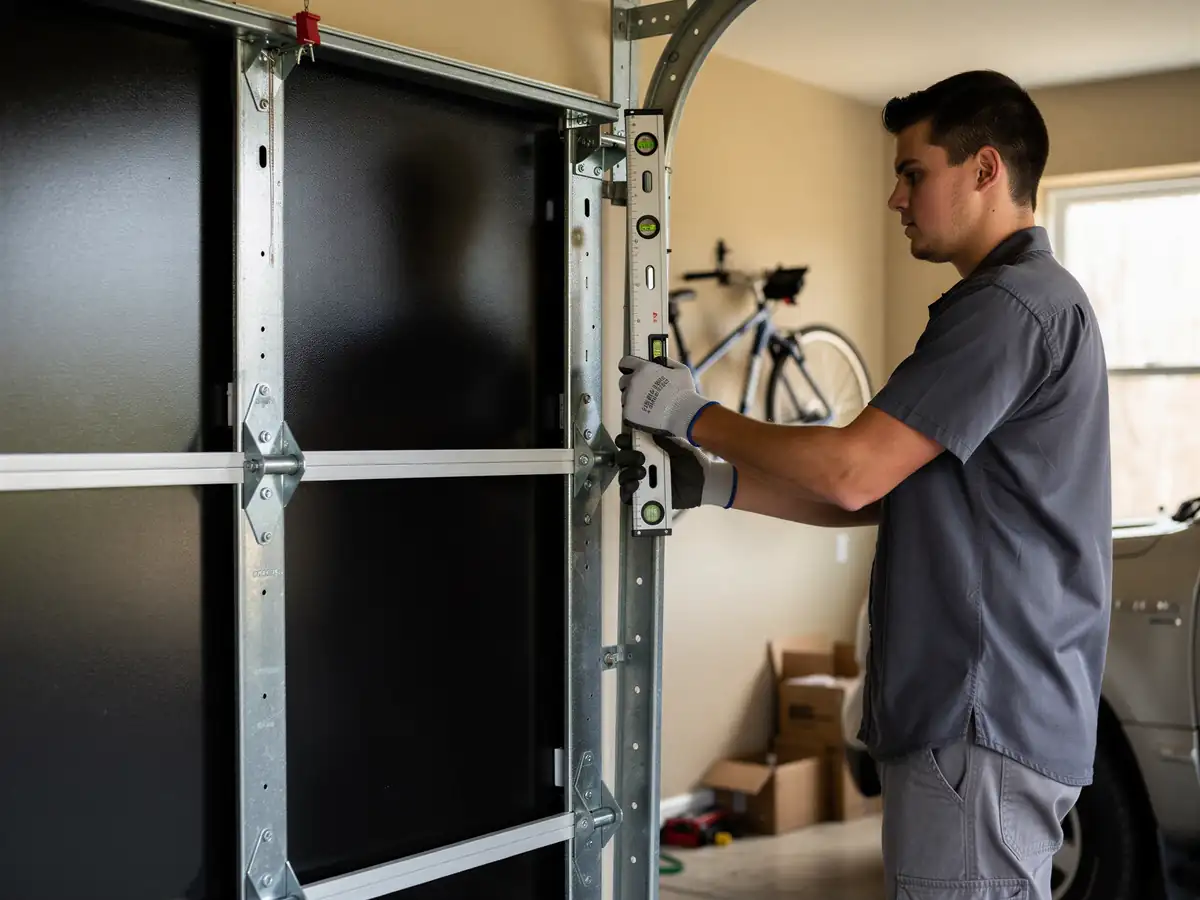
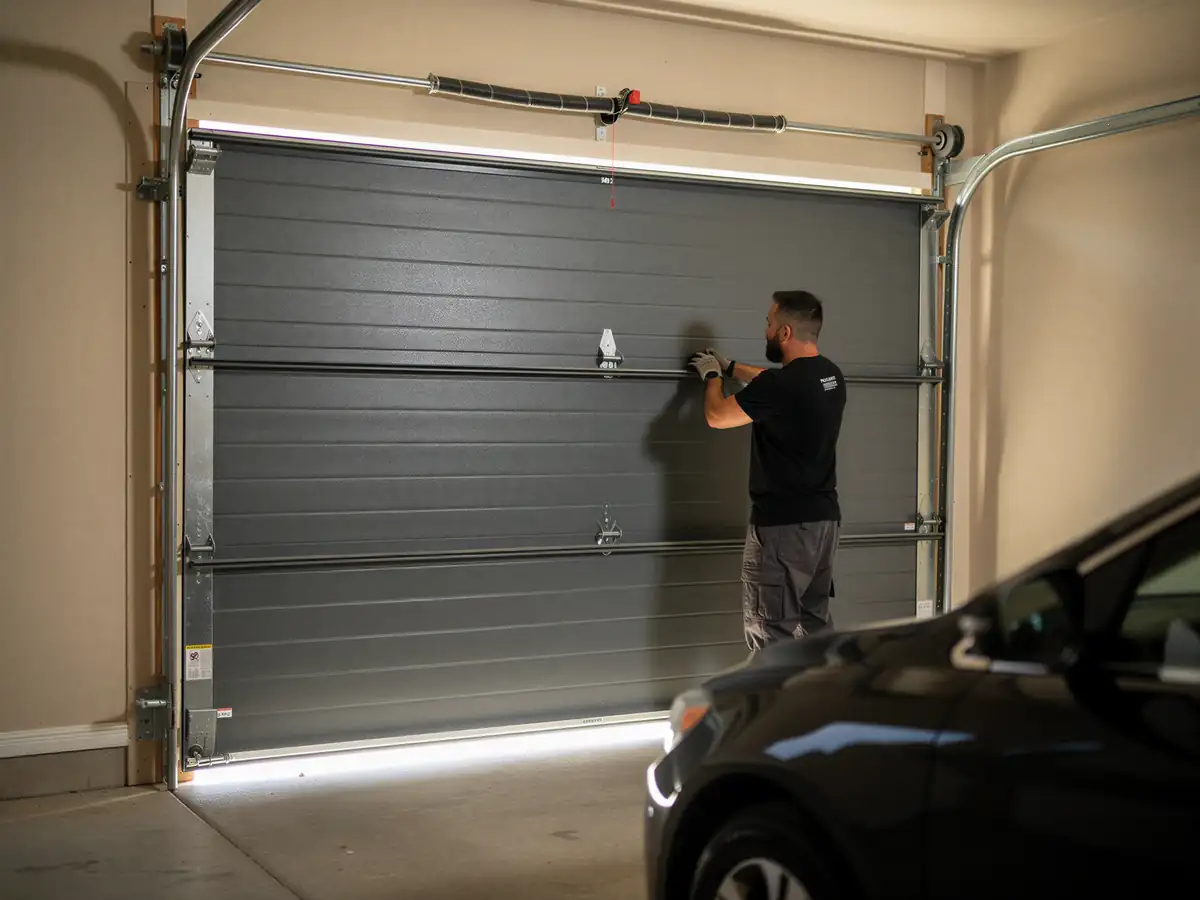
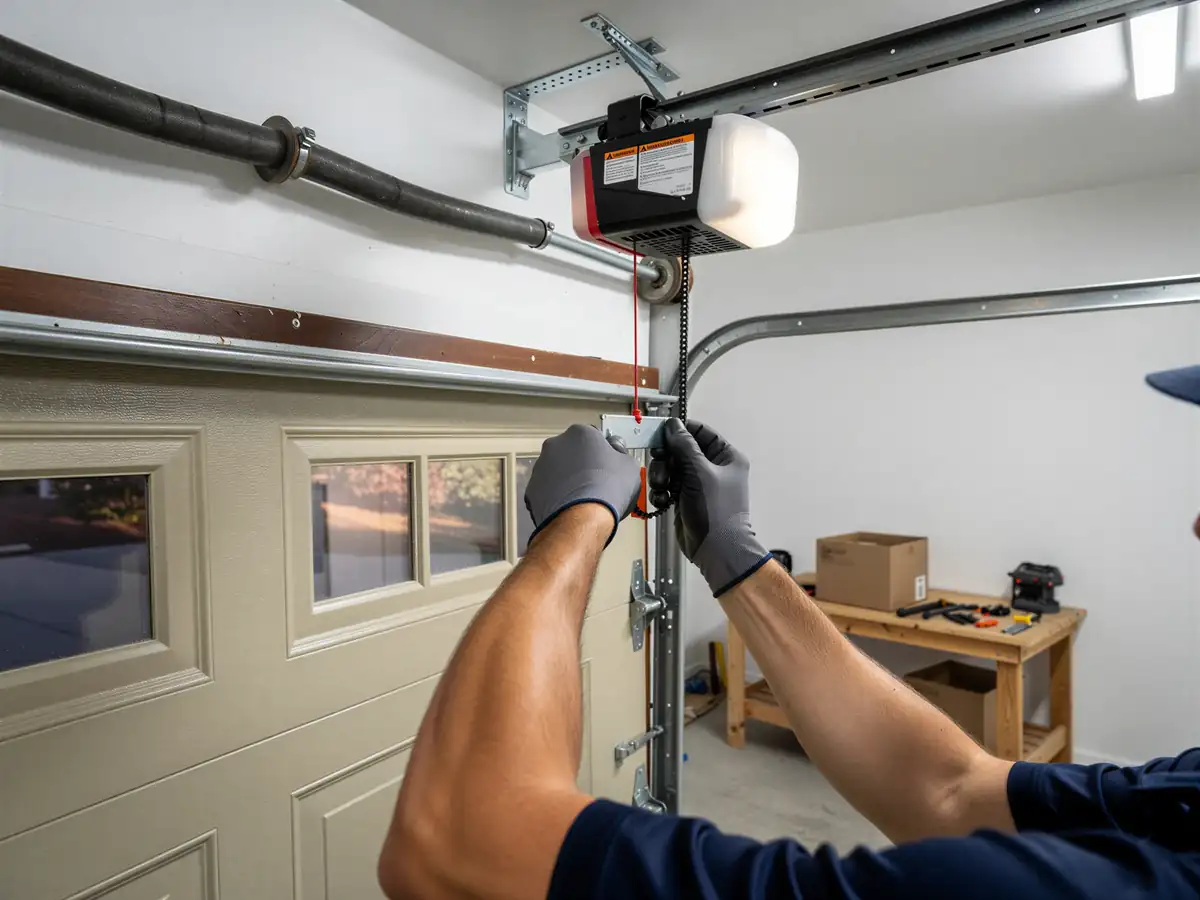
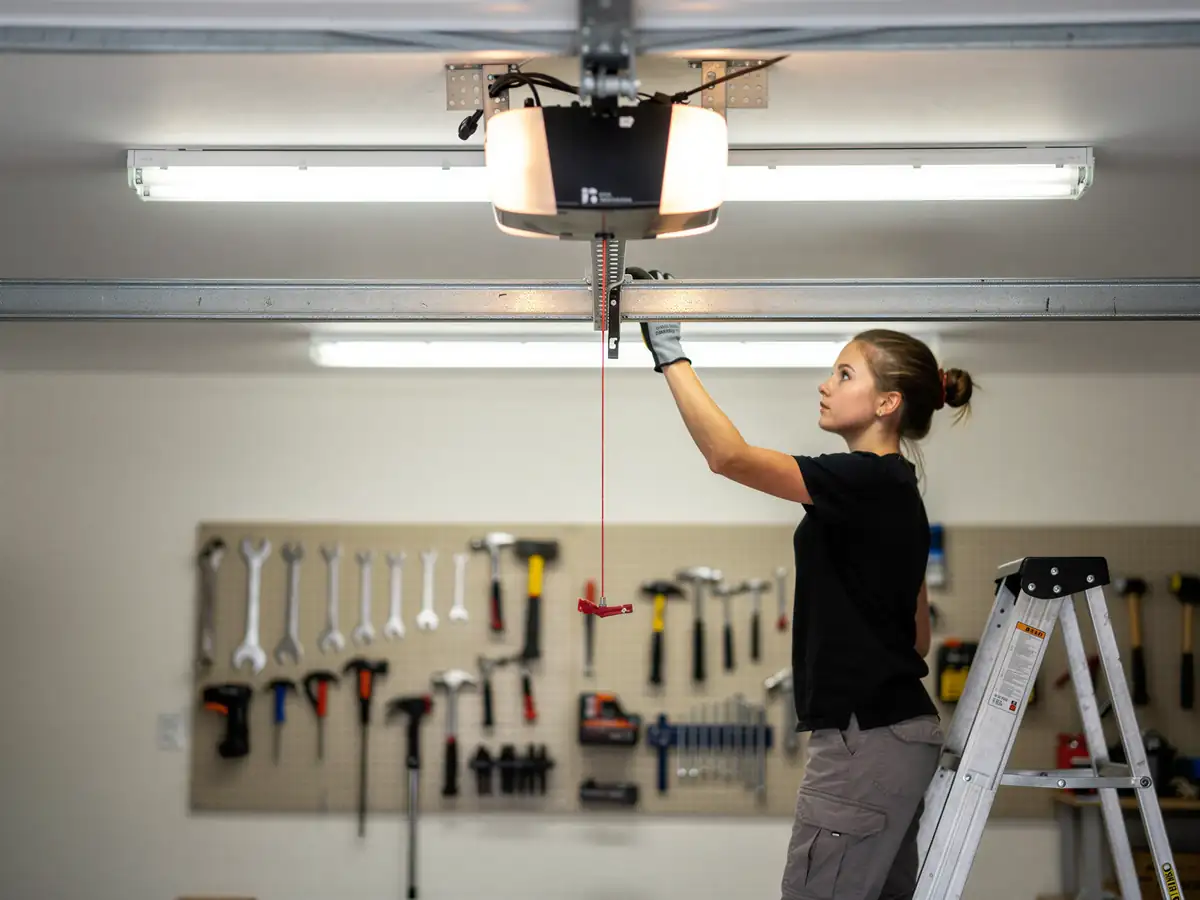
We start by testing the safety reversal system first, not the remote or the wall switch, because on a house this age that's the piece most likely to be missing or wired out entirely - some owners or past repair jobs bypassed it rather than deal with alignment. If there's no photo-eye sensor at all, we install one as part of the repair; we don't hand back an opener that doesn't meet that safety standard, full stop, even if the original setup ran that way for decades. From there we check the logic board for heat damage, since extended exposure to the severe heat this area sees can warp solder joints and shorten board life well before the motor itself gives out. If the board and sensors check out and the issue is mechanical, we move to gears, chain tension, and motor bearings. Each step gets diagnosed on its own before we recommend replacing anything, because on an opener this old, more than one system can be failing for unrelated reasons.