How Long You Are Without the Door
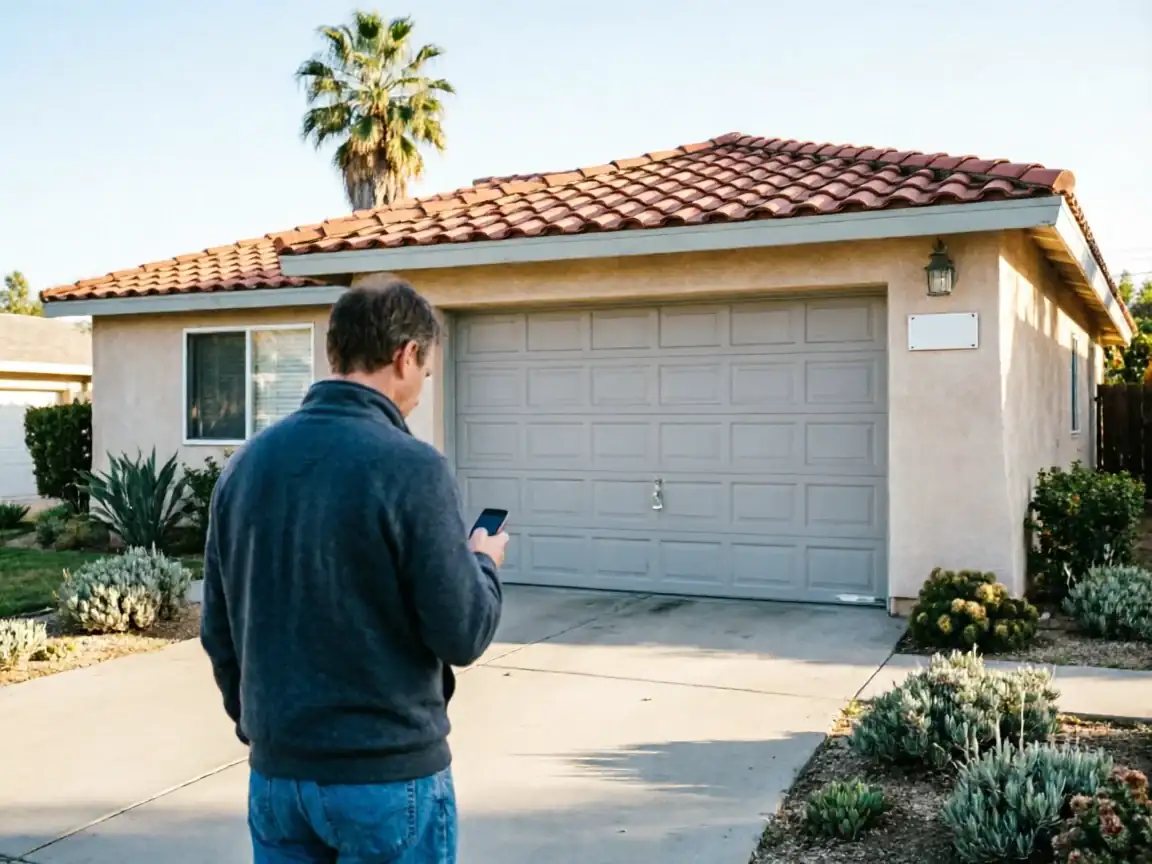
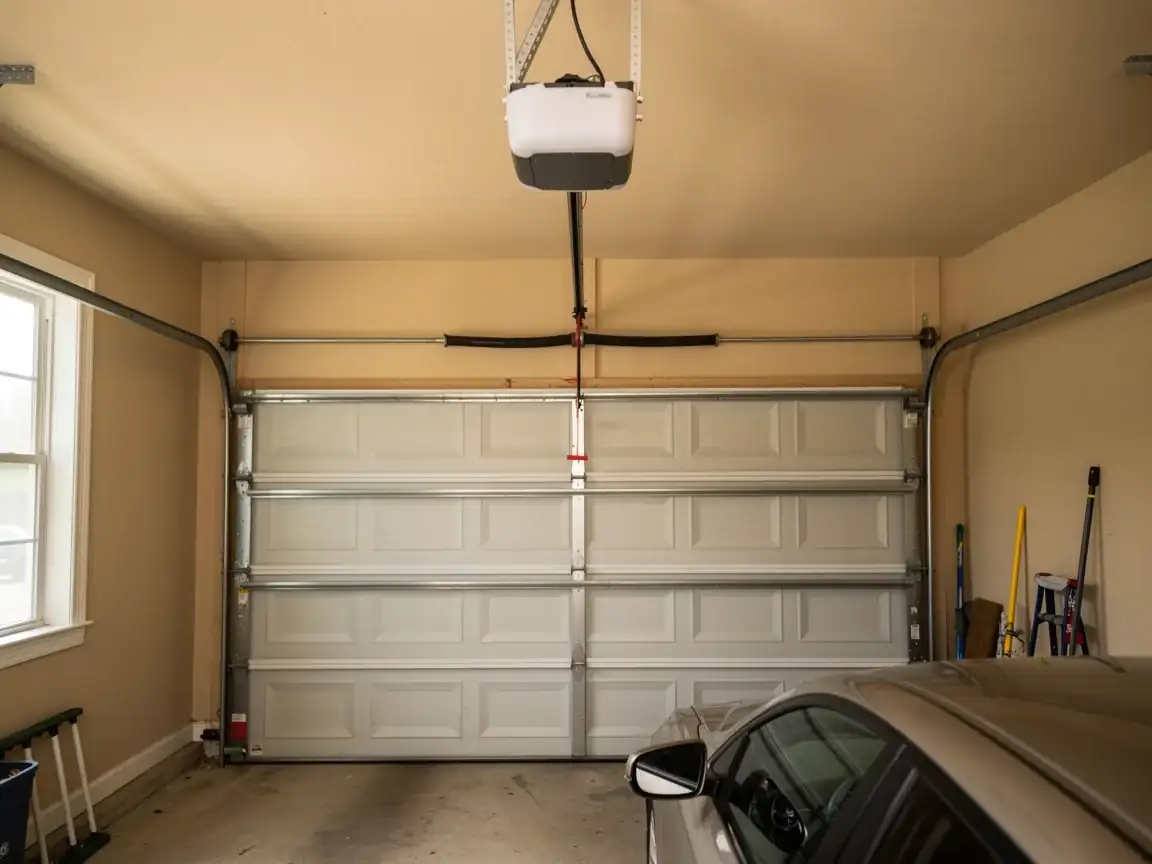
The fault we see most in Green Acres isn't a dead opener, it's an opener that's technically alive but shouldn't be trusted. A lot of these houses went up around 1980, which puts the opener - if it's original, and in plenty of garages it still is - ahead of the 1993 federal rule that required photoelectric safety sensors on every new residential unit. That means a chain-drive box from this era can close on a car, a bike, or a kid's foot with nothing to stop it. We've also seen the newer problem: a 1990s or early-2000s replacement unit with a dying circuit board that still opens the door most of the time, then randomly doesn't.
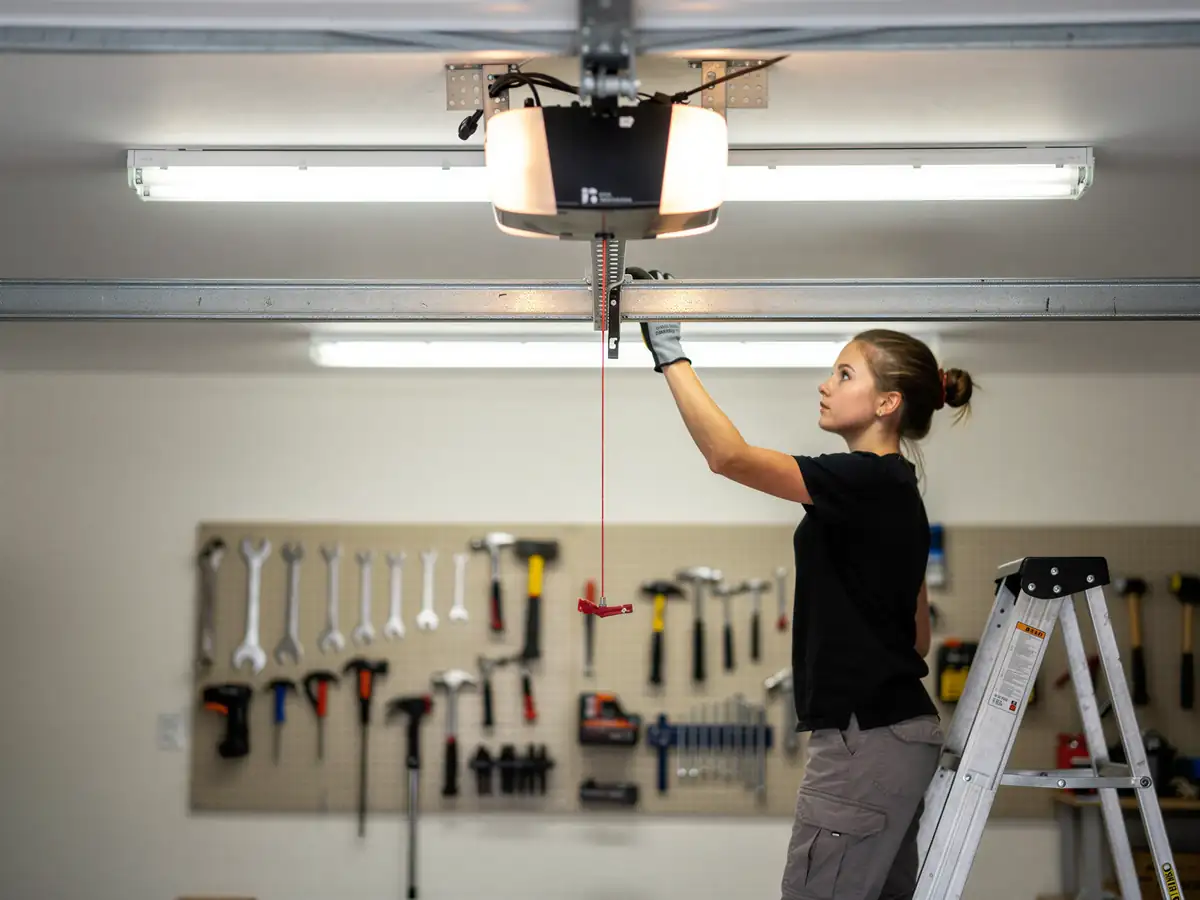
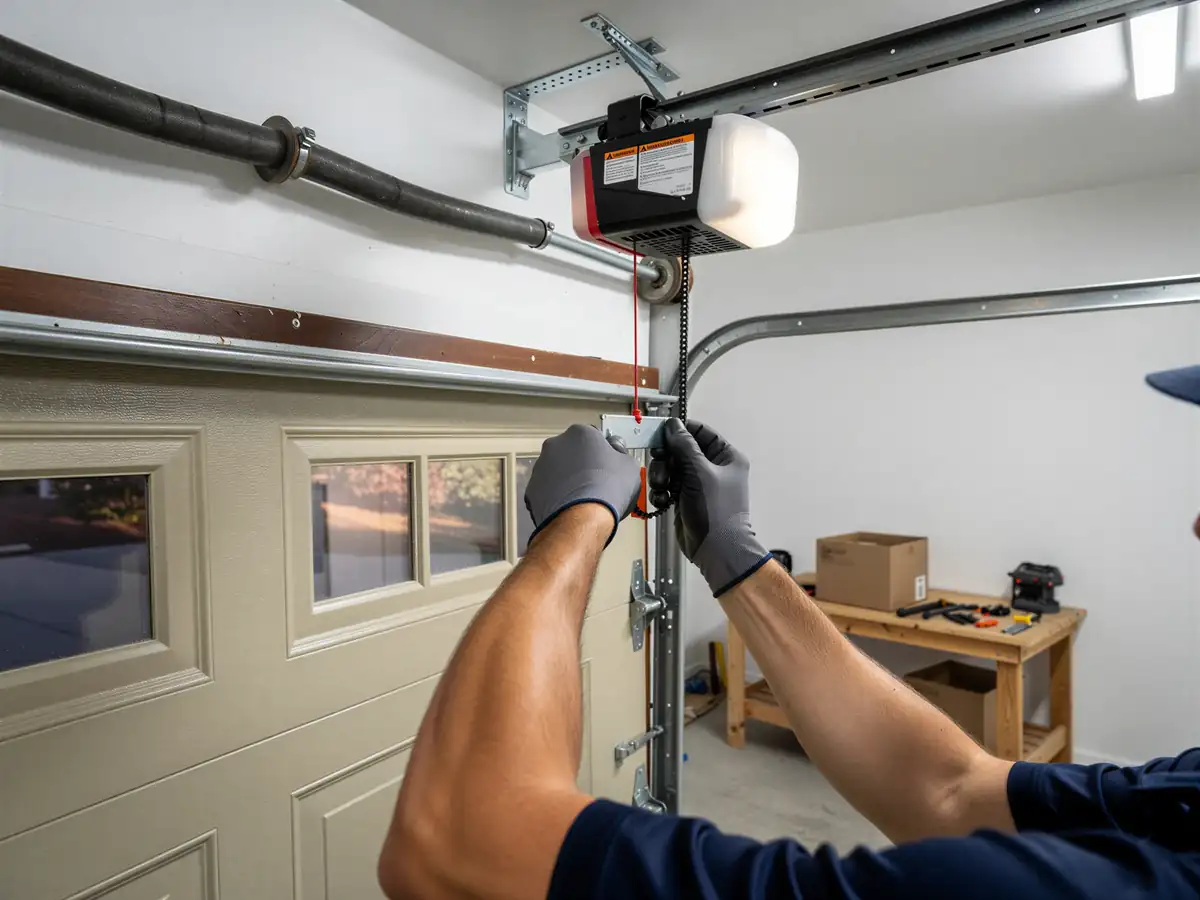
Once we're on site, swapping a working-but-outdated opener for a current belt or chain-drive unit with sensors and rolling code is usually a same-visit job. If the old unit has already failed and the door is stuck down or up, we prioritize getting you back in the garage before we talk upgrades. We're coming from Menifee, about 7 miles out, so factor that into when you call versus when the truck shows up - we don't claim a same-hour window we haven't confirmed with you.
What Is on the Truck
For a neighborhood built mostly in 1980, we stock what that era's garages actually need
Standard 7-foot headroom brackets, chain-drive and belt-drive openers in both 1/2 and 3/4 horsepower, and the wiring harnesses that match older junction boxes instead of the plug-and-play setups in newer construction. We also carry replacement photoelectric sensor kits separately, because sometimes the opener itself is fine and the only non-negotiable upgrade is adding the safety eyes that didn't exist when the house was built.
Green Acres is a small pocket
A few hundred households by our count - so we don't warehouse anything specific to this one area. What's on the truck is drawn from what works across the wider service territory, which runs from 1970s tract housing to 2000s-era builds. That range is also why we carry both older bracket styles and newer low-headroom kits: we won't know which your garage needs until we're standing in it, but we come prepared for either.
The Cost of This Job
We're not going to print a number here that doesn't match what we'd actually quote you on site - garage width, horsepower needed, and whether we're also replacing the rail or just the head unit all move the price. What we can tell you is what drives the cost up in a neighborhood like this one: if your garage still has the original 1980-era opener, the install almost always includes new wiring and sometimes a new wall button, because the old parts weren't built to talk to a modern unit's logic board.
If the existing bracket and rail are solid and you just need the motor and sensors swapped, that's a smaller job than a full teardown. We'll tell you which one you've got before we start, not after.
How We Fix It
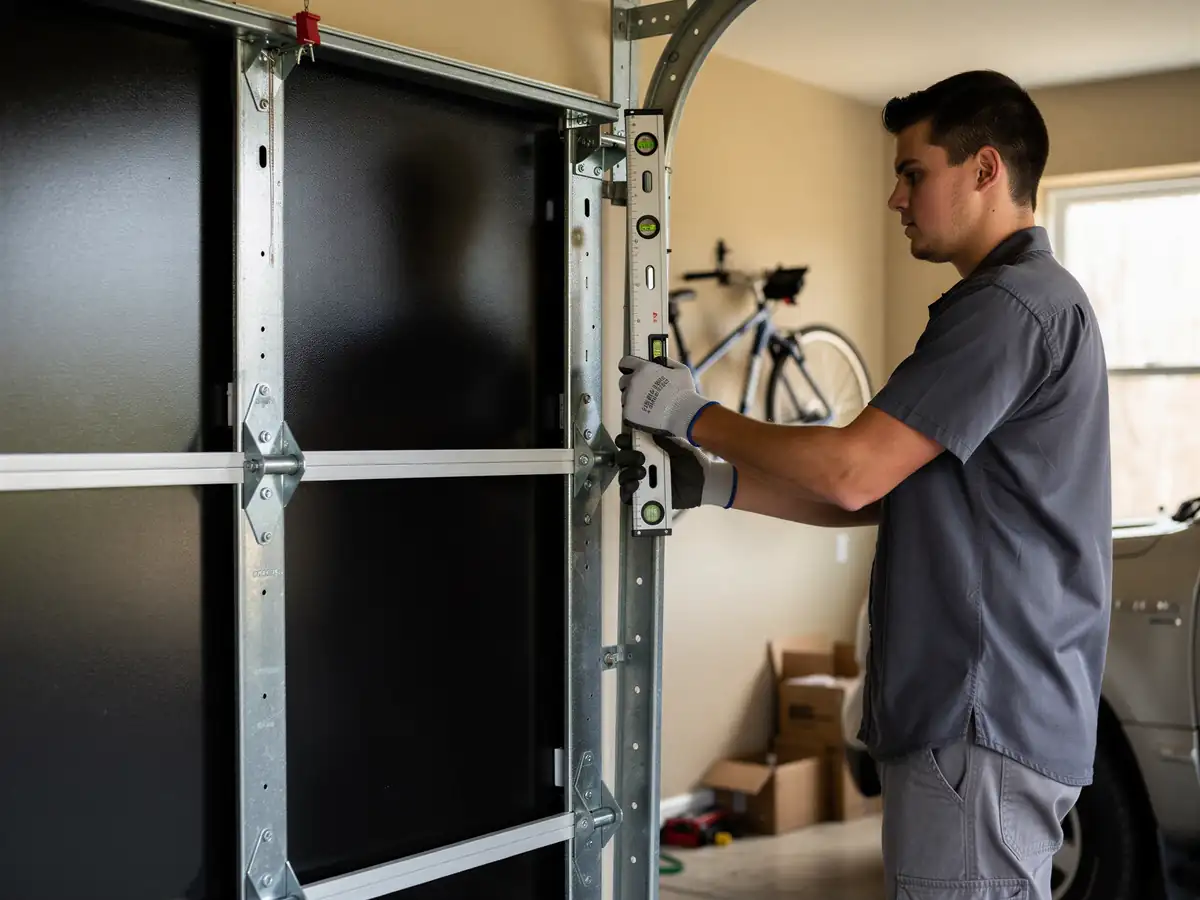
On a house from this era, the first thing we check isn't the opener, it's what it's bolted to. A lot of 1980 garages have the original header bracket, and if that's bowed or the wood behind it has softened, bolting a new opener to it is a waste of a good motor. We reinforce or relocate the bracket first, then mount the new unit, wire in the wall control, and run the safety sensor pair at the base of the track - low enough to actually catch something, not just high enough to pass a quick look.
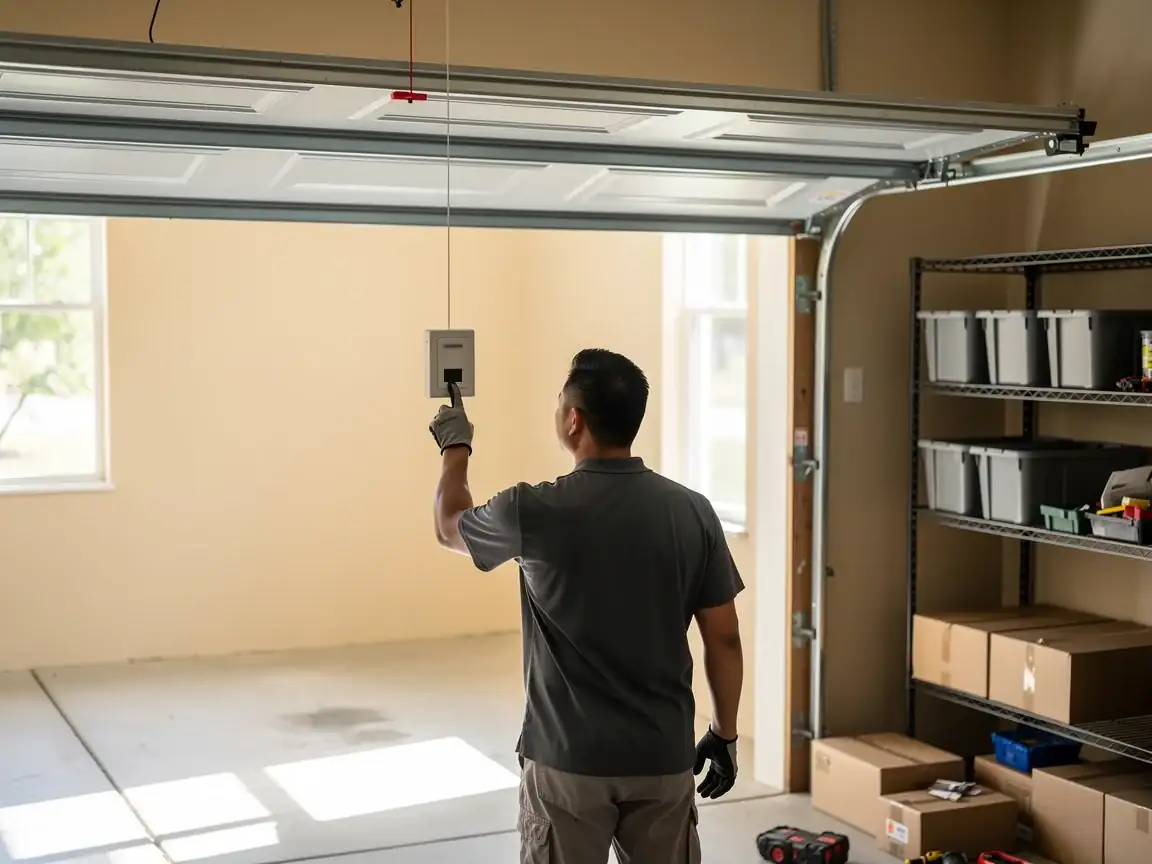
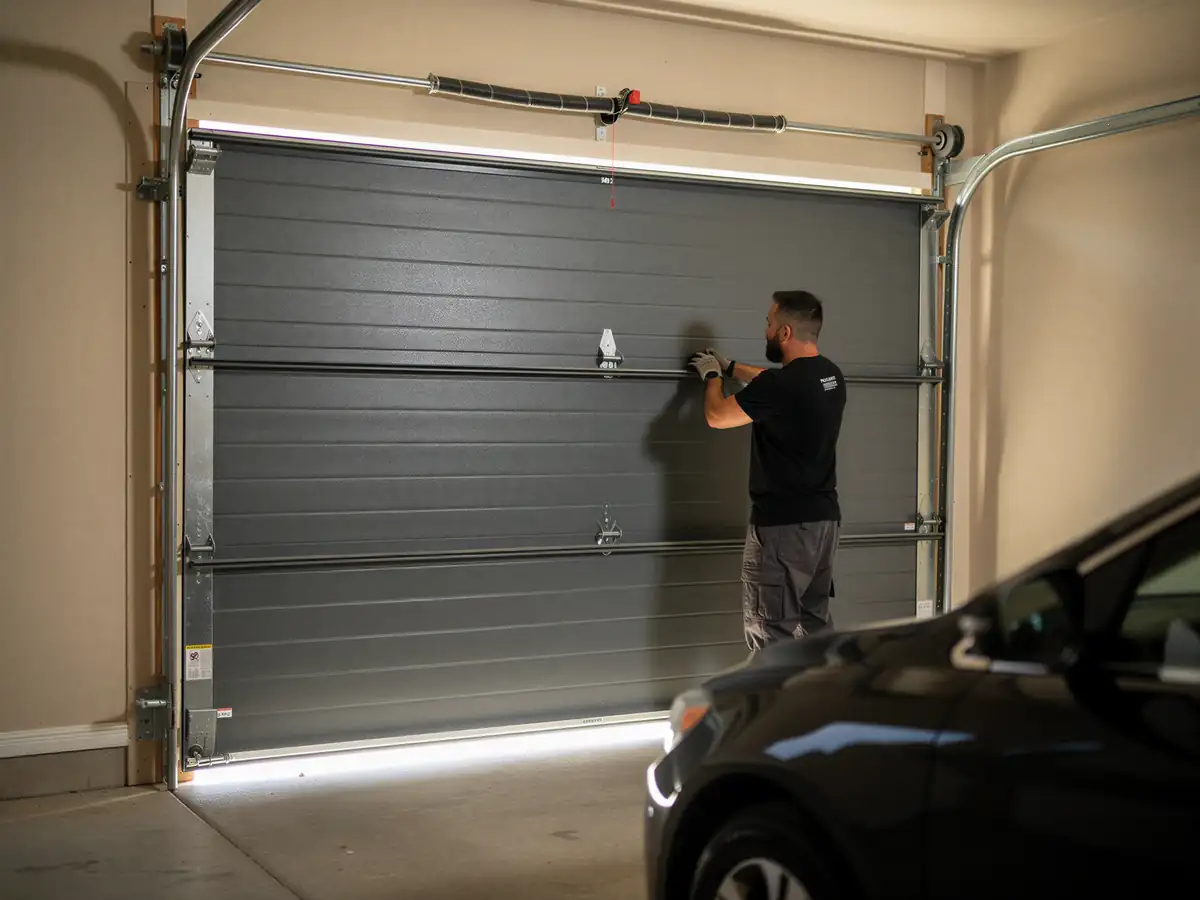
After that we run the door through a full open-close cycle under load, check the force settings so it doesn't slam or stall, and program your remotes and keypad before we leave. If you've got a smart garage system you want tied in, we handle that at this stage too, since retrofitting it later usually means opening the unit back up.
What Can Go Wrong
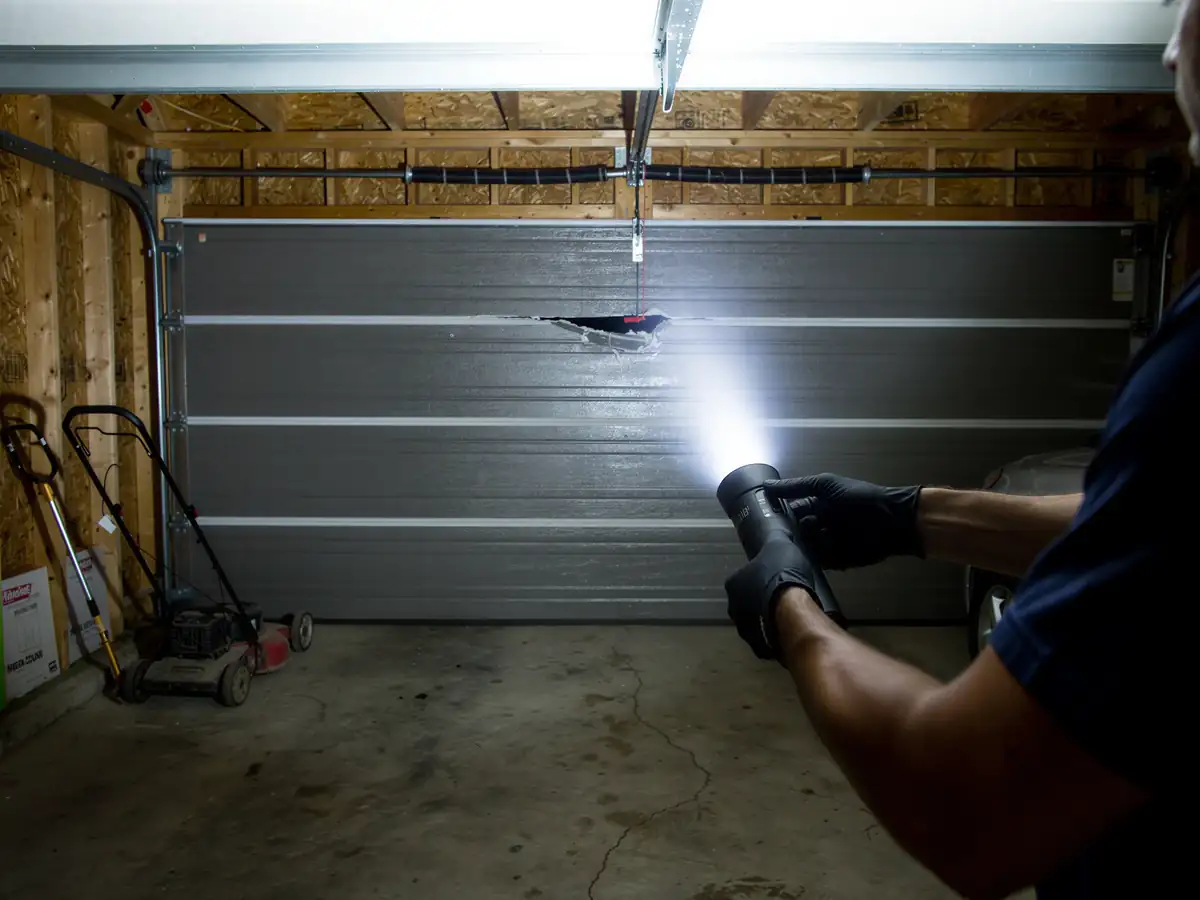
The most common surprise on an opener swap in an older Green Acres garage is the door itself
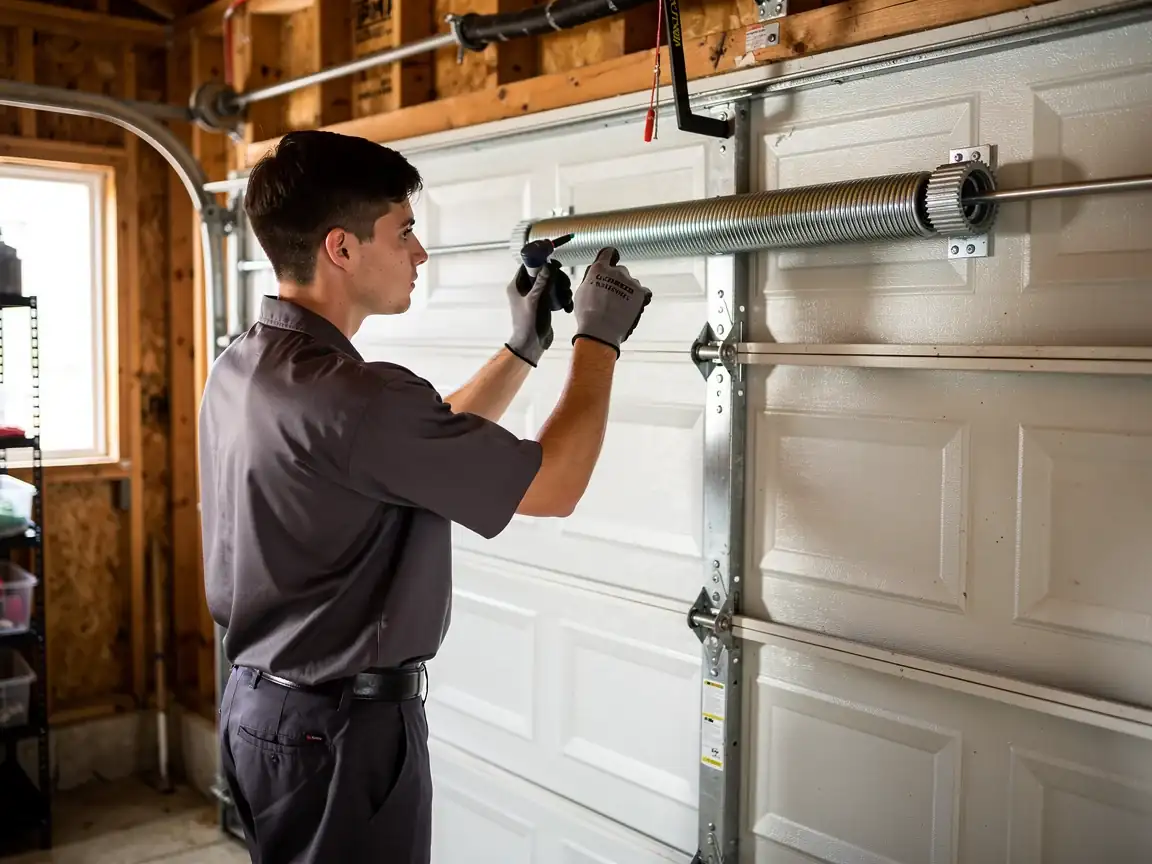
Not the opener. If the springs are original to a 1980 build, they've likely outlived their rated cycle count, and a new opener motor working against a tired spring will burn out faster than it should. We'll flag that before install, not after you've paid for a motor that's fighting bad hardware.
The other thing worth saying plainly
If your opener is original and the sensors were never added, we're not going to install a new motor and skip the sensor retrofit to save you money. That's the one corner we won't cut, because it's the corner the 1993 rule exists to close.