How Long You Are Without the Door
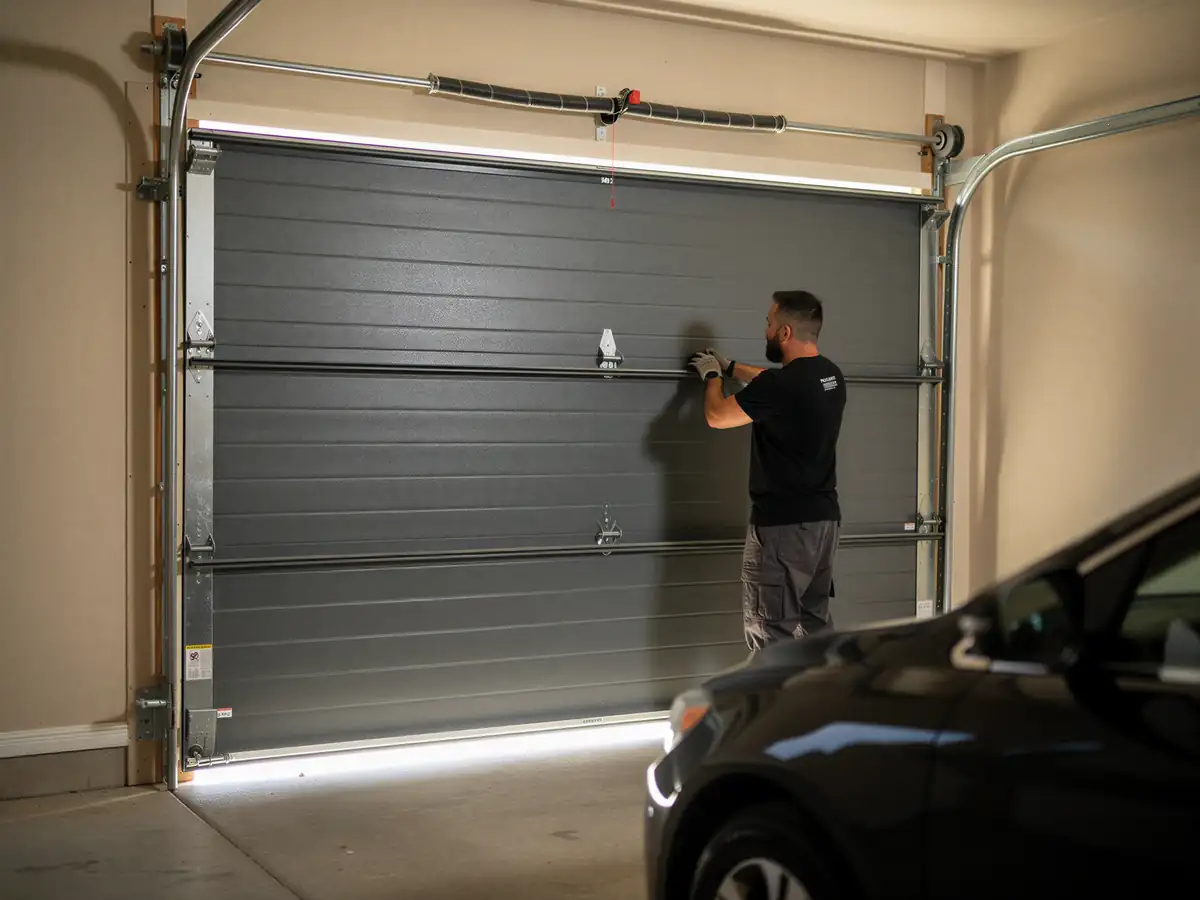
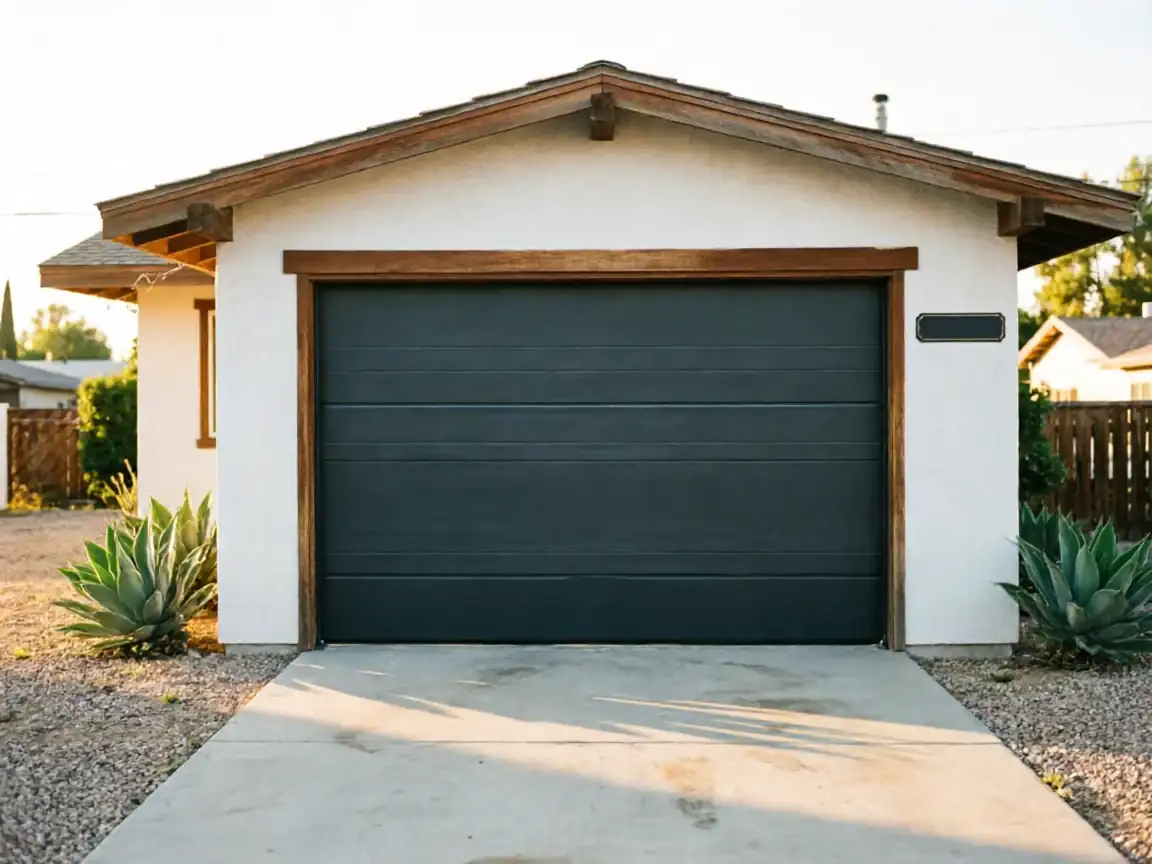
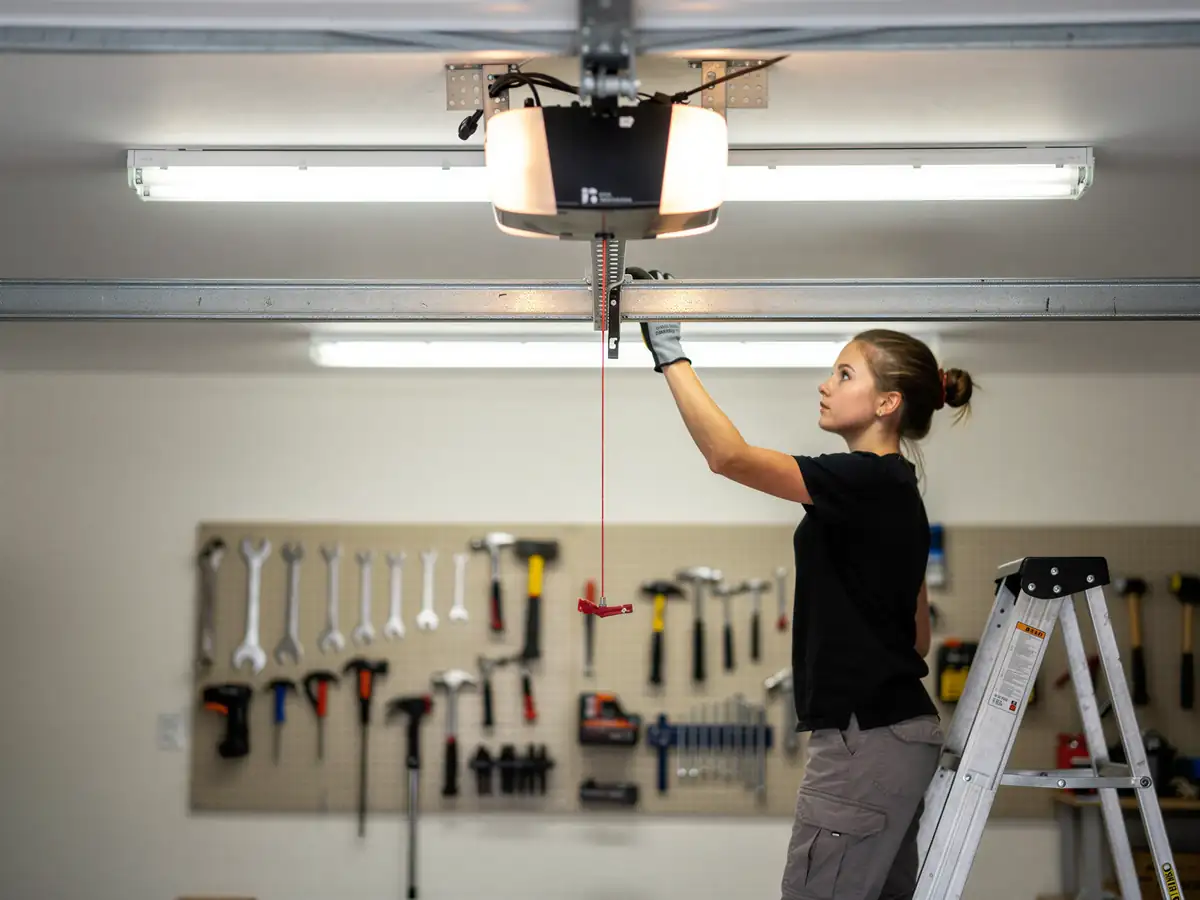
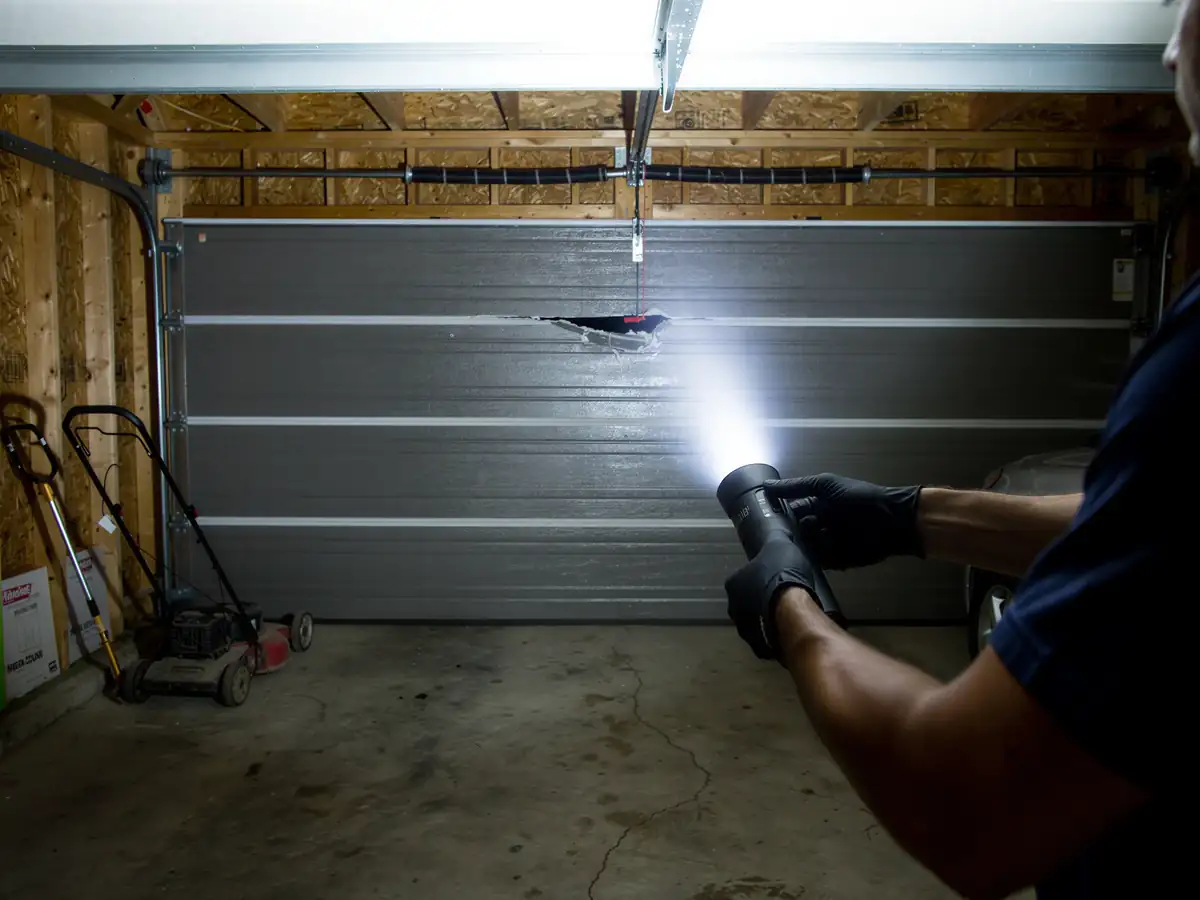
Green Acres is a small pocket, around 823 households, so a cable call out here isn't a daily run for us the way it is in bigger parts of the service area. That doesn't mean a slower response - it means we plan the truck load before we leave Menifee, 7 miles away, so we're not making a second trip for a part we didn't bring. A snapped cable on one side of a double door usually means the door is stuck crooked or won't open at all, since the opener won't fight an unbalanced door safely. If both cables are original to the house, we look at the drum and the spring at the same time, because replacing one worn cable next to a 1980-dated spring that's about to go is a bad use of your afternoon and ours. Most of these jobs run a couple hours once we're on site: pull the old cable, check the drum for grooving, check the track alignment, and reset tension. If the opener has been straining against a frayed cable for a while, we'll also check the gears while we're in there, since that's a common second failure on this vintage of hardware.
The Cost of This Job
We don't post a flat number for cable repair because what drives the cost isn't the cable itself - it's what the cable did on its way out. A clean snap caught early, where the door simply stopped mid-track, is a straightforward swap. A cable that frayed slowly and let the drum chew into the track, or let the door drop hard enough to bend a panel, costs more because now you're paying for the cable plus the damage it caused. Houses in Green Acres built around 1980 often pair an aging cable with a spring from the same era, and if we find both are near the end, replacing them together is usually cheaper over the life of the door than coming back out in six months for the spring. We'll always look and tell you what we're actually seeing before we quote anything, and if a repair isn't worth it compared to replacing the whole assembly, we'll say that too rather than patch something that's going to fail again.
How We Fix It
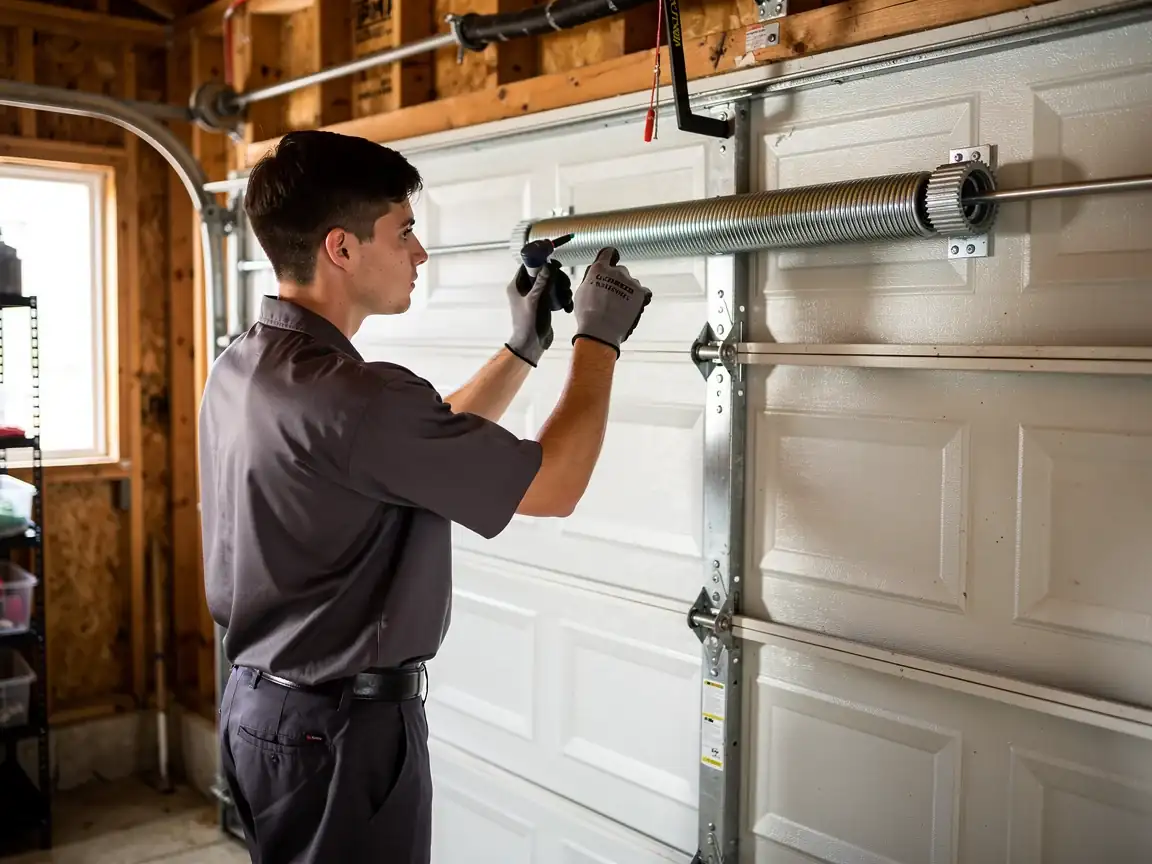
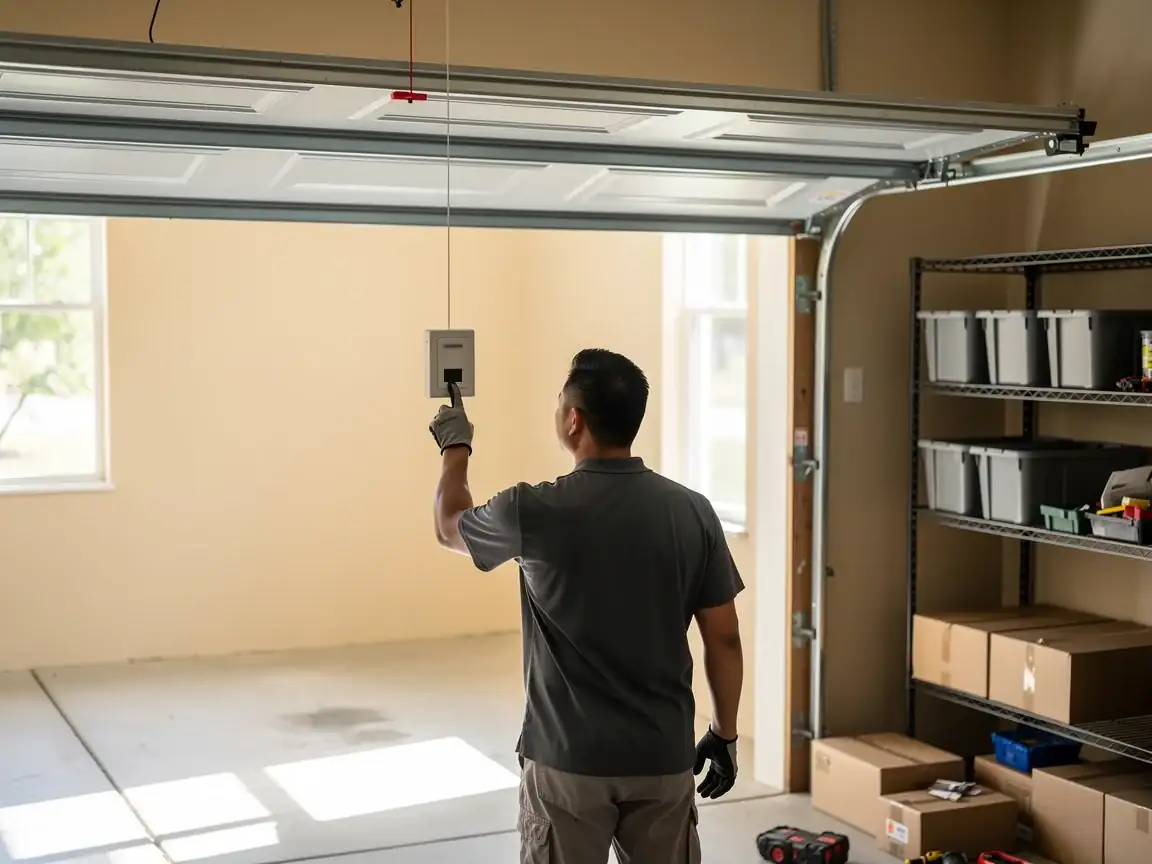
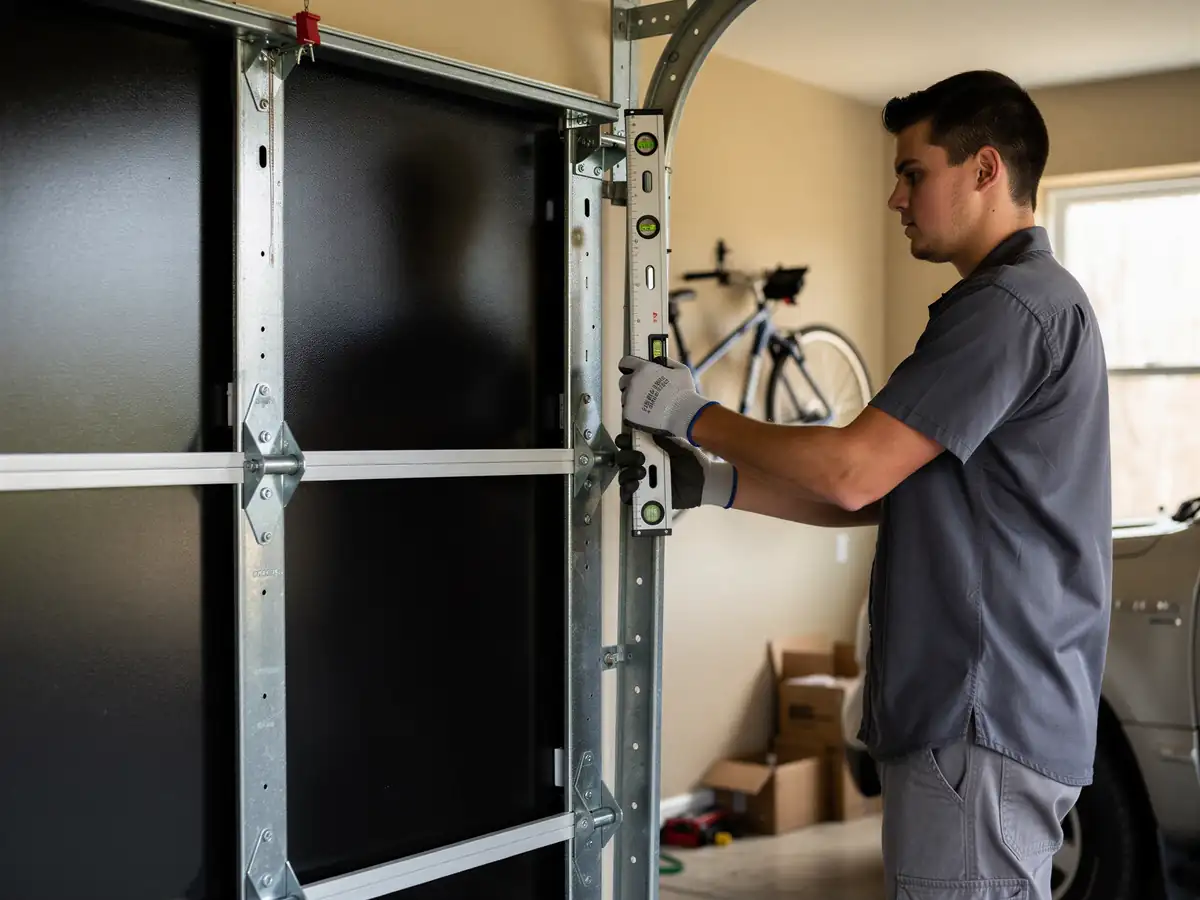
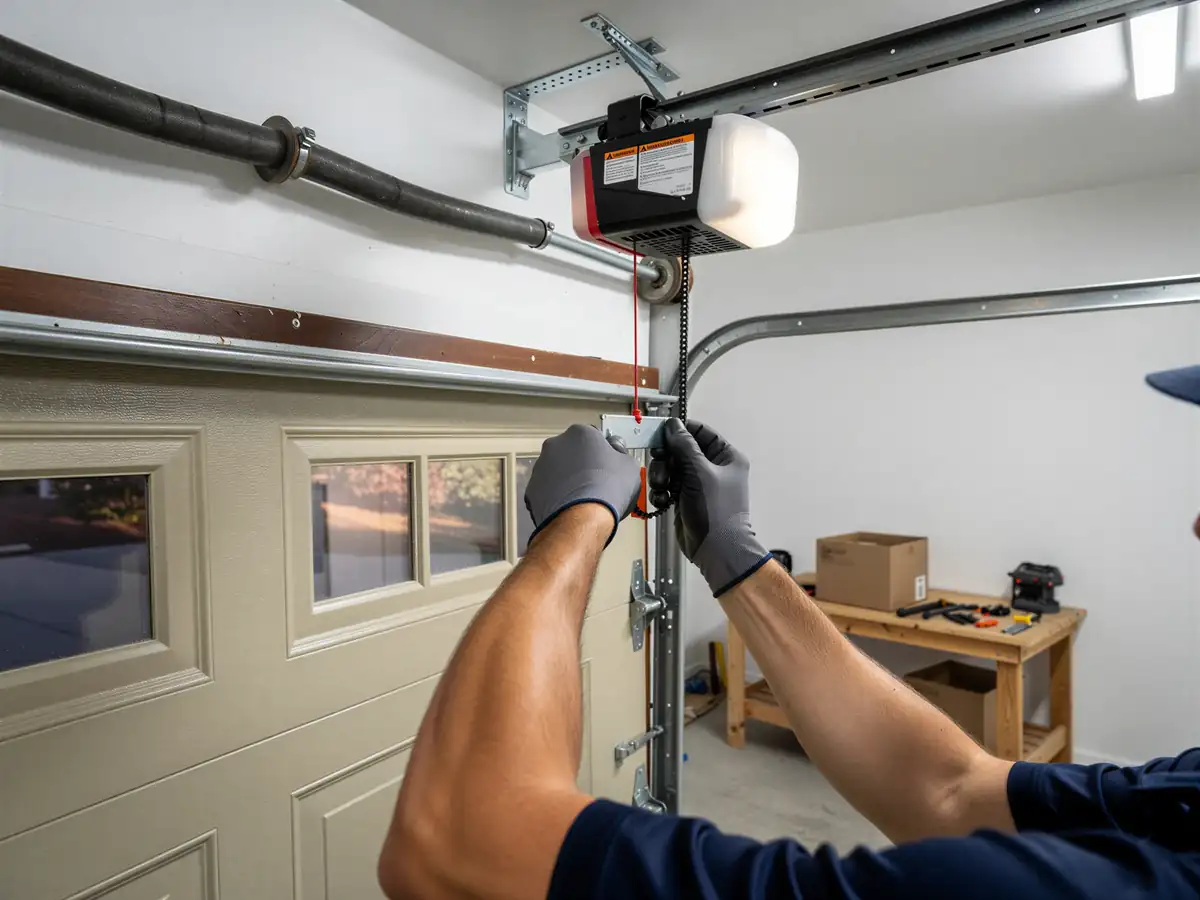
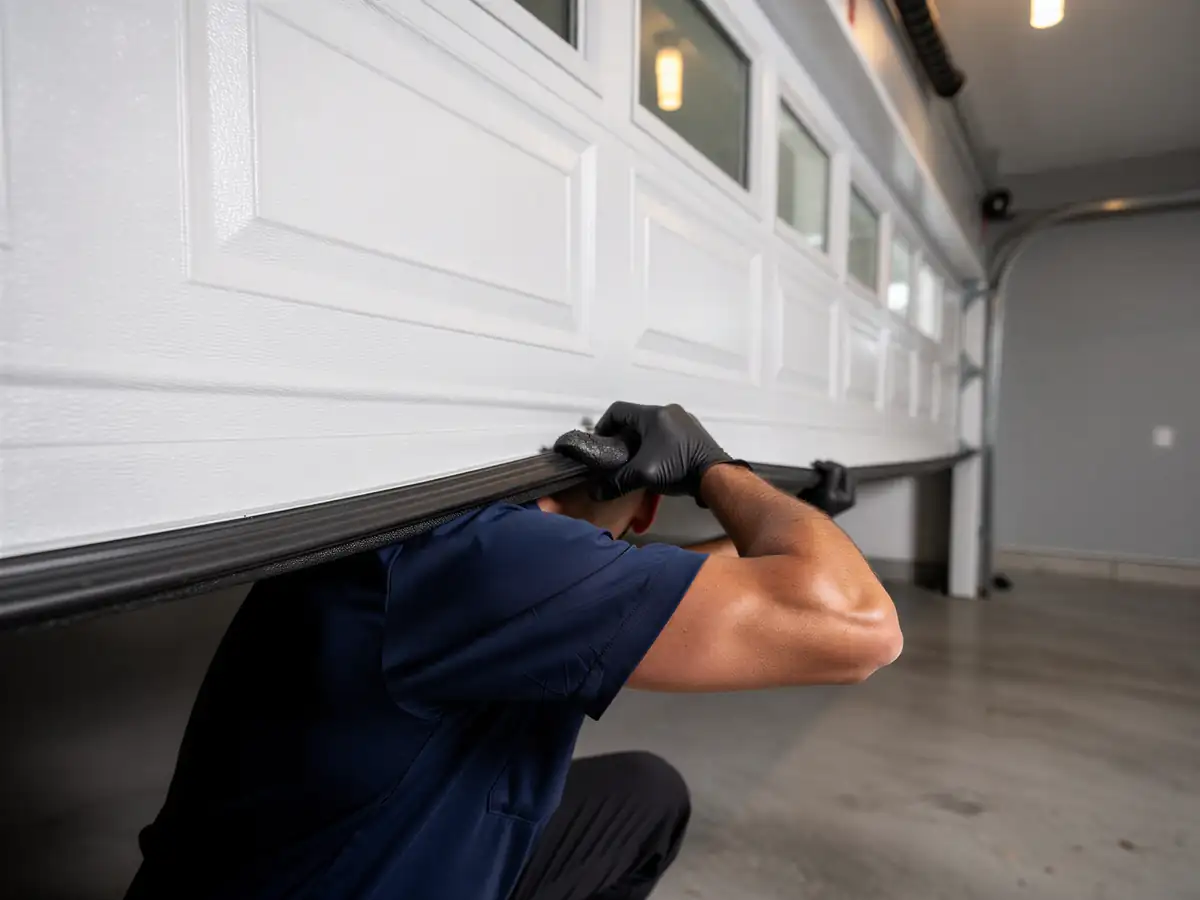
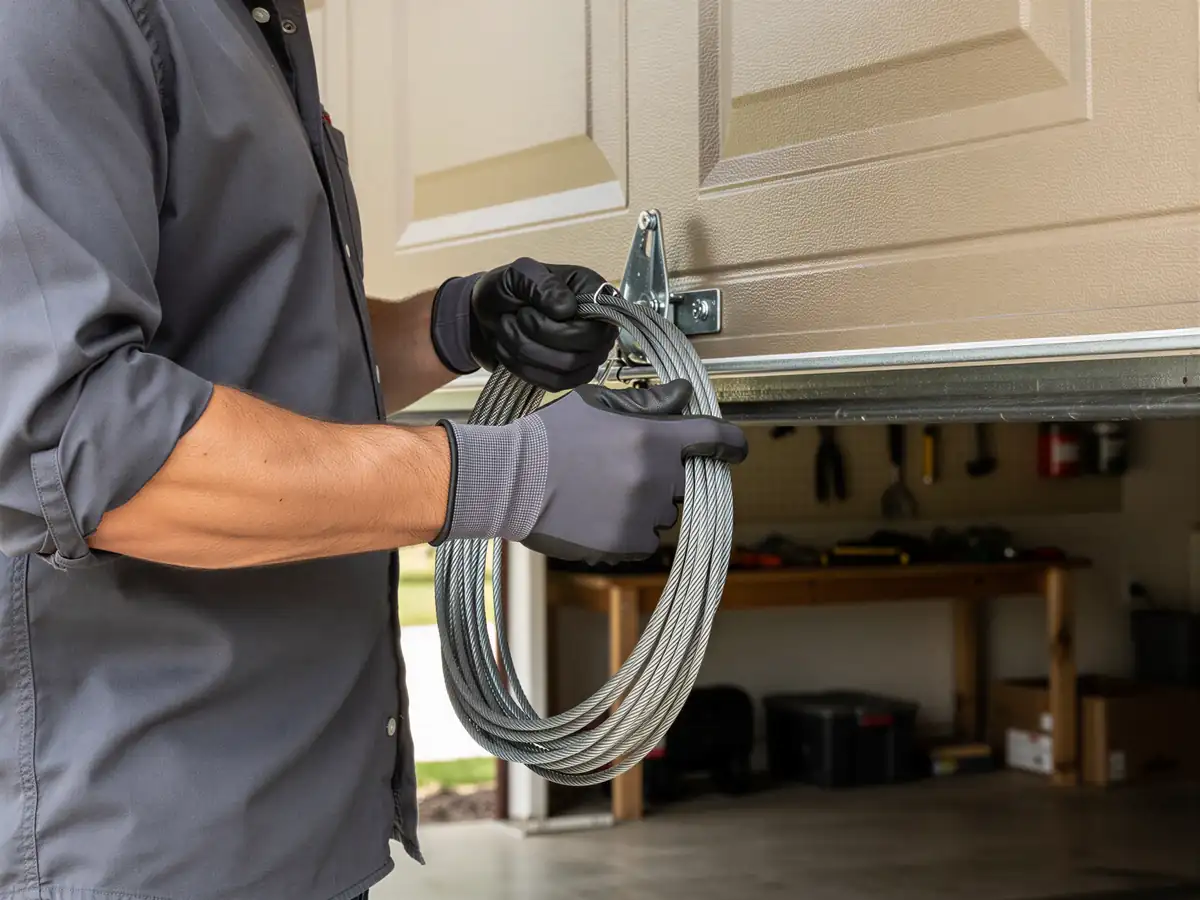
First we release the spring tension safely - never cut a loaded cable, that's how people get hurt. With the door secured, we pull the damaged cable off the drum and inspect the drum grooves for wear, since a chewed-up groove will shred a brand-new cable in weeks. We check the bottom bracket where the cable anchors, because on doors from this era that bracket is often rusted from 40-plus years of summer heat cycling through the garage, and a cracked bracket needs replacing along with the cable, not instead of it. We run the new cable, match the length to the drum size, and set tension evenly on both sides so the door doesn't pull to one side when it opens. Then we run the door through several full cycles by hand before we ever power the opener, checking for drag, binding, or a track that's slightly out of plumb. Last step is the opener cycle test, watching the door come down under its own weight to confirm the cable is carrying the load the way it should, not the opener motor.