How Long You Are Without the Door
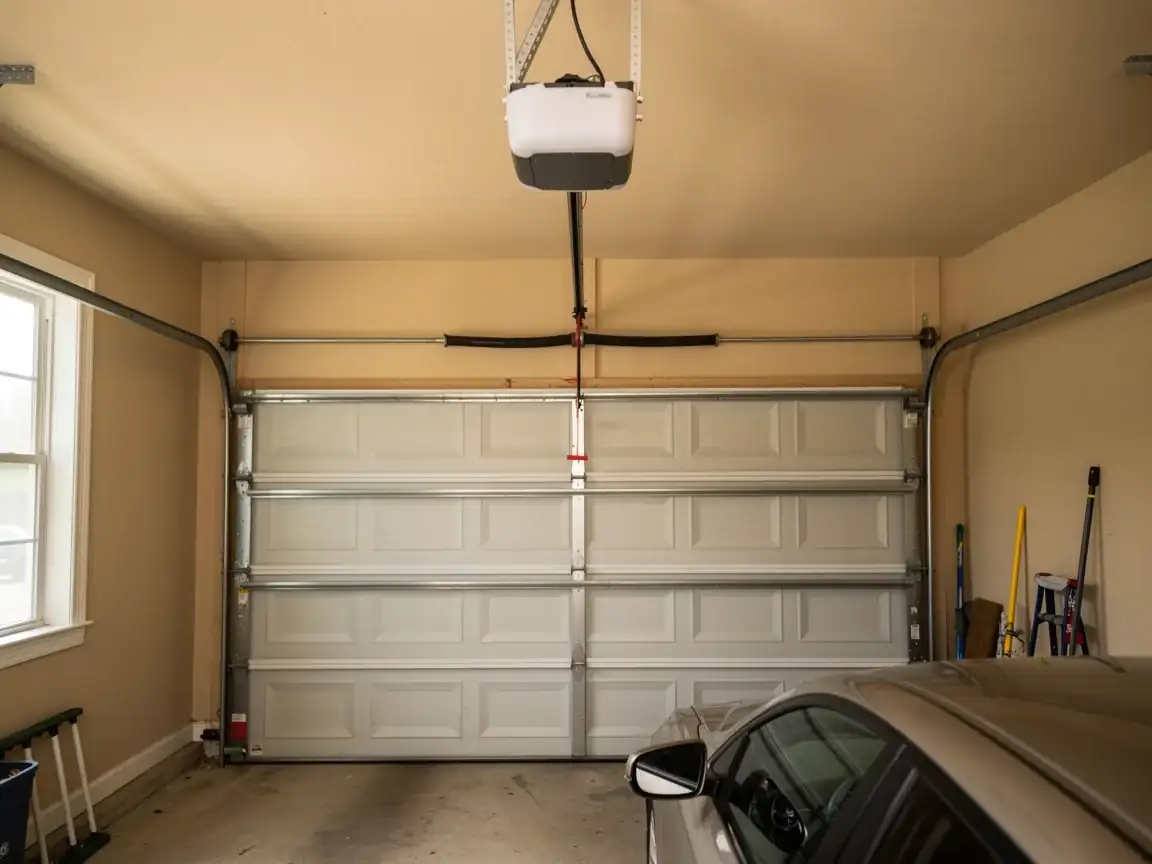
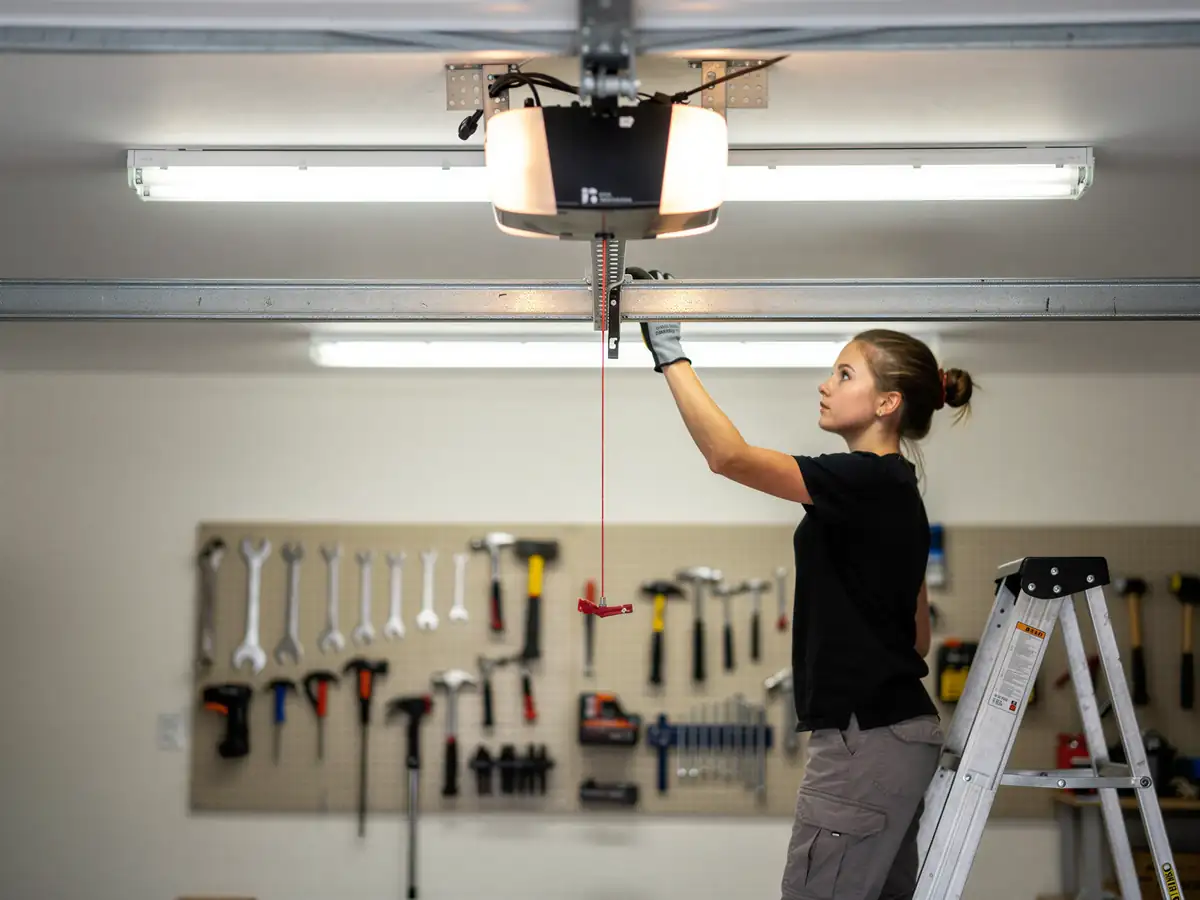
Green Acres sits about 7 miles from our Menifee shop, so the first thing to know is that we're driving in, not walking over from a local branch. Once we're on site, how long your door stays open or stuck shut depends on what's actually wrong and what that house was built with. A lot of Green Acres garages went up around 1980, and that means steel sectional doors on extension spring systems rather than the torsion setups you'd see in newer construction. Extension springs are simpler to diagnose but the safety cables and pulleys around them wear out in ways torsion hardware doesn't, so we budget time to check those before we call the job done. With only 823 households in this pocket, we're not running a dedicated route through here daily - we schedule around the Menifee base and come out when you call. That's not a same-hour promise. It's an honest answer: expect us to confirm a window when you call, not assume we're already nearby.
The Cost of This Job
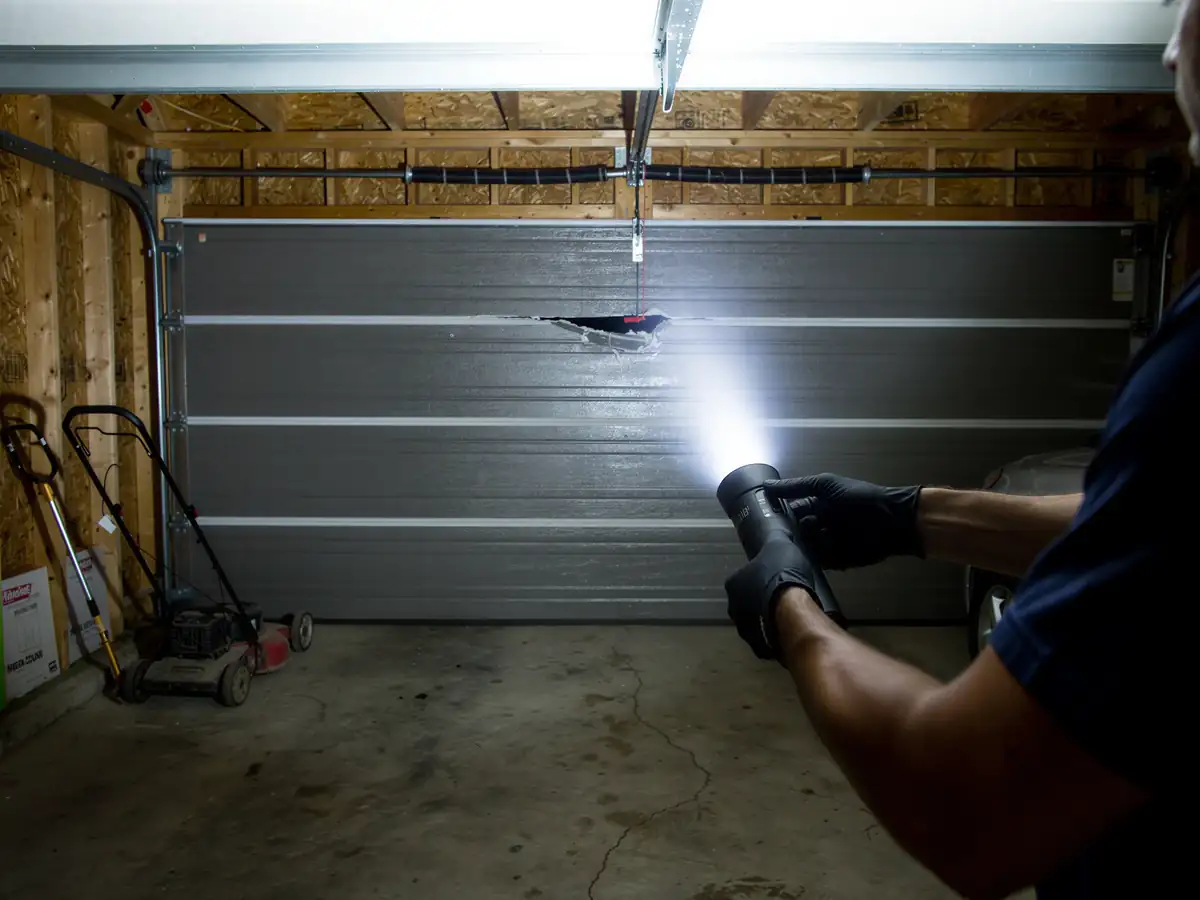
We don't post a flat number here because extension-spring jobs and torsion-spring jobs price differently, and so does a cable snap versus a full panel swap. What we can tell you is what shapes the estimate in Green Acres specifically: median household income here runs $71,609, noticeably below the wider Menifee service area's $84,369, and we price the same parts and labor regardless of which side of that line a house falls on. The age of the stock matters more than the zip code - a 1980-built door with original hardware usually needs more than a single part replaced, because the rollers, hinges, and cables have all been working the same number of years. We'll walk you through what's failing and what it costs before anything gets pulled apart.
How We Fix It
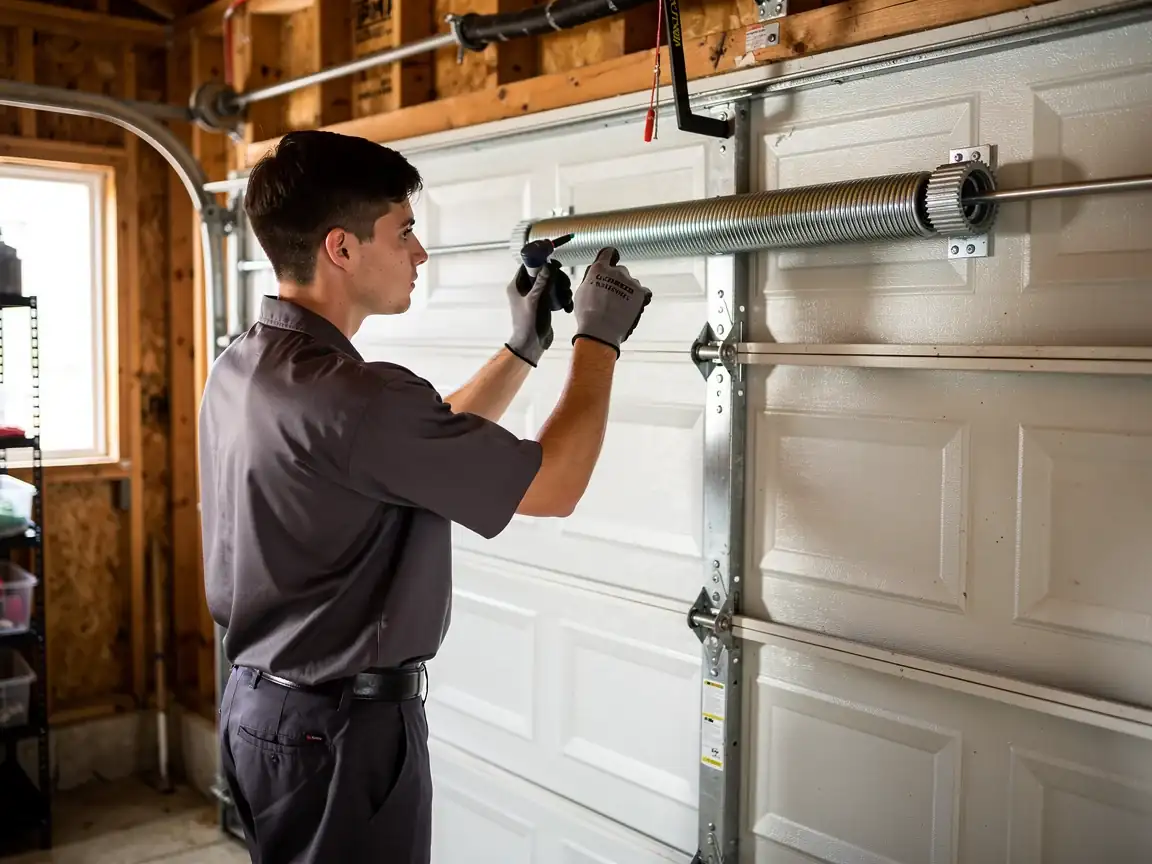
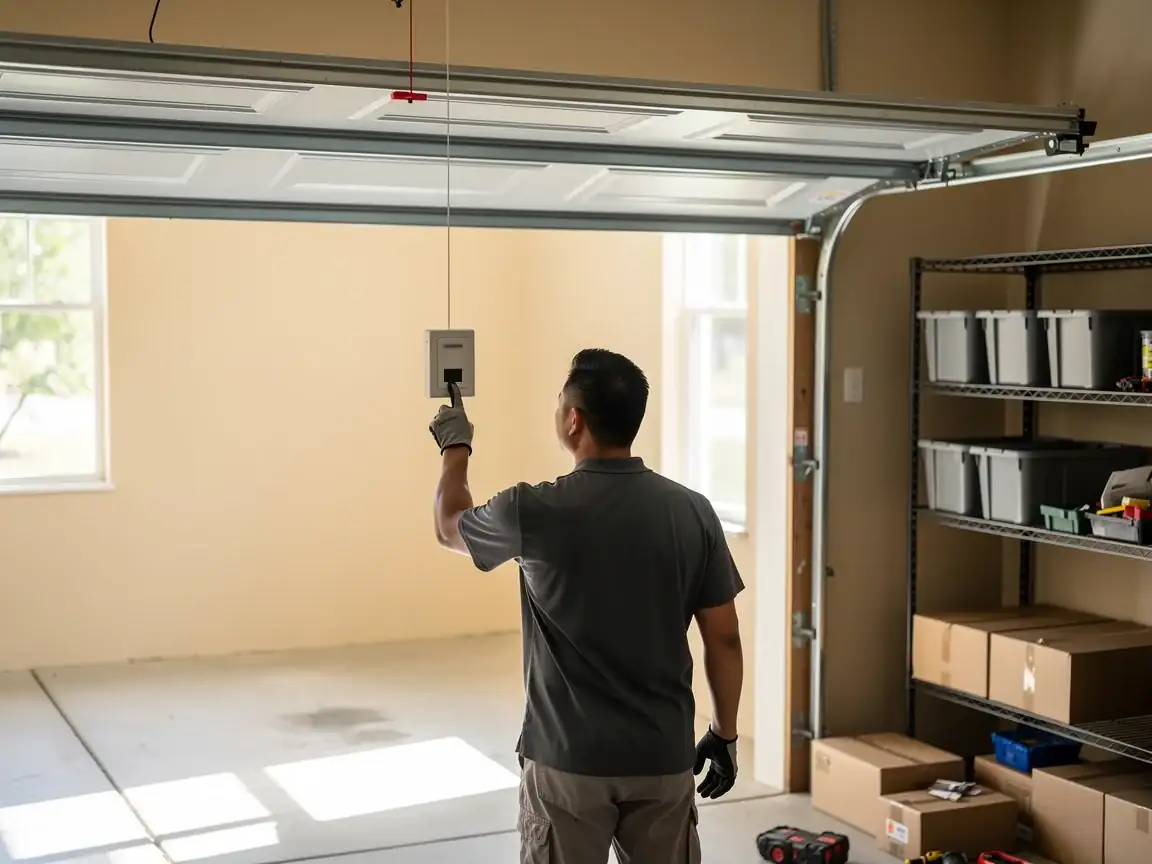
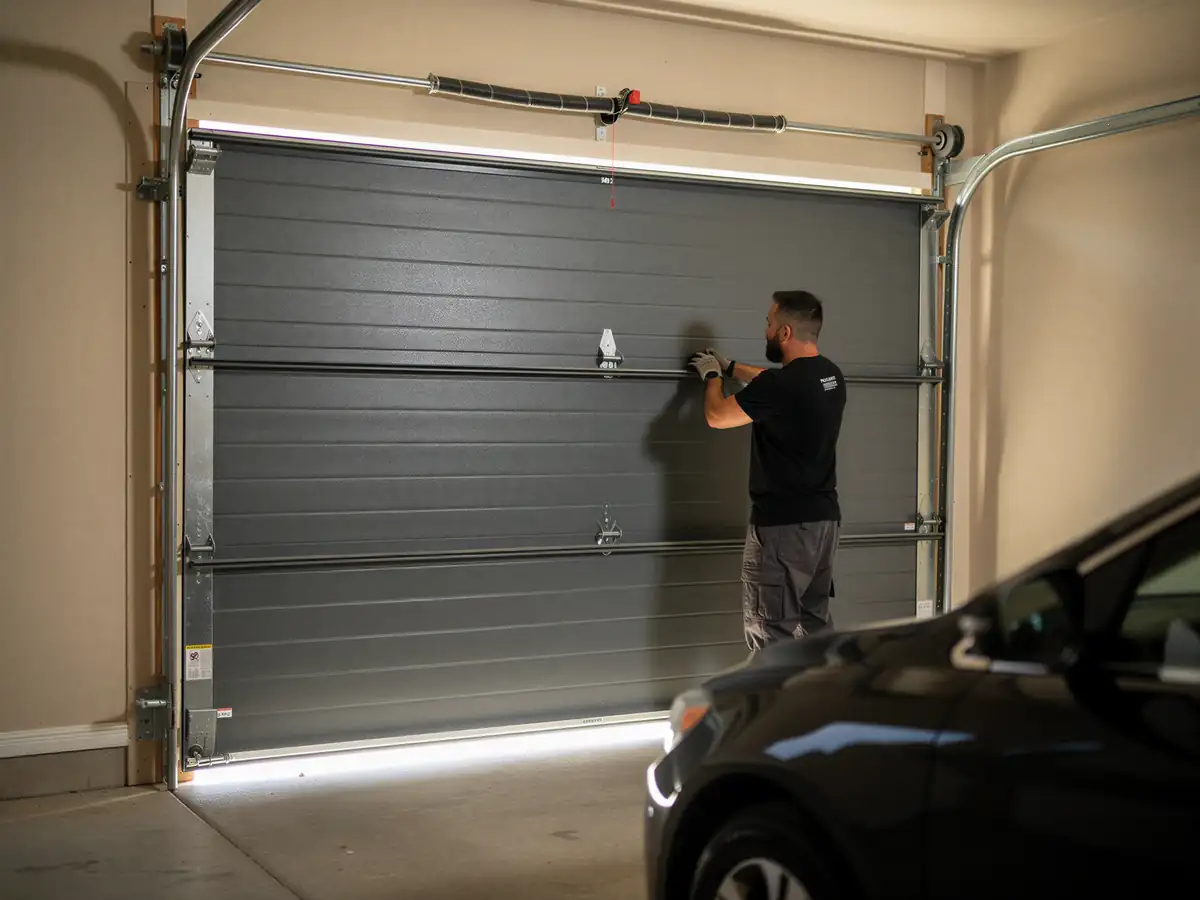
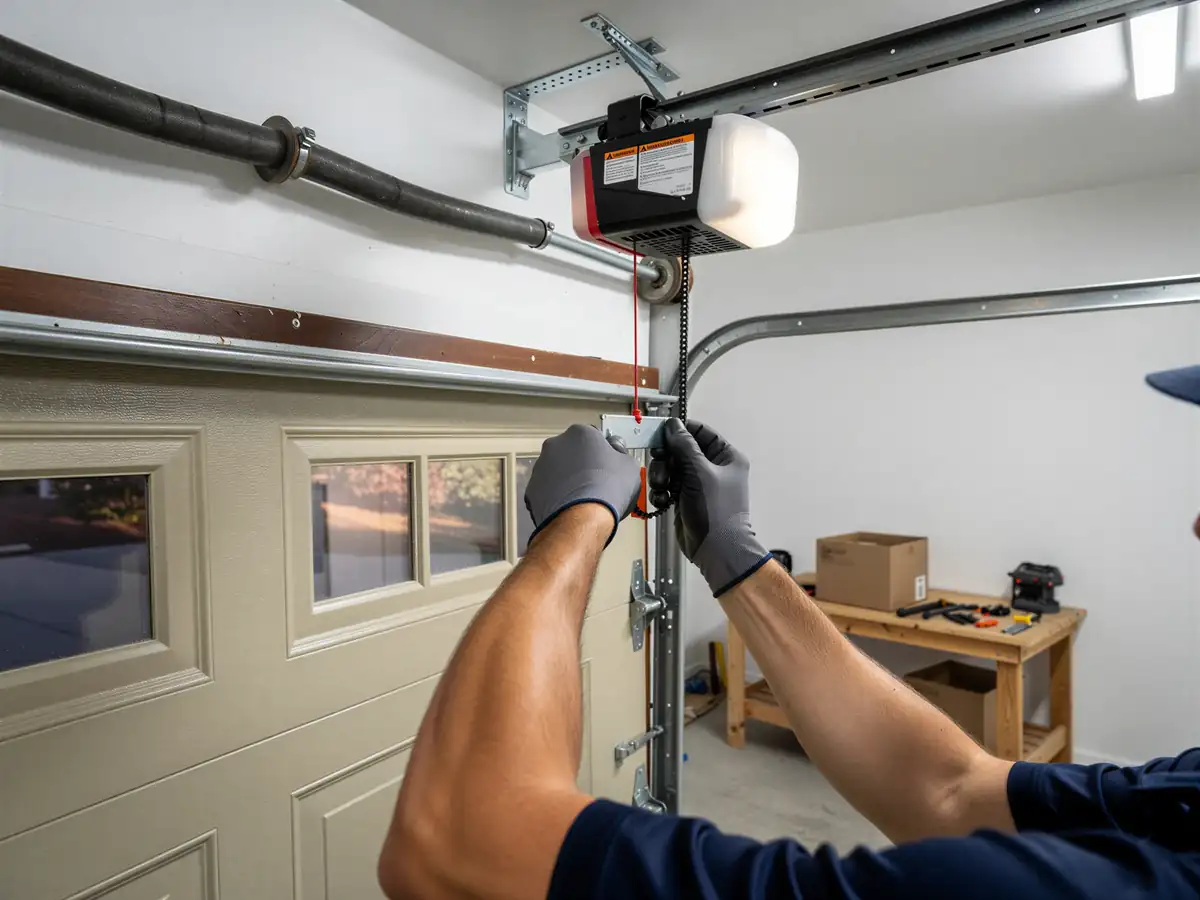
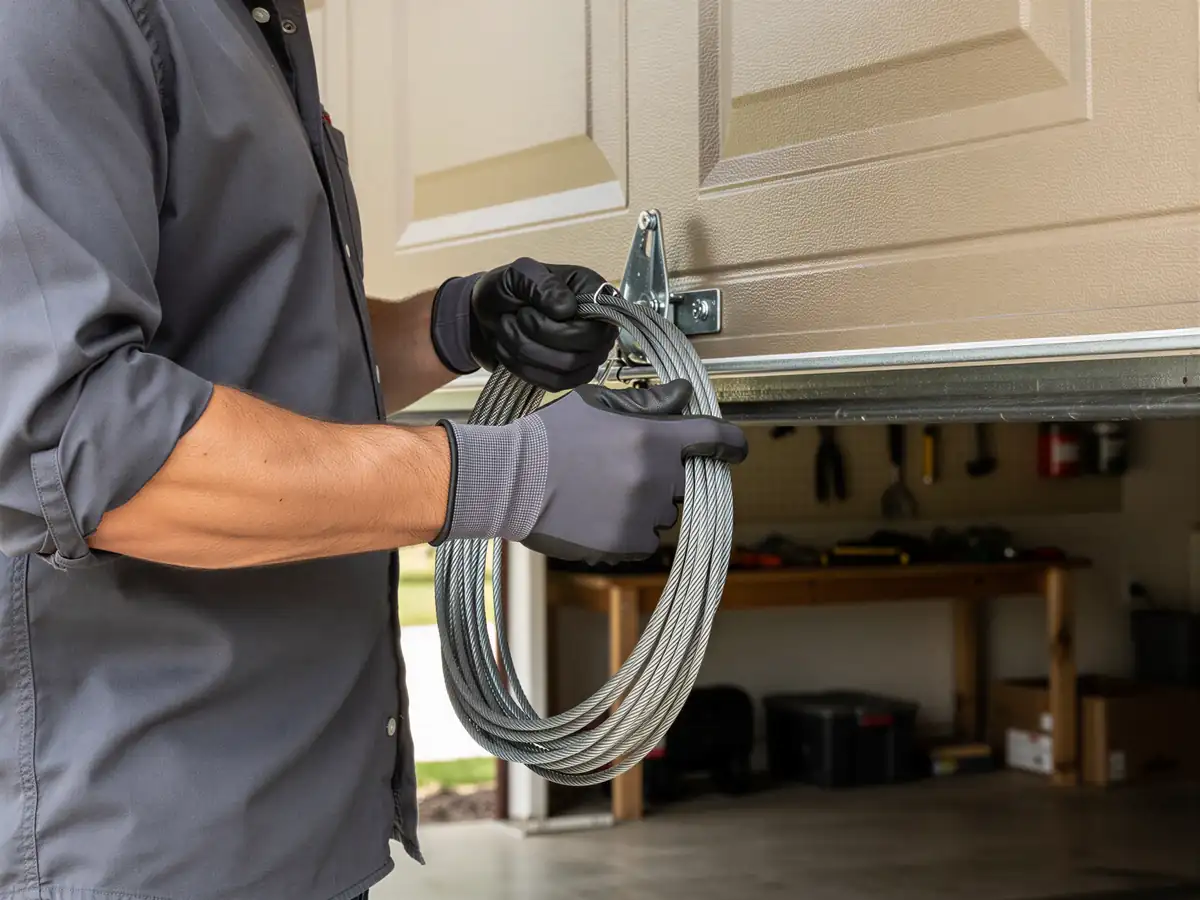
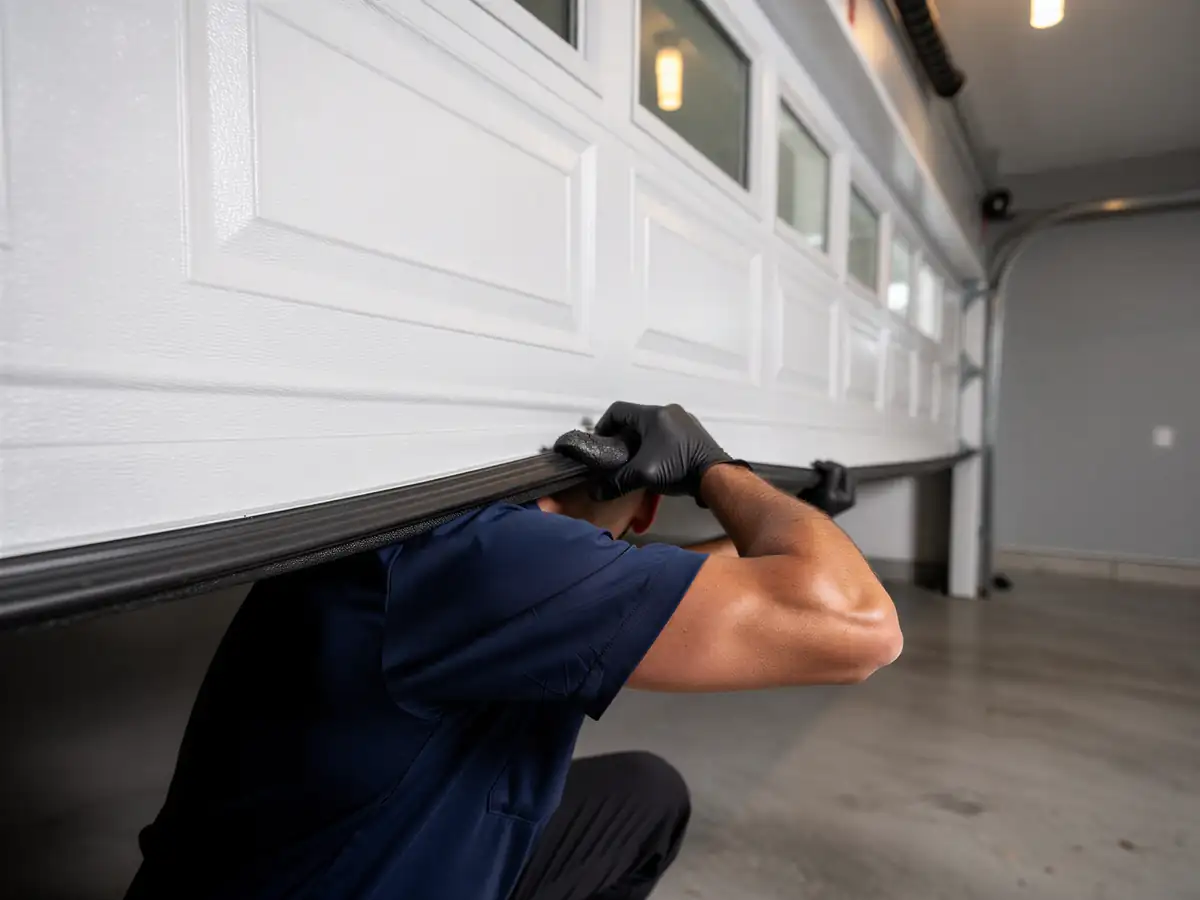
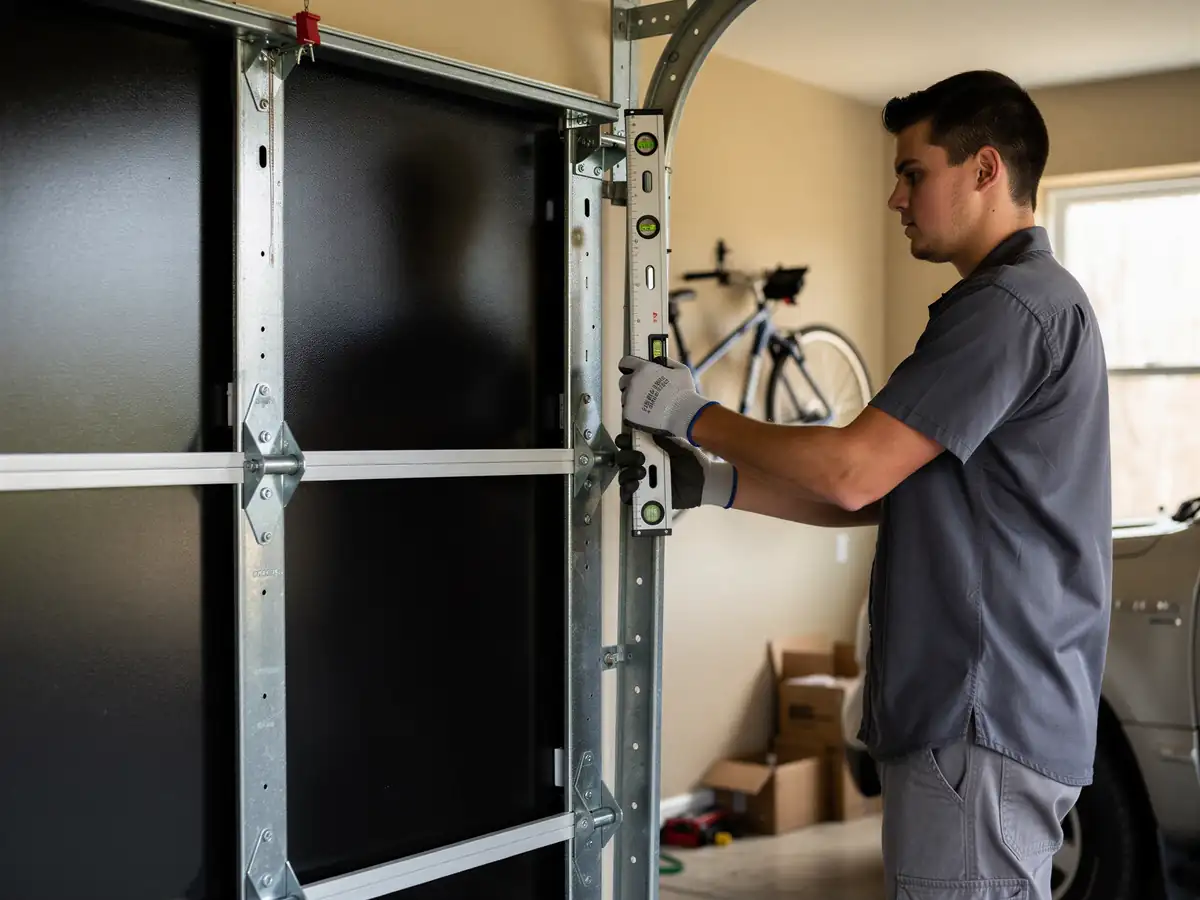
We start by cycling the door by hand with the opener disconnected, which tells us whether the problem is spring tension, a track misalignment, or the opener itself. On 1980-era steel doors, the two most common fixes are replacing stretched or snapped extension springs and swapping out rollers that have worn oval instead of round - both normal after four decades of summer heat expanding and contracting steel panels. Severe heat is the dominant climate factor in this area, and it does real work on garage doors: steel expands during the day and contracts at night, which loosens hardware over years and dries out nylon rollers until they crack. We torque hardware back to spec, replace what's cracked or stretched, and test full cycles before we leave rather than just getting the door moving again.